
Review · USA TRAIN JOURNEYS
Rockies to the Red Rocks Train Denver to Moab SilverLeaf
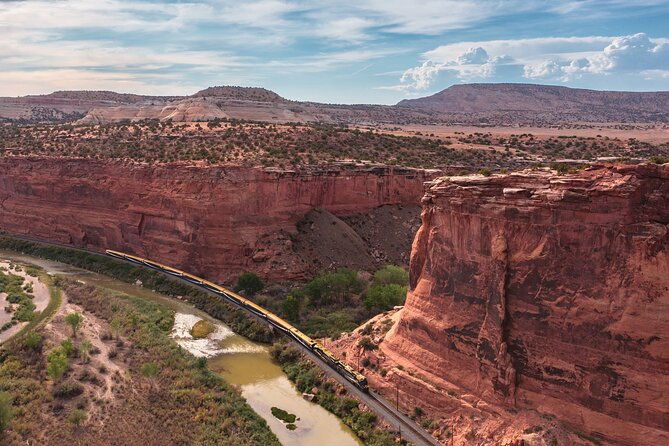
Rocky Mountaineer’s Denver to Moab rail journey takes you through country that is difficult to see from a normal road trip. You cross the Continental Divide, trace the Colorado River through Gore Canyon, pass beneath desert cliffs, and arrive beside the red rock country near Arches National Park. I especially like the route’s variety and the fact that your bags are handled while you focus on the views. The overnight in Glenwood Springs also breaks up what would otherwise be a long ride.
I also like the attentive onboard service, locally inspired meals, and the steady stream of stories from hosts such as Joey, Mike, Jessica, Tristan, and Paul on different departures. The main drawback is the price: at $1,723 per person, this is a premium scenic rail trip, not a basic way to get from Colorado to Utah. The train also moves at a leisurely pace, so you see the country rather than explore it on foot.
Key points at a glance
- Two full days on a scenic rail route: Travel from Denver to Moab with an overnight stop in Glenwood Springs.
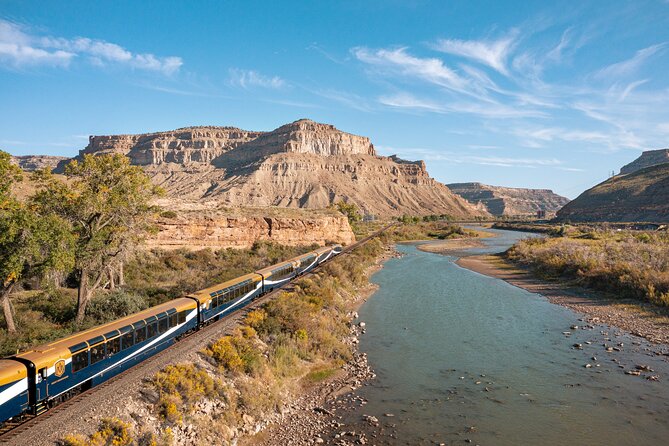
- The route follows the Colorado River: Expect Byers Canyon, Gore Canyon, De Beque Canyon, and Ruby Canyon, with many sections difficult to reach by car.
- SilverLeaf includes meals and service at your seat: Breakfast, lunch, snacks, drinks, onboard storytelling, and restroom access are part of the standard package.
- The Continental Divide comes by way of Moffat Tunnel: The train passes through the 6.2-mile tunnel before reaching Winter Park country.
- Your luggage is moved for you: Bags are transferred to and from the Glenwood Springs hotel and onward to Moab.
- Moab is the finale, not a national park tour: You see red rock country and Arches National Park from the train, but park visits are not included.
Why this route is different from a Colorado road trip
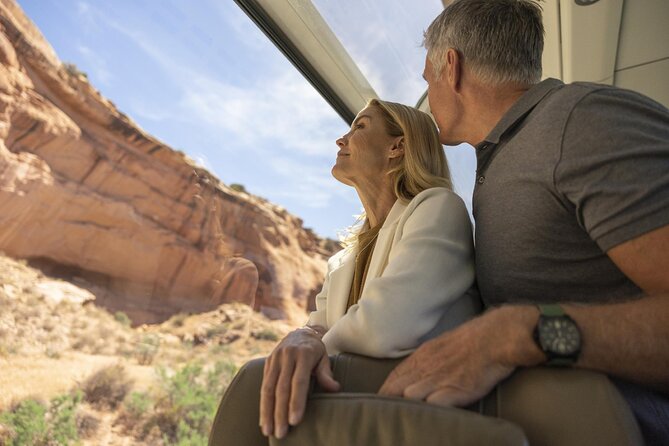
A road trip gives you control, but it also gives you traffic, parking, winding mountain roads, and the need to watch the pavement instead of the scenery. On this route, you can sit with a meal or drink, look through the large windows, and let the train handle the curves and climbs.
The most appealing sections are often places you would simply pass on Interstate 70. Gore Canyon, for example, has cliffs rising more than 1,000 feet above the Colorado River. The train passes through this rugged country without stopping, but the slow movement and broad windows give you time to take it in.
The route also changes character in a satisfying way. Day one begins with the Front Range and high mountain country. Day two moves through dry western Colorado, mesas, sandstone cliffs, abandoned rail towns, and Utah red rock. You are not looking at the same view for two days.
This is a scenic train trip first. You do not get off to hike Gore Canyon, tour Arches National Park, or explore every town along the way. If you want active sightseeing, use the train as one part of a longer Colorado and Utah itinerary.
More Train Journeys in the USA:
- Key West Conch Tour Train
★ 4.5 · 792 reviews - Skunk Train: Pudding Creek Express from Fort Bragg
★ 4.0 · 260 reviews - Skunk Train: Wolf Tree Turn from Willits
★ 4.5 · 258 reviews
Day one: Denver, the Big Ten Curve, and the Continental Divide
Your morning begins in Denver, with boarding at about 8:30 a.m. The early part of the route includes a motorcoach transfer through RiNo, Denver’s River North Art District, known for creative businesses and large street murals. This gives you a quick look at a changing part of the city before the rail journey settles into its mountain rhythm.
Once aboard, SilverLeaf service brings breakfast and lunch to your seat, along with drinks and snacks during the day. The cars are designed for viewing, with large windows that make it easy to watch the scenery without constantly moving around for a better angle.
One early engineering feature is the Big Ten Curve. These tight 10-degree curves add distance to the line so the train can manage a railroad-friendly grade of about 2 percent. It is a small detail, but it helps you understand how railroads climb steep country without charging straight uphill.
As the train gains height, you may see Boulder below and the Flatirons beyond it. The view changes from the city and plains to reservoirs, forested slopes, and mountain ridges. Gross Reservoir Dam is another notable sight, with Boulder and the Front Range in the distance.
The train then reaches the Moffat Tunnel, which cuts 6.2 miles through the mountains and crosses beneath the Continental Divide. You will not get a dramatic mountaintop stop, but passing through the tunnel is a memorable part of the route. Soon afterward, the scenery opens toward Winter Park and higher mountain country.
Following the Colorado River through Byers and Gore Canyons
After the Continental Divide, the route joins the Colorado River. For much of the remainder of the trip, the river is your companion, sometimes close to the train and sometimes hidden below canyon walls.
Byers Canyon is a good place to watch carefully for wildlife. Sightings are never guaranteed, but the area can offer glimpses of animals such as deer, elk, and black bear. Keep your camera ready, but do not spend the entire ride staring through a viewfinder. The canyon itself changes quickly as the train passes.
Gore Canyon is the dramatic high point of day one. Its two sections are enclosed by tall cliffs, with the river below and rugged rock walls on either side. The train does not stop here, so your best strategy is to stay alert and listen for the host’s announcements.
This is where the service matters. Hosts explain the geology, railroad work, local towns, and odd bits of regional lore as the scenery passes. On different departures, onboard teams have included Joey, Rea, Evan, Chris, Alivia, Neal, and Chef Rae, among others. Names and assignments change, but the trip depends heavily on hosts who can point out what you might otherwise miss.
Glenwood Springs: a useful overnight, not just a sleep stop
You arrive in Glenwood Springs in the evening and spend the night in this historic resort town. The overnight is a practical part of the itinerary because it keeps you from spending one very long day on the train.
The town is known for its hot springs, and you may have time to enjoy a soak before turning in, depending on the day’s arrival and your hotel arrangements. Hotel Colorado is associated with some departures and has an old-fashioned character that fits the setting. Your overnight accommodation is included, but pre-trip and post-trip lodging are not.
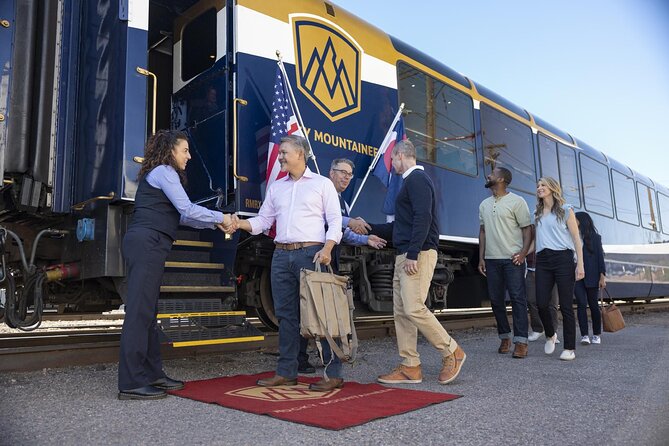
The luggage system is one of the trip’s quiet advantages. Your bags are transferred to and from the midpoint hotel, so you do not need to drag them through the station or bring everything into the train car. Pack a small overnight bag with medications, toiletries, and anything you want during the ride.
Do not expect Glenwood Springs to function as a full sightseeing day. The stop is mainly a comfortable pause between the two rail days. If you want more time for the hot springs, add a separate night before or after the train trip.
Same line, a different day out:
- Key West Conch Train Tour
★ 4.5 · 234 reviews - Fairbanks: Gold Dredge 8 Historic Train Tour
★ 4.7 · 219 reviews - Wild West Day Trip to Virginia City from Tahoe with Train Ride
★ 4.0 · 142 reviews - All-Day Guided Zipline Tour with Train Ride and Lunch in Durango
★ 5.0 · 133 reviews
Day two: from mountain cliffs to western desert
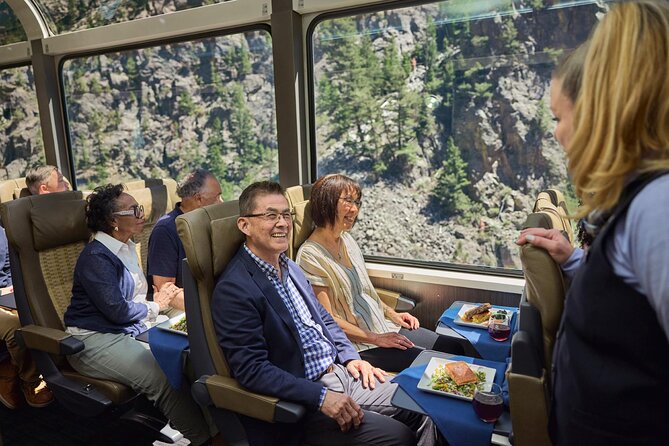
The second morning begins with a two-course hot breakfast as the train heads southwest. The scenery now becomes drier and more open. Mountain greenery gives way to sedimentary cliffs, mesas, and broad stretches of desert country.
You pass New Castle along the Colorado River, an area associated with trout fishing, rafting, and kayaking. Parachute Creek and Mount Logan lead toward De Beque Canyon, a 15-mile canyon marked by stair-step layers of sedimentary rock. These horizontal bands make the geology easy to read from the train.
Grand Junction appears later in the morning. The city sits at the meeting point of the Gunnison and Colorado rivers and serves as a major center in western Colorado. The train does not turn this into a city tour, but the passing view helps connect the remote canyons with the communities that depend on the river valleys.
Near Fruita, you enter an area known for dinosaur fossils and unusual local stories. Fruita is also linked to the tale of Mike the Headless Chicken, remembered through an annual festival. These small details add personality to a route that could otherwise feel like an endless series of cliffs and rock layers.
Ruby Canyon and the old rail towns of Utah
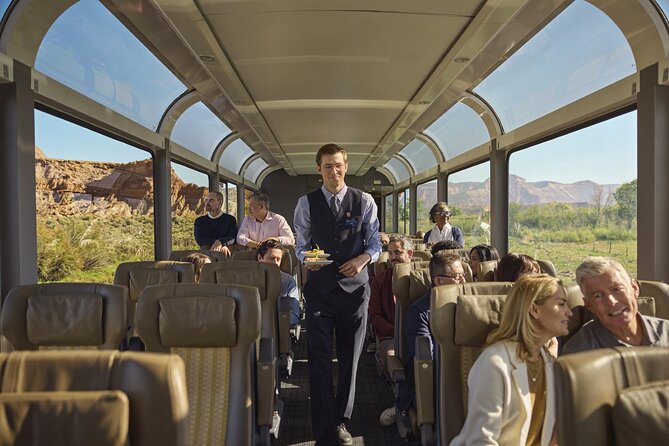
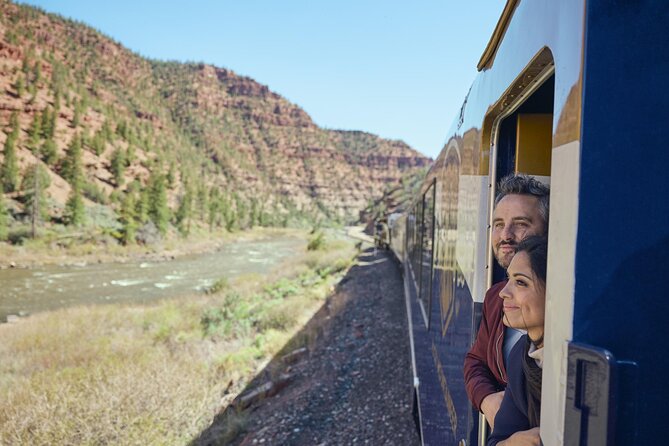
Ruby Canyon is one of the most striking sections on day two. Red sandstone walls line about 25 miles of the Colorado River, and much of this stretch is hard to reach by road. The canyon’s name fits the color, especially when sunlight catches the rock faces.
This is a good example of the train’s value. You are not merely passing a scenic overlook and moving on. The rail line follows the river through a long, enclosed stretch, giving you repeated views of the rock walls and water.
The route then enters Utah and passes Cisco, once a railroad watering stop and a busy community before Interstate 70 changed the traffic pattern. Thompson Springs suffered a similar decline. Only a few buildings remain, giving you a glimpse of how closely these towns once depended on the railroad.
These places are not polished tourist stops. You do not disembark for a guided town visit, and there may be little to see from the window beyond weathered structures and open country. Their value is in the contrast between the old rail network and the modern highway system running nearby.
Approaching Moab and the red rock finish
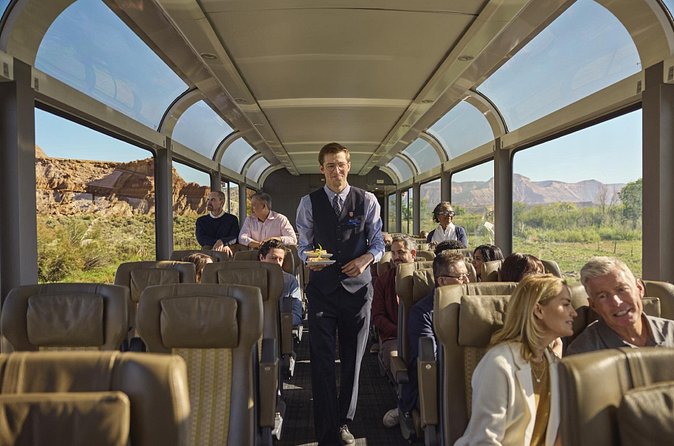
As the train nears Moab, the color and shape of the country shift again. Red sandstone formations appear, Arches National Park comes into view, and the La Sal Mountains rise in the distance. The La Sals are the second-highest mountain range in Utah, creating a striking contrast with the warm desert rock below.
This final stretch gives the journey its name, but it is important to set expectations. You see the Moab area and portions of the Arches region from the train. You do not receive a park tour, trail access, or a guided visit to the Mighty Five national parks.
Moab is the gateway to Arches, Bryce Canyon, Canyonlands, Capitol Reef, and Zion. If you are building a larger trip, this rail journey works well as your arrival into southeastern Utah. Plan additional lodging and park time separately, since the rail package ends when you reach Moab.
For westbound passengers from Denver, disembarkation is at the Hoodoo Moab Hotel. The listed meeting information also refers to the Rocky Mountaineer Moab Guest Centre at 59 South Main Street, Suite 3, so check your final confirmation carefully for the exact transfer and arrival instructions.
What SilverLeaf service really includes
SilverLeaf is the standard service level. Meals and drinks are brought to your seat, which means you do not need to leave the window every time food is served. Breakfast and lunch are included, along with snacks and beverages during the ride. The food receives frequent praise, including careful presentation and strong work from chefs such as Crystal, Dillon, and Rae on different departures.
The cars are clean and comfortable, with large viewing windows. There is a restroom onboard, and hosts provide route commentary and stories throughout the day. Gratuities and luggage handling are also included.
SilverLeaf Plus is available as an upgrade. It adds access to a lounge car, a small outdoor viewing area, wine pairings, premium alcoholic drinks, and signature cocktails. If you value extra space and want a different place to sit between meals, Plus may be worth considering. If your priority is simply good views and seat service, standard SilverLeaf already covers the central features.
WiFi is not included. That is not a serious problem for a scenic rail trip, but download anything you need before departure and treat the journey as a break from constant connection.
Is $1,723 a fair price?
The price is high, but it covers more than transportation. You receive two days of rail travel, meals, drinks, one night in Glenwood Springs, luggage transfers, onboard hosts, and gratuities. You are also paying for the train’s viewing design and the chance to see long canyon sections without driving.
The value is strongest if you would otherwise book a rental car, pay for a hotel in Glenwood Springs, purchase meals, and plan a long one-way drive between Denver and Moab. The value is weaker if you only need to get from one city to the other or if you want plenty of time outside the train.
This trip suits couples, families, and people who want scenery without a demanding physical schedule. A 14-year-old can enjoy the changing views, food, stories, and train itself, while older visitors may appreciate not having to drive mountain roads.
The small group size is listed at a maximum of 15 people, although the train experience itself is broader than a tiny private tour. Most people can participate, and service animals are allowed. Near public transportation access is noted, but you should confirm the exact station transfer details before departure.
Practical advice before you book
Bring layers. Denver, the Continental Divide, Glenwood Springs, and Moab can feel very different during the same journey. Keep a small day bag with essentials, since your main luggage may be transferred separately.
Choose a window seat if you can, and do not wait until the final approach to Moab before paying attention. Gore Canyon, Ruby Canyon, and the river sections are major highlights, but the route also rewards you with smaller details such as old rail buildings, wildlife habitat, and changing rock layers.
The booking is non-refundable and cannot be changed for any reason. That makes travel insurance and firm scheduling especially important, since an amendment or cancellation does not bring a refund.
Should you book the Denver to Moab train?
Book it if you want the journey itself to be the main event. The strongest reasons are the hard-to-reach canyon views, excellent service, included overnight stop, and the comfort of leaving the driving and luggage work to someone else.
Skip it if you want an inexpensive transfer, long hikes, national park entrances, or the freedom to stop whenever a view catches your eye. At $1,723 per person, this is a special rail holiday. For the right budget and pace, the route offers a memorable way to connect the Rocky Mountains with Utah’s red rock country.
FAQ
How long is the Rockies to the Red Rocks train journey?
The journey lasts approximately two days, with one overnight stay in Glenwood Springs, Colorado.
What cities does the train connect?
The westbound route connects Denver, Colorado, with Moab, Utah.
Is accommodation included?
Yes. One night of accommodation at the midpoint destination of Glenwood Springs is included. Lodging before departing Denver and after arriving in Moab is not included.
Are meals included?
Yes. Meals include breakfast and lunch, with breakfast listed as optional in the package details. Day two includes a two-course hot breakfast, and SilverLeaf includes drinks and snacks during the ride.
What is included with SilverLeaf service?
SilverLeaf includes meals and beverages delivered to your seat, onboard hosts, baggage handling, gratuities, restroom access, and one night in Glenwood Springs.
Is WiFi available onboard?
WiFi is not included onboard.
Does the train stop at Arches National Park?
No. You can see red rock formations and pass by the Arches National Park area, but a park visit is not included.
Where do westbound passengers get off in Moab?
For passengers traveling from Denver to Moab, the train disembarks at the Hoodoo Moab Hotel.
Can the booking be canceled or changed?
No. The experience is non-refundable and cannot be changed for any reason.
Just added for rail travellers in the USA
- Virginia City Day Tour From Lake Tahoe with Train Ride★ 4.8 · 19 reviews
- Ventura: Rail Bike Guided Tour with Farm Stand Stop★ 4.1 · 18 reviews
- Winnipesaukee Scenic Railroad★ 4.5 · 7 reviews
- Laughton Glacier Hike and White Pass Rail Adventure★ 5.0 · 12 reviews
- Grape Train Escape: Wine Tasting and Verde Canyon Railroad Adventure★ 4.5 · 30 reviews
- Grand Canyon Excursion from Sedona with First Class Train Ride★ 4.5 · 47 reviews
- Snoqualmie Fall & Railway Museum 3-Hours (Private Tour)★ 5.0 · 4 reviews
- Verde Canyon Rail Day Adventure from Scottsdale or Phoenix★ 5.0 · 4 reviews
USA Train Journeys, compared.
Skunk Train: Pudding Creek Express from Fort Bragg
Read our review →
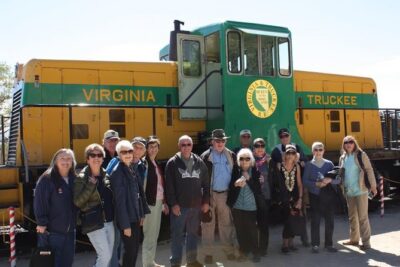
Wild West Day Trip to Virginia City from Tahoe with Train Ride
Read our review →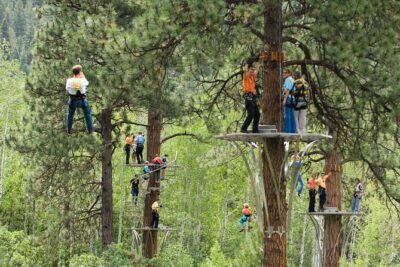
All-Day Guided Zipline Tour with Train Ride and Lunch in Durango
Read our review →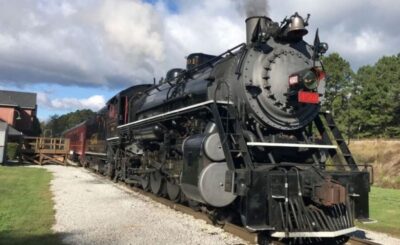
Chattanooga: Derailed Trolley Tour and Train Ride
Read our review →Browse the lists this tour appears in