

Review · MUMBAI TRAIN JOURNEYS
Mumbai: Dhobi Ghat Tour with Dharavi and Train Ride Options
Mahalaxmi Dhobi Ghat is one of Mumbai’s most striking working sights: rows of concrete washing troughs, bright clothes on lines, and dhobis handling laundry by hand as they have for generations. The tour brings you close to this century-old open-air laundry with an English-speaking guide who can explain how the work is organized.
I like the photographic color and movement, and I like that the experience shows daily work rather than a polished museum display. The option to add Dharavi and a train ride also lets you see more of Mumbai in one booking. The main caution is timing: one booking was expected to last an hour but ended after about 10 minutes, so confirm the exact duration and inclusions before you pay.
Key points to know before booking
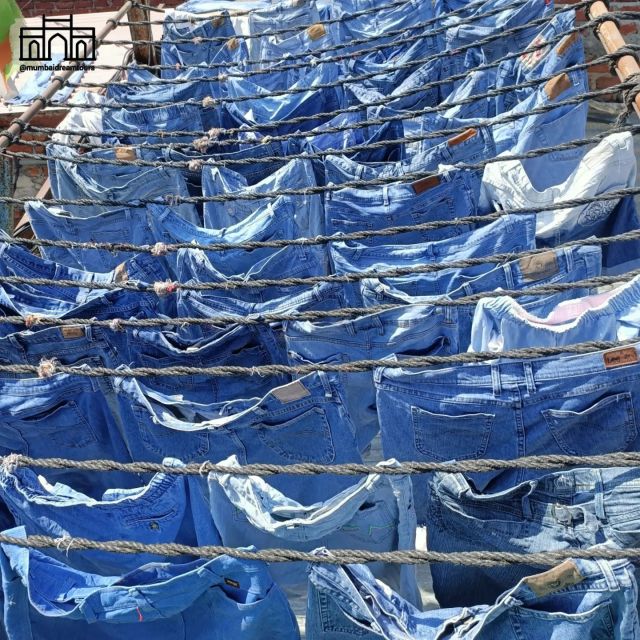
- Mahalaxmi Dhobi Ghat has operated for more than a century, giving you a direct look at an old Mumbai trade.
- Clothes are washed, dried, and pressed on site, with much of the work still done by hand.
- The $11 starting price is low, but added options and the actual time spent on site matter when judging value.
- Rakesh has guided some tours, answering questions and leading visitors through narrow lanes near the laundry.
- Dharavi and a Mumbai train ride are optional, so check your selected package carefully.
- The tour is in English, and cancellation is allowed up to 24 hours before departure for a full refund.
Why Dhobi Ghat is worth your time
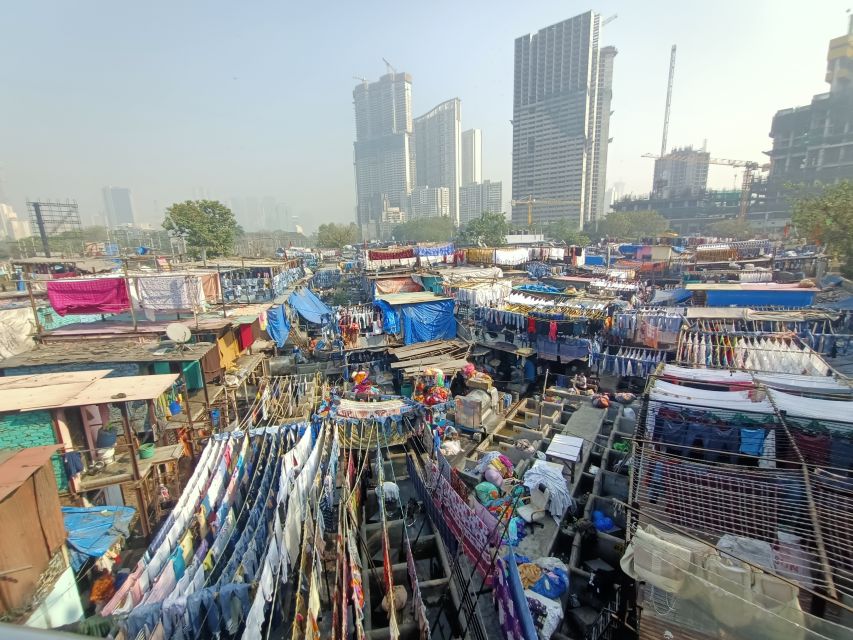
Mumbai can feel like a city of grand buildings, crowded streets, and constant motion. Dhobi Ghat shows another side: a large working operation built around a simple task, washing clothes.
Mahalaxmi Dhobi Ghat has been in use for more than 100 years. Clothes arrive from across Mumbai, and hundreds of washermen and women, known as dhobis, work through the day. Their job is practical and exact. Laundry is washed, beaten clean, dried, folded, and pressed before it returns to customers.
I find the value here comes from seeing work that is normally kept out of sight. You are not looking at a recreated old trade. You are seeing people carry out a real service that still supports families and businesses in the city.
The site is also visually strong. Rows of color make the Dhobi Ghat popular with photographers, but the pictures are only part of the story. Your guide can help explain what you are seeing, including the roles different family members may handle.
More Train Journeys in India:
- From Delhi: Taj Mahal & Agra Tour by Gatimaan Express Train
★ 4.8 · 1,041 reviews - Jaipur Day Trip from Delhi by Car or Train – All Inclusive
★ 5.0 · 663 reviews - “Taj Mahal” Tour from Delhi by India’s Fastest Train (Gatiman Express)
★ 5.0 · 298 reviews
Following the laundry from trough to iron
The basic process gives the tour its shape. One person may flog clothes in a washing trough while another hangs them out to dry. Later, someone presses the garments with large charcoal irons.
Some dhobi families now use machines for parts of the job, but much of the work remains manual. That mix is important. Dhobi Ghat is not frozen in time, yet it has not abandoned the older methods that made the place famous.
As you walk and look down into the working area, notice how many separate tasks are needed to finish one load. Washing is only the start. Drying, sorting, folding, and pressing all demand space and coordination.
The guide’s role matters here. Without explanation, you may see rows of laundry and little else. With a good guide, you can understand how the work is divided and why the Dhobi Ghat remains important to Mumbai.
What the guided walk adds
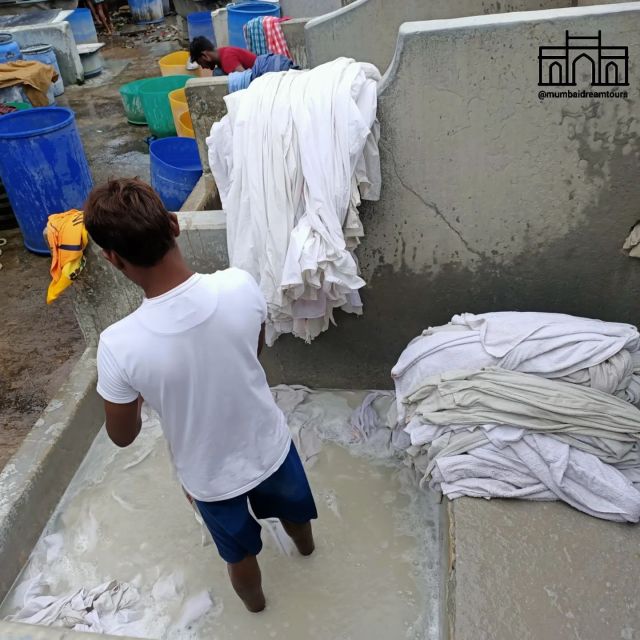
This is not presented as a self-guided photo stop. The activity includes a guide, and the language is English. That makes a difference because the setting is active and practical rather than arranged for sightseeing.
A guide can explain the history and significance of the dhobis, describe the hand-washing methods, and point out how families work together. You can also ask questions about the daily routine instead of trying to guess what each area is used for.
Rakesh has led some departures. If he is your guide, you can expect a relaxed style and help with questions. He has also taken people through narrow, dark alleys that they would not normally find on their own. That part may appeal to you if you want more than a quick view from outside.
Still, do not assume every departure will follow the same route or have the same guide. The meeting point may change with the option you select, so check the booking details before setting out.
The photography is good, but be respectful
Dhobi Ghat offers the sort of visual order photographers appreciate: repeated washing troughs, lines of clothing, and blocks of bright fabric. The colors can turn an ordinary work area into a memorable series of patterns.
I would treat the camera as secondary to the people doing the work. This is a place of employment, not a set built for visitors. Keep your attention on the explanation, avoid blocking working areas, and follow the guide’s directions about where to stand.
The strongest photographs may come from stepping back and taking in the rows of laundry rather than chasing close-up pictures. You may also find that the best part of the visit is not an image but an explanation of how a family divides the work.
Same line, a different day out:
- From Delhi: Taj Mahal and Agra Day Tour by Super-fast Train
★ 4.9 · 270 reviews - Taj Mahal Day Trip From Delhi By Superfast Train With 5* Meal
★ 5.0 · 136 reviews - Private Day Tour of Taj Mahal by India’s Fastest Train or Car – All Inclusive
★ 5.0 · 131 reviews - Taj Mahal Tour with High-Speed Train Experience – All Inclusive
★ 5.0 · 130 reviews
Adding Dharavi to the Dhobi Ghat visit
Some booking options include a Dharavi tour. Dharavi is not part of every package, so you need to select that option if you want it.
The appeal of adding Dharavi is range. Dhobi Ghat focuses on one long-running trade, while Dharavi gives you another view of Mumbai’s working communities. Taken together, the two stops can make the day feel less like a single attraction and more like a look at how the city earns, produces, and lives.
The main thing to check is time. The more elements you add, the more important the meeting point, route, and schedule become. The supplied details do not give a fixed duration for the Dharavi option, so read the exact package description before booking.
If you are mainly interested in laundry and photography, the basic Dhobi Ghat visit may be enough. If you want broader context about working Mumbai, the Dharavi option should offer more variety, provided you are prepared for a longer outing.
Adding a Mumbai train ride
A train ride is another optional extra. It can add a useful piece of everyday city life to the experience, especially if you want to see how people move around Mumbai.
The train option is not simply transport between attractions. It changes the feel of the outing. Dhobi Ghat gives you a close view of a traditional trade, while a train ride puts you into one of the city’s ordinary public systems.
The available details do not specify the route, departure time, or length of the ride. For that reason, do not book the train option expecting a particular line or station unless those details appear in your selected package.
The train add-on seems best for people who value ordinary city scenes as much as famous sights. If you want a short, focused visit, it may add more logistics than you need.
How much value do you get for $11?

At $11 per person, the basic price is modest for a guided Mumbai experience. You are paying for access to a working site, an English-speaking guide, and an explanation of a trade that is difficult to understand from a roadside glance.
The value depends heavily on duration. One booking was confirmed for one hour but ended after roughly 10 minutes. That is a serious concern, especially if you are paying the equivalent of about £14 or 1,400 rupees, as one customer did.
This does not mean every departure is that short. Other feedback describes a full and interesting visit, including the washing history and a train ride. But the conflicting experience gives you a clear booking tip: confirm the expected length, meeting point, and exact add-ons before you commit.
At the listed $11 price, I would consider the basic tour good value if you receive a proper guided visit. The optional Dharavi and train elements may improve the value if they are clearly included and fit your schedule. The price alone cannot tell you that.
Timing and the meeting point matter
The meeting point may vary according to the option booked, and the activity ends back at the meeting point. That sounds simple, but it matters in Mumbai, where a wrong starting location can cost you valuable time.
Read the meeting instructions closely. If you add Dharavi or the train ride, check whether the whole experience begins and ends at the same place as the basic Dhobi Ghat visit.
The listed information does not provide one fixed departure point or a standard duration for every package. I would allow extra time around the booking rather than scheduling an important connection immediately afterward.
This is also where the short-tour complaint becomes useful. Ask what is included in the time you are buying. Is the stated period for the whole package, the Dhobi Ghat portion, or transport as well? A clear answer can prevent a poor-value day.
Who will enjoy this experience most?
I would recommend the basic Dhobi Ghat visit to you if you like working neighborhoods, local trades, photography, and guided walks with a clear subject.
It suits first-time visitors who want a short cultural stop that is different from monuments and shopping streets. It also works for repeat visitors who have already seen Mumbai’s major landmarks and want a closer look at daily work.
Families may find the washing process easy to understand, though the setting is active rather than polished. Photographers should enjoy the repeated lines and colors, but they need to put respect before the picture.
The add-on options suit you if you want a broader city experience. Dharavi adds another working community, while the train ride adds ordinary public transport. You should skip the extras if you need a tightly timed visit or if the package details are not clear enough.
What I would check before paying
Before booking, I would confirm five things:
- The exact duration of the Dhobi Ghat portion
- Whether Dharavi is included or costs extra
- Whether the train ride is included in your selected option
- The exact meeting point and end point
- Which guide and language are scheduled
The experience is listed in English. Rakesh has guided some tours, but you should not assume he will lead every departure.
You can reserve and pay later, which is useful if your Mumbai plans are still changing. Cancellation is available up to 24 hours in advance for a full refund, so the booking has some flexibility. That does not remove the need to check the package details, especially the duration.
My verdict on the Dhobi Ghat experience
You should book this if you want a close, guided look at a real Mumbai trade and you value explanation over spectacle. The Dhobi Ghat itself is the strongest part: colorful, unusual, and still tied to hand work after more than a century.
I especially like the chance to understand the full process, from washing in the troughs to drying and pressing with charcoal irons. The Dharavi and train options can make the outing more useful, but only if their timing and inclusions are clear.
I would not book without confirming the length of the visit. The very low price is attractive, yet a 10-minute tour would not be fair value. If the operator confirms a proper guided hour, the basic Dhobi Ghat tour is a worthwhile addition to a Mumbai itinerary.
FAQ
Where does the tour take place?
The main visit takes place at Mahalaxmi Dhobi Ghat in Mumbai, Maharashtra.
What will I see at Dhobi Ghat?
You can see clothes being washed, dried, sorted, and pressed. Much of the work is done by hand, although some dhobi families also use machines.
How long has Mahalaxmi Dhobi Ghat operated?
The facility has been operating for more than a century.
Is a guide included?
Yes, the Dhobi Ghat tour includes a guide. The listed tour language is English.
Is Dharavi included in every booking?
No. Dharavi is an option, so you need to choose a package that includes it.
Is the train ride included in every booking?
No. The train ride is available only with the relevant selected option.
Where does the activity end?
The activity ends back at the meeting point. The meeting point may vary depending on the option you book.
Can I cancel for a refund?
Yes. You can cancel up to 24 hours in advance for a full refund. You can also reserve your place and pay later.
Just added for rail travellers in India
- Taj Mahal & Agra Tour From Delhi By Fastest Train★ 5.0 · 7 reviews
- Private Tajmahal Day Tour From New Delhi By Gatiman Express Train★ 5.0 · 14 reviews
- Taj Mahal and Agra Tour By India’s Fastest Train★ 5.0 · 2 reviews
- From Delhi: Taj Mahal & Agra Tour by Gatimaan Express Train★ 5.0 · 11 reviews
- Taj Mahal and Agra Fort Tour By Fastest Train – Gatiman Express★ 5.0 · 2 reviews
- Enchanting Taj Mahal Same Day Tour by Gatiman Train From Delhi★ 5.0 · 4 reviews
- Taj Mahal Tour by Gatimaan Express Train With Lunch At 5 Star Hotel★ 5.0 · 8 reviews
- Taj Mahal & Agra Fort Visit by Gatimaan Express Train★ 5.0 · 4 reviews
Mumbai Train Journeys, compared.
Dabbawala, Dhobi Ghat & Dharavi slum Tour with Local Train Ride
Read our review →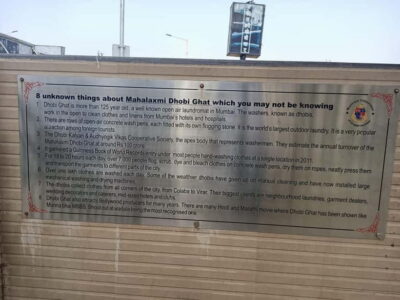
Primmum Mumbai Sightseeing With Local Train Ride Experience
Read our review →
Mumbai City + Dabbawala aka Lunchbox + Train Ride Tour – The Unfeigned Mumbai.
Read our review →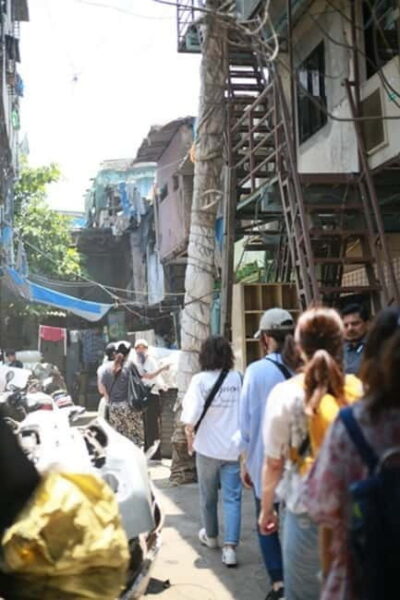
Dhobi Ghat Laundry and Dharavi Slum Tour with Local Train
Read our review →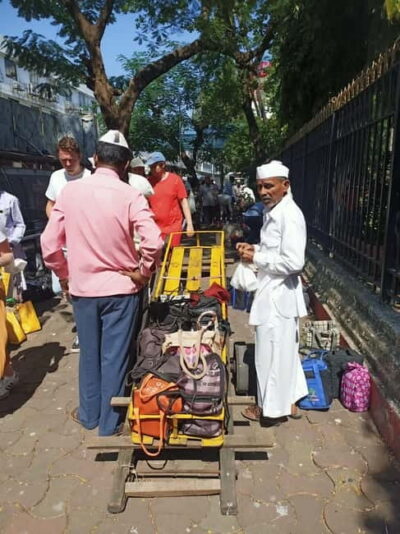
Best Combo Tour: Dabbawalas, Dhobi Ghat and Slum with Train
Read our review →
Mumbai Unseen: Local Train Ride And Sightseeing Tour
Read our review →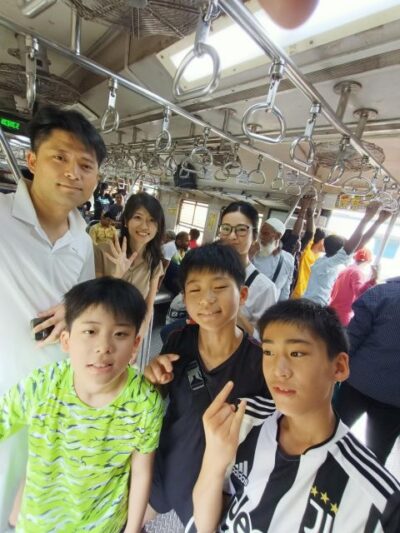
Dabbawaala Dhobi Ghat Dahravi slum With Local Train Ride
Read our review →Browse the lists this tour appears in