
Review · ROME TRAIN JOURNEYS
Pompeii & Herculaneum by Train from Rome with Pizza Lunch
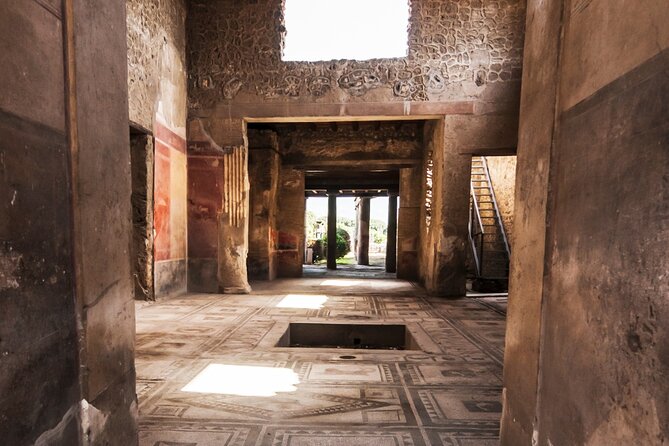
Pompeii and Herculaneum make an unusually strong pair. Pompeii shows the scale of a Roman city, while smaller Herculaneum brings you closer to daily life, with wooden structures, frescoes, and homes preserved by the eruption of Mount Vesuvius in AD 79. Reaching both from Rome in one day is made practical by the fast train to Naples.
I like two things right away: the high-speed rail saves hours on the road, and the guides give the ruins meaning instead of leaving you to stare at broken walls. Guides such as Ida, Paola, Ciara, Luda, and Vincenzo have been singled out for their storytelling and archaeological knowledge. Lunch is also more generous than the title suggests, usually a full meal rather than pizza alone.
The catch is simple: this is an 11-hour day with a lot of walking on uneven ancient streets. Pompeii alone can drain your energy, especially in July or August. If you have bad knees, limited mobility, or trouble with heat, this may be too demanding.
Key points to know before booking
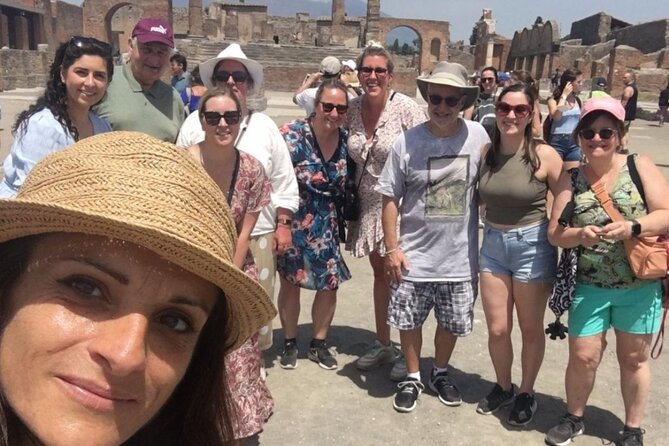
- High-speed train from Rome: Travel from Termini to Naples in about 1 hour and 10 minutes, rather than spending much of the day on a coach.
- Two archaeological sites in one day: See Pompeii’s broad city plan, then compare it with the smaller, better-preserved remains of Herculaneum.
- Guides who bring the ruins to life: The strongest part of the day is the site guiding, with several guides described as archaeologists or site specialists.
- A real sit-down lunch: Expect antipasti, a Naples-style pizza or another menu choice, dessert, and one drink.
- Small maximum group: The tour allows up to 18 people, with some departures much smaller.
- Serious walking required: Bring water, wear firm shoes, and think carefully about summer heat and uneven paving.
Why the fast train makes this day trip work
At $279 per person, this is not a cheap outing. It is, however, a sensible way to visit Pompeii and Herculaneum while staying in Rome. The price includes round-trip high-speed rail, local transport, entry to both archaeological sites, a full guide service, and lunch.
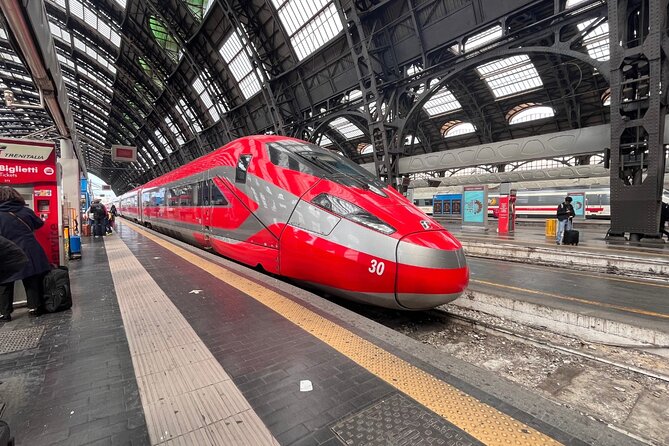
The train is the key. You meet the tour representative at Caffè Vergnano near Rome Termini at 8:00 a.m. The representative helps you board the correct train and, in some cases, makes sure people in the same booking sit together. That support matters because Termini is large, and its signs can be confusing if you do not know the station.
The ride to Naples takes about 1 hour and 10 minutes. That is fast enough to make a full day at the ruins possible without turning the trip into an overnight stay. You can sit back and watch the countryside pass by, then meet another guide at Napoli Centrale.
The train arrangement is also more comfortable than a long coach ride from Rome. There is no need to navigate the Naples transport system on your own, either. An air-conditioned minibus takes you from the station to Pompeii, and later returns you to Naples after Herculaneum.
The only part to handle carefully is the meeting process. You may work with one representative in Rome, another guide in Naples, and a site guide for the archaeological areas. The instructions are generally clear, but keep your phone charged and read the final electronic details sent before the date. A delayed local coach has occasionally affected the timetable, though the staff arranged another vehicle when needed.
More Lunch Experiences in Rome:
- Rome to Pompeii Guided Tour with Wine & Lunch by High Speed Train
★ 5.0 · 1,379 reviews - Rome: Pompeii Tour with Wine and Lunch by High Speed Train
★ 4.8 · 485 reviews - Pompeii and Naples Tour from Rome by Train with Lunch
★ 5.0 · 218 reviews
Pompeii: a city large enough to overwhelm
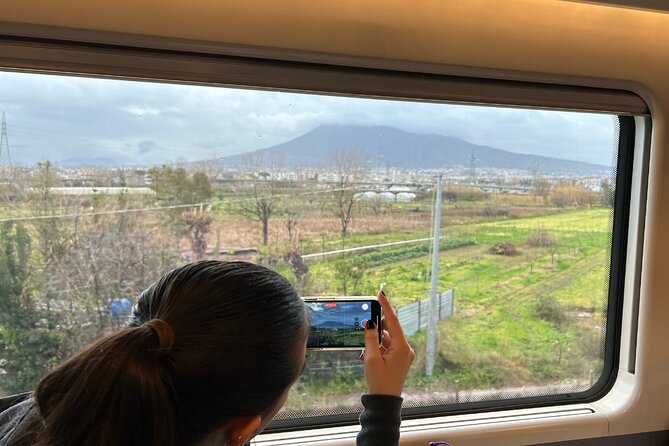
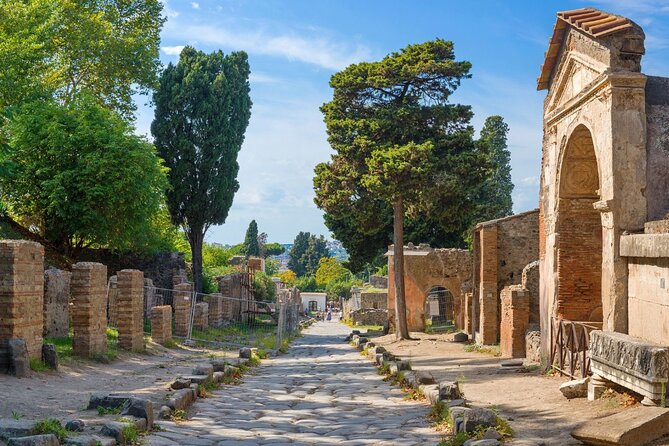
Pompeii is the first major stop, with about two hours inside the archaeological park. That sounds generous until you see the size of the place. The ancient city covers a broad area, and even a guided visit can show only a portion of it. One guide estimated that a highlights tour reaches roughly 25 percent of the site.
That is not a flaw in the tour. It is a reminder that Pompeii is far too large to understand in one quick visit. A guide helps you spend those two hours well, focusing on streets, public buildings, houses, theaters, and other areas that explain how Roman city life worked.
The eruption of Vesuvius buried Pompeii in AD 79. The site matters not only because of the disaster, but because the burial froze so many ordinary details in place. You see the layout of a functioning city rather than a single isolated monument. With a good guide, walls, shops, courtyards, and public spaces become part of a story about work, status, leisure, religion, and home life.
This is where the quality of your guide makes the largest difference. Ida is praised for archaeological detail and a friendly manner. Paola is described as lively and exceptionally well informed. Ciara is noted for choosing less crowded corners of the site and for explaining the arena and theater. Other guides, including Felicia, Luda, and Franchesca, have worked or lived near the sites, which gives their explanations a local connection.
Expect uneven paving stones, exposed areas, and long periods on your feet. Shade can be limited. In hot weather, your guide may try to keep the group under cover, but there is only so much relief available in an open archaeological park.
A generous lunch near Pompeii
After Pompeii, you stop at a historic pizzeria in the Pompeii area. The meal is presented as pizza lunch, but the included menu is more substantial: typical starters, a Naples-style pizza, dessert, and one drink.
The meal may vary in its exact choices. Some departures have included pasta, salad, beer, tiramisu, gelato, or other menu options. One useful detail is that the restaurant has accommodated gluten-free needs when notified in advance. If you have a dietary restriction, tell the operator before the tour rather than relying on a last-minute request.
Lunch gives your legs a break at the right moment. Pompeii takes energy, and the following visit to Herculaneum is still ahead. The meal is not simply a quick slice eaten while standing. It is intended as a proper pause with several courses, which helps explain part of the tour’s value.
Service and seating can be a little untidy when several groups arrive together. You may need to ask where your table is. That is a minor inconvenience, but it is worth knowing so you do not expect a quiet, perfectly choreographed restaurant experience.
The food has generally been a strong part of the day, though not every meal has impressed equally. Think of lunch as a pleasant included extra, not the main reason to book. The ruins and guide work are the real draw.
Herculaneum: smaller, quieter, and more intimate
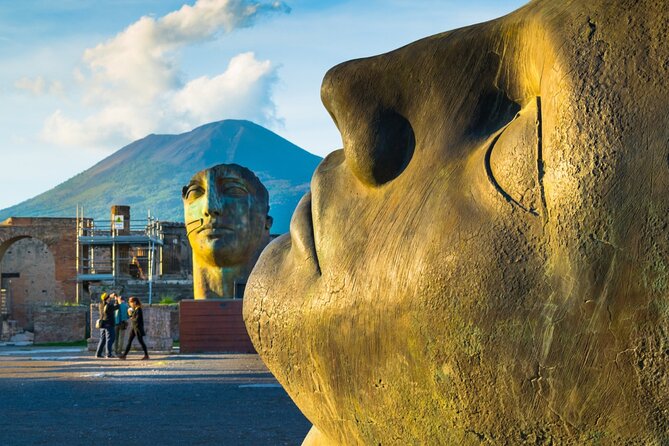
After lunch, the minibus takes you back toward Naples and then on to Herculaneum. The archaeological park receives about two hours of guided time.
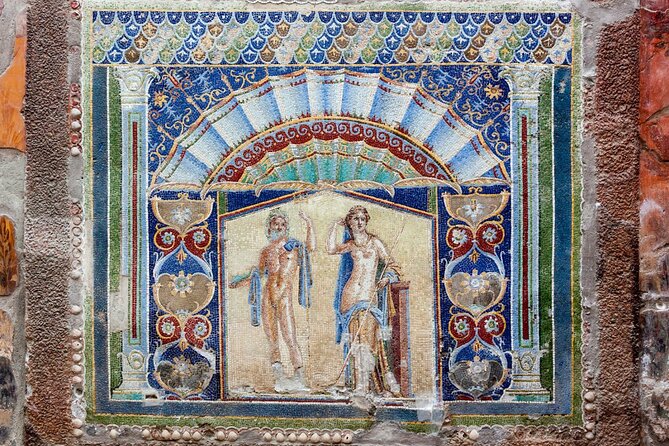
Herculaneum was less than half the size of Pompeii, and that smaller scale changes the experience. Pompeii gives you the feeling of a Roman city extending in every direction. Herculaneum feels more compact and personal, with houses, decorated rooms, wooden features, and frescoes that can make ancient life seem startlingly close.
The two sites complement one another. At Pompeii, you learn how the city was organized. At Herculaneum, you can pay closer attention to the finish of private buildings and the materials people used. The preserved wooden structures are especially important because wood normally disappears over time, leaving far less evidence of how Roman interiors actually looked.
Herculaneum is also a useful second act. After Pompeii’s size and crowds, the smaller site can feel calmer. One guide described it as peaceful and less crowded, especially in very hot weather. That does not mean the visit is effortless. You still walk over uneven ground, and two hours is enough time to see key areas without covering every corner.
If you have already visited Pompeii, Herculaneum may be the part that adds the most. If you have never seen either site, Pompeii will probably make the bigger first impression, while Herculaneum may leave the sharper memory of individual rooms and objects.
The order does create one practical issue. If you have limited stamina, you might prefer to see Herculaneum first, but the planned route visits Pompeii before lunch and Herculaneum afterward. One person with bad knees chose to remain on the bus rather than attempt Herculaneum after Pompeii. That is a clear warning for anyone with walking problems.
More Train Journeys in Rome:
- Venice Day Trip from Rome by High-Speed Train with Happy Hour
★ 4.5 · 445 reviews - From Rome: Day Trip to Venice by High-Speed Train
★ 4.6 · 352 reviews - Rome to Florence: High-Speed Train Day Trip with Guided City Tour
★ 4.0 · 235 reviews - From Rome: Pompeii and Naples Day Trip by High-Speed Train
★ 4.7 · 234 reviews
Guides are the heart of the experience

The transport is efficient, but the guides determine how much you take away. The best ones do more than list dates and names. They connect the streets, homes, shops, theaters, and public spaces to the people who used them.
Vincenzo has been praised for energetic storytelling, especially on a cold and rainy day when a long outing could easily have become tiring. Ida has been described as both precise and personable. Paola has a gift for answering questions and keeping the group comfortable. Felicia’s experience restoring parts of the sites adds another layer, while Luda’s work as an archaeologist gives her explanations practical authority.
Guides also manage the mechanics of a large open-air site. They keep the group together, choose useful stopping points, and adjust the pace when weather or crowds make a route harder. A small group of 11, or an even smaller departure, makes it easier to hear and ask questions. The maximum group size is 18, which is still manageable compared with a large bus tour.
You should not expect every guide to have the same personality. Some may focus more on archaeology, others on stories and everyday life. The consistent benefit is having a trained person interpret a complicated site in real time.
What the 11-hour schedule feels like
The day starts at 8:00 a.m. and ends back at the Rome meeting point after the return train. The schedule includes the train south, two coach transfers, two guided site visits, lunch, and the train back. That is a lot to fit into one day.
The timetable works because the high-speed train cuts the Rome to Naples journey to about 1 hour and 10 minutes each way. The local coach rides take roughly 30 minutes each. You do not spend the day changing trains or trying to find separate tickets for Pompeii and Herculaneum.
Still, efficient does not mean relaxed. You need to be ready at the start, move with the group, and accept that the day has a fixed rhythm. A delayed coach, a crowded entrance, or a slow lunch can reduce free time. This is a guided highlights visit, not a leisurely archaeological study.
Bring a refillable water bottle if possible. Water refill stations are available at the sites, and heat can be severe. Wear shoes that can handle ancient paving stones. A hat and sun protection are sensible in summer, while a light rain layer helps in cooler months.
The tour operates in English. Confirmation is provided at booking, though essential travel documents and final details may arrive electronically closer to the date.
Who gets the best value from the $279 price
I see the price as reasonable for someone who wants both sites but does not want to manage the details alone. Separate train planning, local transfers, admission, a guide, and lunch would take time and organization. Here, the tour representative helps you leave Rome, a guide meets you in Naples, and the coach handles the southern Italy transfers.
The price is less attractive if you want a slow visit or already understand both sites well. You may prefer independent entry if you want to spend a full day at Pompeii, return to a favorite house, or skip Herculaneum. The guided route gives you interpretation and efficiency, but it also sets the pace.
It is especially good value for first-time visitors based in Rome who regard Pompeii as a priority. Families can benefit from the stories and structure, and history-minded visitors may appreciate guides with archaeological experience. The train also makes the journey less tiring than an all-road excursion.
I would be cautious about booking for anyone with serious walking limits. Pompeii used up one visitor’s reserves before Herculaneum, and that experience is easy to understand. The tour asks you to walk for hours on uneven surfaces, often in open sun, with no easy way to shorten the planned route.
Should you book this Pompeii and Herculaneum day trip?
Book it if you want to see both sites from Rome in one day, value an expert guide, and are comfortable with a demanding schedule. The fast train, local coach, skip-the-line entry, and included meal remove much of the planning burden.
The strongest reason to choose it is the pairing of Pompeii and Herculaneum. You get the large civic picture at Pompeii and the more intimate remains at Herculaneum, with guides such as Ida, Paola, Ciara, or Vincenzo helping you understand the difference.
Skip it if you need a gentle day, dislike fixed schedules, or want to explore Pompeii at your own pace. For everyone else, this is an efficient and unusually full way to reach two of Italy’s most important archaeological sites while staying in Rome.
FAQ
Where does the tour start in Rome?
The meeting point is Caffè Vergnano, Mychef rist. comm. S.p.A., on Via Marsala near Rome Termini. The scheduled start time is 8:00 a.m.
How long is the train ride from Rome to Naples?
The high-speed train takes about 1 hour and 10 minutes from Rome to Napoli Centrale. The return train to Rome takes about 1 hour.
Are Pompeii and Herculaneum entry tickets included?
Yes. Skip-the-line admission to both Pompeii Archaeological Park and Herculaneum Archaeological Park is included.
What is included in lunch?
Lunch includes typical starters, Naples-style pizza, dessert, and one drink. Some meals may offer other menu choices, such as pasta or salad.
How much walking is required?
The tour requires a moderate level of physical fitness and includes extensive walking over archaeological sites with uneven surfaces. Pompeii and Herculaneum are not suitable for a relaxed, low-walking day.
What happens if I need to cancel?
You can receive a full refund if you cancel at least 24 hours before the local start time. Cancellations or changes made less than 24 hours before the start are not accepted for a refund. If poor weather causes the operator to cancel, you will be offered another date or a full refund.
Just added for rail travellers in Rome
- From Rome: Pompeii and Herculaneum Tour w/ High-speed Train★ 4.8 · 92 reviews
- From Rome: Florence & Tuscany Day Tour by High-Speed Train★ 4.6 · 126 reviews
- From Rome: Pompeii and Herculaneum by High-Speed Train★ 4.9 · 132 reviews
- From Rome: Pompeii Ruins Tour with Expert Guide & Fast Train★ 4.2 · 158 reviews
- Amalfi Coast Day Trip from Rome by High-Speed Train★ 4.5 · 162 reviews
- From Rome: Pompeii and Naples Day Trip by High-Speed Train★ 4.7 · 234 reviews
- Rome to Florence: High-Speed Train Day Trip with Guided City Tour★ 4.0 · 235 reviews
- Pompeii and Naples Tour from Rome by Train with Lunch★ 5.0 · 218 reviews
Rome Train Journeys, compared.

Pompeii Tour with Wine and Lunch by High Speed Train
Read our review →
Venice Day Trip from Rome by High-Speed Train with Happy Hour
Read our review →

Rome to Florence: High-Speed Train Day Trip with Guided City Tour
Read our review →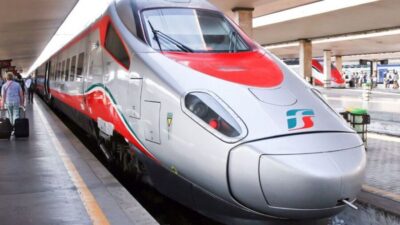
Pompeii and Naples Day Trip by High-Speed Train
Read our review →
Pompeii and Naples Tour from Rome by Train with Lunch
Read our review →
Amalfi Coast Day Trip from Rome by High-Speed Train
Read our review →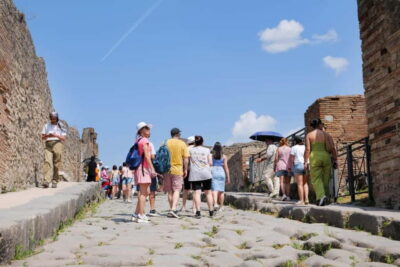
Pompeii Ruins Tour with Expert Guide & Fast Train
Read our review →Browse the lists this tour appears in