
Review · NEW ZEALAND TRAIN JOURNEYS
Ultimate self-drive rail car journey
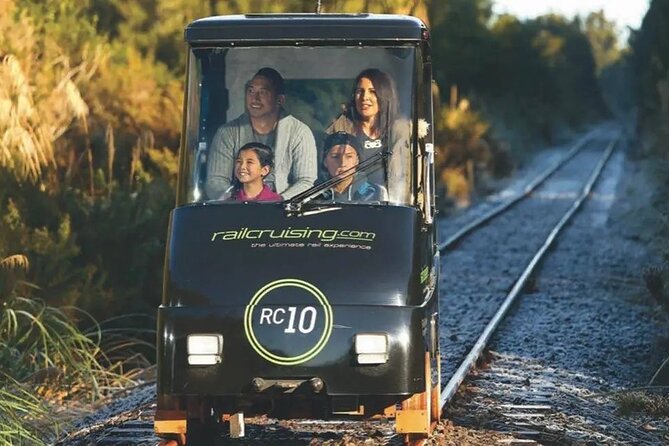
Rotorua’s old railway line becomes your route through native forest, farmland, and open country on this unusual self-drive rail car journey. You sit low to the rails, moving at an easy 20 km/h, with clear views through the waterproof sides and room for up to four people in each car.
I like the varied scenery and the quiet pace. I also like the audio commentary, which comes on when useful rather than filling every minute with talk. The main catch is the name: the rail cars are automatic, so you are not really steering or controlling the vehicle yourself.
The journey is about two hours and costs $46.54 per person. It suits families, couples, and anyone who wants a gentle outing with a bit of railway history. A bingo sheet, if you pick one up before leaving, can turn the ride into a simple wildlife hunt for children and adults alike.
Key points to know before you go
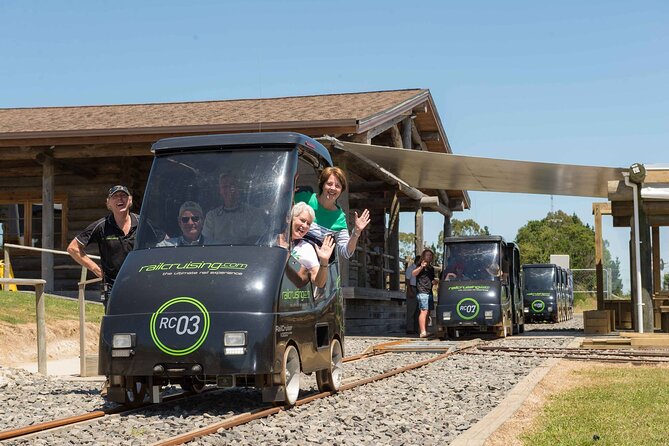
- You ride a disused railway line: The route uses an old rail corridor between Ngongotahā and Mamaku, giving you a view of Rotorua that roads do not provide.
- The cars move at about 20 km/h: This is a slow, relaxed outing, not a fast thrill ride.
- You pass ancient native forest: The line runs through Ohokeriki, also called Dansey Road Scenic Reserve, with old rimu and tawa trees.
- The route includes Lake Rotorua and Mount Tarawera views: Open stretches provide the best chances for wide views across the region.
- The car fits up to four people: It is especially handy for a small family or private group.
- The ride is automatic despite the name: Think of it as a self-contained rail vehicle experience, not a driving lesson.
Riding the rails from Ngongotahā
You begin at Rotorua RailCruising on Ngongotaha Road in Ngongotahā, about 10 minutes from central Rotorua by car according to the meeting point details provided for the activity. The station is the practical starting point, where you receive a short safety briefing before staff place you on the track.
The cars are petrol-electric rail vehicles with comfortable seating and waterproof sides. That design matters in Rotorua, where weather can change quickly. You still get clear views, but you are not sitting fully exposed to wind or light rain.
Each car can hold up to four people, and the activity is private for your own group. That gives the outing a more relaxed feel than a large sightseeing coach. You can sit with your family or friends, talk without competing with a crowd, and pay attention when the audio tour points out something along the line.
The ride is not physically demanding. Most people can take part, and service animals are allowed. The experience is also listed as pet friendly, though you should confirm any pet arrangements when booking if that matters for your group.
One useful expectation to set early: you do not truly drive the car. The rail vehicle operates automatically. The title makes it sound like you will be handling a small locomotive, but the real appeal is the unusual seating position, the gentle rail journey, and the chance to see the countryside from an old railway corridor.
More Train Journeys in New Zealand:
- Northern Explorer Train Journey from Wellington to Auckland
★ 4.0 · 513 reviews - TranzAlpine Train, Arthur’s Pass and Castle Hill Day Trip
★ 5.0 · 426 reviews - Coastal Pacific Train Journey from Picton to Christchurch
★ 4.5 · 345 reviews
Rolling farmland and the first railway stories
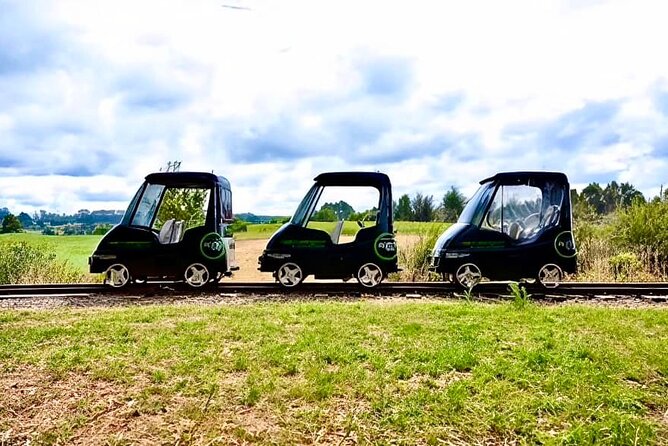
Once you leave the station, the route opens into rolling farmland and rural views around Rotorua. At 20 km/h, you have time to notice details that disappear from a moving car. The pace also makes it easy to look both ahead and to the sides, particularly when the route passes open fields.
The audio commentary adds context without taking over. It explains railway history and points out notable places along the route. John, one of the local staff members mentioned in connection with the ride, is praised for his local railway knowledge. That sort of local detail helps turn a slow journey into more than a scenic transfer.
The line passes the former Tarukenga Station site. There is no working station here now, but the stop remains part of the story of the old railway route. Nearby is Toi te Whenua, a 5.5-meter aluminium sculpture beside the road. It greets people entering Rotorua from the Waikato side, so keep an eye out as you pass this section.
The route also goes near Tarukenga Marae, a Te Arawa marae linked with Ngāti Te Ngākau and Ngāti Tura hapū of Te Urewera. The commentary helps explain the place, but you should treat it with respect and avoid assuming that passing by gives you access. This is a viewing point from the railway, not a stop for visiting the marae.
Through Ohokeriki native forest
The most memorable stretch for many people is the passage through Ohokeriki, also known as Dansey Road Scenic Reserve. This 468-hectare native forest area lies west of Ngongotahā and is known for old rimu and tawa trees, native biodiversity, and conservation work.
The railway gives you a particularly calm way to experience this section. You are not walking a track or stopping for a formal forest tour. Instead, the car moves slowly through the trees, letting you watch the forest change as the line bends and runs between dense stands of native vegetation.
I would keep your eyes open for wildlife, especially if you enjoy small spotting games. One especially good tip is to ask for the bingo sheet at the beginning. It includes things to look for along the route, such as deer and roosters. The sheet gives children a reason to scan the trees and fields, and it adds a little purpose to stretches where the scenery is peaceful rather than dramatic.
The forest portion also shows why the low speed works. At a faster pace, you would get a quick impression of trees and shadows. At 20 km/h, you have a chance to watch for changes in vegetation, old railway equipment, and movement in the surrounding bush.
Still, this is not a dedicated wildlife safari. The animals are not guaranteed, and the forest is viewed from the rail car rather than explored on foot. If you want a long forest walk, this outing will not replace one. If you want a gentle ride through native bush without committing to a strenuous activity, it fits well.
Reaching Mamaku Station
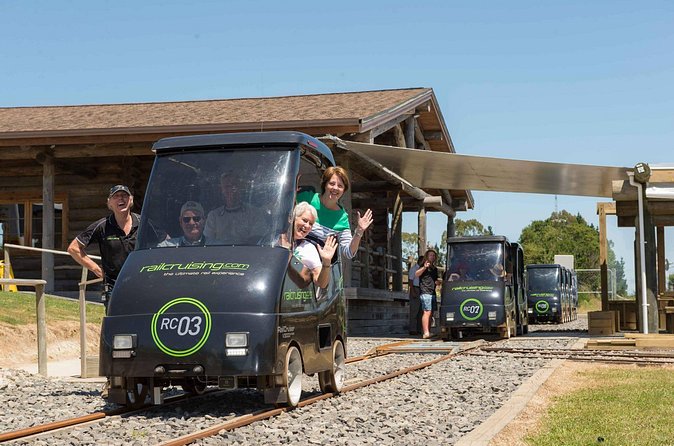
Mamaku is the turning point and the main pause in the journey. The station occupies the site of the original Mamaku railway station, giving the stop a direct link to the line’s past.
You get out here and can spend time inside the attractive log cabin. The break lasts about 20 minutes, making it long enough to stretch your legs and look around without turning the trip into a full stopover. The cabin gives the journey a physical sense of place. You are not simply riding to an arbitrary turnaround point; you are pausing at a former railway station.
Mamaku Station also has a baby changing station, a practical feature for families with young children. The activity allows most people to participate, but the pause is still useful because sitting in one position for the full journey may not suit every child.
Do not expect a large attraction complex at Mamaku. The value is in the old station setting, the log cabin, and the break from the rail car. The stop works best if you see it as a brief railway pause rather than a separate sightseeing destination.
After the break, you return along the same general route to Ngongotahā. The return gives you another chance to catch views you missed on the outward journey. It also changes the light and your perspective, particularly through the forest sections. If you took the bingo sheet, the return leg is a good time to finish checking off items.
Same line, a different day out:
- TranzAlpine Train Journey: Christchurch to Greymouth
★ 4.5 · 312 reviews - Arthur’s Pass Discovery and TranzAlpine Train – Small Group Tour
★ 5.0 · 272 reviews - Arthur’s Pass: TranzAlpine Train and Castle Hill Day Tour
★ 4.8 · 270 reviews - Northern Explorer Train Journey from Auckland to Wellington
★ 4.0 · 204 reviews
Lake Rotorua, Mount Tarawera, and open views
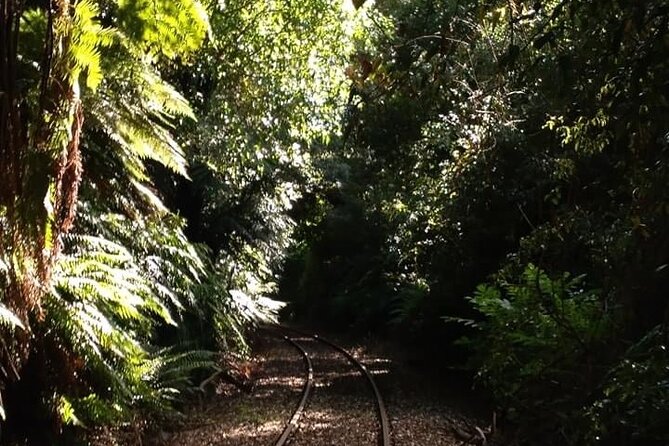
The route’s scenery shifts between enclosed forest and open country. In the more open sections, you may see across farmland toward Lake Rotorua and, in suitable conditions, Mount Tarawera.
These views are weather dependent. The activity requires good weather, and poor conditions can lead to a change of date or a full refund. Even on a scheduled day, clouds or haze can affect how much of the lake and mountain you see. That is worth keeping in mind if the views are your main reason for booking.
The open stretches are also where the waterproof sides prove useful. You can look out without sitting in an entirely exposed vehicle, and you do not need to spend the whole ride worrying about a light shower. The sides do not turn the car into a sealed sightseeing coach, so dress for Rotorua’s conditions rather than assuming you will be indoors.
I like the contrast between the forest and the open views. A trip made entirely through farmland might become repetitive. A trip made entirely through trees would offer fewer wide views. Here, the changing scenery gives the two-hour journey a natural rhythm.
Why the audio tour matters
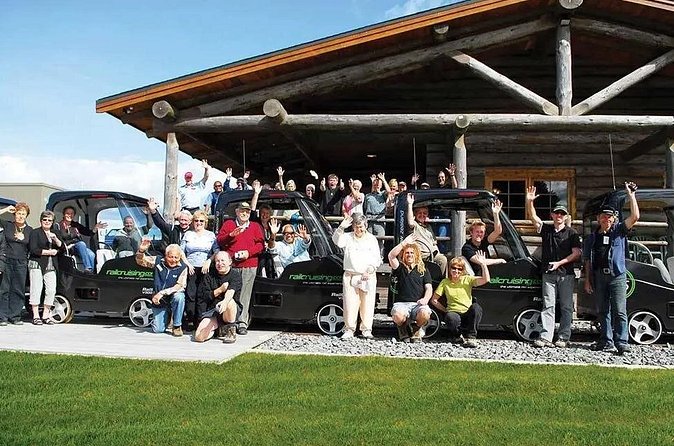
The audio tour explains the railway background and identifies points of interest along the way. The best feature is its restraint. It is not described as constant narration, and the commentary comes on when it has something relevant to add.
That approach suits this ride. You need quiet stretches to hear the click and clatter of the wheels, watch the trees, and talk with the people in your car. Then the commentary gives you a useful fact about the railway, a nearby site, or the local area.
The older railway equipment beside the track is another detail worth watching for. It gives the line a sense of its former working life. John’s local knowledge is particularly useful here, since railway history can otherwise be reduced to a few dates and station names.
This is not a full history lecture, and you should not book it expecting an in-depth museum presentation. It is a light layer of information that makes the route more meaningful. Families can listen when they want to, while adults who prefer quiet scenery are not subjected to nonstop narration.
A good family activity, with a few limits
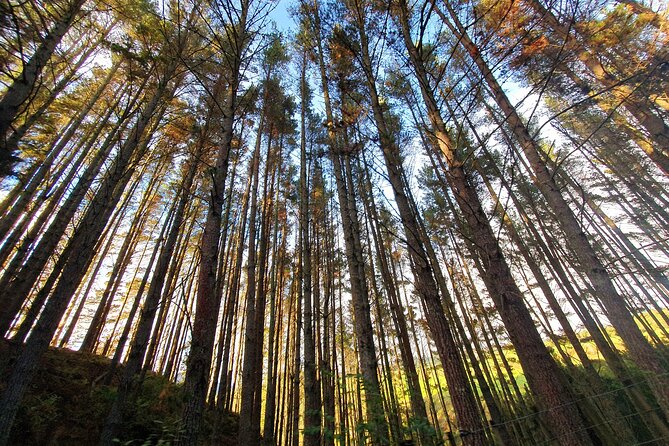
The ride works well for families because it combines movement, scenery, and a simple spotting game. Children aged 8, 11, and 13 have all been specifically accommodated on the experience, and the bingo sheet gives different ages something to do. Younger children can search for animals and objects, while older children may enjoy the railway mechanics and the history.
The private format also helps. Your group does not share the activity with a large crowd, so you can settle into your own pace. A family of four fits naturally in one car, while a couple has plenty of space.
The main limitation is the two-hour duration. For some children, two hours on a slow-moving vehicle will be ideal. For others, the steady speed and repeated scenery on the return might feel long. The Mamaku stop breaks things up, but it is only about 20 minutes.
Adults should also understand that this is a quiet outing rather than an adventure ride. There is no sharp speed, dramatic drop, or hands-on driving. The novelty comes from traveling by rail in a small car, not from physical excitement.
What the $46.54 price represents
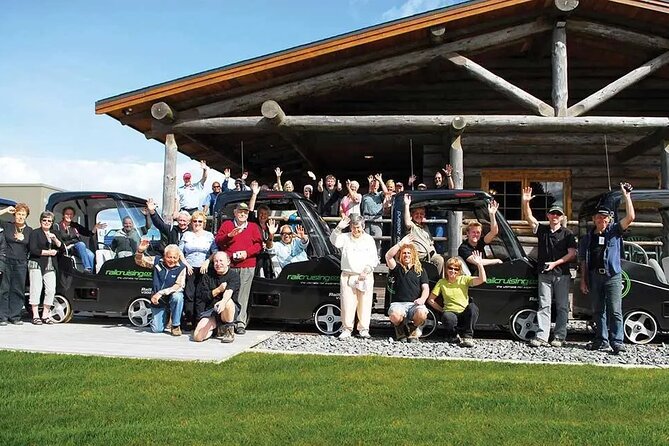
At $46.54 per person, the experience sits in the affordable-to-midrange bracket for a Rotorua activity. The value depends on what you want from a two-hour outing.
I think the price makes sense if you value a private group setting, a distinctive mode of transport, and a mix of forest, farmland, railway history, and views. You are paying for more than a short ride. The experience includes the station preparation, the return journey, the Mamaku pause, the audio commentary, and access to a railway corridor you would not normally experience this way.
It is less compelling if you want a major attraction with many activities at the destination. Mamaku is a short stop, not a full visitor center, and the ride is deliberately slow. You are paying for atmosphere, access, and novelty rather than a packed schedule.
For a family, the price also covers an outing that works across several ages. The bingo sheet can add value without extra cost, and the private car means you do not have to fit your group into a large public tour format.
Timing, weather, and practical details
The activity lasts about two hours and begins and ends at Rotorua RailCruising, 45 Ngongotaha Road, Ngongotahā, Rotorua 3010. It uses mobile tickets, and confirmation is provided at booking.
Plan to arrive ready for a short safety briefing before boarding. Since the trip operates in a small rail car, wear practical clothing and prepare for changing weather. The waterproof sides help, but they do not remove the need to dress sensibly.
Good weather is required. If the operator cancels because conditions are poor, you can receive a different date or a full refund. You can also cancel for a full refund up to 24 hours before the start time. Changes or cancellations inside that 24-hour window are not accepted, and the local start time controls the cut-off.
The activity is near public transportation, allows service animals, and is listed as pet friendly. A baby changing station is available at Mamaku. These details make the ride easier for families and people traveling with animals, but the rail car itself remains a small vehicle, so it is sensible to raise specific needs before booking.
Who should book the Rotorua rail car journey?
I would recommend it to you if you want something different from Rotorua’s better-known geothermal and adventure activities. It gives you a quieter view of the region and lets you enjoy old railway infrastructure, forest, farmland, and lake views without rushing.
Families are a strong match, especially those who like spotting games. Couples may enjoy the private, unhurried setting. Railway fans will appreciate the old stations, historic line, equipment beside the track, and local commentary.
I would think twice if you need constant action, guaranteed wildlife, or a long stop with lots to do. The ride is automatic, the speed is gentle, and the return journey follows the same rail corridor. Those are not flaws if you want a peaceful outing, but they matter if you are looking for a high-energy activity.
Should you book this Rotorua experience?
Book it if the idea of traveling through Rotorua’s countryside at rail level sounds more appealing than another fast attraction. The combination of old railway history, Ohokeriki forest, open views toward Lake Rotorua and Mount Tarawera, and a private car for up to four people makes this a distinctive half-day addition to a Rotorua visit.
Before you commit, set the right expectations. You will not actually steer the car, the route moves slowly, and Mamaku is a brief station stop rather than a major destination. If you accept those limits, the $46.54 price buys a calm, unusual, and family-friendly way to see the region.
FAQ
Where does the rail car journey start?
The activity starts at Rotorua RailCruising, 45 Ngongotaha Road, Ngongotahā, Rotorua 3010, New Zealand.
Where does the journey finish?
The activity ends back at the same meeting point in Ngongotahā.
How long does the experience last?
The full journey lasts approximately two hours.
How much does the experience cost?
The listed price is $46.54 per person.
How many people can sit in one rail car?
Each petrol-electric rail car has space for up to four passengers.
Do you actually drive the rail car?
The rail cars operate automatically. Although the experience is called self-drive, you do not directly control the vehicle.
What speed do the rail cars reach?
The rail cars travel at a leisurely speed of about 20 km/h.
What will you see along the route?
The route includes rolling farmland, native forest, old railway sites, views toward Lake Rotorua and Mount Tarawera, the former Tarukenga Station area, Toi te Whenua sculpture, Tarukenga Marae, and Ohokeriki or Dansey Road Scenic Reserve.
Is there a stop during the journey?
Yes. Mamaku Railcruising Station is the turnaround point. You can get out and spend about 20 minutes in the log cabin there.
Can you cancel for a refund?
You can cancel at least 24 hours before the start time for a full refund. If poor weather causes the operator to cancel, you are offered another date or a full refund.
Just added for rail travellers in New Zealand
- 2 Day West Coast Glaciers and TranzAlpine Train: Queenstown to Christchurch★ 3.0 · 3 reviews
- Queenstown to Dunedin with Taieri Gorge Train One-Way Tour★ 5.0 · 5 reviews
- Franz Josef to Christchurch Small-Group Tour W TranzAlpine Train★ 4.5 · 2 reviews
- Dunedin to Queenstown One Way Tour Including Taieri Gorge Train★ 5.0 · 6 reviews
- Captivating Railway Journey in Coromandel★ 4.5 · 36 reviews
- Arthur’s Pass with optional TranzAlpine Train (Small Group Tour)★ 5.0 · 13 reviews
- Kaikoura Whale Watch Day Tour from Christchurch including Coastal Pacific Train★ 5.0 · 6 reviews
- Taumarunui: Forgotten World Rail Cart Tour with Lunch★ 5.0 · 12 reviews
New Zealand Train Journeys, compared.
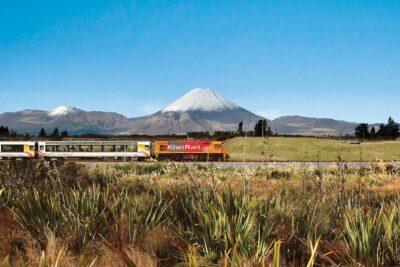
Northern Explorer Train Journey from Wellington to Auckland
Read our review →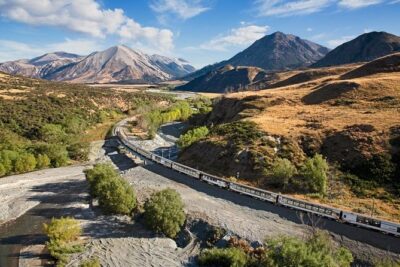
TranzAlpine Train, Arthur’s Pass and Castle Hill Day Trip
Read our review →
Coastal Pacific Train Journey from Picton to Christchurch
Read our review →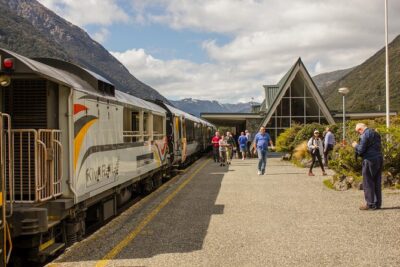
TranzAlpine Train Journey: Christchurch to Greymouth
Read our review →
Arthur’s Pass Discovery and TranzAlpine Train – Small Group Tour
Read our review →
Arthur’s Pass: TranzAlpine Train and Castle Hill Day Tour
Read our review →
Northern Explorer Train Journey from Auckland to Wellington
Read our review →
Arthur’s Pass and TranzAlpine Train Day Tour from Christchurch
Read our review →Browse the lists this tour appears in