
Review · TICKETS
Granada City Train 1 or 2-Day Hop-On Hop-Off Ticket
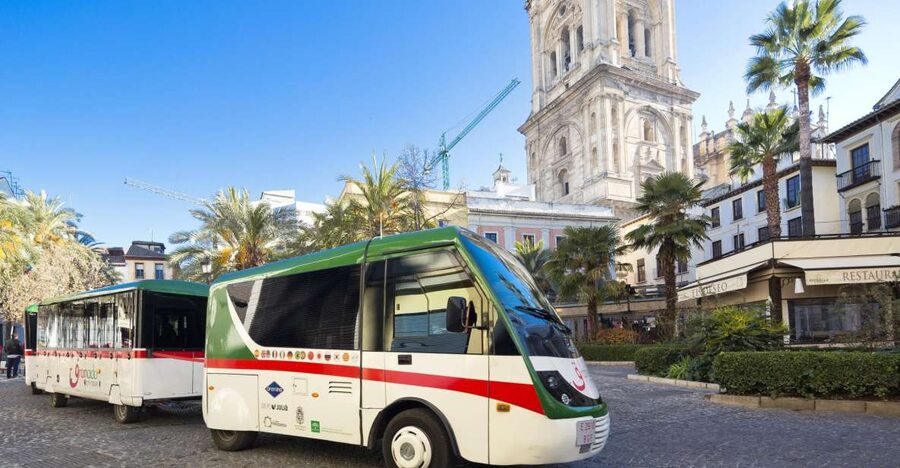
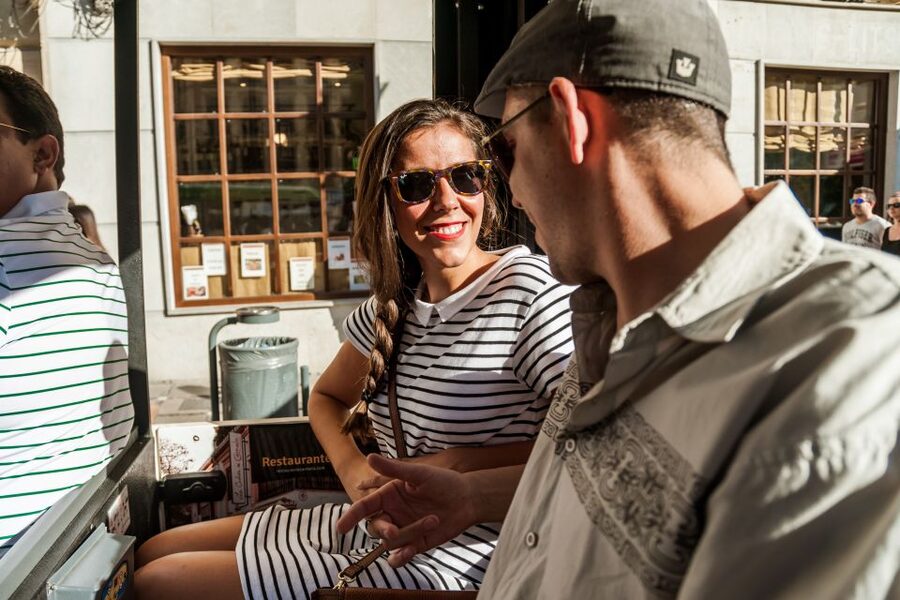
Granada’s city train is a practical way to handle the city’s hills, narrow lanes, and far-flung sights without turning every outing into a climb. I especially like the ride to the Alhambra and the chance to make a quick sightseeing circuit before deciding where to stop. The open carriage also gives you better views than a closed bus.
I like the low price and the useful audio guide in 12 languages. I also like that you can use the train for more than sightseeing, moving between places such as Plaza Nueva, the Cathedral, and the Alhambra. The catch is simple: trains can fill up, and the ride is bumpy on old cobblestones. At busy times, you may wait 30 to 45 minutes, or longer when demand is high.
Key points before you board
- The Alhambra Route is the main attraction: The green line links the historic center with the Alhambra and Generalife area.
- A full circuit takes about 1.5 hours: It gives you a useful first look at Granada before you choose where to get off.
- Trains run every 30 to 45 minutes: That is manageable on a quiet day, but waits can grow when carriages are full.
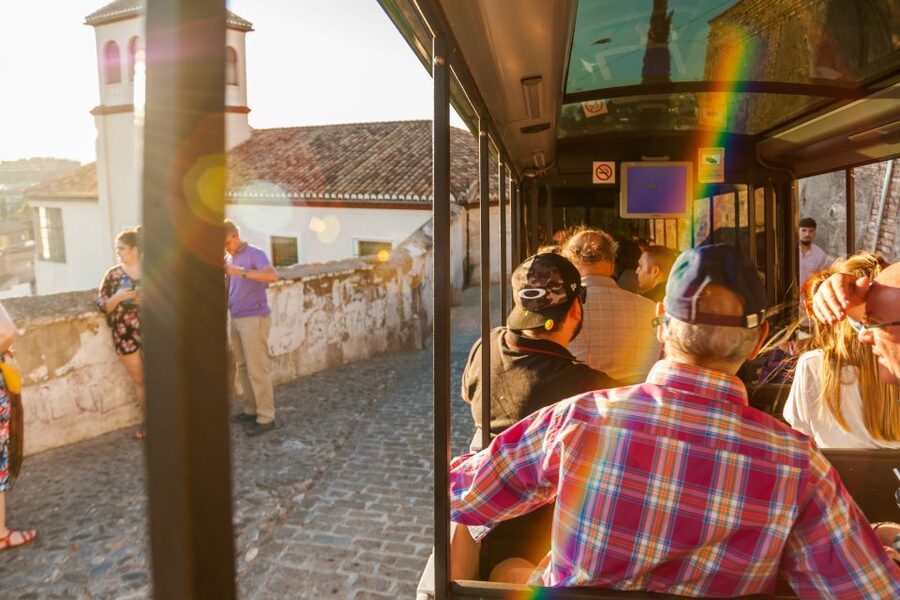
- The open carriage is part of the experience: You get broad views and fresh air, along with road noise, bumps, and sudden braking.
- Bring headphones: The audio guide is included, but headphones are not.
- Jimmy is one friendly guide to look out for: His warm, professional approach has made a good impression on passengers using the service.
Why the Granada City Train works well
Granada is not large, but it is awkwardly shaped for sightseeing. The Cathedral, old center, Alhambra, Albaicín area, viewpoints, and hilltop gardens are not all clustered together. Some streets are steep, narrow, or paved with uneven stone.
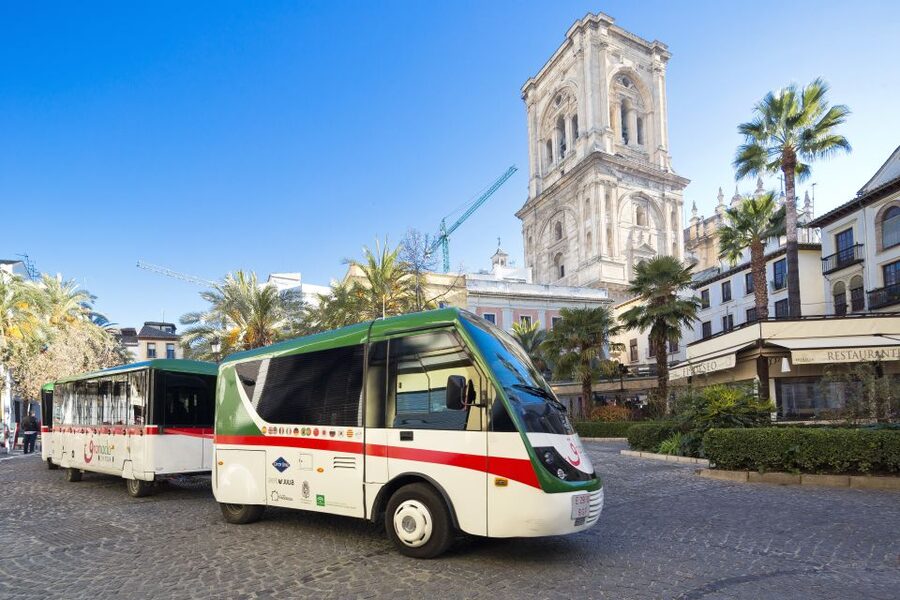
The Granada City Train gives you a simple way to connect these places. It is not a train in the railway sense. Think of it as a small road train made of open carriages, built to fit through tight streets. That makes the ride feel more like a moving city tour than ordinary public transport.
You can buy a one-trip ticket, or choose a one-day or two-day hop-on hop-off ticket. At the advertised price of about $8 per person, the value is strong if you use it for a full circuit plus several short journeys. A one-trip ticket is better if you want to see the route once, take notes, and continue on foot.
I would use it early in your stay. The first ride helps you understand Granada’s shape and shows you which sights deserve more time. After that, you can return to the places that caught your eye instead of walking around without a plan.
More Two-Day Trips in Spain:
- Cusco: Machu Picchu 2-Day Inca Trail with Panoramic Train
★ 4.9 · 260 reviews - From Hanoi: 2-Day 2-Night Sapa Tour by Overnight Train
★ 4.4 · 96 reviews - From Hanoi: Sapa Hill Tribes 2-Day Tour by Overnight Train
★ 4.4 · 62 reviews
What the green Alhambra Route includes
The route begins at the ticket office at Alhambra Generalife, listed as Stop 1. The service then links the Alhambra area with the center and several other points of interest.
The trains run every 30 to 45 minutes. That schedule is useful, but it requires patience. You cannot always assume another train will arrive in five minutes, especially on holidays, summer afternoons, or crowded weekends.
The route includes these stops:
- Alhambra Generalife, ticket office
- Alhambra, Puerta de la Justicia
- Plaza Nueva
- Alhóndiga
- Catedral and Capilla Real
- Mirador de San Cristóbal and Jardines de Zoraya
- Arco de Elvira and Hospital Real
- Calle Reyes Católicos and Plaza Isabel la Católica
- Calle Molinos and Campo del Príncipe
- Carmen de Los Mártires
The published information also refers to 12 sites along the service, but the named green-line stop list contains the 10 stops above. Check the current route details when you book, since city traffic and special events can affect service.
Starting at the Alhambra and Generalife
The Alhambra Generalife stop is a sensible starting point if you already have an Alhambra visit planned. It places you near the ticket office and gives you a way to reach the monument without tackling the uphill road on foot.
You need to understand one important point: the train ticket does not include admission to the Alhambra. It only takes you to the area. You still need a separate entry ticket if you plan to visit the palace complex, gardens, or Generalife.
The next stop, Alhambra and Puerta de la Justicia, brings you close to one of the best-known entrances to the monument. This is a good place to get off if your main goal is the Alhambra itself.
The hill route is one of the strongest reasons to buy the pass. Several people use the train as transport rather than riding every stop for sightseeing. If you prefer walking, a useful strategy is to visit the highest point first and then make your way downhill later.
From the open carriage, you get views while climbing, but the narrow road also brings sharp turns, noise, and occasional hard braking. Anyone with back problems should think carefully before booking. The ride can be uncomfortable over stone streets, even though the service is otherwise clean and well maintained.
On weekdays, there is no regular train ride to the Alhambra from 2:00 to 2:30 p.m. because municipal rules close access through Cuesta del Caidero during that period. Outside those hours, the regular route continues.
Plaza Nueva and the heart of old Granada
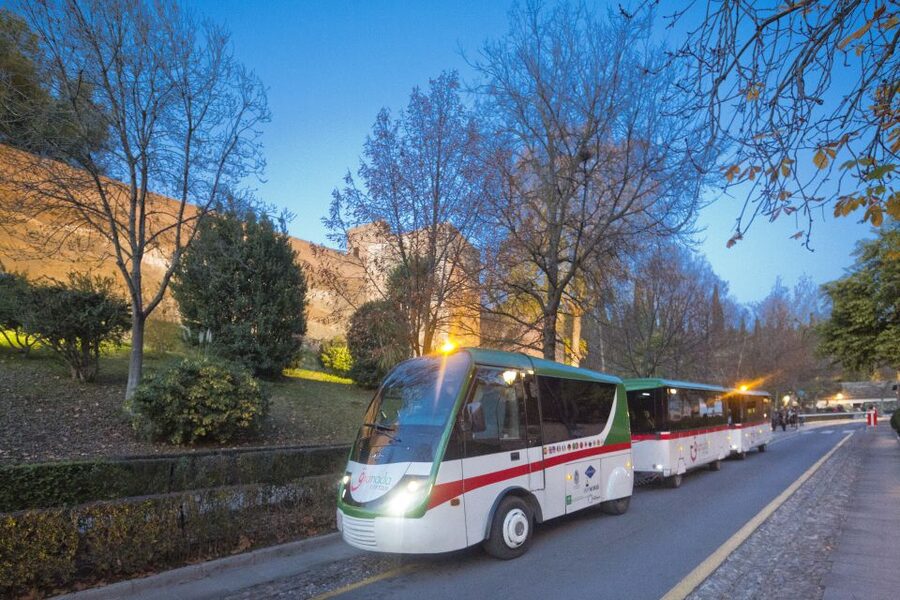
Plaza Nueva is one of the most useful stops in the center. It is Granada’s oldest square and a good place to pause for coffee before continuing. It also works well as a base for exploring nearby streets on foot.
This is where I would consider getting off even if you only have the one-trip option. The square gives you a central point for orientation, and you can continue toward the Cathedral, shopping streets, or other historic areas.
Calle Reyes Católicos and Plaza Isabel la Católica offer another central stop. It is useful if you are already near the main commercial streets or want to move between the center and the Alhambra route without walking the whole distance.
The train’s appeal here is not speed. Walking may be faster over short distances, especially when the road is crowded. The benefit is that you can rest your feet, see the streets from a different angle, and let the driver handle the tight turns.
More Tickets in Spain:
- Christ the Redeemer Entry Ticket by Corcovado Train
★ 4.4 · 4,476 reviews - Interlaken: Funicular Ticket to Harder Kulm
★ 4.7 · 1,469 reviews - Plitvice Lakes Tour: Secured Tickets, Train & Boat Ride
★ 4.5 · 802 reviews - Ljubljana: Castle Entry Ticket with Optional Funicular Ride
★ 4.3 · 718 reviews
Cathedral, Capilla Real, and Alhóndiga
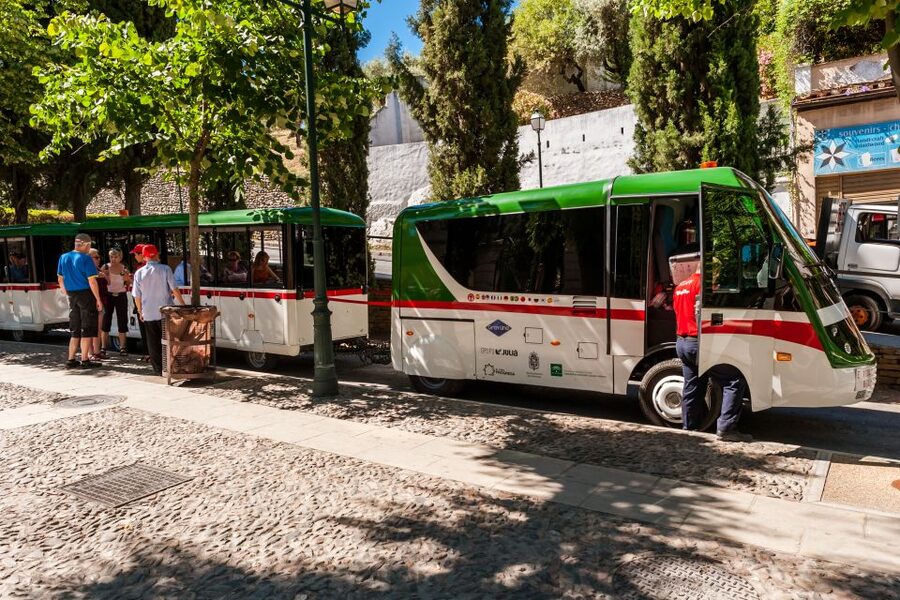
The Catedral and Capilla Real stop serves two of Granada’s major landmarks. The Cathedral is easy to spot, while the Royal Chapel adds another major historic stop close by.
This is a good area for a planned break. You can get off, visit the sights at your own pace, and later return to the stop for another train. Allow extra time if you intend to enter either building, since the train pass covers transport and commentary, not admission.
Alhóndiga adds another central stop between Plaza Nueva and the Cathedral area. It can be useful when one stop is crowded or when your walking route happens to bring you there.
The audio guide helps put the streets and buildings into context. Commentary is available in Spanish, Catalan, Chinese, English, French, German, Italian, Japanese, Arabic, Portuguese, Russian, and Korean. It is not a private guide, so do not expect an extended conversation or customized advice, but it gives you something useful to listen to as the city passes by.
Bring your own headphones. They are specifically required for the audio guide and are not included. One practical annoyance is that some booking messages may suggest collecting a physical ticket, while the email voucher may be enough to show. To avoid wasting time, keep the ticket email ready on your phone and confirm at the starting point if needed.
Mirador de San Cristóbal and the northern side
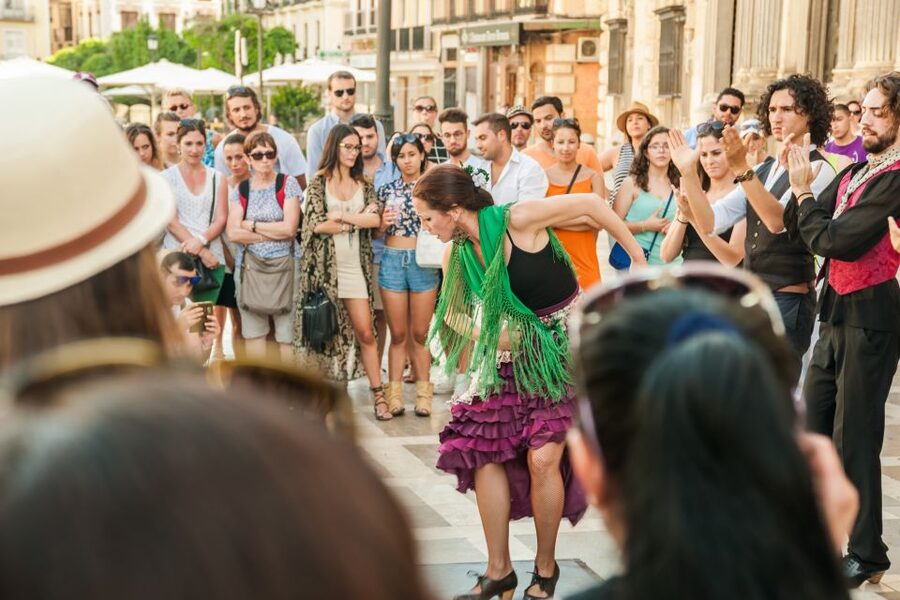
The Mirador de San Cristóbal and Jardines de Zoraya stop is one of the better choices for views. The viewpoint gives you a wider look across Granada, while the gardens offer a different setting from the busy center.
This stop is especially useful if you want photographs or a break from the main streets. One passenger singled out Stop 6 as a good place for sunset, so check the direction and operating hours before relying on the train for a late return.
The road toward this area can feel rough. Granada’s old stone surfaces are part of the city, not a fault in the train, but the open carriage does not soften every bump. I would avoid treating the ride as a smooth luxury excursion.
Arco de Elvira and Hospital Real provide another change of scenery. The arch marks one of the city’s historic entrances, while Hospital Real gives you a stop near a major institutional building. This part of the route helps show that Granada is more than the Alhambra and central shopping streets.
Campo del Príncipe and Carmen de Los Mártires
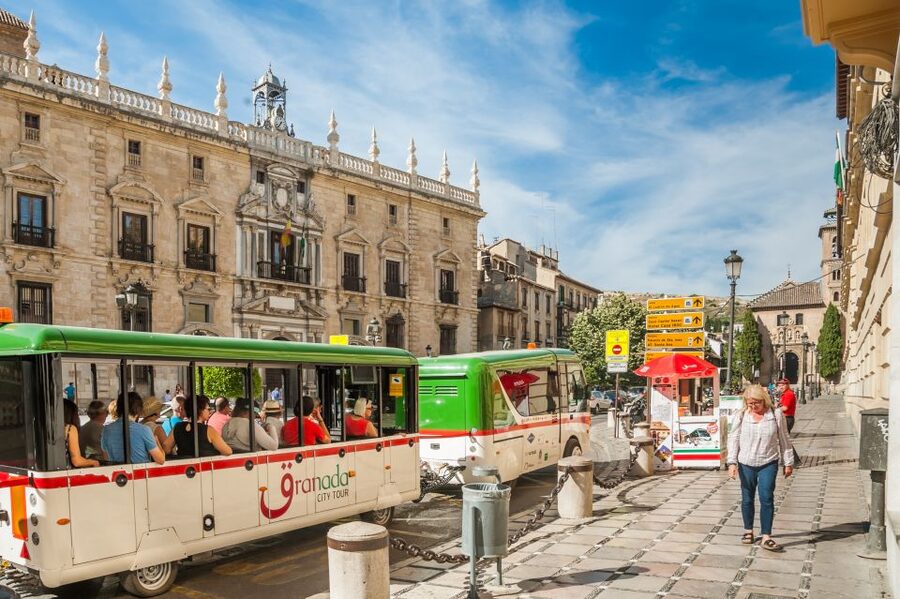
Calle Molinos and Campo del Príncipe is a good stop for seeing another side of Granada. Campo del Príncipe is associated with the Realejo area, and the stop gives you access to streets and sights away from the most obvious center.
Carmen de Los Mártires is close to the Alhambra side of the city and offers another reason to use the train for short hops. The route lets you combine this stop with the monument area without committing to a long uphill walk between them.
The train does not allow you to explore every stop fully in a single afternoon. That is the main reason a two-day ticket can be useful. You can make a complete circuit on the first day, then use the second day for selected stops.
Still, do not assume the pass works like a private vehicle. The service follows its timetable, and a full train may pass by while you wait. In busy periods, you may need to wait for the next carriage.
How crowded and comfortable is the ride?

Crowding is the main weakness. The train is popular at busy times, and passengers sometimes wait for the next departure because there are not enough seats. Holiday weekends have produced waits of more than an hour, while quieter periods can be much easier.
You can improve your odds by starting early, riding the full circuit before making stops, and avoiding the busiest part of the day. If you have a tight schedule, do not build your entire sightseeing plan around catching a particular departure.
The carriage is open, which is pleasant on a hot day and gives you better views. It also means exposure to the weather, road noise, and the rough surface beneath the wheels. Sudden braking has made some rides uncomfortable, and a carriage door has occasionally been reported as troublesome while moving. These are reasons to sit carefully and keep children close.
Strollers are allowed if they fold to no more than 35 centimeters in height and 55 centimeters in width. You should be ready to fold the stroller before boarding.
The drivers are generally helpful and courteous, and staff can assist with the route. One named guide, Jimmy, has been praised for being friendly, professional, and informative. The service is not a formal walking tour, but a helpful driver can make the ride much easier.
Is the one-day or two-day ticket better?
Choose the one-day pass if you have one full day in Granada and want transport between the main sights. It is also enough for a first circuit plus a few stops if the trains are running on schedule.
Choose the two-day pass if you want a slower pace or need help with the hills. You can make the complete route on the first day, then use the second day to revisit the Alhambra area, viewpoints, center, or Realejo stops.
The one-trip ticket works best for a quick overview. You ride the route once, listen to the commentary, and use what you learn to plan the rest of your day. It is also a good choice if you enjoy walking and only need the train to handle the climb toward the Alhambra.
At around $8 per person, the pass is inexpensive compared with arranging separate rides between several sights. Its value rises if you use it as both a tour and a practical connection. If you only ride once and spend the rest of your time in the compact center, the single-trip option may make more sense.
Who should book the Granada City Train?
I would recommend it to anyone visiting Granada for the first time, especially if you want a quick orientation or find steep streets difficult. It suits older adults, families who need a break from walking, and anyone staying only a short time.
It is also useful in hot weather. You get an open-air ride, several viewpoints, and a chance to rest while still seeing the city.
I would be more cautious if you have a serious back problem or dislike rough transport. The road surface makes the ride bumpy, and busy periods can bring long waits. Strong walkers may prefer covering the central sights on foot, using the train only for the Alhambra climb.
Service can also change because of city events, traffic, adverse conditions, or other causes outside the operator’s control. Easter and Christmas bring special hours. From April 10 to 16, service is listed as 9:00 a.m. to 3:00 p.m.; on April 17, it runs from 4:00 to 8:00 p.m.; and on December 24, December 31, and January 5, it runs from 10:00 a.m. to 4:00 p.m.
Should you book it?
Book the Granada City Train if you want an affordable overview, help with Granada’s hills, or an easy way to reach the Alhambra area. Start with a complete circuit, bring headphones, and leave room in your schedule for crowds.
Skip it if you want a smooth, quiet ride or plan to walk every central street. The train is bumpy and can be crowded, but for about $8, it offers a useful combination of transport, city views, and multilingual commentary. For most first-time visitors, the one-day pass is the best balance. Choose two days when comfort and flexibility matter more than speed.
FAQ
Where does the Granada City Train start?
The route starts at Alhambra Generalife, at the ticket office listed as Stop 1.
How often does the train run?
The Alhambra Route trains generally run every 30 to 45 minutes.
Does the ticket include entry to the Alhambra?
No. The ticket provides transport to the Alhambra area, but admission to the monument is not included.
Which languages are available for the audio guide?
The audio guide is available in Spanish, Catalan, Chinese, English, French, German, Italian, Japanese, Arabic, Portuguese, Russian, and Korean.
Do I need to bring headphones?
Yes. Headphones are not included, so bring your own to use the audio guide.
Can I bring a baby stroller?
Yes, provided the stroller folds to no more than 35 centimeters in height and 55 centimeters in width.
Just added for rail travellers in Spain
- From Madrid: Cordoba and Mosque Day Trip by High-Speed Train★ 3.7 · 33 reviews
- Girona Private Guided Tour by High Speed Train from Barcelona★ 5.0 · 62 reviews
- Barcelona Day Tour by High-Speed Train from Madrid.★ 4.0 · 71 reviews
- Excursion to Sóller and Puerto de Sóller with train and tram★ 3.5 · 73 reviews
- Segovia with Alcazar Guided Tour by High-Speed Train from Madrid★ 4.5 · 98 reviews
- Mallorca Island Tour with Boat, Train, Tram and Bus★ 4.5 · 109 reviews
- Mallorca: Exclusive Soller Train and Tram Half-Day Tour★ 4.4 · 116 reviews
- Semi-Private Montserrat Monastery, Funicular & Scenic Nature Walk★ 5.0 · 172 reviews
Tickets, compared.
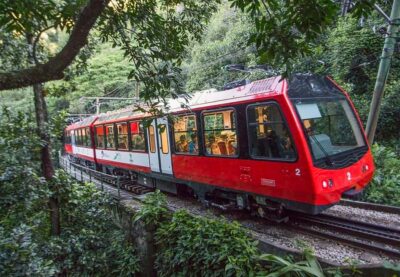
Christ the Redeemer Entry Ticket by Corcovado Train
Read our review →

Ljubljana: Castle Entry Ticket with Optional Funicular Ride
Read our review →


Postal Museum Entry Ticket and Underground Rail Ride
Read our review →
Caserta Palace Ticket and Train with Audioguide
Read our review →
Browse the lists this tour appears in