
Review · MUSEUMS
London: Postal Museum Entry Ticket and Underground Rail Ride
London’s Postal Museum hides one of the city’s most unusual rides beneath the streets: a short trip through the old Mail Rail tunnels, once used to move post beneath central London. The train lasts only about 15 minutes, but its projected films, commentary, and dark underground setting give the ride real character.
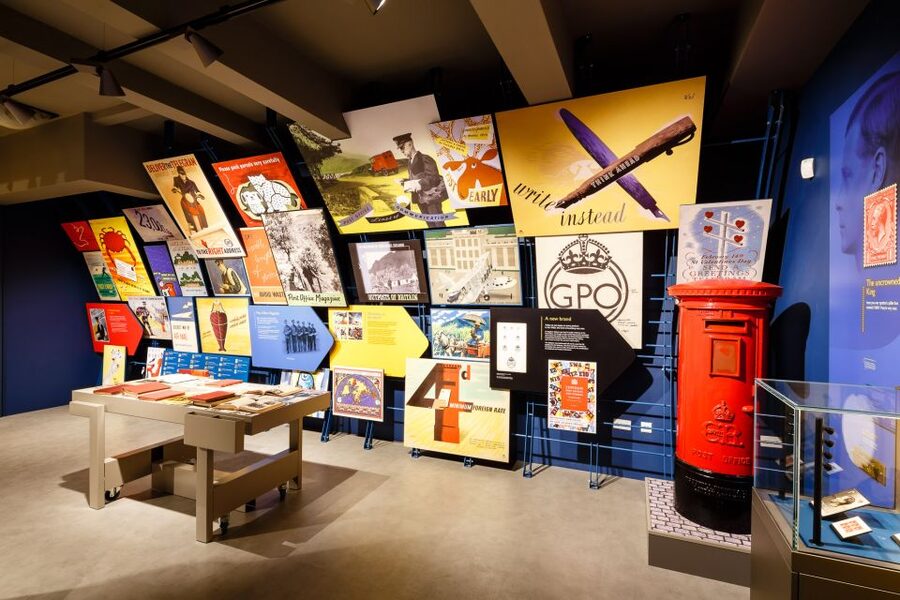
I like two things here in particular. First, the museum makes postal history hands-on, with a wobbly-floor sorting carriage, games, and activities that work well for children. Second, the displays connect everyday objects, such as post boxes and telephone boxes, with the people who used and maintained them. The main drawback is simple: the advertised 90-minute visit can easily become two or three hours, while the ride itself may feel short for adults who want a longer underground tour.
Key points to know before you go

- Ride through the old Mail Rail tunnels: The 15-minute underground journey uses a miniature train and projected films to explain how London’s postal railway worked.
- See the Penny Black: The museum displays the world’s first postage stamp, a small object with an enormous effect on communication.
- Try sorting mail on a moving floor: A mock-up carriage lets you experience the awkward conditions faced by workers sorting post on the railway.
- Explore unusual postal defenses: Flintlock pistols show how seriously the Post Office once took the danger of mail theft.
- Plan extra time for the galleries: The official duration is 1.5 hours, but many people need two to three hours to read the displays and try the interactive exhibits.
- Best for mixed-age families: Children have games, dress-up activities, and hands-on stations, while adults get social history, old films, and working technology.
Why London’s Postal Museum is more than a stamp collection
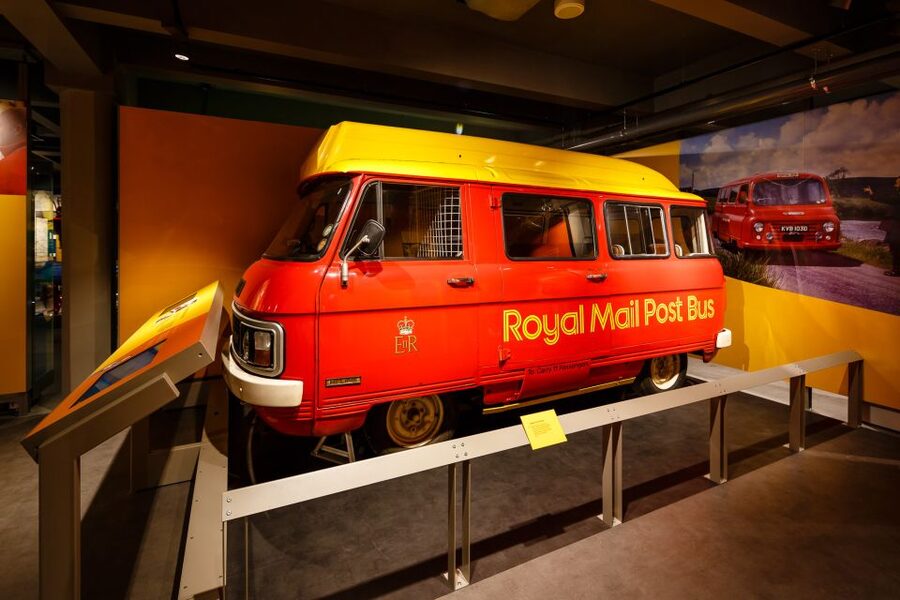
The Postal Museum tells the story of communication through more than 500 years, but it avoids feeling like a cabinet of tiny paper objects. You move between machines, transport, working conditions, famous stamps, and the changing ways people kept in touch.
That broader approach matters. A postage system is not only about letters. It depends on roads, horses, railway lines, sorting offices, workers, security, buildings, and public trust. The museum gives you enough of each to understand why the postal service shaped daily life.
I especially like the way the exhibits connect old communication systems with memories many adults still have. Telephone boxes, familiar post boxes, and earlier forms of mail delivery help parents and grandparents explain to children how people communicated before smartphones and instant messages.
The museum also has a playful side. You can design a stamp, try sorting mail, dress up, and test interactive stations. The material is accessible, but it is not empty entertainment. Children learn how messages moved from sender to recipient, while adults can stop for the human stories and technical details.
More Museum Visits in the UK:
- Brussels: Train World Museum Entrance Ticket
★ 4.7 · 524 reviews - Brussels Train World Museum Entrance Ticket
★ 4.5 · 220 reviews - From Krakow: Zakopane Tour with Gubalowka Funicular & Museum
★ 4.5 · 80 reviews
Start underground with the 15-minute Mail Rail ride
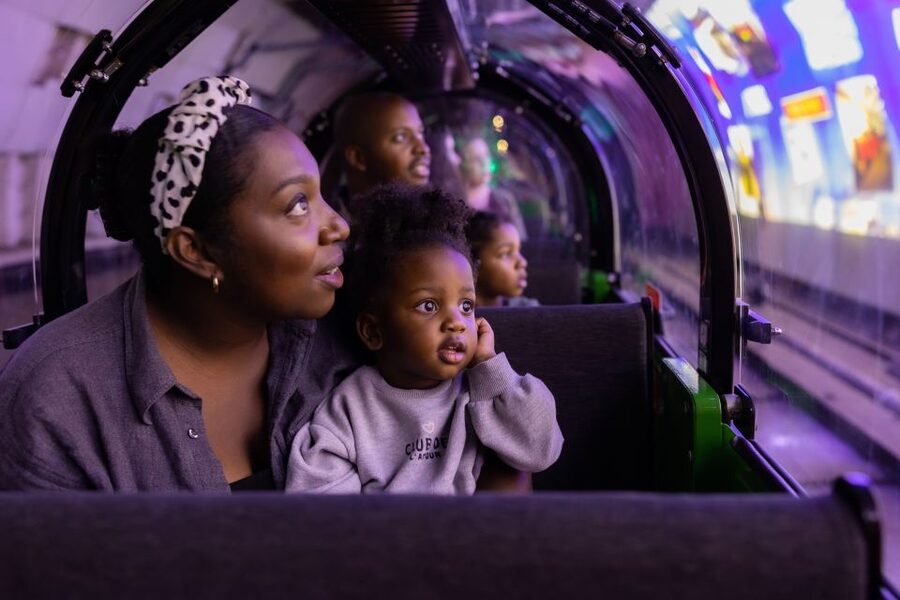
The underground railway is the main reason to book this experience. This was the Post Office’s own railway, built more than 100 years ago to carry mail below London’s streets. The miniature train takes you into the old tunnels, with commentary and projected film sequences along the route.
The ride is brief, usually around 15 minutes. That is enough time to get a sense of the confined railway, see how the tunnels were used, and follow the story without asking young children to sit still for too long. The presentation uses images on the tunnel walls and information from a former employee, adding a human voice to what could otherwise be a simple train trip.
You should set your expectations correctly. This is not a long scenic railway journey, and it is not a full tour of every underground passage. Some of the time includes stops for projected clips, so the movement is broken up by short pieces of explanation. Adults fascinated by transport or engineering may wish the ride lasted longer.
Still, the setting does much of the work. A normal museum display can tell you that mail moved underground. Sitting in the small carriage and entering the tunnels gives you a better sense of the idea. The ride is also a good opening because it gives context for the sorting equipment and postal workers you see upstairs.
The carriage may feel tight for very tall people, and anyone uncomfortable in enclosed or dark spaces should think carefully before booking. One section includes a blackout experience. The ride is wheelchair accessible, but check the current arrangements when selecting your time.
Bags are handled in a practical way for the train. Lockers are available beside the carriages, and staff secure them before the ride and open them when you return. That removes a common worry about leaving belongings behind.
The Penny Black and the start of modern postage

Back in the museum, look for the Penny Black, widely recognized as the first postage stamp. It is a small exhibit, so do not expect a grand display around it. Its value comes from what it represents: a change from complicated payment arrangements toward a simpler way to send a letter.
The stamp helps frame the rest of the museum. Postal services became useful because they made communication more regular and more affordable. Once sending a letter became easier, people could maintain family ties, conduct business, share news, and build relationships across distance.
I find this kind of object most useful when it is placed beside working systems. The Penny Black is not left as an isolated collectible. It sits within a larger story about mail routes, sorting, delivery, and the people who made the system function.
The displays also cover the development of post boxes and telephone boxes. These are familiar objects, but the museum shows how their design and use changed over time. Children may recognize the shapes without knowing their purpose, while adults may find the displays pleasantly nostalgic.
Try the wobbly-floor mail sorting carriage
The hands-on sorting activity is one of the best parts of the museum for both adults and children. You can step into a mock-up train carriage and try sorting mail while standing on a wobbly floor.
That unstable surface is not just a novelty. It helps you understand the physical challenge faced by workers on moving mail trains. Sorting letters quickly and accurately was demanding enough on a steady floor. Add motion, limited space, and the need to keep the postal system moving, and the job becomes much more impressive.
I recommend letting children try first, then having a go yourself. Adults often approach the station with confidence and quickly discover that the task is harder than it looks. It is a clever way to turn working conditions into something you can feel rather than simply read about.
This area can become busy, especially on weekends. If young children are using the equipment, you may need patience before getting a turn. The interactive stations are aimed strongly at families, so adults seeking a quiet museum visit may find parts of the gallery lively.
More Tickets in the UK:
- Christ the Redeemer Entry Ticket by Corcovado Train
★ 4.4 · 4,476 reviews - Granada City Train 1 or 2-Day Hop-On Hop-Off Ticket
★ 3.5 · 3,128 reviews - Interlaken: Funicular Ticket to Harder Kulm
★ 4.7 · 1,469 reviews - Plitvice Lakes Tour: Secured Tickets, Train & Boat Ride
★ 4.5 · 802 reviews
Flintlock pistols and the dangerous side of mail delivery
Postal history is often presented as safe, orderly, and polite. The flintlock pistols offer a different view. They were used to protect mail from theft, reminding you that carrying letters and valuables was once a risky job.
These weapons add useful context to the old mail routes. Before modern security systems and fast electronic communication, a postal service had to protect its deliveries on roads and railways. The pistols show that the work involved more than sorting envelopes behind a counter.
The museum also includes stories of dramatic incidents connected with mail transport. One display recalls a mail stagecoach horse being attacked by a lioness. Details like this prevent the subject from becoming too dry. Postal history was tied to travel, danger, animals, crime, labor, and unpredictable events.
For adults, these stories are often the most memorable parts of the main exhibition. Children may be more interested in the train and dress-up stations, but unusual events give families something to discuss together.
Old films, working lives, and communication across generations
The Postal Museum uses films, projected images, audio, and physical objects instead of relying only on printed labels. This variety helps the information move along, especially when you are visiting with children.
You may see old films and stories about the people who worked in the postal system. These personal details are useful because they show that the service depended on large numbers of ordinary workers. The machinery matters, but so do the people who sorted, carried, loaded, guarded, and delivered the post.
I also like the communication theme running through the galleries. The museum is not only about envelopes. It shows how people exchanged information through changing technologies and public systems. An adult can explain a rotary telephone to a child, or talk about waiting for a letter in a way that feels far removed from instant messaging.
That generational angle makes the museum particularly good for families with children around primary-school age and older. The displays are easy to approach, but there is enough context for adults to keep finding new details.
How long should you allow?
The stated duration is 1.5 hours, including the museum visit and underground ride. Treat that as a minimum for a brisk visit rather than a firm limit.
If you focus on the Mail Rail and move quickly through the galleries, 90 minutes may be enough. If you want to read the displays, use the interactive stations, try the sorting activity, and stop for refreshments, allow two to three hours.
The timing matters if you are fitting this between major London sights. The museum is not a quick photo stop. The train has its own schedule, and a busy day can leave you rushing through the galleries.
I would plan it as a relaxed half-day activity, especially with children. Several people have found they needed more time, and that makes sense. The museum is compact compared with London’s giant national collections, but hands-on exhibits slow you down in a good way.
Price, café, and practical comfort
At about $24 per person, the ticket is reasonable if you use the museum as a two-hour or longer visit. The underground train provides the distinctive feature, while the galleries give you enough material to fill out the experience.
The value is weaker if you only want a very short ride. Fifteen minutes underground is not a lot of time on its own, and some adults may feel the admission is mainly paying for the museum rather than the railway. Families generally get better value because children can spend time with the interactive activities instead of simply watching the ride.
There is an accredited family-friendly café for snacks and drinks. It is useful when you need a break, particularly with younger children. Service and table clearing can vary at busy times, so do not count on a perfectly calm café stop at the end of the day.
The museum is wheelchair accessible. The train itself is enclosed and may feel uncomfortable for anyone who is claustrophobic or very tall. Staff are described as helpful, and the locker arrangement for the ride is well organized.
You can cancel up to 24 hours before the activity for a full refund, and a reserve-now, pay-later option is available. Starting times vary, so check availability before building the visit into a tight London schedule.
Who will enjoy it most?
I would recommend this to families looking for something different from London’s major art and royal attractions. Children have enough to touch, test, and play with, while adults can follow the social and technological story.
It also suits adults interested in transport, engineering, communications, or local history. The Mail Rail ride is the strongest part for that audience, and the old railway setting makes the ticket worthwhile even if you move quickly through the child-focused activities.
It may be less suitable if you want a large collection of famous objects or a quiet, traditional museum. Some displays are small, and the interactive areas can become crowded with young children. The train ride may also disappoint if you expect a long journey through the tunnels.
For a first visit, start with the Mail Rail, then explore the galleries. That gives you the headline attraction early and lets you understand the equipment and stories you see afterward.
Should you book the Postal Museum?
Book it if you want a family-friendly museum with a genuinely unusual central attraction. The Mail Rail ride, Penny Black, flintlock pistols, old films, and wobbly sorting carriage create a varied visit that is more substantial than the name Postal Museum might suggest.
I would be more cautious if your only interest is taking a train underground. The ride is short, and the museum is aimed partly at children. But if you allow two or three hours and enjoy learning how ordinary systems shaped daily life, the $24 ticket offers solid value.
This is a good choice for a rainy London afternoon, a mixed-age family group, or anyone who has already seen the city’s headline sights and wants something less predictable.
FAQ
How long does the Postal Museum experience last?
The stated duration is 1.5 hours. You may want to allow two to three hours if you plan to read the galleries, use the interactive exhibits, and stop at the café.
How long is the Mail Rail ride?
The underground train ride lasts about 15 minutes.
What is the Mail Rail?
Mail Rail was the Post Office’s underground railway, dating back more than 100 years. The miniature train takes you through part of its former tunnel system.
Can I see the Penny Black?
Yes. The museum displays the Penny Black, recognized as the world’s first postage stamp.
Are there activities for children?
Yes. The museum has educational games, interactive displays, dress-up activities, stamp design, and a mail-sorting activity on a mock-up carriage.
Is the Postal Museum wheelchair accessible?
Yes, the activity is listed as wheelchair accessible.
Is the underground ride suitable for people who dislike enclosed spaces?
The train runs through enclosed underground tunnels and includes a blackout experience. Anyone who is claustrophobic should take this into account before booking.
Is the children’s Sorted! Postal Play Space included?
No. Sorted! Postal Play Space is booked separately through The Postal Museum website.
Can I cancel my booking?
Yes. You can cancel up to 24 hours in advance for a full refund. A reserve-now, pay-later option is also available.
Just added for rail travellers in the UK
- Lake District – Rail Tour from London with Cream Tea and Cruise★ 4.0 · 75 reviews
- 4-Day Isle of Skye & Jacobite Steam Train (train ride included)★ 5.0 · 82 reviews
- Paris Explorer Rail Tour from London with Paris Sightseeing Bus★ 4.0 · 111 reviews
- Cardiff: Welsh Castles, Mountains & Steam Railway Day Tour★ 4.7 · 110 reviews
- 3 Day Isle of Skye and Jacobite Steam Train Tour from Inverness★ 5.0 · 161 reviews
- The Magical Highland Tour Including the Jacobite Steam Train Journey★ 4.5 · 179 reviews
- Edinburgh: Isle of Skye & Optional Jacobite Train 3-Day Tour★ 4.7 · 191 reviews
- Liverpool: Lake District Tour with Lake Cruise & Train Ride★ 4.7 · 191 reviews
Museums, compared.

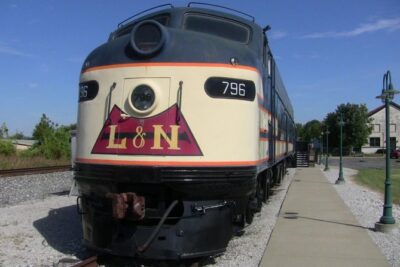
Skip the Line: Historic RailPark and Train Museum Ticket with Guided Tour
Read our review →
Browse the lists this tour appears in