
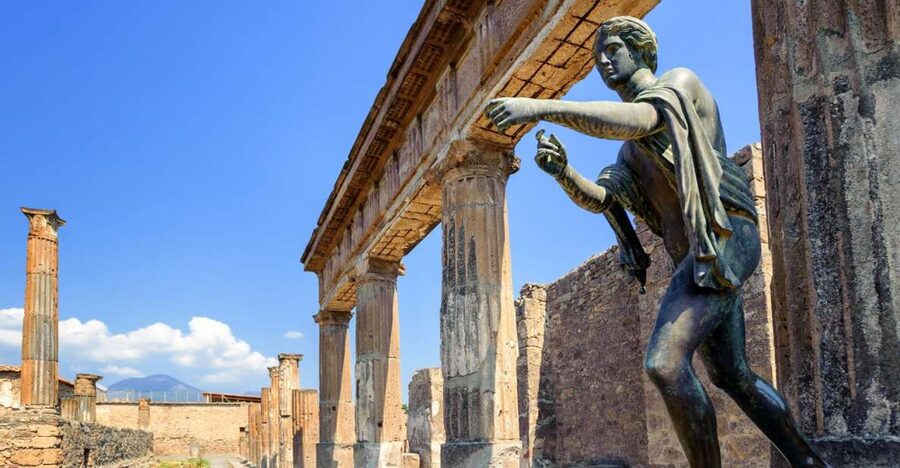
Review · HIGH-SPEED AND BULLET TRAINS
From Rome: Pompeii and Herculaneum by High-Speed Train
Pompeii and Herculaneum make an unusually powerful pair. Pompeii gives you a broad Roman town with streets, shops, a forum, a brothel, and newly opened houses. Herculaneum feels smaller and more intimate, with better-preserved homes and the haunting beach where hundreds of skeletons remain. The high-speed train makes this ambitious day trip from Rome practical.
I like two things especially: you get an archaeologist guide at both sites, and the train cuts the Rome to Naples journey to about 70 minutes. Guides such as Michele, Raphael, Julia, Diego, and Giulia have been praised for making complex archaeology easy to follow. The tradeoff is time. This is a long day, with roughly one mile of walking at Pompeii, half a mile at Herculaneum, and only a short break for lunch.
Key points to know before booking
- Two very different Roman cities: Pompeii is broad and urban, while Herculaneum offers closer views of houses and daily life.
- High-speed rail saves the day: The Rome to Naples train takes about 70 minutes each way, far less than a road transfer.
- Archaeology shapes the tour: Your guide explains the eruption, the buildings, the plaster casts, and what remains theory rather than proven fact.
- Lunch time is limited: Free time is provided at Pompeii, but you should keep the meal quick so the afternoon schedule stays on track.
- Expect uneven ancient streets: Good walking shoes are essential. Sandals, flip flops, high heels, large bags, and luggage are not allowed.
- The meeting point matters: You travel independently from Roma Termini and meet the guide outside the Starhotels Terminus at Naples Central Station.
Why this Rome day trip works
Trying to see Pompeii and Herculaneum from Rome in one day can look exhausting on paper. The fast train changes the calculation. You leave from Roma Termini, reach Naples in about 70 minutes, and then use a shared minibus for the archaeological sites. That keeps the day focused on the ruins instead of a long highway ride.
The experience lasts about 8.5 hours. It is still a full day, but the rail connection is comfortable and efficient. The train tickets are arranged for you, and the minibus handles the local connections between Naples, Pompeii, Herculaneum, and the station.
The main benefit is not simply speed. You avoid having to work out the Naples train system, local connections, entrance tickets, and site order on your own. At the same time, you do need to handle the first meeting point yourself. The tour does not collect you from your hotel in Rome.
The activity has a rating of 4.9 from 132 reviews, and the strongest pattern is clear: the guides are the heart of the experience. Several guides have been praised by name, including Raphael, Michele, Michael, Julia, Gennaro, Diego, Paolo, Jasmine, Sergio, and Giulia. Names may vary by date, but the format stays the same: an English-speaking archaeologist leads both site visits.
More High-Speed Trains in Italy
- Rome to Pompeii Guided Tour with Wine & Lunch by High Speed Train
★ 5.0 · 1,379 reviews - Rome: Pompeii Tour with Wine and Lunch by High Speed Train
★ 4.8 · 485 reviews - Venice Day Trip from Rome by High-Speed Train with Happy Hour
★ 4.5 · 445 reviews
Roma Termini to Naples in 70 minutes
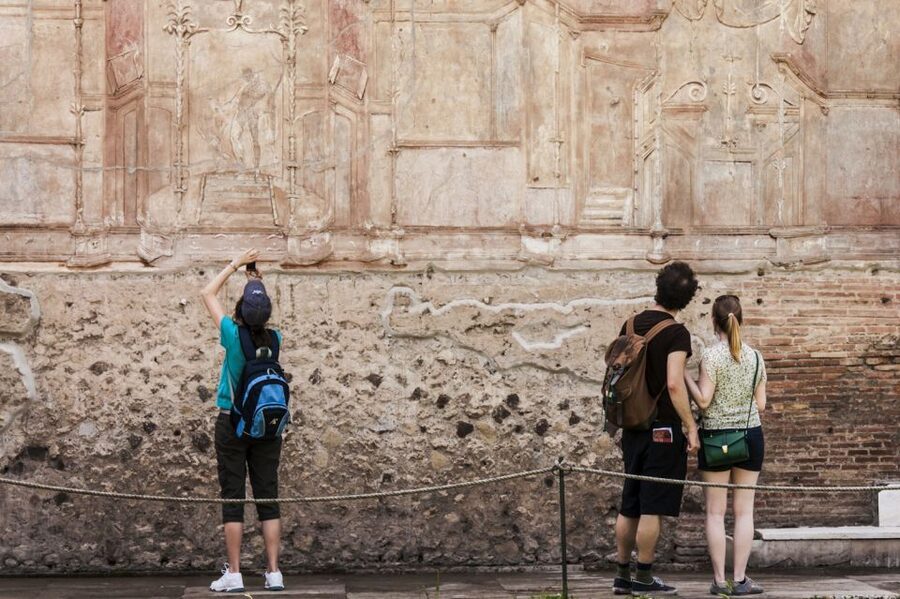
Your day begins at Roma Termini. You use the pre-booked high-speed train tickets supplied for the tour and travel independently to Naples Central Station. Arrive early. Termini is a large station, and finding the correct platform can take time, especially if you are carrying a day bag and trying to read the electronic boards.
At Naples, meet the representative outside the entrance to the Starhotels Terminus, directly opposite the station. Look for the ASKOS TOURS sign. The meeting instructions are specific, but the sign may not be enormous, so keep your eyes open as you exit the station.
This arrangement gives you some independence without leaving the important connections to chance. You are not waiting for a hotel pickup, and you are not spending the morning on a bus from Rome. The drawback is that the first leg requires confidence in a busy railway station.
The train itself is one of the best features of the plan. At about 70 minutes, it leaves enough time for both archaeological sites in the same day. A road trip from Rome would make the schedule much harder and less comfortable.
The minibus connection through Naples
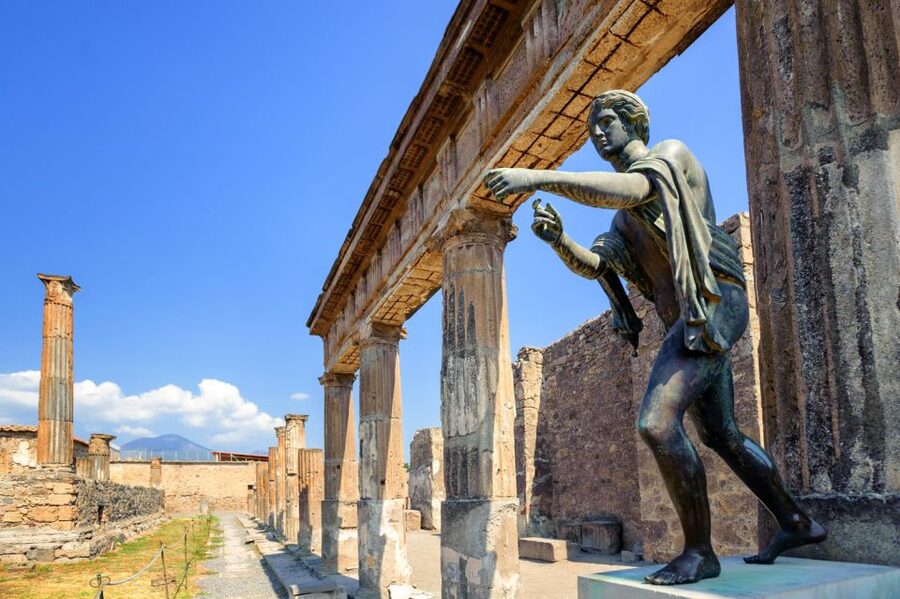
Once you meet the guide, a shared van or minibus takes you from Naples to Pompeii. The drive is listed at about 30 minutes. The vehicle provides a useful break after the train, although Naples traffic can be intense. One guide and driver combination received particular praise for handling the city roads, but traffic conditions are never fully predictable.
After Pompeii, the same type of transfer takes you to Herculaneum. At the end of the afternoon, the minibus returns you to Naples Central Station for the fast train back to Rome.
This transport setup is practical because the two sites are not arranged as a simple walk from one another. You can pay more attention to the ruins instead of figuring out local buses or taxis. The minibus is shared, so it is not a private tour and the schedule must work for the whole group.
Pompeii: a city preserved in the middle of life
Pompeii is the larger and more sprawling stop. You spend about two hours with the archaeologist, then have free time. The exact route can change depending on access and site conditions, but the visit covers important buildings and areas, including newly opened houses, the plaster casts of victims, the brothel, and other major remains.
The scale is what makes Pompeii so impressive. You are not looking at a single villa or monument. You are walking through an entire Roman settlement, with streets and buildings that help explain how the city functioned. The guide gives you the story behind the stones, so the forum, houses, shops, and public spaces do not blur into one long sequence of ruins.
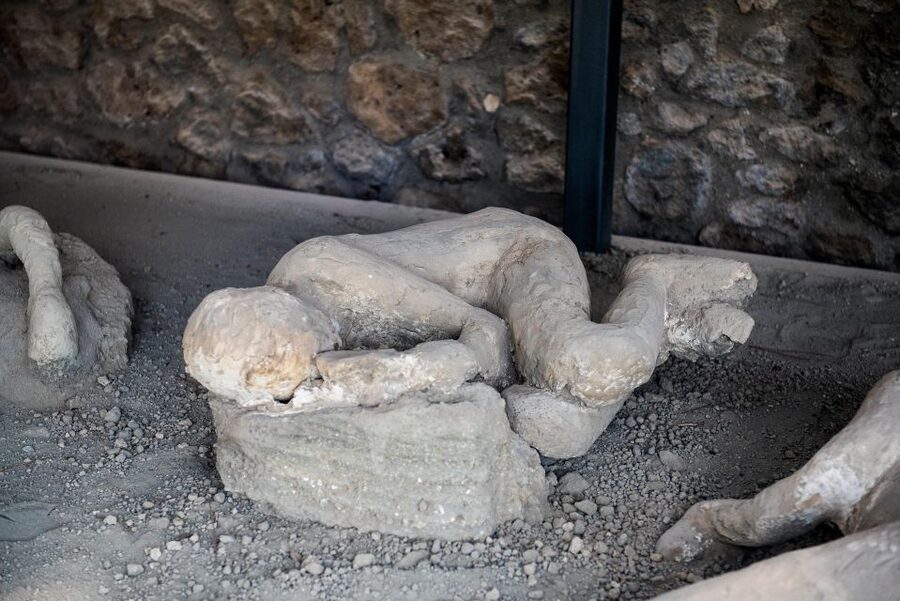
The plaster casts are among the most moving parts of the visit. These forms preserve the positions of people and animals caught by the eruption of Vesuvius. They bring a human and even intimate dimension to a site that can otherwise feel like an enormous open-air museum.
Pompeii can also be the point where the schedule feels tight. The site is large, and two hours is enough for a guided overview, not for every street and building. Some people have felt rushed through the forum or wished for more time to take photographs. That is a fair concern if you already know Pompeii well or want a slow, detailed visit.
The guide helps by choosing highlights and adding context. Raphael, Alfredo, Diego, Paolo, and others have been praised for keeping the group moving while still allowing time for questions and photographs. A good guide also helps you understand why some structures are easy to identify while others require explanation.
More High-Speed Trains in Rome:
- From Rome: Day Trip to Venice by High-Speed Train
★ 4.6 · 352 reviews - Rome to Florence: High-Speed Train Day Trip with Guided City Tour
★ 4.0 · 235 reviews - From Rome: Pompeii and Naples Day Trip by High-Speed Train
★ 4.7 · 234 reviews - Amalfi Coast Day Trip from Rome by High-Speed Train
★ 4.5 · 162 reviews
The Pompeii break: useful, but keep an eye on the clock
After the guided portion, you receive free time at Pompeii for shopping or lunch. The scheduled break is about 30 minutes, so plan a quick meal rather than a long restaurant stop.
Food options near the entrance can be limited at busy times, and finding a seat may take longer than expected. You may do better with something simple and fast. If you want a full sit-down lunch, this is the part of the day most likely to create pressure.
The break is still valuable. It gives you time to use the restroom, buy water, collect your thoughts, and look around without a running commentary. Just remember that Herculaneum is still ahead, and the minibus must leave on time.
Herculaneum offers a closer look at Roman homes
The Herculaneum visit lasts about two hours and is guided by the archaeologist. This site is smaller than Pompeii, so the time feels more manageable. Instead of trying to cover a huge city, you can focus on streets, homes, decoration, and the remains that show how people lived.
The House of Neptune and Amphitrite is one of the key stops. It offers a vivid look at Roman domestic design, including the famous decorative elements associated with its name. Your guide can explain how the house fits into the wider picture of Herculaneum and why preservation here differs from Pompeii.
The beach area is the most sobering stop. Hundreds of skeletons are preserved there, showing the human cost of the eruption. It is a quiet and difficult scene, and the guide’s explanation helps place it in the story of the disaster without reducing it to a quick photo stop.
Herculaneum often feels more intimate than Pompeii. The buildings can give you a stronger sense of rooms and homes, while Pompeii is better for understanding a complete Roman town. Seeing both in one day is worthwhile because the comparison is part of the lesson. You can notice how the eruption affected two nearby communities in different ways and how preservation changes what remains visible.
Several guides have been praised for explaining both established facts and theories about the earthquakes and eruption. That distinction matters. Archaeology does not always provide one neat answer, and a good guide can tell you what is known, what is inferred, and what remains uncertain.
What the archaeologist adds
You can visit both sites with a guidebook or audio guide, but the live archaeologist changes the experience. The ruins are not labeled at every turn, and many of the most interesting details are easy to miss if you only look for famous buildings.
Guides such as Michele and Julia have been described as bringing an archaeology background to the tour. Michele, in particular, has been praised for explaining ordinary Roman life as well as major buildings and for showing humanity toward the people who died. Michael, Raphael, Diego, and Paolo have also been singled out for clear explanations, good pacing, and a friendly manner.
The headsets are included for all participants. That matters in a group because you can hear the explanation while standing a short distance from the guide. It also helps when the site is crowded or when you need to pause for a photograph.
The main strength is interpretation. You learn why the sites look the way they do, how the eruption changed the buildings, and what the finds reveal about daily life. The main limitation is that a group tour cannot follow every personal interest. If you want to spend half an hour studying one mosaic, this format may move on before you are ready.
Walking, weather, and what to bring
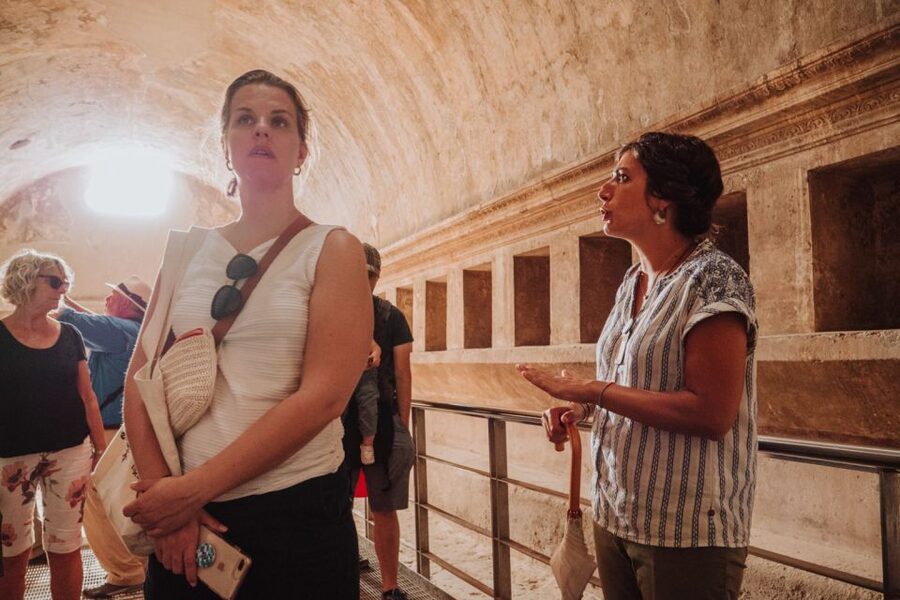
Plan for about one mile of walking at Pompeii and half a mile at Herculaneum. The surfaces are uneven, with ancient stone-paved streets that can be tiring after several hours. Wear sturdy, comfortable walking shoes.
The tour runs in rain or shine. Bring a raincoat if the forecast is poor. Summer sun can also make the exposed Pompeii site demanding, though no specific weather service or shade arrangement is promised, so prepare for the conditions on the day.
Bring your passport or ID card. Sandals, flip flops, high heels, large bags, and luggage are not allowed. The activity is not suitable for wheelchair users or people with limited mobility, so consider the walking surfaces and the amount of time on your feet before booking.
Meals are not included. You should also plan your own route to Roma Termini and your transport to and from the station at the Rome end. Hotel pickup and drop-off are not provided.
Is $222.77 a fair price?
At $222.77 per person, this is not a low-cost way to see Pompeii. The price includes round-trip high-speed train tickets, minibus transportation in Campania, entry to both sites, an archaeologist in each location, and headsets.
The rail tickets are the biggest value point. Buying fast trains separately can add up, and the tour saves you the work of arranging the Naples connections. The Herculaneum entrance ticket alone is listed at 16 euros, while Pompeii entry and local transport add further costs.
You are also paying for the guide’s time and site expertise. If you would otherwise buy separate guides or arrange two different visits, the bundled price becomes easier to justify. The value is strongest for a first visit, particularly if you want to understand what you are seeing instead of simply photographing ruins.
It is less attractive if you already have a firm plan for Pompeii, prefer a private guide, or want several hours at one site. The schedule is designed for broad coverage, not a slow scholarly visit.
Who should book this experience?
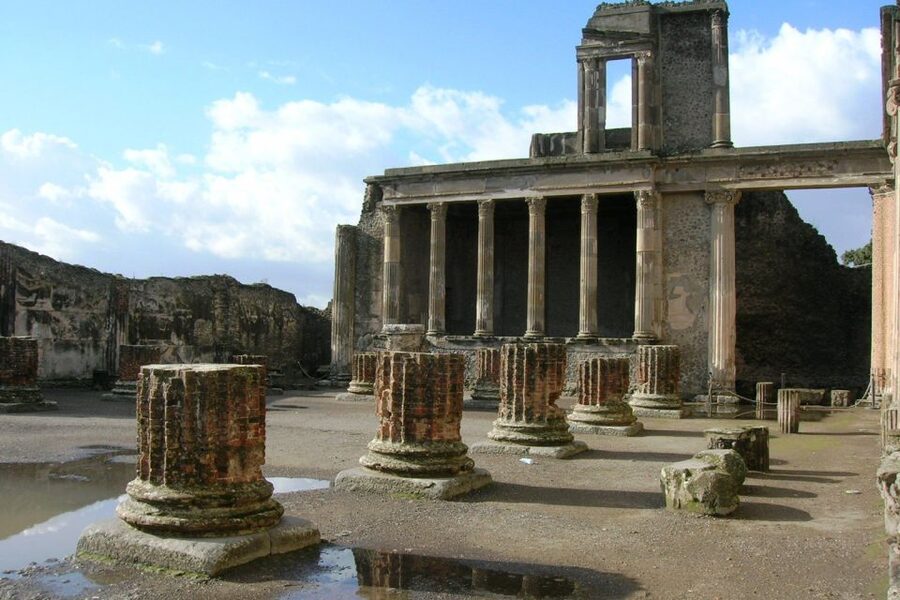
I would choose this tour if you have a limited stay in Rome and want to see both major Vesuvian sites without renting a car or planning several rail connections. It suits people who value clear explanations, efficient transport, and a full day with a fixed structure.
It is also a good fit if Pompeii is a major priority but Herculaneum is the part you might otherwise skip. The smaller site adds a different view of Roman life and makes the comparison worthwhile.
I would think twice if you dislike early starts, group schedules, uneven ground, or short meal breaks. This is a demanding day of walking and ruins. It is rewarding, but it is not a relaxed excursion with long café stops.
Free cancellation is available up to 24 hours before departure, and you can reserve now and pay later. Train details may arrive close to the activity date, so if you need to arrange a connection into Rome, leave yourself enough flexibility.
Should you book the Pompeii and Herculaneum day trip?
Book it if you want the most efficient way to see both sites from Rome, especially if an archaeologist-led visit matters to you. The fast train is a smart choice, and the combination of Pompeii’s scale with Herculaneum’s preserved homes gives you a fuller picture than either site alone.
Skip it if you want an unhurried Pompeii visit or have mobility limits. For most first-time visitors who can manage a long walking day, the $222.77 cost is reasonable because it covers rail, local transport, entries, and two guided visits in one carefully connected day.
FAQ
How long does the full experience last?
The activity lasts about 8.5 hours. This includes the high-speed train between Rome and Naples, minibus transfers, the guided visits, and the return journey.
Where does the tour begin?
The tour begins at Roma Termini station. You travel independently to Naples using the provided high-speed train tickets.
Where do I meet the guide in Naples?
Meet the guide outside the entrance to the Starhotels Terminus, opposite Naples Central Station. Look for the guide holding an ASKOS TOURS sign.
How long is the train ride from Rome to Naples?
The high-speed train takes about 70 minutes each way.
How much time is spent at Pompeii?
The guided visit at Pompeii lasts about two hours, followed by approximately 30 minutes of free time for lunch or shopping.
How much time is spent at Herculaneum?
The guided visit at Herculaneum lasts about two hours.
Is lunch included?
No. Meals are not included. You receive free time at Pompeii to arrange your own lunch.
Is the tour suitable for people with limited mobility?
No. The tour is not recommended for people with limited mobility and is not suitable for wheelchair users. It requires about one mile of walking at Pompeii and half a mile at Herculaneum on uneven ancient surfaces.
Just added for rail travellers in Rome
- Pompeii & Herculaneum by Train from Rome with Pizza Lunch★ 5.0 · 91 reviews
- From Rome: Pompeii and Herculaneum Tour w/ High-speed Train★ 4.8 · 92 reviews
- From Rome: Florence & Tuscany Day Tour by High-Speed Train★ 4.6 · 126 reviews
- From Rome: Pompeii Ruins Tour with Expert Guide & Fast Train★ 4.2 · 158 reviews
- Amalfi Coast Day Trip from Rome by High-Speed Train★ 4.5 · 162 reviews
- Pompeii and Naples Tour from Rome by Train with Lunch★ 5.0 · 218 reviews
- From Rome: Pompeii and Naples Day Trip by High-Speed Train★ 4.7 · 234 reviews
- Rome to Florence: High-Speed Train Day Trip with Guided City Tour★ 4.0 · 235 reviews
High-Speed and Bullet Trains, compared.

Mt Fuji & Hakone Cruise, Drum Show Bullet Train 1 Day from Tokyo
Read our review →
Tokyo Mt Fuji 5th St & Hakone Cruise Bus Tour w/Bullet Train
Read our review →
Taj Mahal & Agra Tour by Gatimaan Express Train
Read our review →
Pompeii Tour with Wine and Lunch by High Speed Train
Read our review →
Venice Day Trip from Rome by High-Speed Train with Happy Hour
Read our review →
Mt. Fuji and Hakone Day Trip From Tokyo with Bullet Train Option
Read our review →
Suzhou Private Day Trip from Shanghai with Bullet Train Option
Read our review →
Browse the lists this tour appears in