
Review · MUMBAI TRAIN JOURNEYS
All in one-Combo of City, Dhobighat, Slum & Dabbawala with ferry and train ride.
Mumbai is easiest to understand when you see both its grand front door and its working machinery. This full-day tour moves from the carved stone of Chhatrapati Shivaji Terminus and the Gateway of India to laundry pens, lunch-box couriers, a ferry, a local train, and the lanes of Dharavi.
I like the variety. You get major sights, a short ferry ride, a train trip, and guided walks instead of spending the whole day in a car. I also like that the experience is private to your group, with an English-speaking guide, an air-conditioned vehicle, and lunch included.
The main drawback is the pace. Seven to ten hours is a long day, and some stops are brief. The Dharavi walk requires moderate fitness, while traffic, crowds, weather, and the timing of the dabbawala activity can shape how much you see.
Key points to know before booking

- Eight very different stops: The day covers grand public landmarks, Gandhi’s former home, working laundry yards, a ferry, a train, and a residential and commercial walk through Dharavi.
- A private tour for your group: You are not placed with a larger mixed group, which makes it easier to ask questions and adjust the pace where possible.
- Two local transport experiences: The ferry from Colaba and train ride connected with the dabbawala visit give you a closer look at daily Mumbai movement.
- Dharavi is explored on foot: Plan for a one to one-and-a-half-hour walk through both residential and commercial areas.
- Lunch and transport are covered: The $85 price includes an air-conditioned vehicle, a budget Indian meal, guide, entrance fees, ferry, and train-related admission.
- A useful choice for cruise arrivals: Pickup is offered, and guide Gurrit has stayed in contact with a group whose ship arrived an hour late.
Why this works as a one-day Mumbai introduction
Mumbai can feel like several cities at once. It has grand colonial-era buildings, a crowded rail network, wealthy commercial districts, old neighborhoods, and huge areas where work and home life happen side by side. This tour tries to show all of those pieces in one long day.
That is its greatest strength. You are not choosing only a city drive or only a Dharavi visit. You get a broad first look, with time spent on foot and on local transport. The day also gives you a useful contrast between places built to impress and places built around practical daily work.
At $85 per person, the value depends on how much of the included transport and guiding you would otherwise arrange yourself. The price covers a private group, vehicle, lunch, ferry, train ride, and entry fees. For a first visit, that can be good value, especially if you want the city organized into one manageable day.
The tradeoff is that this is a sampler rather than a slow study of any one neighborhood. The listed stops allow about 20 to 50 minutes at most major sights, followed by longer time at Dhobi Ghat and Dharavi. You will see a lot, but you will not have hours for museums, shopping, or unplanned wandering.
More Train Journeys in India:
- From Delhi: Taj Mahal & Agra Tour by Gatimaan Express Train
★ 4.8 · 1,041 reviews - Jaipur Day Trip from Delhi by Car or Train – All Inclusive
★ 5.0 · 663 reviews - “Taj Mahal” Tour from Delhi by India’s Fastest Train (Gatiman Express)
★ 5.0 · 298 reviews
Chhatrapati Shivaji Terminus, Mumbai’s working masterpiece
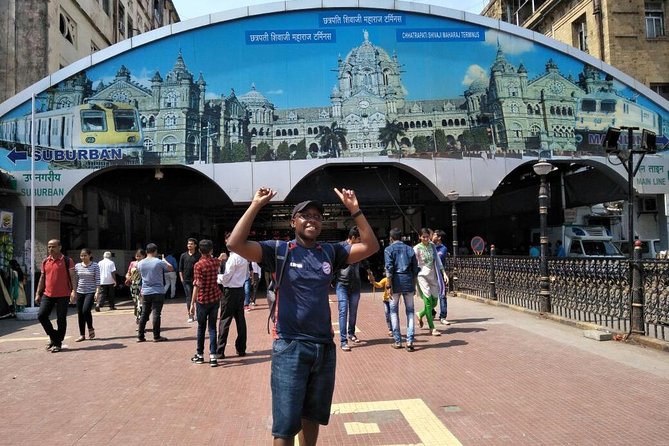
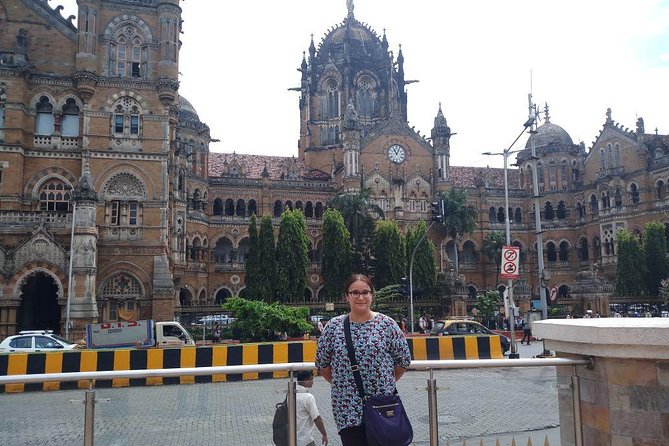
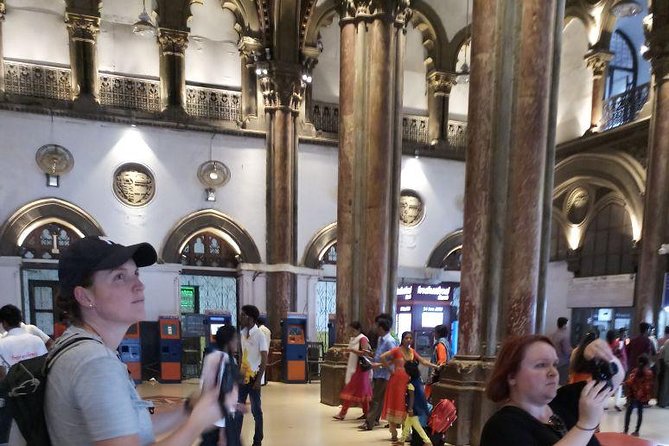
The day begins at Chhatrapati Shivaji Terminus, often still called VT by locals. This is not just a railway station to photograph from outside. It remains a major transport hub, with millions of commuters passing through its doors.
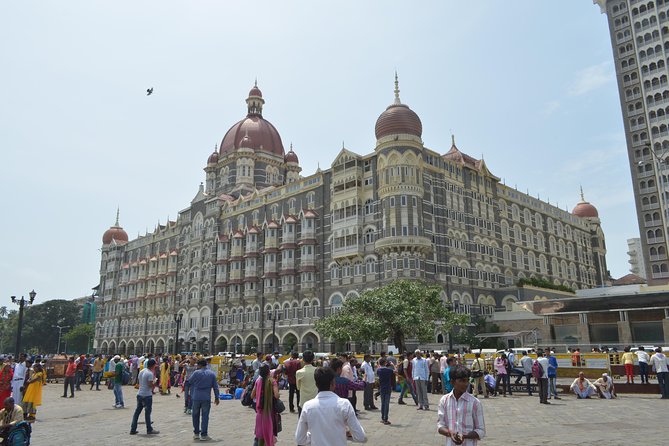
The building combines Gothic design with Indian decorative details. Look for carved stone friezes, stained glass, flying buttresses, and the central dome topped by a figure representing Progress. Its original name, Victoria Terminus, referred to Queen Victoria’s Jubilee in 1887. It later took the name of the Maratha ruler Chhatrapati Shivaji.
You have about 20 minutes here, with admission included. That is enough for an introduction and photographs, though not for a detailed architectural visit. If railway history or building design is a major interest, you may want to return independently for more time.
The stop works well early in the day because it immediately shows you Mumbai at full force. This is a grand monument that still performs its original job.
Marine Drive and the open Arabian Sea
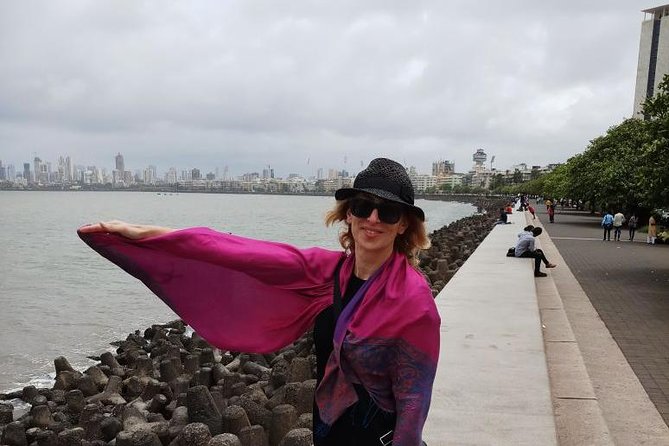
Marine Drive offers a change of scale. The road curves along the bay in a broad C shape for about three kilometers, linking Nariman Point with Malabar Hill. Its seafront promenade is where people come for air, conversation, and sunset views.
You spend roughly 25 minutes here, and there is no admission charge. That makes it a quick scenic pause rather than a long walk along the shore. Your guide can help put the road and coastline into the larger shape of South Mumbai.
The stop is most useful as a contrast to the station. At CST, you are surrounded by stonework, trains, and commuters. At Marine Drive, you get open space and a view toward the Arabian Sea.
The short timing may disappoint you if you want to sit by the water or stay for sunset. Treat it as a viewpoint and orientation stop, not a full beach outing.
Gateway of India and Colaba’s waterfront
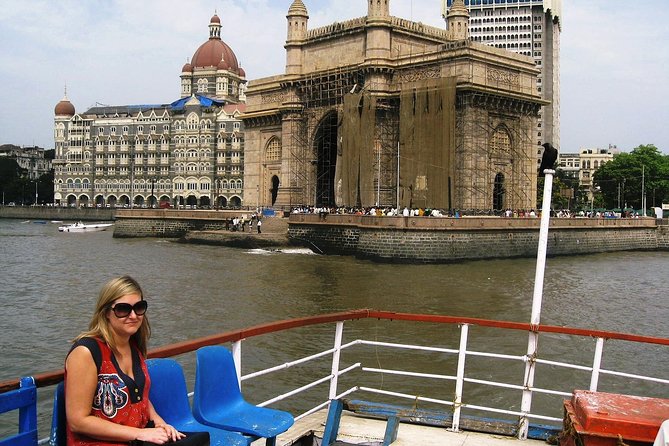
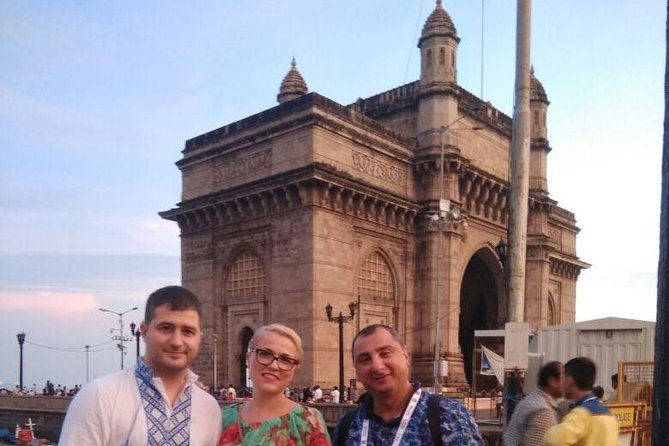
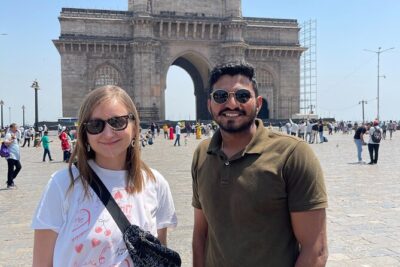
The Gateway of India is Mumbai’s best-known monument and a natural meeting point for city sightseeing. Built as a ceremonial arch for the visit of King George V and Queen Mary, it uses yellow basalt stone and detailed latticework.
Its meaning changed after independence. The arch once welcomed a British royal visit, then became linked with the departure of the last British ships from India. Today, it is a popular public gathering place and a busy starting point for exploring the waterfront.
You have around 25 minutes here without an admission fee. Expect time for photos, a look toward the harbor, and an explanation of the monument’s place in Mumbai’s modern story. The steps near the water add to the sense that this is both a public square and a port entrance.
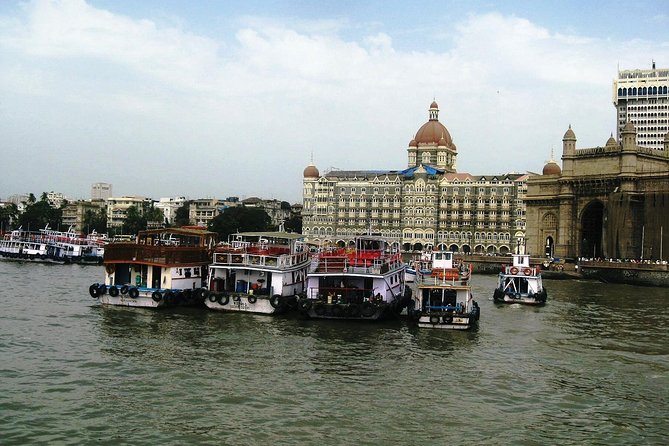
The next stop is Colaba’s ferry point at Apollo Bunder. The included ferry ride lasts about 20 minutes and cruises along Mumbai’s coastline. This is one of the most enjoyable changes of pace in the schedule. From the water, the city’s shore becomes easier to read, and you get a break from road traffic.
The ferry is weather-sensitive, so conditions matter. The tour requires good weather, and poor weather can lead to a different date or a full refund. If you are prone to motion sickness, the short ride is still worth keeping in mind when planning your day.
Same line, a different day out:
- From Delhi: Taj Mahal and Agra Day Tour by Super-fast Train
★ 4.9 · 270 reviews - Taj Mahal Day Trip From Delhi By Superfast Train With 5* Meal
★ 5.0 · 136 reviews - Private Day Tour of Taj Mahal by India’s Fastest Train or Car – All Inclusive
★ 5.0 · 131 reviews - Taj Mahal Tour with High-Speed Train Experience – All Inclusive
★ 5.0 · 130 reviews
Mani Bhavan and Gandhi’s Mumbai years
Mani Bhavan is a modest two-story house that served as Mahatma Gandhi’s Mumbai residence. Today it holds a reference library with more than 2,000 books, a photo display, and personal items connected with his work.
The most memorable object may be the charkha, or spinning wheel, associated with Gandhi. It is preserved as a historical item rather than used as part of daily production. The house also remains a place of respect for people who follow Gandhi’s ideas.
You spend about 20 minutes here, with admission included. That is enough to see the main rooms and displays, though the stop is not designed as a long museum visit.
I like this pause because it brings the day back from monuments and transport to ideas. Gandhi’s connection with the house gives Mumbai’s political past a physical address. If you are especially interested in India’s independence movement, note that the visit is brief and plan separate time at Mani Bhavan if your schedule allows.
The dabbawala system at Churchgate
The dabbawala visit is one of the tour’s most distinctive parts. A dabbawala delivers a freshly prepared lunch from a home to an office worker in a lunch box. The system relies on coordinated teamwork and precise timing, but it uses very little modern technology.
At Churchgate Railway Station, you see the activity in the setting where it matters most. The tour also includes a train ride, with about 50 minutes allowed for this part of the day.
That matters because the dabbawala service is not simply a colorful story told in a vehicle. You get to connect the work with Mumbai’s rail system and daily commuting. The train ride also gives you a direct sense of how the city moves people across South Mumbai.
The timing of this stop is important. Dabbawala work follows the lunch schedule, so your guide’s management of the day matters. The schedule provided does not promise a particular number of deliveries or a special demonstration. You should expect to observe the working activity rather than take part in it.
For many people, this will be the most practical lesson of the day: Mumbai’s daily life depends on systems that are fast, organized, and often surprisingly low-tech.
Dhobi Ghat and the work behind clean clothes
Dhobi Ghat is a large traditional laundry area made up of rows of concrete washing pens. Dhobis collect dirty clothes, wash them, press them, and return them to customers for a small fee.
The work is physical. Clothes are soaked in soapy water, beaten against washing stones, rinsed, dried, ironed, and stacked into bundles. Nearly 200 dhobis and their families work together, and the occupation has traditionally passed through families.
You have about 35 minutes here, with admission included. The stop is usually viewed from an appropriate position rather than treated like a casual photo backdrop. Listen carefully to your guide’s explanation of how the work is organized and how the laundry area functions.
I like Dhobi Ghat because it shows a service that most people rarely see. Clean clothing appears at home or in a hotel with little thought about the labor behind it. Here, washing is the entire business, carried out in a highly visible shared workplace.
Photography calls for care. The people working here are not performers, and you should follow your guide’s direction about where to stand and what to photograph.
Walking through Dharavi’s residential and commercial areas
The Dharavi portion lasts about one hour, though the description allows for a walk of one to one-and-a-half hours. This is the most physically demanding part of the day and the section that requires the most thoughtful attitude.
You walk through both residential and commercial areas. That means you see Dharavi as a place where people live and work, not simply as a label attached to poverty. The purpose of a guided walk is to explain the area’s businesses, homes, and close-packed streets in context.
You should expect narrow lanes, uneven walking conditions, and a busy setting. The tour asks for a moderate level of physical fitness. Comfortable shoes, water, and attention to your guide’s instructions will help.
A walk through a low-income neighborhood can feel intrusive if treated as spectacle. The best approach is to listen, keep your camera away when asked, and remember that this is a real community. A guide is especially useful here because context and respectful behavior matter more than simply passing through.
Dharavi also gives the earlier stops more meaning. CST shows the city’s transport system, the dabbawala stop shows a delivery network, and Dhobi Ghat shows organized manual work. Dharavi adds another view of how homes and businesses operate close together.
Transport, lunch, and the shape of the day
The tour includes an air-conditioned vehicle, but it does not keep you inside the vehicle all day. You also use a ferry and a local train, and you walk through Dhobi Ghat and Dharavi. That mix is a major part of the experience.
A budget Indian lunch is included. The description does not specify a menu, restaurant, or dietary arrangements, so ask about food needs before booking if that matters to you. Alcoholic beverages are not included.
Pickup is offered, and the experience can suit a port arrival. In one case, a ship was delayed by an hour, but guide Gurrit kept in regular contact and met the group with a driver. That is a useful sign for cruise passengers, although you should still provide accurate arrival details and allow for traffic.
The tour lasts approximately seven to ten hours. That wide range reflects Mumbai’s traffic and the changing length of the walking and transport portions. Keep the rest of your day flexible. This is not a tour to squeeze between two tightly timed plans.
Who should book this private Mumbai tour?
I would choose this tour if you have one day in Mumbai and want a broad first look without arranging several separate visits. It suits first-time visitors, cruise passengers with pickup needs, and people who want to combine famous sights with ordinary working life.
It is also a good fit if you value a private group. You can ask questions directly, and the guide can explain details that would be easy to miss from a car window.
I would be more cautious if you dislike long days, train rides, short sightseeing stops, or walking through crowded neighborhoods. The Dharavi visit also requires cultural sensitivity. It is not a theme park attraction, and you should be comfortable seeing a community on its own terms.
The rating is 4.5 from two reviews, so the score is encouraging but based on a small sample. The strongest practical point is the guide’s handling of a delayed ship arrival, especially for people arriving by sea.
Should you book it?
Book it if your goal is to see many sides of Mumbai in one organized day. The $85 price is reasonable for a private tour that includes an air-conditioned vehicle, lunch, ferry, train ride, guide, and fees.
Choose a different plan if you want a slow architectural tour, a long museum visit, or several hours at one neighborhood. This experience is built around contrasts and movement. You will cover a lot of ground, but you will need energy, flexibility, and respect for the communities you visit.
FAQ
How long does the Mumbai tour last?
The tour lasts approximately seven to ten hours.
What is included in the price?
The price includes an air-conditioned vehicle, a budget Indian lunch, all fees and taxes, an English-speaking guide, the ferry ride, and the train-related admission listed for the dabbawala visit.
Is pickup available?
Yes. Pickup is offered, and the tour may suit people arriving at Mumbai by ship.
Is this a private tour?
Yes. Only your group participates in the private tour or activity.
Does the tour include a ferry ride?
Yes. You travel from the ferry point at Apollo Bunder in Colaba on a coastal ferry ride lasting about 20 minutes.
Does the tour include a local train ride?
Yes. The dabbawala visit at Churchgate includes a train ride, with about 50 minutes allocated to that part of the experience.
How long is the Dharavi walk?
The stated walking portion is about one hour, with the description allowing for a walk of one to one-and-a-half hours through residential and commercial areas.
Is lunch included?
Yes. A budget Indian meal is included. Alcoholic beverages are not included.
What happens if bad weather cancels the tour?
The experience requires good weather. If poor weather causes cancellation, you will be offered another date or a full refund. You can cancel for a full refund if you do so at least 24 hours before the start time.
Just added for rail travellers in India
- Taj Mahal & Agra Tour From Delhi By Fastest Train★ 5.0 · 7 reviews
- Private Tajmahal Day Tour From New Delhi By Gatiman Express Train★ 5.0 · 14 reviews
- Taj Mahal and Agra Fort Tour By Fastest Train – Gatiman Express★ 5.0 · 2 reviews
- Taj Mahal and Agra Tour By India’s Fastest Train★ 5.0 · 2 reviews
- From Delhi: Taj Mahal & Agra Tour by Gatimaan Express Train★ 5.0 · 11 reviews
- Enchanting Taj Mahal Same Day Tour by Gatiman Train From Delhi★ 5.0 · 4 reviews
- Taj Mahal Tour by Gatimaan Express Train With Lunch At 5 Star Hotel★ 5.0 · 8 reviews
- Taj Mahal & Agra Fort Visit by Gatimaan Express Train★ 5.0 · 4 reviews
Mumbai Train Journeys, compared.

Dabbawala, Dhobi Ghat & Dharavi slum Tour with Local Train Ride
Read our review →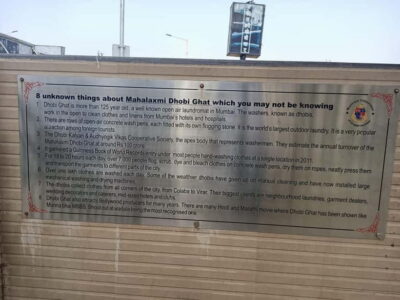
Primmum Mumbai Sightseeing With Local Train Ride Experience
Read our review →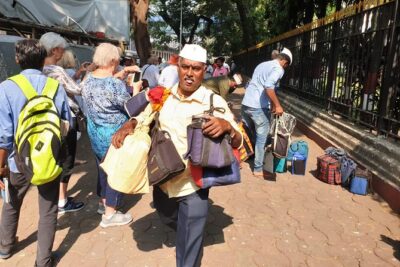
Mumbai City + Dabbawala aka Lunchbox + Train Ride Tour – The Unfeigned Mumbai.
Read our review →
Dhobi Ghat Tour with Dharavi and Train Ride Options
Read our review →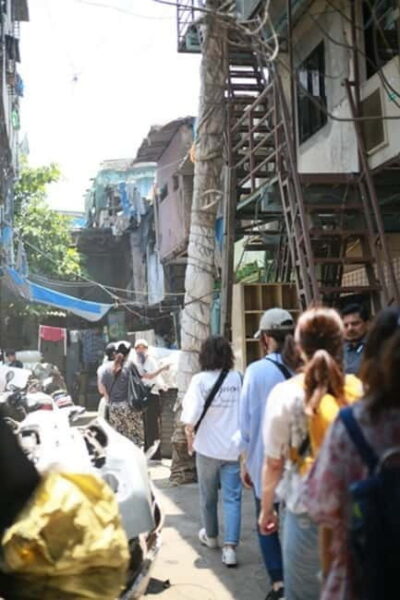
Dhobi Ghat Laundry and Dharavi Slum Tour with Local Train
Read our review →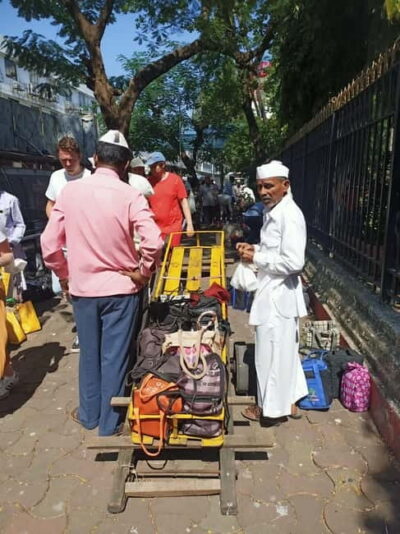
Best Combo Tour: Dabbawalas, Dhobi Ghat and Slum with Train
Read our review →
Mumbai Unseen: Local Train Ride And Sightseeing Tour
Read our review →Browse the lists this tour appears in