
Review · TOURIST AND MINIATURE TRAINS
Cuenca: Tourist Train Tour
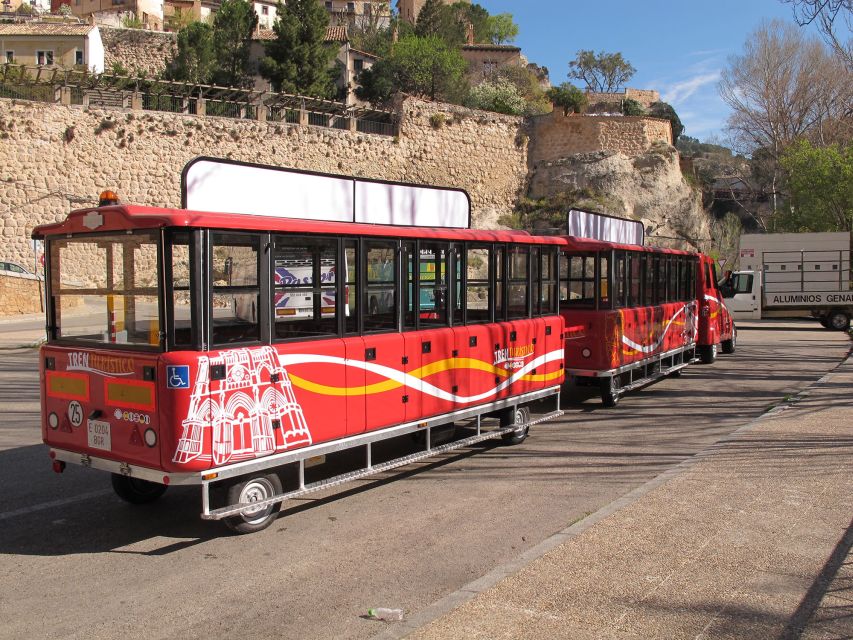
Cuenca’s tourist train gives you a quick look at a dramatic hilltop city without asking you to climb every steep street on foot. From Plaza Mayor, the 45-minute route passes the cathedral, castle quarter, San Julián Park, and the famous Casas Colgadas above the Huécar River. The audio guide adds local legends in five languages, which helps turn a simple ride into a short introduction to the city.
I like the low $8 price and the chance to see Cuenca’s main areas before choosing where to spend more time. I also like the free headphones and five language choices. The main catch is comfort: Cuenca’s cobbled streets can make the train jolt badly, and the ride is not designed for passengers with mobility impairments or wheelchair users.
- A 45-minute route from Plaza Mayor: The train starts and finishes in front of Cuenca Cathedral, making it easy to fit into a day visit.
- Five audio-guide languages: Commentary is available in Spanish, English, French, German, and Italian.
- Major sights from one seat: The route includes San Julián Park, the cathedral, the castle quarter, and views connected with the Casas Colgadas.
- A useful first look at Cuenca: The ride can help you understand the city’s layout before walking around.
- No hop-on, hop-off service: You remain on the train for the full circuit, with no listed sightseeing stops.
- Cobblestones affect comfort: The old town streets can be rough, especially over speed bumps and uneven paving.
What the Cuenca Tourist Train Really Offers
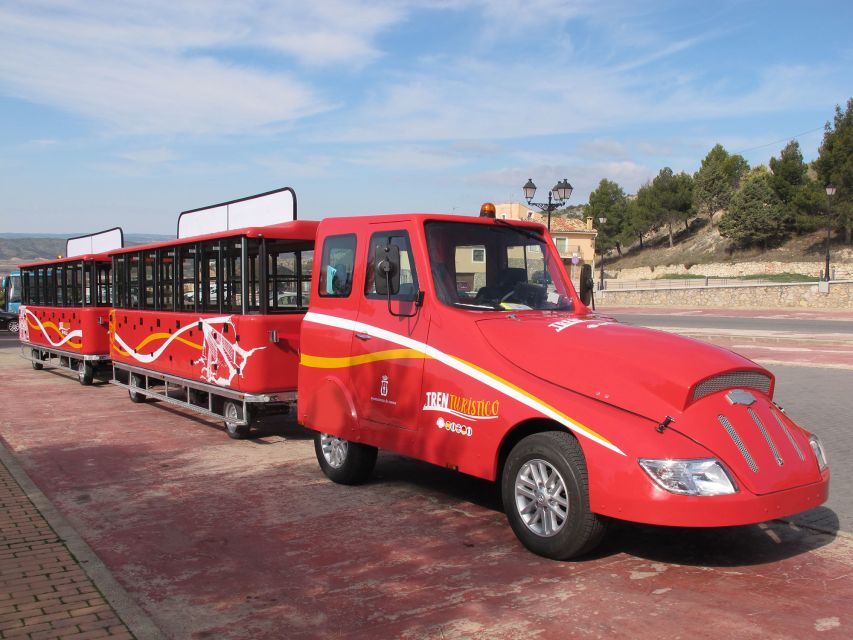
Cuenca is a city of sharp contrasts. Its old center sits high between the Huécar and Júcar gorges, with stone streets, steep approaches, and buildings that seem to cling to the edge of the ravine. That setting is beautiful, but it can be tiring to cover on foot in a short visit.
The tourist train gives you a quick orientation from Plaza Mayor. You sit back, listen to commentary, and watch the city pass by instead of working out every turn on your own. At $8 per person, it costs little compared with a full guided tour, so I see it mainly as an introduction rather than the main event.
The complete route lasts about 45 minutes. The ticket is valid for one day, but the information provided does not describe a hop-on, hop-off format. Plan on staying aboard for the circuit and doing your detailed sightseeing before or after the ride.
That distinction matters. You will see important parts of Cuenca, but you will not be able to leave the train whenever a view catches your eye. If you want time inside the cathedral, close-up photographs of the Hanging Houses, or a slow walk through the castle quarter, you need to set aside separate time.
Starting at Plaza Mayor and Cuenca Cathedral
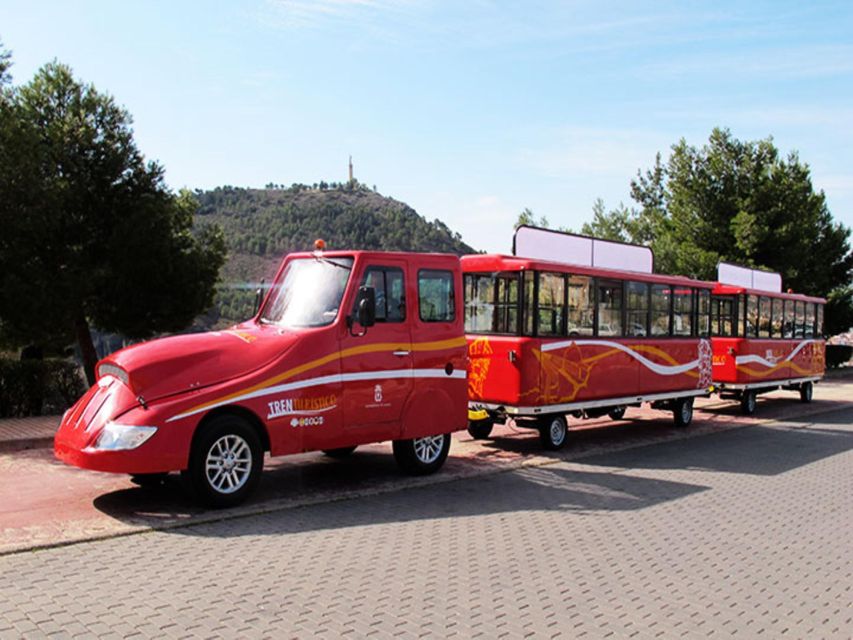
The meeting point is Plaza Mayor, in front of the cathedral. This is a practical start because you are already beside one of Cuenca’s main sights, and the train returns to the same place at the end.
Cuenca Cathedral is a Gothic-style landmark and one of the clearest reference points in the old city. From the train, you can take in its exterior and hear commentary about local stories and legends. The audio guide is included, with headphones supplied for Spanish, English, French, German, and Italian.
I would arrive with your bearings already set. Plaza Mayor is the place to confirm the departure point, check the train, and decide whether you want to visit the cathedral before or after the ride. Since access to monuments is not included, your train ticket does not cover entry inside the cathedral or any other site.
The audio commentary is a useful part of the experience, but keep the setting in mind. The train moves through old streets, and engine noise, road bumps, and general movement can make the narration hard to follow. One practical tip is to check the headphone volume before departure and listen carefully during smoother stretches.
More Tourist and Miniature Trains in Spain:
- From Málaga: Ronda+Setenil de las Bodegas with Little Train
★ 4.6 · 4,115 reviews - Alhambra tickets with Nasrid Palaces + Tourist Train
★ 3.0 · 40 reviews - Key West Conch Tour Train
★ 4.5 · 792 reviews
San Julián Park and the First City Views
The route includes San Julián Park, giving you a change from the dense stone streets of the old center. A park stop on a short panoramic circuit helps you see that Cuenca is more than its postcard buildings and gorge-side viewpoints.
This section is useful for orientation. You can compare the more open city areas with the compact historic quarter, and the audio guide may point out details you would miss while simply riding around. It is not a stop for a long visit, however. The train tour is built around passing through the city, not giving you free time at each attraction.
Some riders have found the route helpful for deciding what to investigate later. That is the best way to use this portion of the circuit. Notice the streets, buildings, and viewpoints that interest you, then return on foot when the train is finished.
The Castle Quarter and Cuenca’s High Ground
The castle quarter gives the ride some of its strongest sense of place. Cuenca’s upper city is tied to its old defensive position, and the elevated streets help explain why the city feels so steep and compact.
From the train, you get a broad look at this part of town without having to make every climb immediately. That can be valuable if you have only one day and want to understand the layout before choosing a walking route.
The drawback is that a moving vehicle cannot match the detail of exploring the quarter on foot. You may see a street or wall that deserves a closer look, but the train continues. Use the circuit to mark places for later, rather than expecting a complete visit to the castle area.
The route can also feel less polished than a smooth sightseeing bus ride. Cobblestones are part of Cuenca’s old-town character, but they are not kind to the body. If you have back problems or dislike jolting rides, this is a serious factor, not a minor nuisance.
The Hanging Houses and the Huécar River
The Casas Colgadas, or Hanging Houses, are Cuenca’s signature sight. These buildings project over the edge above the Huécar River and are the image most closely tied to the city.
The tour information identifies the Hanging Houses as part of the route, so you should expect them to feature in the panoramic circuit. Still, the train may not give you the same close, clear view you would get by walking to the proper viewpoints. The vehicle follows its road route, and the angle, timing, and traffic can affect what you see.
This is where expectations matter most. If your main goal is a good photograph of the Casas Colgadas, do not rely on the train alone. Treat the ride as a preview, then walk to the area afterward. A short train circuit cannot replace standing near the gorge and taking time with the view.
One recent experience also described the route as missing the most interesting Hanging Houses views. That does not necessarily conflict with the advertised route, since passing through the area is different from stopping at a viewpoint. The sensible plan is to allow extra time for the houses after the ride.
More Train Journeys in Spain:
- Montserrat & Cogwheel Train, Gourmet Wine Tasting & Tapas/Lunch
★ 5.0 · 6,290 reviews - Mallorca: Island Tour with Boat, Tram & Train from the South
★ 4.4 · 3,888 reviews - Montserrat with Cog-Wheel Train & Black Madonna Priority Access
★ 4.5 · 3,400 reviews - Granada City Train 1 or 2-Day Hop-On Hop-Off Ticket
★ 3.5 · 3,128 reviews
What the Audio Guide Adds
The audio guide is personal rather than live, and it is available in five languages: Spanish, English, French, German, and Italian. That gives you a useful amount of choice for a low-cost city circuit.
The commentary focuses on explanations and legends connected with Cuenca’s landmarks. This is especially helpful when you are seeing the cathedral, castle quarter, and Hanging Houses in quick succession. Without narration, the train could feel like a simple drive through old streets.
The system does have limits. The ride can be noisy, and the rough paving may make it difficult to concentrate. One rider found the commentary hard to hear even with the volume turned up. I would not choose this tour if you need a detailed spoken lecture or want to ask questions as you go.
It works better as a light introduction. Listen for the main facts and stories, note the sights you want to revisit, and do not worry if you miss a sentence when the train hits a rough patch.
The Cobblestone Problem
Cuenca’s cobbled old town gives the city its character, but it also creates the tour’s clearest weakness. The train can rattle sharply over uneven paving and speed bumps, with the movement felt through the seats and floor.
For some people, this will be a minor inconvenience. For anyone with back trouble, joint pain, or reduced mobility, it may make the full 45 minutes unpleasant. The activity is specifically not suitable for people with mobility impairments or wheelchair users.
The train itself is not presented as an accessible vehicle, and no wheelchair access is listed. You should also avoid booking if you need a gentle, smooth ride. This is a sightseeing train on old-town streets, not a quiet electric shuttle on a flat road.
The vehicle does not allow smoking, pets, or food. Those rules are simple, but they matter if you are planning the ride around a snack or are traveling with an animal.
Is $8 Good Value for a One-Day Visit?
At $8 per person, the tour is inexpensive by sightseeing standards. The fare covers the panoramic train ride, headphones, multilingual commentary, and compulsory travel insurance. Food, drinks, and entry to monuments cost extra.
I think the price works best when you view the train as a city orientation tool. You can see several important areas in less than an hour, learn a few stories, and decide where to walk next. That saves energy and can be especially useful if your visit to Cuenca is brief.
The value drops if you expect a full guided tour or a flexible sightseeing service. There is no listed option to get off at selected points, and the 45-minute circuit does not include monument entry. You are paying for access and context, not for a complete visit to each landmark.
The train also makes more sense for a first look than for a return visit. If you already know Cuenca’s old town and have limited time, you may prefer to spend those 45 minutes inside the cathedral, near the Hanging Houses, or on foot in the castle quarter.
How to Fit It Into One Day in Cuenca
The simplest plan is to take the train early in your visit, then use the route as a map for the rest of your day. Start at Plaza Mayor, complete the circuit, and return to the same square with a better idea of the city’s shape.
Afterward, choose the sights that deserve more time. The cathedral is beside the departure point, while the Hanging Houses need a closer look than a passing view. The castle quarter and other streets identified during the ride can follow if your energy and schedule allow.
Do not treat the train as your only sightseeing. The city’s best details are found at walking speed, especially around the old buildings and gorge edges. The train lets you cover ground quickly, but it cannot pause for every doorway, viewpoint, or photograph.
The timing can also help you avoid wasting your first hour on the wrong climb. Cuenca’s old center is compact in distance but demanding underfoot. A circuit gives you a mental map before you commit to steep streets.
Who Will Enjoy This Ride Most?
I would recommend it to someone visiting Cuenca for the first time who wants a quick overview at a modest price. It also suits people who like audio commentary and want to hear local legends without joining a live group.
It can work well for an independent visitor who plans to walk afterward. The train shows you the broad picture, while your own route supplies the close-up experience.
I would be cautious if you have back problems, limited mobility, or a low tolerance for rough rides. I would also think twice if your main aim is photography, since the train does not offer guaranteed stopping time at every viewpoint.
Families may appreciate the novelty of seeing Cuenca from a small sightseeing train, but food is not allowed aboard, and the ride can be bumpy. Anyone expecting a smooth, quiet vehicle should adjust those expectations before booking.
Booking and Practical Details
You can cancel up to 24 hours before departure for a full refund, and the reserve-now, pay-later option keeps the booking flexible. Starting times vary, so you need to check availability for your chosen date.
The experience starts and ends at Plaza Mayor, directly in front of Cuenca Cathedral. The ticket is valid for one day, but the listed experience is a single panoramic circuit of about 45 minutes, not a full-day train pass.
No individual guide name is provided because the commentary comes through the audio system. The provider is Tren Turístico Cuenca.
Should You Book the Cuenca Tourist Train?
Book it if you want a cheap, quick introduction to Cuenca and plan to explore the important sights on foot afterward. The five-language audio guide, central meeting point, and short route make it easy to add to a one-day visit.
Skip it if you need an accessible ride, dislike rough cobblestones, or want a hop-on, hop-off service with time at each monument. The best approach is to see the train as a preview, not a replacement for Cuenca itself.
At $8, it is a reasonable gamble for first-time visitors. Just protect your expectations: you will get a broad view of the city, a few useful stories, and ideas for further exploring. The close views, photographs, and monument visits still belong to your time after the train returns to Plaza Mayor.
FAQ
Where does the Cuenca Tourist Train start and finish?
The tour starts and ends at Plaza Mayor de Cuenca, in front of the cathedral.
How long does the train tour last?
The panoramic route takes approximately 45 minutes.
Which languages are available for the audio guide?
The audio guide is available in Spanish, English, French, German, and Italian.
Does the ticket include entry to Cuenca Cathedral or other monuments?
No. The ticket covers the train ride, headphones, audio commentary, and compulsory travel insurance. Monument access is not included.
Can I get off at different points along the route?
No hop-on, hop-off option is listed. The experience is described as a panoramic circuit that starts and ends at Plaza Mayor.
Is the tour suitable for wheelchair users or people with mobility impairments?
No. The activity is not suitable for people with mobility impairments or wheelchair users.
Just added for rail travellers in Spain
- The Train Track Trail Mountain Bike Ride – Private experience★ 5.0 · 14 reviews
- Half Day Guided Tour in Soller Train and Tram★ 4.0 · 7 reviews
- Boat, Tram and Train Tour in Mallorca from the South★ 4.0 · 9 reviews
- Island Tour with Train Tram Boat and Bus from Cala Millor★ 4.5 · 8 reviews
- Soller Port with Train and Tram Mallorca Half Day Trip★ 3.5 · 54 reviews
- Córdoba Private Day Trip from Madrid by High-Speed Train★ 4.0 · 9 reviews
- Seville in One Day by High speed Train from Madrid Private Tour★ 4.5 · 30 reviews
- Self-Guided Toledo Day Trip from Madrid with Panoramic Train★ 4.0 · 11 reviews
Tourist and Miniature Trains, compared.
Ronda+Setenil de las Bodegas with Little Train
Read our review →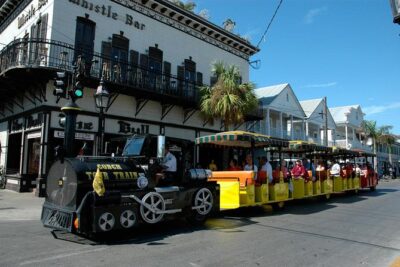
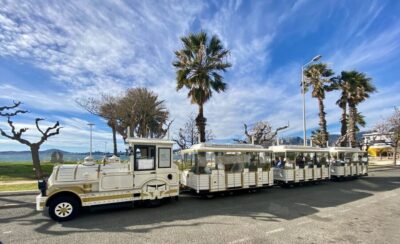
Antibes: 2-Way Little Train of Antibes Tour to Juan-les-Pins
Read our review →
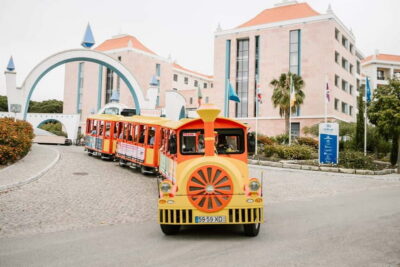
Saint-Raphaël : The Little Train of Saint Raphaël Tour
Read our review →
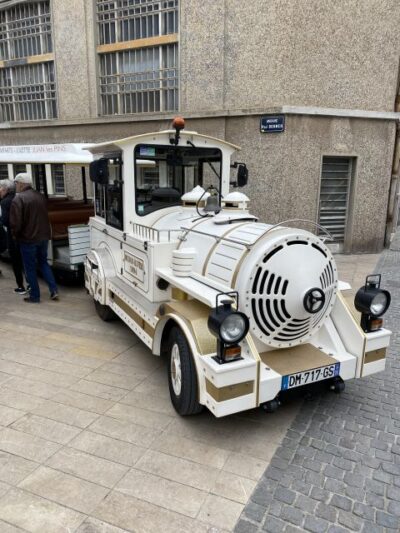
Aix-en-Provence by Electric Tourist Train – City Center Circuit
Read our review →Browse the lists this tour appears in