

Review · MUMBAI TRAIN JOURNEYS
Meet Dabbawala Visit Dhobi Ghat & Dharavi slum with Train
Mumbai is easiest to understand when you follow the workday. This four-hour tour links the city’s famous lunchbox carriers, Dhobi Ghat’s open-air laundry, a local train ride, and Dharavi’s small businesses. I like the way it shows Mumbai through ordinary routines rather than only through monuments.
I especially like the included train tickets, which remove one small hassle from a crowded city outing. I also like the small-group format, limited to 15 people, since a guide can explain more and keep the Dharavi visit respectful. The main consideration is pace: four hours is enough for an introduction, but the route includes walking, trains, and a two-hour Dharavi visit, so it will feel active.
Key points at a glance

- Dabbawalas at work: Learn about Mumbai’s famous lunchbox delivery system and the careful routine behind it.
- Dhobi Ghat in person: See rows of washers cleaning and ironing laundry from across the city.
- Two local train rides: Experience a practical part of Mumbai life, with tickets supplied.
- Two hours in Dharavi: Walk with a local guide through community life, small industries, and craft activity.
- Useful inclusions: An English-speaking guide, train tickets, and a water bottle are included.
- Clear limits: Hotel transfers, food, and drinks cost extra, and the tour ends away from the starting point.
Why this route shows the working city

Many Mumbai tours focus on grand buildings and seaside views. This one follows systems that keep the city moving: lunchboxes are collected and delivered, clothes are washed, people commute by train, and workshops produce goods in Dharavi.
That makes the tour especially useful if you want context for the city’s daily life. You are not simply looking at a famous spot and moving on. You are seeing how work is organized and how different neighborhoods connect.
The route also has a practical rhythm. You meet at the stated starting point, the Chemist Stall, then visit Churchgate Railway Station, take a short train ride, stop at Dhobi Ghat, take another train, and spend the longest section in Dharavi. The tour finishes at Sai Multispeciality Hospital & Research Centre, so plan your next journey from there rather than expecting a return to your hotel.
More Train Journeys in India:
- From Delhi: Taj Mahal & Agra Tour by Gatimaan Express Train
★ 4.8 · 1,041 reviews - Jaipur Day Trip from Delhi by Car or Train – All Inclusive
★ 5.0 · 663 reviews - “Taj Mahal” Tour from Delhi by India’s Fastest Train (Gatiman Express)
★ 5.0 · 298 reviews
Starting at Churchgate Railway Station
Churchgate Railway Station is the first listed stop, with about 30 minutes for a guided visit and walking. This gives you a useful introduction to one of Mumbai’s key transport points before you ride the train yourself.
The station matters because the local train is not a staged attraction. It is part of the city’s daily transport system. Your guide can help explain what you are seeing and keep the group together as you move through the station.
You should expect movement and noise here. Keep your belongings close, follow the guide’s instructions, and avoid treating the station like a photo set. The point is to notice how people use the railway as a practical lifeline.
The short station visit also helps set expectations. This is not a private vehicle tour with long, quiet transfers. You will be walking through public places and using public transport, which gives the day more local flavor but less control over space and pace.
Meeting Mumbai’s Dabbawalas
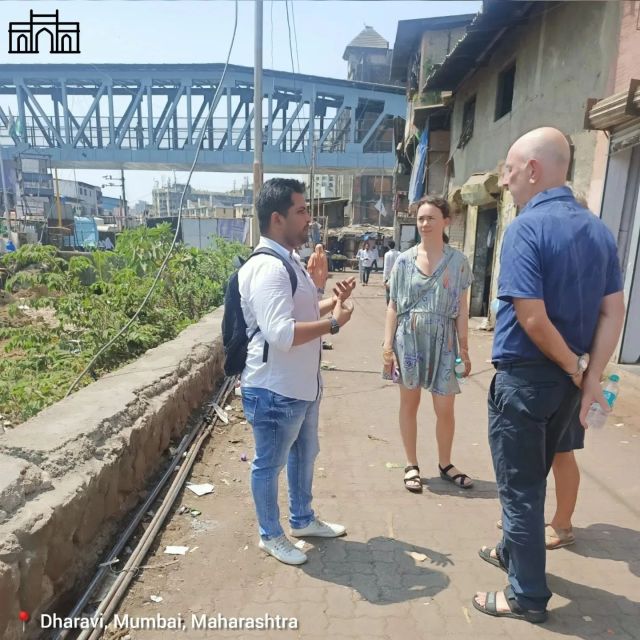
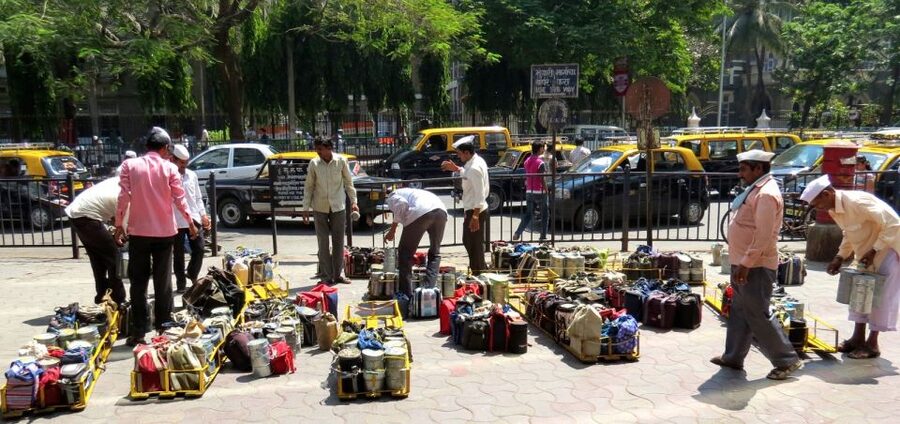
The Dabbawalas are one of Mumbai’s best-known working groups. Their lunchbox delivery system depends on collecting home-cooked meals, sorting them, carrying them through the city, and returning the containers after lunch.
The tour is designed to let you meet Dabbawalas at one of their collection points. You can learn about the system directly and hear why it has become part of Mumbai’s identity. The supplied information does not give a fixed collection point schedule or name a particular Dabbawala, so the exact form of this meeting may depend on the day.
This stop is valuable because it gives you a human entry into the city. Instead of hearing only a polished explanation of Mumbai, you get a look at a work routine built around timing, coordination, and trust.
Do not expect a long formal presentation. The real value is in the chance to ask questions and connect the delivery system with the city around you. Since the tour is conducted in English, the guide can help with communication and context.
Taking the first local train

The first train ride is listed at about 10 minutes. That sounds brief, but it offers a quick look at how much of Mumbai gets around each day.
The train is part of the lesson. You may find stations crowded and the pace brisk, so listen closely to the guide and keep your belongings secure. The experience is more rewarding if you treat it as ordinary transport rather than a thrill ride.
A short train journey also means you are not committed to a long ride if public transport is new to you. At the same time, anyone expecting a relaxed sightseeing trip should know that standing, walking, and boarding trains may be part of the outing.
The included ticket is a small but useful benefit. You do not need to stop and arrange the fare during the tour, and the group can keep moving between stops.
Same line, a different day out:
- From Delhi: Taj Mahal and Agra Day Tour by Super-fast Train
★ 4.9 · 270 reviews - Taj Mahal Day Trip From Delhi By Superfast Train With 5* Meal
★ 5.0 · 136 reviews - Private Day Tour of Taj Mahal by India’s Fastest Train or Car – All Inclusive
★ 5.0 · 131 reviews - Taj Mahal Tour with High-Speed Train Experience – All Inclusive
★ 5.0 · 130 reviews
Seeing Dhobi Ghat’s open-air laundry
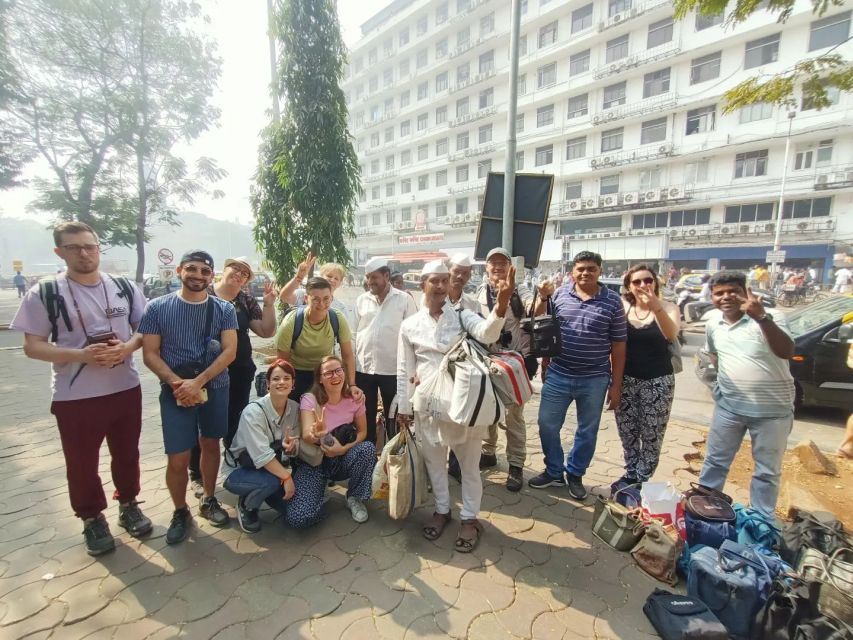
Dhobi Ghat receives laundry from across Mumbai. At the site, rows of washers, known as Dhobis, clean and iron clothing in a large open-air operation.
The 30-minute guided visit is short, but it should give you time to see the layout and understand the work. The sight is memorable because it turns an everyday chore into a coordinated workplace on a large scale.
I would pay attention to the process rather than treating the area as a backdrop. Washing and ironing are people’s jobs, and a respectful distance matters. Follow the guide’s directions about where to walk and when photography is appropriate.
The stop also adds balance to the Dabbawala visit. Both systems are famous, but they represent different kinds of work. One depends on precise delivery and routing. The other depends on physical labor, repeated tasks, and a long-established service used by people across the city.
The second train ride to Dharavi
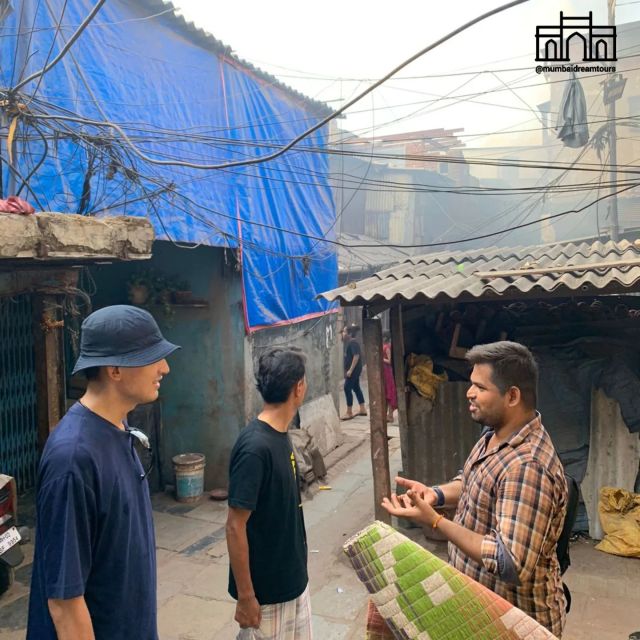
After Dhobi Ghat, you take another local train, again listed at about 10 minutes. This keeps the tour connected to real city movement rather than placing each stop in isolation.
By this point, you will have seen a railway station, a train, and Dhobi Ghat. The second ride helps you shift from central Mumbai’s transport and service systems to the Dharavi portion of the day.
The practical advice is simple: carry only what you need, keep valuables secure, and stay close to the group. The tour specifically advises care with belongings and attention to safety rules on the train.
Because there are two short train rides, this experience suits people who want a taste of local transport without spending half a day on the railway. It may not suit you if you prefer private transfers or need a quiet, seated journey between every stop.
Two hours walking through Dharavi
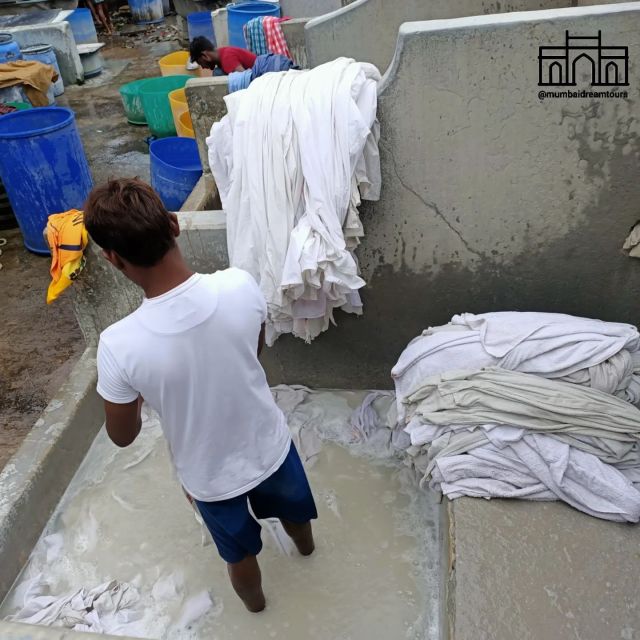
Dharavi is the longest stop, with about two hours of guided walking. The goal is to learn about community life, small-scale industries, and the resourcefulness of local residents.
A visit here needs a careful attitude. You are walking through a lived-in community, not entering an exhibit. The stated approach is to respect residents’ privacy and dignity, and you should do your part by listening to the guide, asking before taking photographs, and avoiding intrusive behavior.
The guide can help you see more than the outside appearance of the area. Dharavi is presented through its work and entrepreneurship, including small businesses and craft activity. You might find workshops operating in compact spaces, but the exact businesses and stops can vary.
This is where the small-group limit matters most. A group of up to 15 is not private, but it is easier to manage than a large coach party. You can hear the guide more clearly, ask questions, and move through narrow areas with less disruption.
The two-hour length gives this section room to breathe. You are not simply stepping out for a quick photograph. You have time to walk, listen, and consider how residents make a living within a dense urban setting.
Craft workshops and local enterprise
The tour includes contact with local artisans and craft workshops. This is one of the more useful parts of the Dharavi visit because it shows production and skill rather than reducing the area to hardship.
The emphasis on entrepreneurship matters. Dharavi is described through the work of its residents, including small-scale industries and practical business activity. You can learn how goods are made and how workshops contribute to the local economy.
The wording of the experience allows for participation in craft workshops, but it does not specify a particular craft, the length of each activity, or whether every departure includes hands-on work. I would treat this as a possible part of the visit rather than a guaranteed class with a fixed project.
You should also be prepared for a walking tour in a working area. Conditions may feel crowded or basic, and the experience is not designed around comfort. In exchange, you receive a closer look at a side of Mumbai that is often missed by standard sightseeing routes.
What the guide adds

The English-speaking guide is the thread connecting four very different stops. Without explanation, a station, train, laundry operation, and workshop could seem like unrelated sights.
A good guide can explain the Dabbawala system, place Dhobi Ghat in context, manage the public transport portions, and frame the Dharavi walk with care. The tour information does not provide a guide’s name, so you cannot choose a particular leader in advance.
The small-group setup helps the guide do this work. With no more than 15 people, questions should be easier to handle than on a large city tour. Still, the quality of the day will depend partly on how clearly the guide handles timing, transport, and privacy.
I would use the walking time to ask practical questions about the work you are seeing. Ask how the Dabbawala system is organized, what kinds of laundry pass through Dhobi Ghat, and what types of businesses operate in Dharavi. The guide is there to turn observation into understanding.
Price, timing, and what you receive
At $26 per person, the tour offers solid value if you want transport, guiding, and several major stops in one compact outing. The price includes the English-speaking guide, both train tickets, and a water bottle.
The value is not just in the number of places visited. You are also paying for the route planning and for a guide who can make public transport and community visits easier to manage.
Food and drinks are not included beyond the supplied water bottle. You should plan accordingly, since the tour lasts four hours and includes walking. Hotel pickup and drop-off are also not included, so you need to reach the Chemist Stall yourself and arrange onward transport from Sai Multispeciality Hospital & Research Centre.
The four-hour duration works well if you have limited time in Mumbai. It gives you several strong impressions without taking a full day. The tradeoff is that each stop has a set limit, and the Dabbawala meeting or craft portion may not follow a long, fixed presentation.
You can cancel up to 24 hours before the activity for a full refund, and the reserve-now, pay-later option keeps your plans flexible. Starting times vary, so check availability before booking.
Who should book this Mumbai tour
I would recommend this experience to you if you want to see working Mumbai rather than spend the day only at landmarks. It suits curious visitors who are comfortable walking, using local trains, and entering active neighborhoods with respect.
It is also a good fit for first-time visitors who want an organized introduction to several parts of city life. The guide, train tickets, and compact route reduce the need to arrange each element yourself.
The tour may suit solo visitors and couples especially well because the group format makes it easier to meet others while keeping the outing structured. Families with older children may also appreciate the trains and workshops, provided everyone can manage the walking and follow privacy rules.
I would think twice if you want luxury transport, a slow pace, or a private tour. The route is active, public, and people-focused. It is also not the right choice if you are uncomfortable visiting a residential community, even when the tour is framed with care.
My booking advice
Book this tour if you want four hours of practical, human-scale Mumbai: Dabbawalas, Dhobi Ghat, local trains, and Dharavi’s working community. The strongest reasons are the modest price, included train tickets, English guide, and small-group limit.
Go in with realistic expectations. This is not a polished sightseeing circuit, and the train rides may be crowded. The Dharavi visit should be approached as a respectful community walk, not as a spectacle.
Bring only essential belongings, wear comfortable clothing for walking, carry the supplied water, and plan your meeting and finishing points carefully. If those details suit you, this is a useful way to see how Mumbai works from the inside.
FAQ
How long does the Mumbai experience last?
The tour lasts four hours.
What places does the tour visit?
It visits Churchgate Railway Station, Dhobi Ghat, and Dharavi. It also includes meetings with Dabbawalas and local train rides.
Are train tickets included?
Yes. Train tickets are included in the tour price.
Is a guide included?
Yes. An English-speaking live guide leads the experience.
How large is the group?
The tour is limited to 15 participants.
Is hotel pickup and drop-off included?
No. Hotel pickup and drop-off are not included. The tour starts at the Chemist Stall and finishes at Sai Multispeciality Hospital & Research Centre.
Are food and drinks included?
Food and drinks are not included. A water bottle is provided.
Can I cancel for a refund?
Yes. You can cancel up to 24 hours in advance for a full refund.
Just added for rail travellers in India
- Taj Mahal & Agra Tour From Delhi By Fastest Train★ 5.0 · 7 reviews
- Private Tajmahal Day Tour From New Delhi By Gatiman Express Train★ 5.0 · 14 reviews
- Taj Mahal and Agra Fort Tour By Fastest Train – Gatiman Express★ 5.0 · 2 reviews
- Taj Mahal and Agra Tour By India’s Fastest Train★ 5.0 · 2 reviews
- From Delhi: Taj Mahal & Agra Tour by Gatimaan Express Train★ 5.0 · 11 reviews
- Enchanting Taj Mahal Same Day Tour by Gatiman Train From Delhi★ 5.0 · 4 reviews
- Taj Mahal Tour by Gatimaan Express Train With Lunch At 5 Star Hotel★ 5.0 · 8 reviews
- Taj Mahal & Agra Fort Visit by Gatimaan Express Train★ 5.0 · 4 reviews
Mumbai Train Journeys, compared.

Dabbawala, Dhobi Ghat & Dharavi slum Tour with Local Train Ride
Read our review →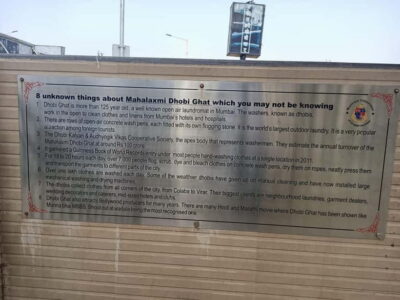
Primmum Mumbai Sightseeing With Local Train Ride Experience
Read our review →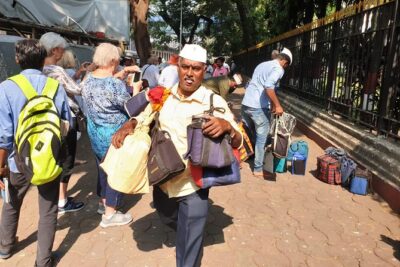
Mumbai City + Dabbawala aka Lunchbox + Train Ride Tour – The Unfeigned Mumbai.
Read our review →
Dhobi Ghat Tour with Dharavi and Train Ride Options
Read our review →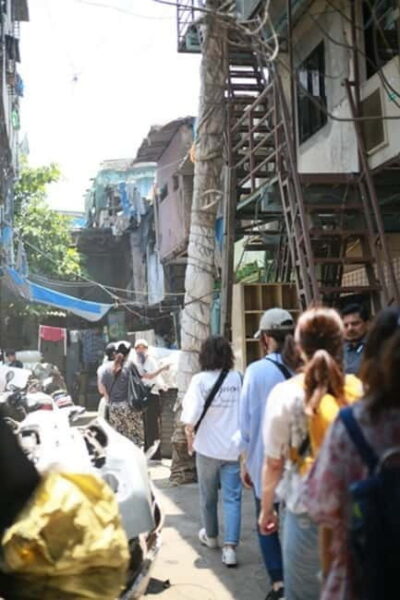
Dhobi Ghat Laundry and Dharavi Slum Tour with Local Train
Read our review →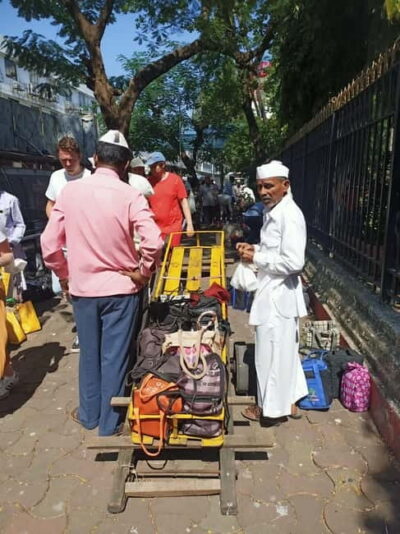
Best Combo Tour: Dabbawalas, Dhobi Ghat and Slum with Train
Read our review →
Mumbai Unseen: Local Train Ride And Sightseeing Tour
Read our review →Browse the lists this tour appears in