
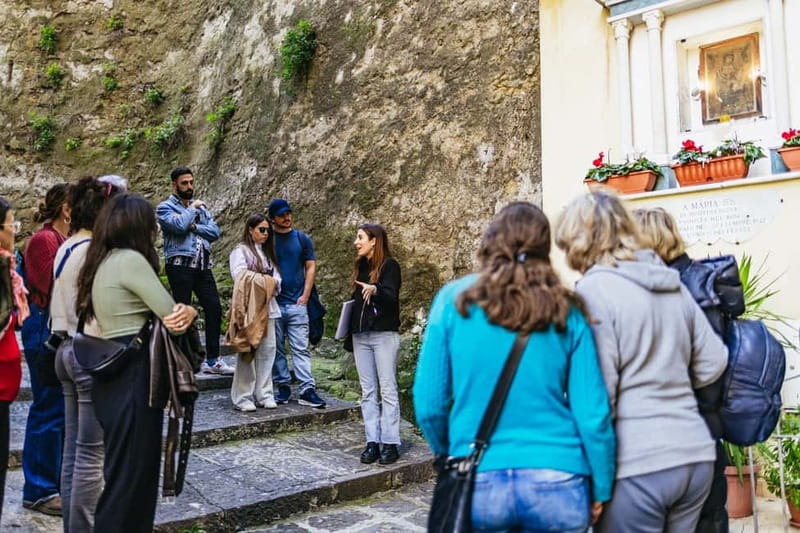
Review · FUNICULAR RIDES
Naples: Panoramic Walking Tour with Funicular
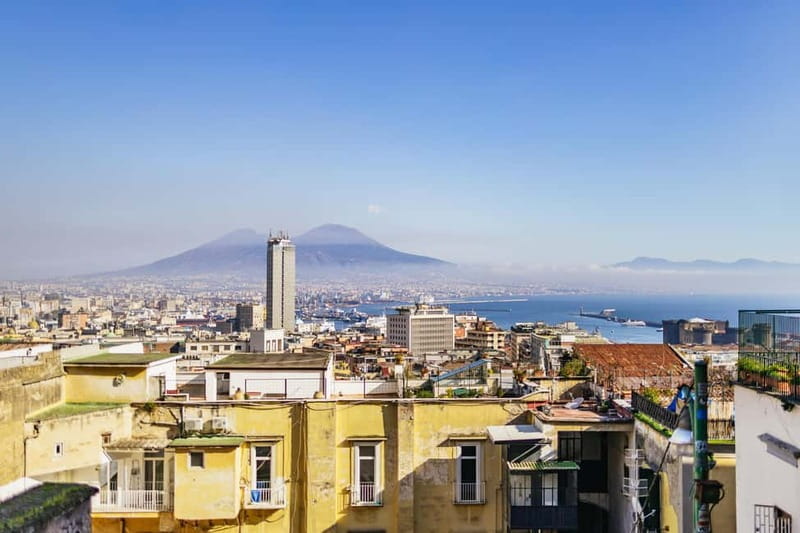
Naples reveals itself best from above, then on foot. This two-hour outing rides the Funicolare Centrale from Augusteo to quiet Vomero before leading you downhill through Via Palizzi, the Petraio stairways, and the Spanish Quarters. You get broad views of Capri, Vesuvius, and the Gulf before meeting the busy streets below.
I like the clever route. You avoid a steep uphill climb, yet still experience the changing character of Naples district by district. I also like the local focus: guides such as Virginia, Roberta, Miri, and Barbara explain architecture, daily life, and the city’s complicated past rather than simply pointing out monuments.
The main drawback is the walking surface. Petraio is a stairway route, and the tour is not suitable for wheelchair users, people with heart problems, or anyone with a low level of fitness. Wear proper shoes, and do not expect a fully polished sightseeing circuit.
Key points to know
- Ride uphill, walk downhill: The Funicolare Centrale saves your legs for the long descent.
- Via Palizzi gives the big picture: This is where you look across the Gulf toward Capri, Vesuvius, Sorrento, and, in good conditions, the Amalfi Coast.
- Petraio feels tucked away: Its stairways show a quieter side of Naples that many visitors miss.
- Three very different districts: Vomero, the Spanish Quarters, and Pignasecca each have a distinct mood.
- Guides add real local context: Miri, Virginia, Roberta, Barbara, Serena, and Stefano have all been praised for clear explanations, humor, and useful city advice.
- Pignasecca is the final scene: The tour ends among produce stalls, food stands, vendors, and everyday Neapolitan life.
Why this route is a smart introduction to Naples
Many first visits to Naples begin in the historic center, where streets are narrow, noisy, and packed with churches, shops, scooters, and food stops. That side of the city matters, but it can be hard to understand Naples as a whole from street level.
This route gives you the city in layers. You start at Pasticceria Galiero near Augusteo, ride up to Vomero, look across the bay, and then walk down through several distinct parts of town. I like this order because the views come before the urban intensity. You first get your bearings, then watch Naples change around you.
The contrast is the point. Vomero is calmer and more residential, with tree-lined streets, Liberty-style buildings, and a more polished feel. The Spanish Quarters are tighter, louder, and more closely tied to street life. Pignasecca adds the sounds and smells of a working market.
At about $24 per person, the tour offers good value if you want orientation as well as sightseeing. The price includes your one-way funicular ticket, a guide, and visual material. Food and drinks are extra, but that is not a serious problem because the finish at Pignasecca gives you a natural place to buy something afterward.
More Funicular Rides in Italy
- Capri: DIY Day Trip with Blue Grotto, Funicular & Lunch
★ 4.3 · 129 reviews - Genoa: Guided Panoramic City Tour with Funicular
★ 4.8 · 24 reviews - Lake Como: Easy Mountain Trek with Funicular & Boat Ride
★ 4.7 · 24 reviews
Meeting at Augusteo and riding the Funicolare Centrale
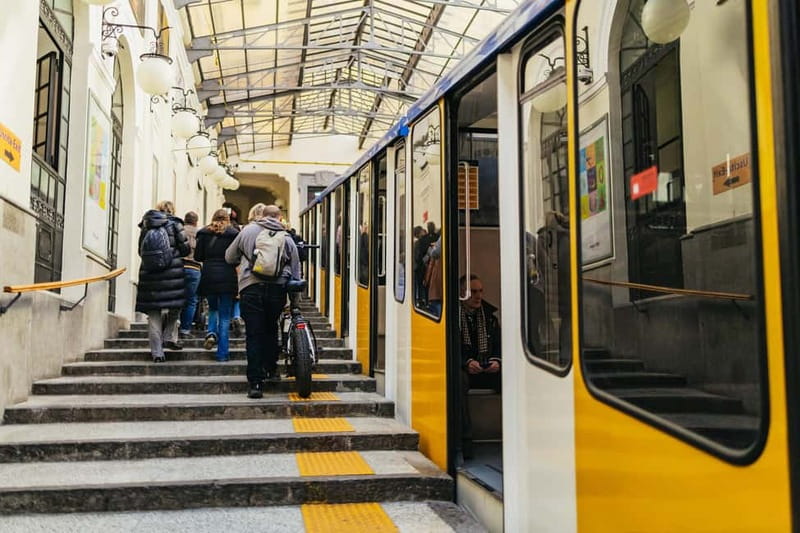
You meet your guide at Pasticceria Galiero near Augusteo. The starting point is useful for anyone already exploring the central city, and the pastry shop gives you the option of arriving a few minutes early for a coffee or snack, though food is not included in the tour.
The funicular ride lasts about ten minutes. It is not just transport. It shows how Naples connects its lower streets with the hilltop neighborhoods above. Instead of spending the opening part of the tour walking uphill, you gain height quickly and save your energy for the stairways and streets ahead.
The ride is also part of the city experience. Naples is built on steep ground, and the funiculars are part of ordinary local movement. You are not being driven from one attraction to another in a private vehicle. You are using a public system that helps explain the shape of the city.
The exact group size is not given, though a private group option is available. Several past tours have been described as personal and easy to adjust to the group. If you have questions or need a slower pace, say so early. One guide, Stefano, was especially praised for handling a late arrival and a participant who struggled with the physical demands.
Vomero, Via Palizzi, and the best wide-angle views
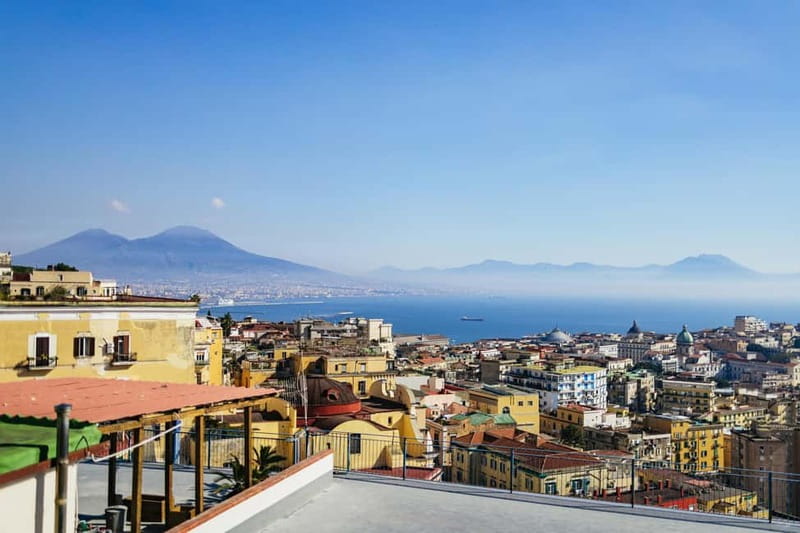
After leaving the funicular, the route moves through Vomero. This hilltop district offers a different first impression of Naples. The streets are quieter, buildings are more elegant, and the pace feels less hectic than below.
The important stop is Via Palizzi, where the view opens toward the Gulf of Naples. Depending on the weather, you can see Capri, Mount Vesuvius, Sorrento, and stretches toward the Amalfi Coast. This is the part of the tour that makes the route more than a neighborhood walk.
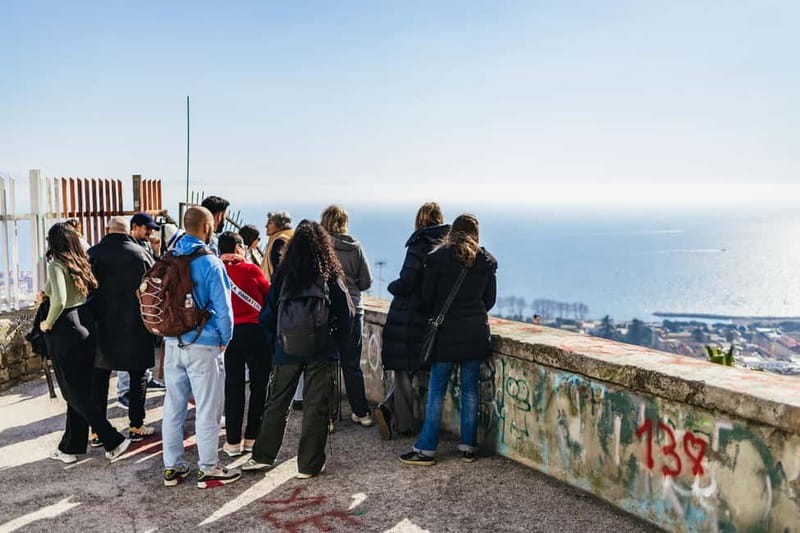
Bring your camera, but do not spend the whole stop looking through it. The guide uses the view to explain how Naples sits between hills, sea, islands, and the volcano. That wider setting helps make sense of the city’s crowded center and steep connections.
This stop is also a useful alternative to relying only on Castel Sant’Elmo for a panorama. One guide warned a group that the castle viewpoint could be crowded, and the group later found it packed. The tour’s viewpoints are not presented as a replacement for every major sight, but they can give you a more relaxed way to see the bay.
Weather matters here. Clear skies will make Capri and Vesuvius easier to identify, while haze can soften or block the distant views. Even on a less clear day, you still get the change in elevation and a strong sense of Naples as a hill-and-sea city.
Walking the Petraio stairways downhill
The Petraio stairways are the physical center of the experience. This is a scenic route connecting upper Naples with the lower neighborhoods, and the descent gives you a direct sense of how the city fits together.
I like walking downhill here because the route feels more local than a standard street tour. You pass between sections of the city rather than simply moving from one named attraction to another. The changing views and buildings become the subject.
The stairways require care. Comfortable shoes are essential, and the route is not suitable for wheelchair users or people with a low level of fitness. Baby strollers are not allowed. The tour lasts only two hours, but that does not mean it is effortless. Descending stairs can tire your knees, especially if you have already spent the morning walking around Naples.
The route may also feel less tidy than a formal tourist area. You could encounter uneven surfaces, litter, or dog mess in parts of Naples. That is part of the practical reality of the city, and it is worth keeping your attention on your footing while listening to the guide.
A useful tip is to carry water, even though food and drinks are not included. In warm weather, the combination of sun, stairs, and stone streets can feel demanding. One past participant also suggested mosquito spray, so it is worth considering in warmer months, especially if you are sensitive to bites.
More Scenic Railways in Italy
- From Milan: Lake Como Cruise, St. Moritz & Bernina Red Train
★ 4.6 · 5,648 reviews - From Milan: Bernina Train and St. Moritz Day Trip
★ 4.5 · 4,495 reviews - Bernina Red Train, Swiss Alps & St Moritz From Milan
★ 5.0 · 2,954 reviews - Swiss Alps Bernina Red Train and St.Moritz Tour from Milan
★ 4.5 · 2,369 reviews
Corso Vittorio Emanuele and the changing face of Naples
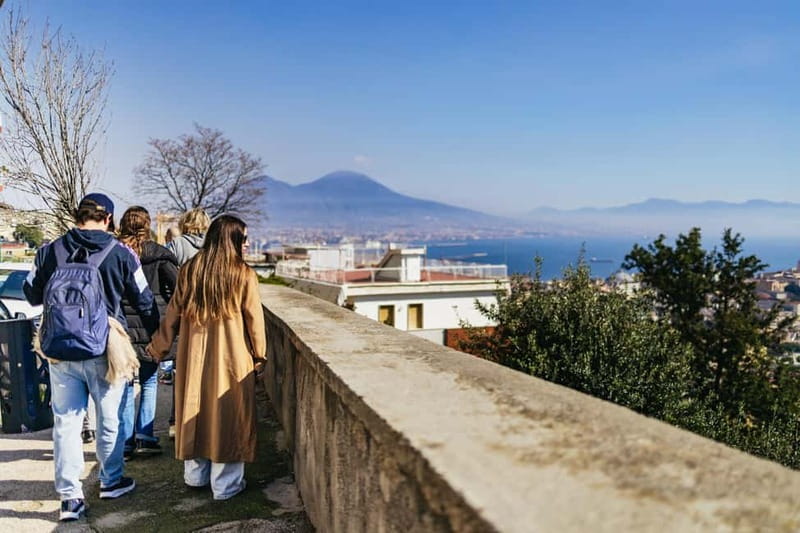
The route eventually reaches Corso Vittorio Emanuele, one of the key transition points between the hill and the lower city. By this stage, you have moved well beyond the calm atmosphere of Vomero.
This part of the walk is valuable because the guide can place the neighborhoods side by side. The tour is not only about pretty views. It asks you to notice how architecture, street width, noise, and public life change as you descend.
Guides are central to how well this section works. Serena has been praised for combining local knowledge with a friendly manner. Virginia has been singled out for explaining history, architecture, and culture in an engaging way. Miri and Roberta have also received strong praise for answering questions and making the city’s different residential areas easier to understand.
The guide may use visual material during the tour. That can help with maps, historical details, or features that are difficult to identify from the street. It also gives you a chance to ask about places you plan to visit later.
If you have only a few hours before a flight, this route is a practical choice. One past participant used it as a short introduction to the city and found it a good starting point for deciding what to see next. I would still avoid scheduling it too close to a train or flight. Late arrivals and no-shows are not refundable, and Naples traffic can be unpredictable.
Entering the Spanish Quarters
The descent ends in the Quartieri Spagnoli, or Spanish Quarters. This district is one of Naples’ most recognizable areas, with narrow lanes, layered buildings, colorful murals, laundry, small businesses, and constant movement.
The tour does not treat the neighborhood as a museum. That is its strength. You see a place where people live and work, not just a backdrop for photographs. Your guide explains the area’s past while also pointing out how it functions today.
This is where the contrast with Vomero becomes sharpest. The upper district feels spacious and calm. Here, the streets are compressed and social life spills into public space. You may find the noise and closeness exciting, but some people will find it overwhelming.
The group typically spends about 25 minutes in the Spanish Quarters. That is enough time for an introduction, a few photo stops, and a walk through the main atmosphere without turning the tour into an exhaustive neighborhood study.
The route gives you a useful sense of direction for later independent exploring. You learn how the Spanish Quarters connect with the central city, and you finish close to one of Naples’ best places for browsing and eating.
Ending at Pignasecca Market
The tour finishes at Via Pignasecca, beside Pignasecca Market. This is a fitting final scene because the market brings together many of the things the route has been showing you: local food, ordinary routines, strong personalities, and a city that is not overly polished for visitors.
Expect produce stalls, food vendors, conversation, and plenty of sensory activity. You can stop for a snack or continue exploring on your own, but food is not part of the tour price. Keep some spending money available if you want to try something after the walk.
Pignasecca is also a good place to pause before choosing your next destination. You can continue through the Spanish Quarters, look for lunch, or use the guide’s suggestions for the rest of your day. Several guides have offered lists of places to see, which makes the tour especially useful early in a Naples visit.
The market can feel crowded and untidy. That is not a flaw to hide. It is precisely why the stop works as a contrast to the neat upper streets of Vomero. If you want a quiet finish, this is not it. If you want an honest look at daily Naples, it is a strong ending.
What the guides add to the experience

The route is good on its own, but the guide determines how much you take from it. The strongest feedback has focused on clear explanations, local familiarity, humor, and the ability to answer questions.
Roberta has been praised for knowing the buildings and corners of Vomero well. Barbara has been described as warm, funny, and clear when explaining the city’s past and present. Virginia is a strong choice if you want architecture and cultural detail, while Miri has been praised for connecting history with modern life.
Other guides, including Serena, Simone, Stefano, Arianna, Sara, Manuela, Rebecca, and Ivan, have also led this route. Language options are Italian, English, French, and Spanish. Simone has even handled a tour in both English and French, which may help mixed-language groups.
Do not expect a university lecture. The best approach is conversational: listen, ask questions, and tell the guide what interests you. The tour’s value comes from context you would probably miss while walking the same route alone.
Who should book this walk
I would choose this tour if you are visiting Naples for the first time and want a clear sense of the city before tackling individual sights. It works particularly well on your first morning or afternoon because it gives you a map in your head.
It also suits you if you prefer neighborhoods and views to a long indoor museum visit. You get architecture, street life, a public transport experience, and several photo stops in a compact two-hour format.
The route is less suitable if you dislike stairs, have heart problems, or find downhill walking difficult. It is not wheelchair accessible, and baby strollers are not allowed. Anyone with limited stamina should consider a private group, then ask whether the pace can be adapted.
You should also know that this is not a food tour. Pignasecca offers opportunities to eat, but you pay for your own snacks and drinks. Do not arrive expecting tastings to be included.
At $24, I see the tour as a fair purchase for the funicular ticket, a local guide, and a route that links parts of Naples you might not connect on your own. The price is especially reasonable if you use the guide’s suggestions to shape the rest of your visit.
Should you book the Naples panoramic walk?
Book it if you want Naples explained through its contrasts: hilltop calm, broad bay views, steep stairways, crowded lanes, and a real market finish. The strongest part is the route design, not a single monument.
Skip it if stairs are a serious problem or if you want a slow food-focused outing. For most active first-time visitors, I would book it early in the stay, wear shoes with a good grip, carry water, and leave time afterward to explore Pignasecca and the Spanish Quarters at your own pace.
FAQ
How long does the panoramic walking tour last?
The tour lasts two hours.
Where does the tour begin?
You meet the guide at Pasticceria Galiero near Augusteo.
Is the funicular ticket included?
Yes. The one-way ticket for the Funicolare Centrale is included.
Where does the tour finish?
The tour ends at Via Pignasecca, near Pignasecca Market.
Which languages are available?
The tour is offered in Italian, English, French, and Spanish.
Is the tour suitable for wheelchair users?
No. The tour is not suitable for wheelchair users, and baby strollers are not allowed.
What should I bring?
Bring comfortable shoes and comfortable clothes. Water is also a sensible choice for a stair-heavy walk, though food and drinks are not included.
Just added for rail travellers in Italy
- Genoa: Guided Panoramic City Tour with Funicular★ 4.8 · 24 reviews
- Lake Como: Easy Mountain Trek with Funicular & Boat Ride★ 4.7 · 24 reviews
- Lake Como, Swiss Alps and Bernina Train From Milan★ 4.5 · 86 reviews
- From Rome: Pompeii and Herculaneum Tour w/ High-speed Train★ 4.8 · 92 reviews
- Pompeii & Herculaneum by Train from Rome with Pizza Lunch★ 5.0 · 91 reviews
- Pompeii & Herculaneum Guided Tour – High Speed Train from Rome★ 5.0 · 103 reviews
- Capri: DIY Day Trip with Blue Grotto, Funicular & Lunch★ 4.3 · 129 reviews
- From Rome: Florence & Tuscany Day Tour by High-Speed Train★ 4.6 · 126 reviews
Funicular Rides, compared.
Zakopane, Funicular, Cheese, and Highland Day Trip
Read our review →
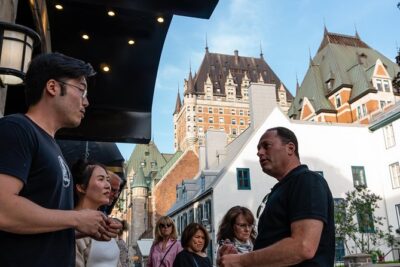
Old Quebec Classique Walking Tour with Funicular
Read our review →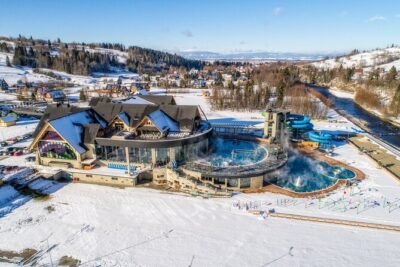
Krakow to Zakopane: Funicular, Tasting and Thermal Baths Day Trip
Read our review →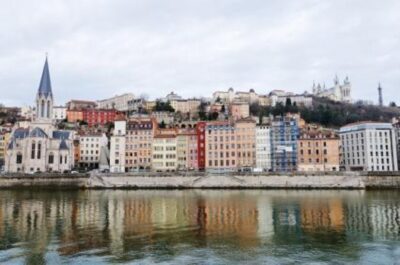
Lyon Highlights & Secrets Walking Guided Tour (small group) including Funicular
Read our review →
Ljubljana: Castle Entry Ticket with Optional Funicular Ride
Read our review →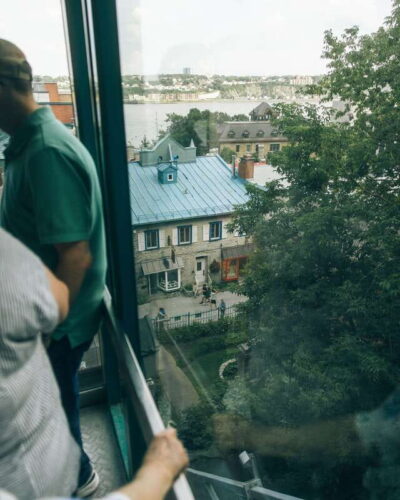

Ljubljana: Guided Walk & Funicular Ride to Ljubljana Castle
Read our review →Browse the lists this tour appears in