
Review · SWITZERLAND TRAIN JOURNEYS
Swiss Travel Pass: Unlimited Travel on Train, Bus & Boat
Switzerland’s public transport is so good that the Swiss Travel Pass can turn a complicated trip into a simple one. You can board trains, buses, trams, and boats across more than 90 towns and cities, then use the same pass for museums and selected mountain rides. It is particularly useful when your plans include several regions rather than one hotel base.
I like two things most: the freedom to change plans when rain spoils a day, and the savings on costly rail journeys and attractions. Children under 16 travel free with their parents, which can make a family trip far easier to budget. The main drawback is the upfront price, listed here at $327 per person, and not every cable car or mountain railway is included.
- Free rail, bus, tram, and boat travel: Move around Switzerland without buying a separate ticket for each ordinary journey.
- More than 500 museums: Entry includes major stops such as the Olympic Museum, FIFA World Football Museum, and Paul Klee Center.
- Mountain savings: Rigi, Stoos, and Stanserhorn are included, while many other excursions receive up to 50% off.
- Two pass styles: Choose continuous travel for consecutive days or a Flexi option for selected travel days.
- Family advantage: Children up to age 15 travel free with their parents on covered trains, buses, and boats.
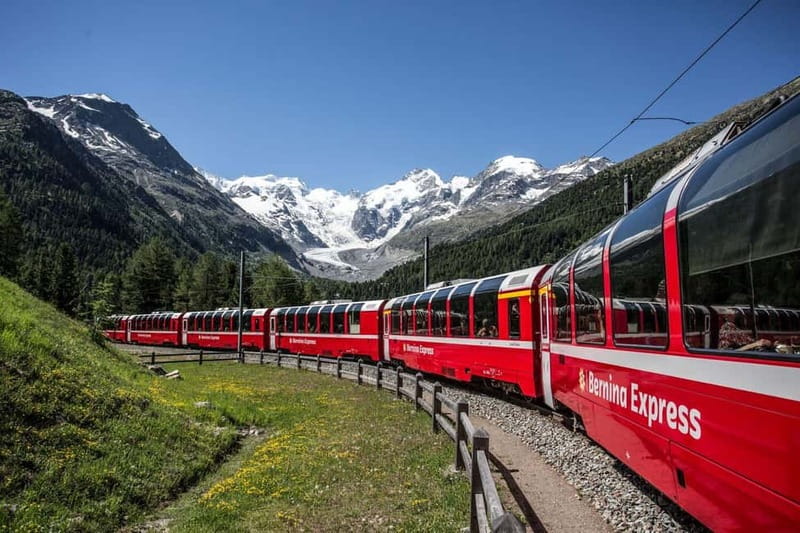
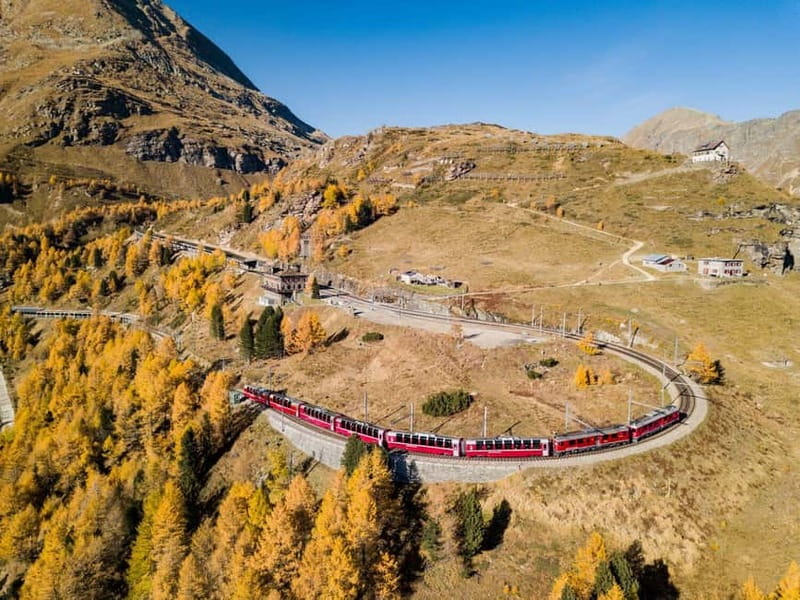
- Panoramic rail access: Glacier Express, Bernina Express, and similar trains are covered for travel, but seat reservations cost extra.
Why the Swiss Travel Pass changes the way you tour Switzerland
The best feature is not simply free transport. It is the ability to make decisions on the go.
You can spend a morning in Zurich, take a train to Bern for lunch, and continue to another town without stopping at a ticket machine each time. If rain arrives in Interlaken, you can switch plans and head somewhere else. That freedom matters in Switzerland, where fares are high and even short journeys can add up.
The pass covers ordinary public trains, buses, trams, and boats in the participating network. The supplied information describes access to more than 90 towns and cities, while the included benefits refer to more than 41 cities. The practical point is simple: coverage is broad, but you should check the exact route in the official Swiss transport network before assuming every private railway or cable car is included.
You do not need a meeting point. SWISStours sends the pass by email, and the digital ticket must be shown to the ticket inspector. Bring your passport or identity card, since the pass is personal.
Continuous or Flexi: choosing the right travel pattern
The continuous pass is easiest if you plan to travel every day for 3, 4, 8, or 15 days. It works from midnight at the beginning of the first date through midnight on the final date. A 3-day pass, for example, is not three separate 24-hour periods beginning when you first board a train.
I would choose continuous travel for a classic route with several stops, such as Zurich, Lucerne, Interlaken, Bern, and another base. It also suits you if you enjoy spontaneous side trips and do not want to count each travel day.
The Flexi version makes more sense when you plan quiet days between major outings. You might spend two days walking around one city, then activate the pass for a long rail journey, a boat trip, and a museum-heavy day elsewhere. The important detail is to understand the activation rules before you buy and to use only the chosen dates.
The pass is available for 3, 4, 8, and 15 days. The right length depends less on the number of nights you spend in Switzerland and more on how often you expect to move.
More Train Journeys in Switzerland:
- Lucerne: Mt. Pilatus Cable Car, Cogwheel Train & Lake Cruise
★ 4.7 · 2,338 reviews - Milan to St. Moritz: Scenic Bernina Train Tour with Guide
★ 4.4 · 1,840 reviews - From Milan: Bernina Train, Swiss Alps & St. Moritz Day Trip
★ 4.7 · 1,120 reviews
What a typical pass day looks like
There is no fixed group itinerary. You build the day yourself.
A rail-heavy day might begin with a local tram, continue by intercity train, and finish with a boat ride. The pass removes the need to buy each ordinary segment. You still need to check schedules, platforms, and route changes, so the SBB mobile app is extremely useful.
Several people found the app helpful for planning connections and monitoring departures. That matters because Swiss routes can include trains, buses, ferries, and walking links in one journey. The app can show the complete route rather than forcing you to work out every transfer separately.
On a museum day, the pass can guide your choices as much as your sightseeing list. You may visit one major museum, then add a smaller stop because there is no extra admission charge. This is where the pass can change your behavior: you are more likely to enter for an hour instead of skipping a museum because the ticket price feels hard to justify.
Do not confuse free transport with a reserved seat. On ordinary trains, you can generally board with the valid pass, but a crowded service may have no empty seat. One passenger found the Bern to Zurich train full while other journeys were comfortable. If sitting together matters, arrive early or check whether a reservation is available.
The museums that add real value
The pass includes entry to more than 500 museums, giving you plenty of options in poor weather or between train connections.
In Zurich, the FIFA World Football Museum is a clear choice for sports fans. The free admission can help balance the pass cost, especially if you also use local trams and trains that day.
Bern offers the National History Museum and the Paul Klee Center. The two provide very different experiences, so you can choose between national collections and modern art rather than treating museums as interchangeable stops.
Lausanne’s Olympic Museum is another strong reason to use the pass. It fits neatly into a city day and gives a focused look at the Olympic movement. Near Montreux, Château de Chillon offers a change of pace from galleries and transport hubs.
The Ballenberg Swiss Open-Air Museum adds a more spacious, place-based visit, with traditional buildings and Swiss cultural displays. Geneva’s Natural History Museum is another included option.
The exact list of participating museums can change, so check the current official directory before planning a day around a particular site. The value is greatest when you genuinely like museums, since admission savings can be substantial across several stops.
Boats, trams, and ordinary trains are part of the experience
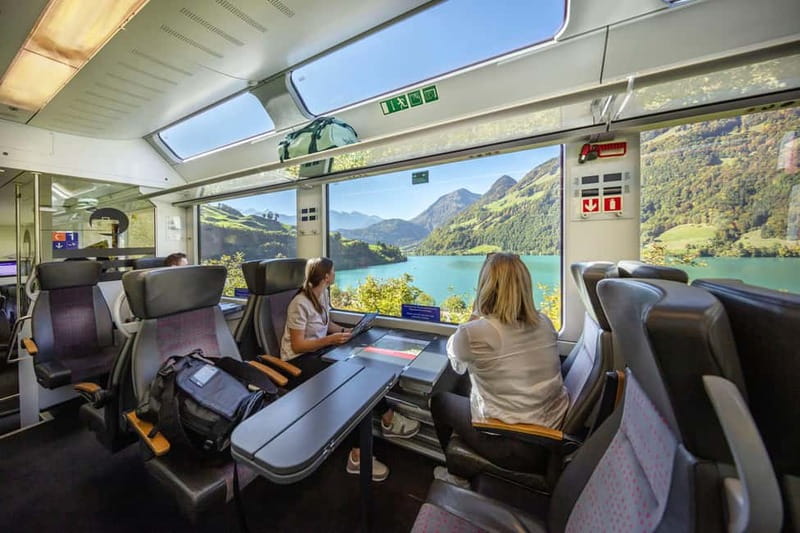
The pass is not just a rail discount card. It covers public boats and urban transport in the participating network.
Boat travel can make a long route feel like an outing rather than a transfer. You may use a lake boat between towns, then continue by train. Trams and buses are equally useful for reaching museums, hotels, and stations without paying for each short ride.
One practical wrinkle is that you may not always scan the pass when boarding a bus or tram. Keep it available anyway. Ticket checks can happen, and the digital pass is your proof of valid travel.
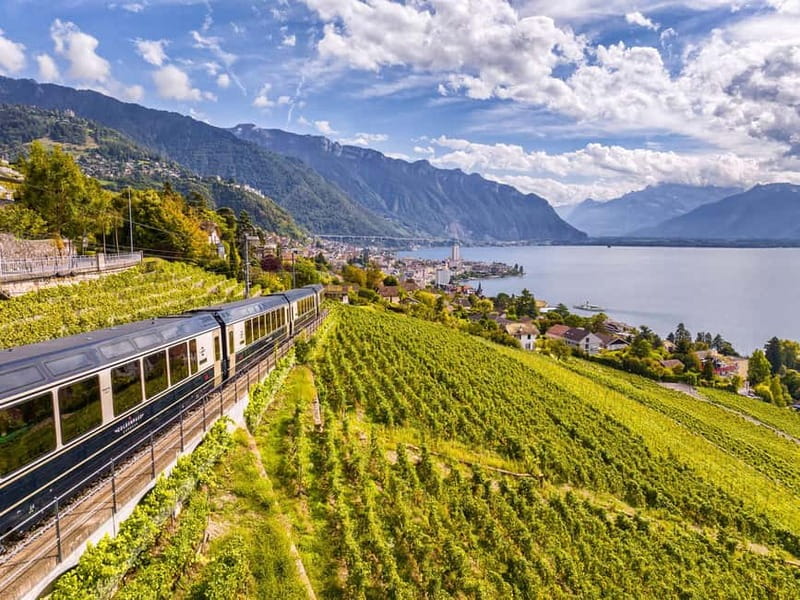
The Swiss system is known for clean vehicles and punctual schedules, but do not treat every connection as guaranteed. One delayed and canceled GoldenPass service forced a passenger to change trains several times while carrying luggage. That kind of disruption is unusual, but it is a reminder to leave breathing room around important hotel or airport connections.
Same line, a different day out:
- From Zurich: Day Trip to Jungfraujoch – Top of Europe
★ 4.8 · 2,378 reviews - From Interlaken: Guided Tour to Jungfraujoch – Top of Europe
★ 4.7 · 1,649 reviews - Interlaken: Funicular Ticket to Harder Kulm
★ 4.7 · 1,469 reviews - From Milan: Bernina Train Guided Tour to St. Moritz
★ 4.7 · 948 reviews
Mountain rides: where the savings can be excellent
Mountain transport is the area where careful planning matters most.
The pass includes journeys to Rigi, Stoos, and Stanserhorn. Those trips can be expensive when purchased separately, so they may quickly improve the pass’s value. If mountain railways, funiculars, and cable cars are central to your plans, compare the individual fares before deciding.
Most other mountain excursions receive up to 50% off. Examples include Gornergrat and Titlis, while the Jungfrau region is not fully covered. A passenger specifically noted that gondola costs in the Jungfrau area were not included, though the pass provided a 50% reduction.
This distinction is important. The pass does not mean every lift, gondola, or summit railway is free. Check each route before you commit to a day trip, particularly in famous mountain areas where private operators set their own fares.
A good approach is to list your planned excursions first. Mark each as free, discounted, or not covered. Then add your regular train and museum use. This gives you a much clearer value calculation than assuming every mountain ride is included.
Scenic trains and reservations
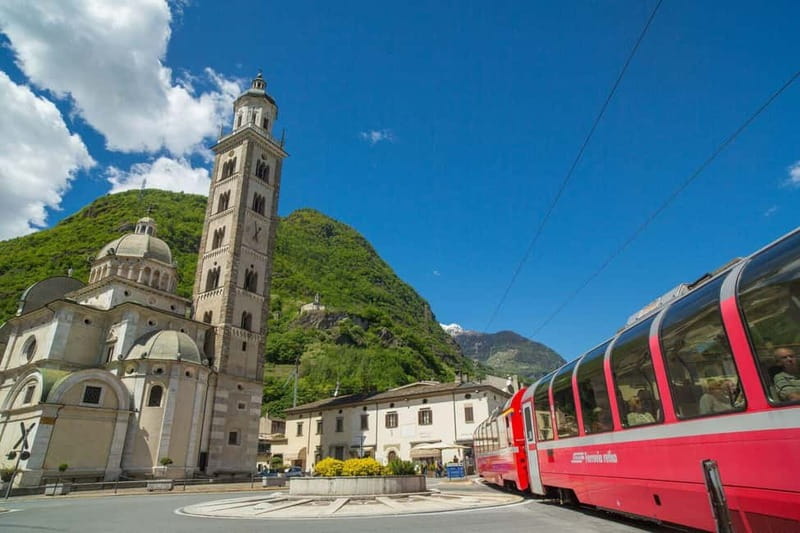
The pass covers travel on panoramic trains, but a seat reservation can cost extra. This applies to well-known routes such as the Glacier Express and Bernina Express, along with other scenic services.
You may be able to travel without paying a separate fare, yet still need to reserve a seat. The pass does not automatically guarantee a place on a popular departure. Book the reservation separately and check the requirements for your chosen train.
The same principle applies to first class. The pass can be used according to its class conditions, but upgrading costs extra. One passenger found second class comfortable and chose first class on days with luggage. For most people, second class is the sensible starting point, especially if you plan to spend more on mountain trips or museums.
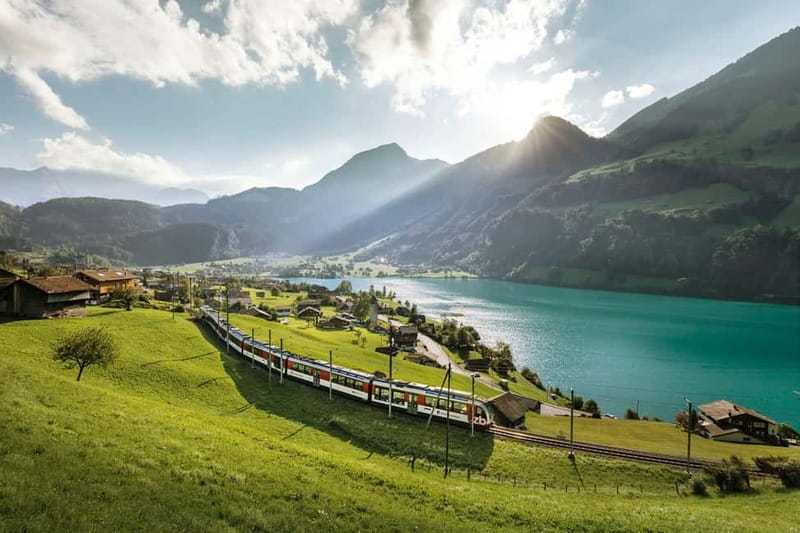
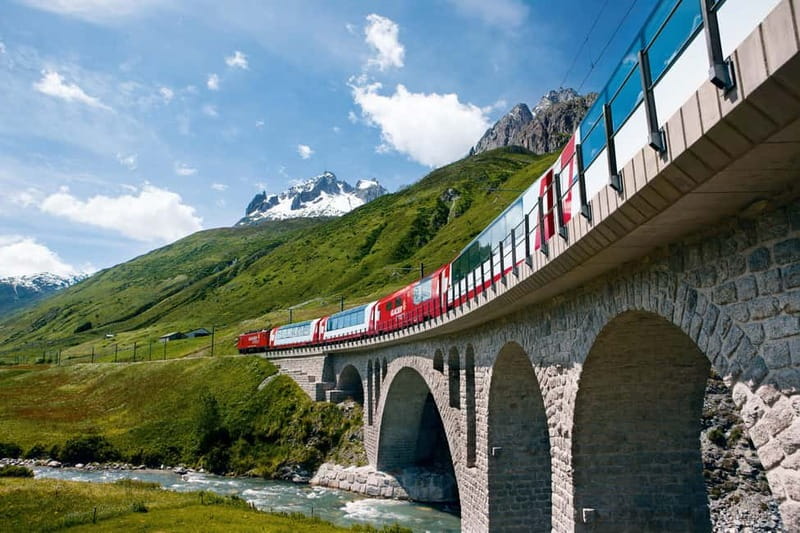
Scenic rail travel is one of the pass’s strongest uses because the journey itself is part of the holiday. You can ride the Bernina Express, Lucerne to Interlaken Express, or GoldenPass route, then use ordinary trains for the rest of your trip. Just leave room for delays and confirm reservation details before departure.
Families get a major break
Children up to age 15 travel free with their parents on covered trains, buses, and boats. This can change the family calculation considerably.
The savings are most useful on a trip with several long rail journeys, since separate child fares would otherwise add to the total. Families can also make better use of the included museums and city transport without paying an entry fee or local fare each time.
Carry the required identification for each passenger. The pass is tied to its holder, and the child benefit applies to children traveling with their parents. The provided information does not say that every mountain lift or private excursion is free for children, so check those prices separately.
Is $327 per person good value?
At $327 per person, the pass is not a bargain for a quiet holiday spent in one town. If you plan only a couple of short train rides and few museums, individual tickets may cost less.
The calculation changes when you travel between regions. Zurich to Bern, Bern to Interlaken, Lucerne to another base, boat rides, local trams, museum entries, and mountain excursions can quickly create a large total. The pass also gives you permission to change plans without worrying about another fare.
The strongest value usually comes from combining three or more benefits:
- Several intercity train journeys
- Boat routes or frequent local transport
- Included mountain trips
- A few 50% discounted mountain excursions
- Multiple museums
- Free child travel
A 15-day pass can be especially useful for an active itinerary. It lets you use transport on slower days and gives you time to take advantage of museums and discounted lifts. A 3-day pass may still work well for a concentrated rail break, but you should compare its cost against the journeys you will actually make.
Switzerland is expensive, so paying upfront can feel painful. The reward is less ticket-by-ticket arithmetic and fewer queues. I would not buy it on reputation alone. Write down your route, price the main journeys, then add the attractions you are certain to visit.
Digital delivery, cancellations, and ticket checks
The booking confirmation is not the original Swiss Travel Pass. SWISStours sends a separate digital ticket after 24 hours, and that ticket must be shown to the inspector.
Save the PDF to your phone before leaving, and take a screenshot or print a copy. This is sound advice because mobile service can be weak on some rail routes and a dead battery leaves you without proof of purchase.
Cancellation is available up to 24 hours in advance for a full refund. The pass is wheelchair accessible. There is no physical meeting point, so your trip begins when you activate and use the pass according to its dates.
Who should buy the Swiss Travel Pass?
I would recommend it most strongly to you if you plan to see several parts of Switzerland, use trains on most days, visit museums, or combine city stops with mountain trips.
It is also a strong family option because children under 16 travel free with their parents on covered transport. The pass suits independent planners who value spontaneity more than finding the absolute lowest fare for every single journey.
I would be more cautious if you are staying in one resort, taking only one long train journey, or mainly planning private cable cars that receive only a partial discount. In that case, the pass may not recover its cost.
Should you book it?
Book the Swiss Travel Pass if your plan includes frequent rail travel, several cities, museums, boats, and at least one included or discounted mountain excursion. The ease of boarding ordinary public transport is a real benefit, and the family rules can make the numbers work quickly.
Before buying, map your route and check each mountain railway and panoramic train. Remember that seat reservations are extra, some lifts are only half price, and a crowded train may not offer a seat. If your itinerary is active, the $327 cost can be a sensible investment. If you are staying put, buy individual tickets instead.
FAQ
How long is the Swiss Travel Pass valid?
The pass is available for 3, 4, 8, or 15 days. A continuous pass runs from midnight on the first date through midnight on the last date.
What transport does the pass cover?
It provides unlimited access to participating public trains, buses, boats, and trams. Coverage includes routes serving more than 90 towns and cities, with the included information also referring to more than 41 cities.
Are children included for free?
Children up to age 15 travel free with their parents on covered trains, buses, and boats.
Are mountain excursions included?
Trips to Rigi, Stoos, and Stanserhorn are included. Many other mountain excursions receive up to 50% off, but the pass does not cover every cable car or mountain railway in full.
Are museums included?
Yes. The pass includes free entry to more than 500 museums, including the Olympic Museum, FIFA World Football Museum, Paul Klee Center, National History Museum of Bern, Château de Chillon, Ballenberg Swiss Open-Air Museum, and Natural History Museum in Geneva.
Do panoramic trains require reservations?
Yes, trains such as the Glacier Express and Bernina Express may require a separate seat reservation at an additional cost. The pass covers the eligible travel, but it does not automatically reserve a seat.
How do I receive and use the pass?
The pass is sent by email as a digital ticket. The booking confirmation is not the original pass. Show the digital ticket to the ticket inspector and carry your passport or identity card.
Just added for rail travellers in Switzerland
- From Zurich: Funicular to Mt. Bürgenstock & Lake Lucerne★ 4.6 · 43 reviews
- Lucerne: Boat Trip, Mount Rigi Train, & Mineral Baths Ticket★ 4.7 · 60 reviews
- Lucerne: Mt Rigi Day Trip with Cruise, Cable Car, & Train★ 3.7 · 13 reviews
- Monte Brè Tour from Lugano by funicular★ 4.5 · 61 reviews
- From Zurich: Jungfraujoch Guided Day Tour with Cogway Train★ 4.4 · 61 reviews
- From Saint Moritz: Bernina Red Train to Tirano★ 4.3 · 65 reviews
- Zurich: Audio Guided City Tour and Train to “Top of Zurich”★ 4.2 · 65 reviews
- Grand Rail Tour of Switzerland★ 5.0 · 68 reviews
Switzerland Train Journeys, compared.
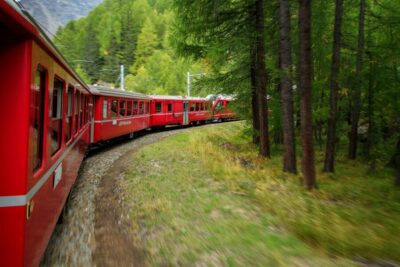
Milan to St. Moritz: Scenic Bernina Train Tour with Guide
Read our review →
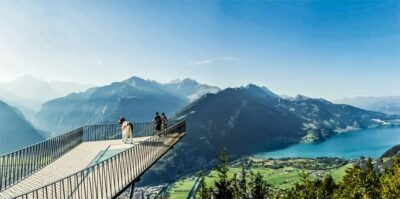
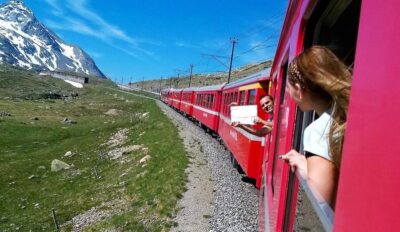
Bernina Train, Swiss Alps & St. Moritz Day Trip
Read our review →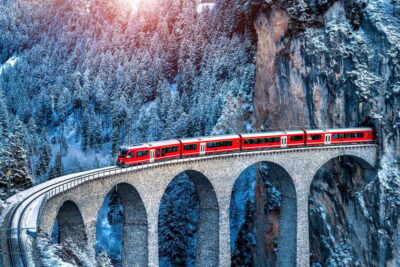
St Moritz & Alps Day Trip with Bernina Red Train
Read our review →
Browse the lists this tour appears in