
Review · FRANCE TRAIN JOURNEYS
Train Exp. through the Alps (Royal Baroque Route from Nice)
The most memorable part of this day is the train itself. From Nice, the line climbs through narrow valleys, tunnels, bridges, and gorges toward the French Alps, trading the Riviera for medieval villages and mountain views. It is a real regional railway, not a private sightseeing train, which makes the trip feel more local and less staged.
I like two things especially: the beautiful rail journey makes Alpine scenery easy to reach without a car, and the guides, often Carmela or Cyril, add lively stories about border wars, Italian influence, churches, and village life. The generous local lunch is another strong point.
The main caution is simple: this is more active than the word train might suggest. You may walk about 9 miles, with steep stairs and uphill paths to castles or monasteries. Routes can also change because of weather, train timing, bridge repairs, or the group’s pace.
What makes this Alpine day trip worth considering
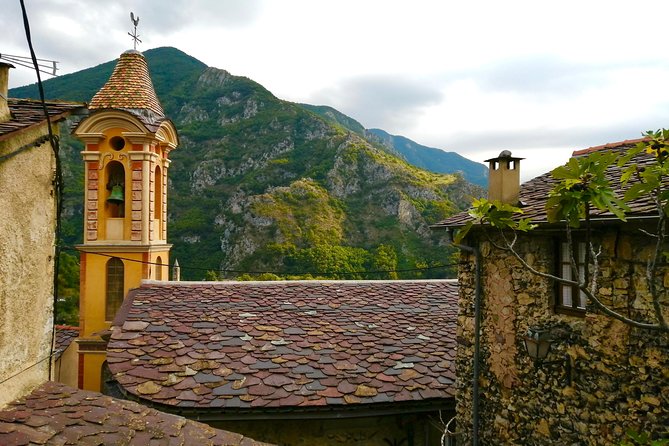
- The train climbs from Nice into the maritime Alps, passing through historic valleys, tunnels, bridges, and canyons.
- Saorge and Tende offer very different village experiences, from a medieval hillside settlement and monastery to an Italian-influenced Alpine town.
- Lunch is part of the day, with local fare served as a picnic or at a traditional restaurant, depending on the route.
- The walking is substantial, with a steep 150-meter climb to Saorge Monastery and possible castle or citadel hikes.
- The route is flexible, and may include La Brigue, Annot, Entrevaux, Puget-Théniers, or Touët-sur-Var instead of the advertised villages.
- The group can be as large as 30 people, though some departures may be much smaller.
The railway from Nice into the mountains
Meet your guide at Nice-Ville station in the morning, beside the Boulangerie Paul terrace near the main entrance on Avenue Thiers. The stated meeting time is 7:55 a.m., with departure around 8:00 or 8:30 a.m. The train will not wait, so this is one morning when arriving early matters.
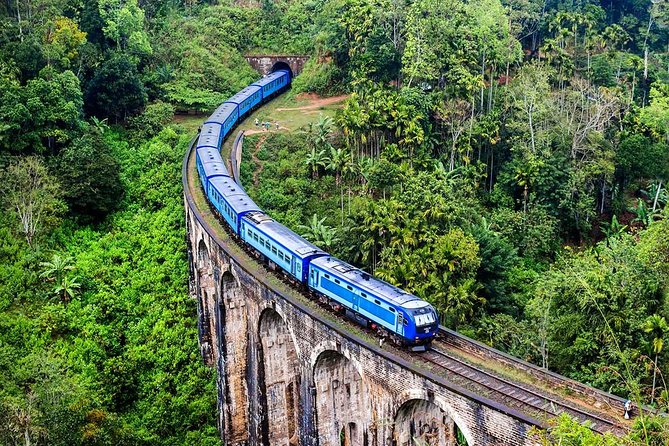
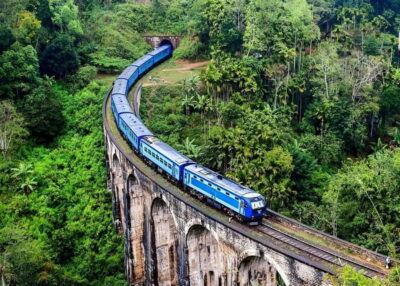
The route follows a historic railway connecting Nice and the French Riviera with the southern Alps and, farther north, the Piedmont region of Italy. As the train leaves the city, the setting changes quickly. Urban streets give way to steep valleys, rocky gorges, bridges, and villages tucked into the hills.
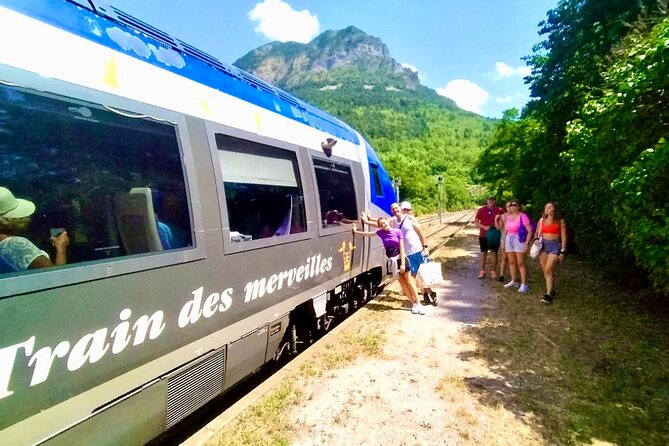
The train is a regular regional service, not a carriage reserved only for this excursion. That is worth knowing before you book. You will share the ride with other passengers, and the exact train experience can vary. The reward is that you are using the same practical rail line that links the mountain communities to Nice.
Bring a camera, but do not spend the entire ride looking through it. Some of the best views appear suddenly through tunnels and around bends. Your guide will also point out engineering features and explain how the railway helped connect isolated communities.
One useful warning: this is not a high summit tour. The villages are generally around 800 to 900 meters when the longer hiking route is used. In winter, you might see snow, but snow-covered peaks are not guaranteed. The day is about mountain valleys, old villages, and local culture rather than dramatic high-alpine summits.
More Train Journeys in France:
- From Geneva: Day Trip to Chamonix with Cable Car and Train
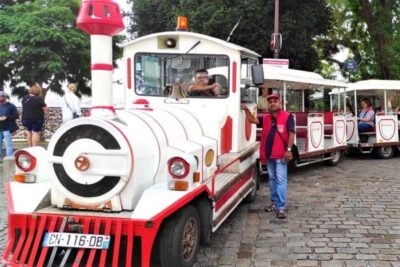
★ 4.7 · 1,015 reviews - Nice: A gentle ride on a small electric train with panoramic views
★ 4.4 · 806 reviews - Bordeaux: Little Electric Train Tour
★ 4.2 · 429 reviews
Saorge, a hillside village with a peaceful monastery
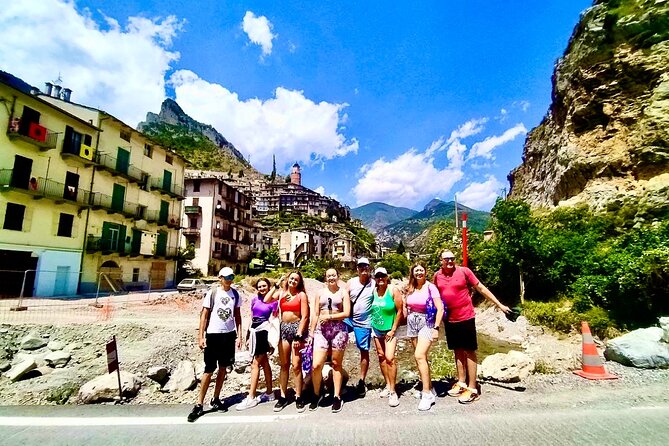
When Saorge is part of the route, expect a medieval village built into a steep slope. Its position once gave it defensive value, and the village still feels shaped by the mountain rather than laid out on level ground.
You may walk uphill through narrow lanes toward the monastery. The climb to the Monastery of Saorge rises about 150 meters and includes stairs, so do not treat it as a casual stroll. If you have a sore knee, poor balance, or limited endurance, ask the guide about the alternatives before setting out.
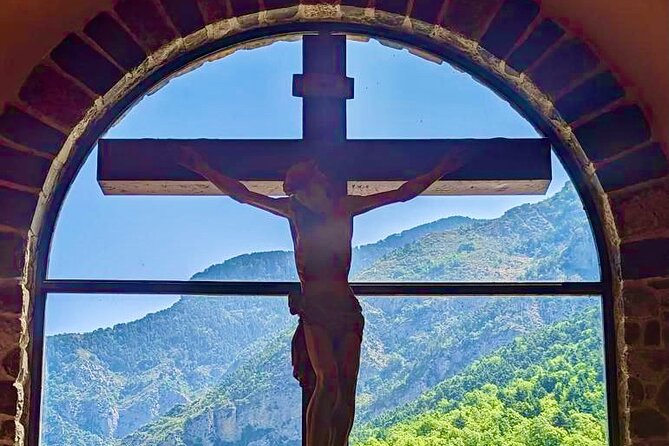
The monastery is the reward. Its church, rooms, courtyard, gardens, and quiet setting make it one of the day’s most unusual stops. The views reach across the Alps and the surrounding canyons, while the building itself offers a calmer experience than the more strenuous walk suggests.
The guide usually adds the context that turns a pretty village into a meaningful stop. You will hear about the former border between France and Italy, the Italian Kingdom, local wars, medieval defenses, and the way religion shaped these mountain communities.
Saorge is also a good example of why this tour does not feel like a quick photo stop. The paths are steep, and you need time to understand the village’s structure. At the same time, the terrain means that not every part of the stop is equally comfortable for every person in the group.
Tende and the Italian side of the Roya Valley
Tende offers another view of the region. It has a strong Italian heritage and only became French relatively recently, so the food, architecture, and local identity reflect the complicated border story of the Roya Valley.
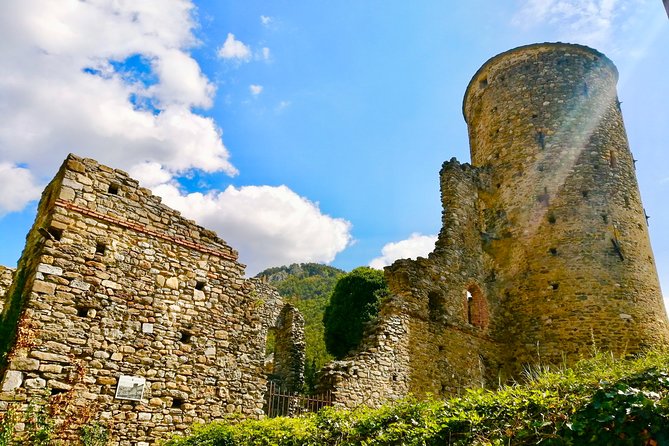
The village includes a cathedral, old monuments, castle ruins, and high viewpoints. Reaching some of these places means climbing stairs or steep lanes. The route is manageable for a reasonably fit person, but it can feel demanding after a full train ride and earlier walking.
Lunch in Tende is one of the day’s practical pleasures. Depending on the exact arrangement, you may receive a picnic of local products or eat at a traditional restaurant. The restaurant version has received especially warm praise for generous portions, varied choices, local wine, and accommodating service.
Tell the operator about dietary needs when booking. The guide may also help explain or translate the menu, which is useful in a small mountain town where English may not be widely used.
Tende can be quiet, particularly outside the main season. That is part of its appeal, but it also means you should not expect a busy shopping district or a long list of open cafés. The value is in the village, views, food, and stories rather than retail entertainment.
The itinerary may include a museum connected with prehistoric rock engravings, depending on the day and season. That visit is not guaranteed, so consider it an extra possibility rather than a central promise of the tour.
La Brigue, the Roya Valley, and route changes
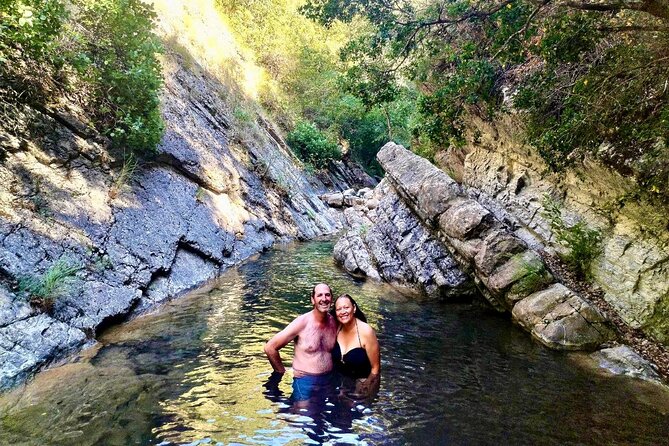
La Brigue is another possible stop along the railway. Like Tende and Saorge, it offers old buildings, mountain views, and a strong sense of the border region’s mixed identity.
The operator may adjust the route according to weather, season, train schedules, local closures, bridge repairs, or the physical ability of the group. Other departures have included Annot, Entrevaux, Puget-Théniers, and Touët-sur-Var.
This flexibility can work in your favor. A closed bridge or poor weather does not necessarily end the day, because the guide may substitute another village with a suitable walk and lunch. One departure even changed villages after a bridge closure and continued with food, wine, village visits, and a hike.
The tradeoff is that the exact experience is not fixed. You may book expecting Saorge and Tende, then visit two other historic villages instead. Read the description as a picture of the type of day, not as a rigid guarantee of every stop.
This matters if you have your heart set on one particular monastery, castle, or museum. It matters less if your goal is to see the French Alps by rail and spend time in small mountain communities.
Same line, a different day out:
- Lyon Highlights & Secrets Walking Guided Tour (small group) including Funicular
★ 5.0 · 831 reviews - From Nice: Historic Train Ride & Alps Villages
★ 4.8 · 312 reviews - Paris: Montmartre Train Ride w/ Optional Seine River Cruise
★ 4.2 · 250 reviews - Disneyland® Paris Tickets for Train and Parks
★ 4.3 · 249 reviews
The hiking is the real test
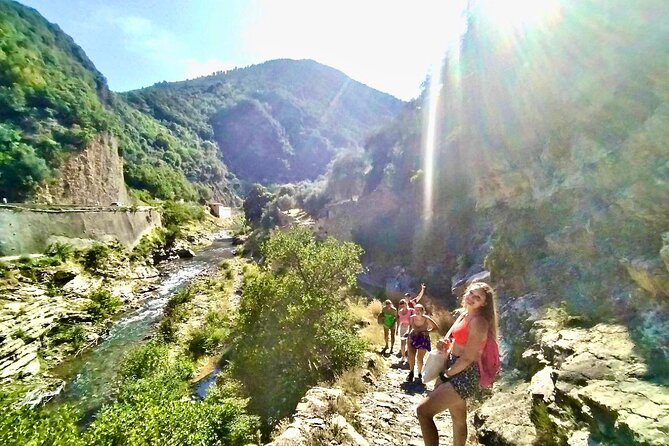
The tour description uses moderate fitness language, but the actual day can be more demanding than that suggests. A full route may involve roughly 15 kilometers, or about 9 miles, on foot, along with steep stairs and uphill paths.
The most challenging sections lead to a castle, citadel, monastery, or high viewpoint. One climb may last close to an hour. You do not need to be a serious hiker, but you should be comfortable walking for several hours and climbing without rushing.
I would prepare as if this were an active walking day:
- Wear firm walking shoes with good grip.
- Bring water and clothing for changing temperatures.
- Expect cooler conditions in the mountains than in Nice.
- Keep rain protection in your day bag.
- Tell the operator about mobility concerns before the trip.
- Do not rely on cafés or shops being open in the afternoon.
Some stops offer alternatives for people who skip the longest climb. You may explore the village, visit a bar, buy a drink or local product, or return earlier. In quieter months, though, shops and eateries may close for part of the afternoon, leaving limited choices.
This is the most important booking decision. If you want a relaxed village excursion with little walking, choose a shorter or less active outing. If you enjoy a full day outdoors and do not mind working for a viewpoint, this tour gives you far more than a train ride.
Why the guides matter so much
A day with several train connections, changing villages, and historic walks needs a capable guide. Carmela is often praised for clear directions, patience, menu translation, and detailed explanations. Cyril brings humor and energy, along with stories about local history and current life. Samuel has also led departures.
Guide quality matters here because the region is not easy to navigate independently in one day. The guide handles meeting instructions, train timing, village orientation, and changes to the route. You also get explanations that would be easy to miss if you simply walked around alone.
The best guides adjust their pace and explain the options without forcing everyone onto the steepest path. Some have even arranged special local encounters, such as a church musician playing for the group or a small museum opening outside normal expectations. These moments cannot be promised, but they show the value of having a local connection.
The maximum group size is 30, so the experience is not always intimate. Smaller departures will feel easier to manage, especially on narrow village paths. In a full group, stay close to the guide, particularly when stopping for photographs.
Lunch and the value of the $204 price
At about $204.37 per person, this is not the cheapest way to visit the Alps. You are paying for a full-day experience, round-trip train transport, guide service, village visits, and lunch arrangements. The price becomes easier to justify if you would otherwise need to rent a car, plan regional rail connections, research walking routes, and arrange food in several remote towns.
The lunch is a meaningful part of the value. A well-prepared local meal gives you a taste of the hinterland rather than another quick sandwich near a station. Portions can be generous, and some meals include wine. A picnic option may be offered instead, depending on the route.
The value is weaker if you plan to skip most of the walking or if your main goal is simply to ride the train. In that case, you may spend a long day waiting while the active part of the group climbs to a castle or viewpoint.
I also recommend checking the final details by text the day before. The guide sends advice about temperature, weather, and clothing. That message is useful because Nice can be warm while the mountain villages are cooler and wetter.
Weather, timing, and the long return to Nice
The normal day lasts about 10 to 12 hours and ends back at the Nice-Ville meeting point. A full route may return around 7:00 p.m., while a longer second hiking stop can push the return closer to 9:30 p.m.
That late finish affects dinner plans. Keep the evening open and avoid booking a tight connection or an important reservation in Nice. Train waits can also be long when the group returns from a village, particularly after a route change.
The tour operates in most weather, but it may be canceled if rain is expected all day. Light rain or a brief change in conditions can lead to an adjusted itinerary instead. The guide may choose a different village, reduce the walking, or return earlier.
Free cancellation is available up to 24 hours before the start time. If the operator cancels for poor weather or because too few people have booked, you can choose another date or receive a full refund.
Who should book this experience?
I would choose this tour if you are staying in Nice and want a practical way to reach the inland Alps without driving. It suits people who enjoy local trains, village history, mountain scenery, and a full day outside.
It is especially good for anyone who likes a guide with personality. Carmela and Cyril are known for making the past understandable without turning the day into a lecture. Their humor and attention to individual needs can make the long schedule feel more manageable.
I would hesitate if you have limited mobility, dislike steep paths, or want a predictable timetable. The route can change, some villages are quiet outside the main season, and the longer walks are not merely optional decoration. They are a major part of the experience.
Families can book, but children must be accompanied by an adult. Older children who enjoy walking may have a wonderful day. Adults should be realistic about the climbs and the late return.
Should you book the Royal Baroque Route from Nice?
Book it if you want the French Alps in a practical, active package: a scenic railway, small medieval villages, local food, and a guide who can explain the region as you go. The strongest moments are the train through the valleys, the quiet monastery at Saorge, the views above the villages, and the hearty lunch.
Skip it if you want a gentle sightseeing day or a guaranteed visit to one exact village. This is a flexible mountain outing with real walking, not a polished coach tour with a fixed schedule.
For the right person, the $204 price buys a day that would be complicated to arrange alone. Arrive early, pack for changing weather, wear proper shoes, and treat the route changes as part of the adventure rather than a flaw.
FAQ
Where does the tour start?
Meet at Nice-Ville railway station, at the Boulangerie Paul terrace beside the main entrance at 12 Avenue Thiers. The stated meeting time is 7:55 a.m., with the departure scheduled around 8:00 or 8:30 a.m.
How long does the experience last?
Plan on about 10 to 12 hours. Some longer hiking itineraries may return to Nice around 9:30 p.m.
Which villages will the tour visit?
The planned route can include Saorge, Tende, La Brigue, and other villages in the Roya Valley. Depending on weather, season, closures, and the group’s pace, the itinerary may instead include Annot, Entrevaux, Puget-Théniers, or Touët-sur-Var.
Is lunch included?
Yes. The day includes local food, either as a picnic or through a meal at a traditional restaurant, depending on the itinerary. Tell the operator about dietary requirements when booking.
How much walking is involved?
The full experience can involve about 15 kilometers, or 9 miles, of walking. There may also be steep stairs and uphill climbs, including an ascent of about 150 meters to Saorge Monastery.
Is the tour suitable for people with limited mobility?
The tour requires a moderate to good level of physical fitness. Some village visits can be enjoyed without completing the longest hike, but steep paths, stairs, and extended walking are part of the experience.
What happens if the weather is poor?
The tour operates in most weather conditions but may be canceled if it rains all day. If the operator cancels because of poor weather or insufficient bookings, you will be offered another date or a full refund.
Just added for rail travellers in France
- Versailles: Semi-Private Guided Tour with Train★ 4.5 · 16 reviews
- LOURDES : COME FOR A DAY – Private Day-trip from PARIS by High Speed Train★ 4.5 · 24 reviews
- Aix-en-Provence by Electric Tourist Train – City Center Circuit★ 4.0 · 67 reviews
- Saint-Raphaël : The Little Train of Saint Raphaël Tour★ 4.3 · 79 reviews
- The Little Train of Sainte-Maxime★ 4.3 · 75 reviews
- Tour with the Mountain Train, Trek to Mystic Forest and Castle★ 5.0 · 101 reviews
- Welcome to Paris Day Trip from London via Train★ 4.5 · 124 reviews
- Antibes: 2-Way Little Train of Antibes Tour to Juan-les-Pins★ 4.2 · 140 reviews
France Train Journeys, compared.
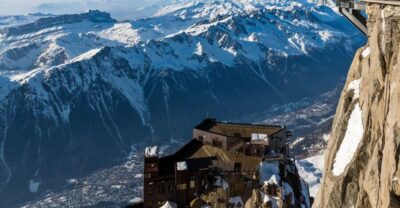
Day Trip to Chamonix with Cable Car and Train
Read our review →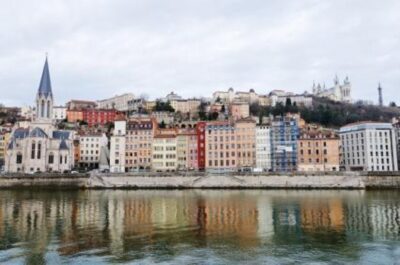
Lyon Highlights & Secrets Walking Guided Tour (small group) including Funicular
Read our review →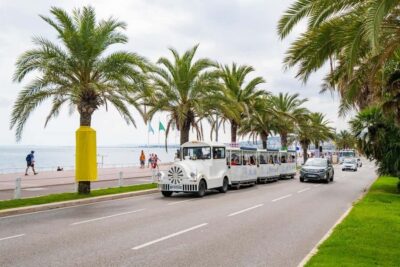
A gentle ride on a small electric train with panoramic views
Read our review →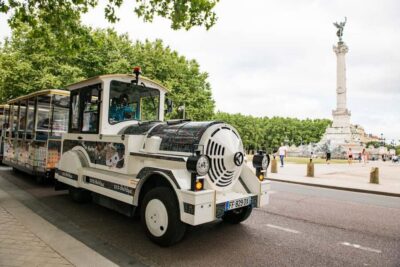
Montmartre Train Ride w/ Optional Seine River Cruise
Read our review →
Browse the lists this tour appears in