
Review · VIETNAM TRAIN JOURNEYS
Saigon Railway Village Photo Tour
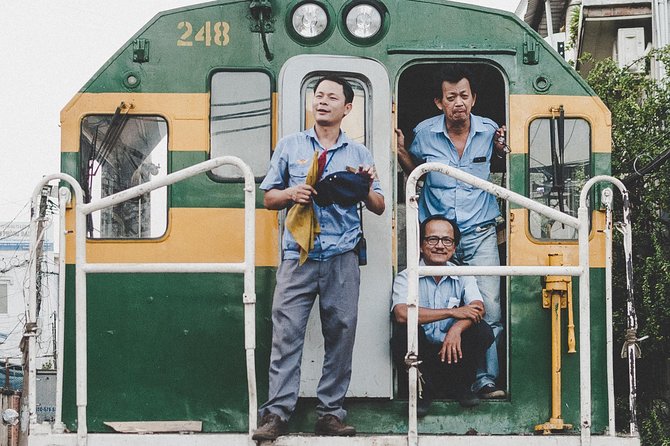
Saigon Railway Village wakes before most of Ho Chi Minh City. At 5:30 am, you begin near the railway station, when the light is soft and residents are starting the day. The appeal is not just a train photo. It is the chance to photograph a working neighborhood as it moves from quiet morning routines toward the day’s rush.
I like the small maximum group of five, which gives a photography guide room to look at your settings and composition. I also like the practical teaching: you work on building a picture story, not just collecting random shots. Guides named in past bookings include Eileen, Paul, Juan, Adrien, and Victor.
The early start is the main trade-off. You will need to be ready before dawn, and the food and drinks are not included even though you have time for coffee, noodles, or banh mi. The price is also a serious $119 per person, so this makes the most sense if photography is central to your plans.
Key points at a glance
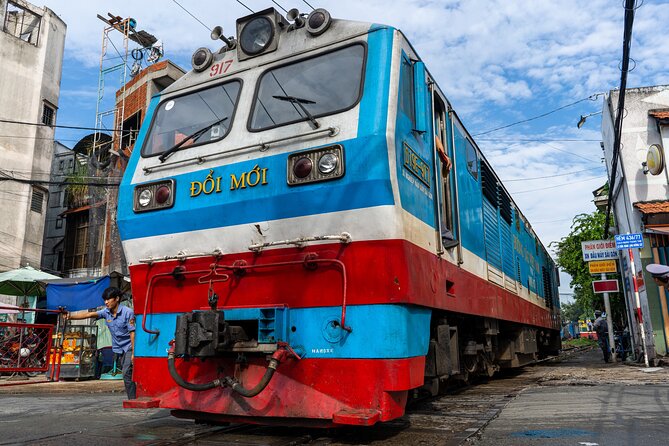
- Saigon’s answer to Hanoi Train Street: Photograph railway life in Ho Chi Minh City rather than joining the better-known Hanoi scene.
- A 5:30 am start: Early light gives you softer color and a chance to see the neighborhood waking up.
- Hands-on camera coaching: Review settings, angles, composition, and the idea of creating a picture story.
- A preserved steam locomotive: Begin at Saigon Railway Station with an old engine linked to Vietnam’s railway past.
- A maximum of five people: The small group suits photographers who want direct help rather than a general sightseeing walk.
- Two-way central hotel transfers: Pickup and return remove the need to arrange an early morning ride yourself.
Why the railway village makes a strong photo subject
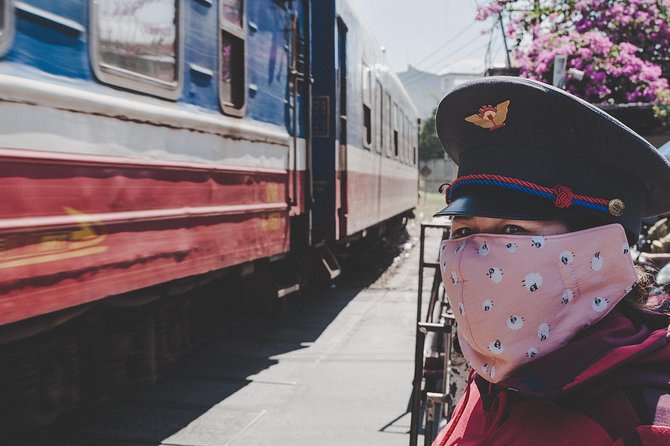
Ho Chi Minh City is often photographed through scooters, markets, colonial buildings, and crowded streets. The railway village gives you a different frame. Tracks cut through a residential area, so the pictures can connect people, homes, transport, and morning routines in a single setting.
That matters because good street photography is rarely about one famous object. A train can be dramatic, but the stronger image may show a resident preparing for the day, a narrow view down the rails, or a moment when people and machinery share the same space. The guide’s job is to help you notice those links.
You are not simply taken to a viewpoint and left to work alone. The tour begins with a look at how to create a picture story. That is useful if your photographs often feel like isolated snapshots. You can think about an opening image, close details, portraits, movement, and a final scene that gives the morning a sense of place.
The area also offers a more ordinary side of Ho Chi Minh City. You may see the railway zone as residents use it, rather than as a set built only for visitors. That is the main reason to choose this experience over a standard city photo walk.
More Photo Sessions in Vietnam:
- Kamakura Tour with Pro Photographer: Anime Train & Fuji Sunset
★ 5.0 · 4 reviews - Kamakura Tour with Pro Photographer: Anime Train & Fuji view
★ 5.0 · 2 reviews
Starting with the steam locomotive at Saigon Railway Station
The first stop is Saigon Railway Station, where the guide introduces the morning and reviews your camera settings. The old steam locomotive near the station entrance is the first subject.
It is an easy place to begin. You can test exposure, focus, lens choice, and framing before the walk becomes more active. The locomotive also gives the guide a clear way to discuss how to photograph an object with age and character without producing a flat record shot.
If you use a camera with manual controls, this opening review can be especially useful. You can ask about shutter speed for movement, aperture for separating a subject from its surroundings, or how to handle the changing light of early morning. The exact advice will depend on your camera and skill level, but the stated aim is practical instruction rather than a lecture.
You do not need to arrive already fluent in photography. The tour is aimed at improving your technique, and past experiences have included both camera lessons and advice on finding better angles. If you are already experienced, tell the guide what you want to improve so the time does not get spent on settings you already know.
The locomotive is also a useful reminder that the railway is more than a photo prop. Vietnam’s rail network has been part of the country’s story for about a century, and this old engine gives the tour a physical starting point before you move into the living neighborhood.
Following the tracks as Saigon wakes
After the station introduction, the focus shifts to life along the railway. The exact photographs will depend on the morning, weather, train movements, and the people you encounter. That unpredictability is part of street photography, but it also means you should not expect a fixed series of perfectly timed scenes.
The guide helps you wait, watch, and choose. You may work on placing a subject against the rails, using the lines to draw the eye, or finding a foreground detail that gives a person or train more context. The point is to make deliberate choices instead of firing at everything that moves.
The early hour is important. Golden morning light can give faces, walls, tracks, and passing trains a softer look than the hard midday sun. It also lets you photograph the neighborhood as it changes from quiet to active. The experience is designed around that transition, from the first signs of the day to heavier traffic later in the morning.
You should keep your expectations flexible. The supplied information does not promise a particular train arrival time, a set number of trains, or a specific route through the village. You are paying for guided access to a photographic setting and instruction, not a guaranteed train spectacle.
That is not a weakness unique to this tour. Street photography depends on real life, and real life does not follow a script. The best result may be a series of smaller scenes rather than one famous railway image.
Learning to make better street photographs
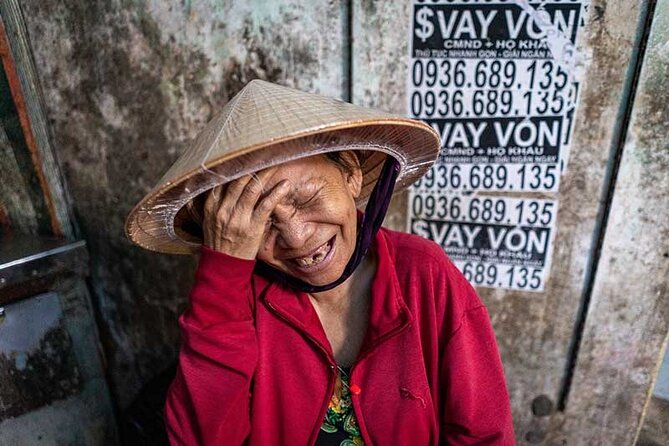
The strongest feature here is the teaching. Guides have helped people with camera settings, composition, angles, portraits, and the selection of good places to shoot. One past guide, Victor, began by asking about the photographer’s ability and style, which is the right approach for a private-feeling small group.
Eileen has also been praised for helping with detail, composition, and portrait work. Paul has been described as someone who knows where to shoot and how to adjust the camera. Juan and Adrien have been noted for finding places that a visitor might not locate alone. Guide assignments can change, so you should not book on the assumption that one particular person will lead your date.
The practical benefit is that you can apply the advice during the walk. If the guide suggests changing your position, waiting for a cleaner background, or using a different setting, you can see the effect straight away. That makes the lesson easier to remember than advice given in a classroom.
I especially like the attention to camera settings because morning light can shift quickly. You may begin in low light, then work in brighter conditions as the sun rises. A guide can help you respond rather than leave the camera on one setting for the whole outing.
Still, this is not a full photography course. Four hours gives you time to practice, but not enough time to cover every part of your camera or develop a complete body of work. If you want the most from it, arrive with a few questions and know how to access your basic controls.
More Train Journeys in Vietnam:
- Hanoi Walking Street Food Tour with Train-Street Visit
★ 5.0 · 857 reviews - Da Nang: Hue Imperial Day Trip, Hai Van Pass Train, & Lunch
★ 4.8 · 619 reviews - Hanoi Jeep Tour: Red River Countryside+ Backstreet+ Train-street
★ 5.0 · 338 reviews - Hue Citadel tour by authentic Train via Hai Van Pass from Da Nang
★ 5.0 · 337 reviews
Coffee, noodles, or banh mi after the shooting
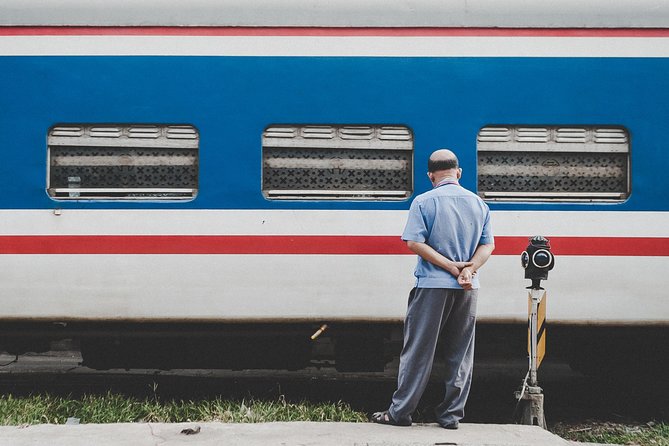
Food is part of the morning rhythm, but it is not included in the $119 price. You have the chance to stop for local coffee and either noodles or banh mi, paying for your own meal and drinks.
This break has real value beyond filling your stomach. You can look back at the images you have made, ask the guide about shots you are unsure about, and experience a simple local breakfast rather than ending the tour as soon as the photography stops.
Do not read the meal mention as a formal food tour. The central purpose remains photography, and the available description does not specify a particular café, noodle dish, or banh mi shop. What you get will depend on the morning and the guide.
If you are sensitive to early starts, plan a light meal before pickup or bring water. The food stop is an opportunity, not a replacement for breakfast planning.
Small-group attention and hotel transfers
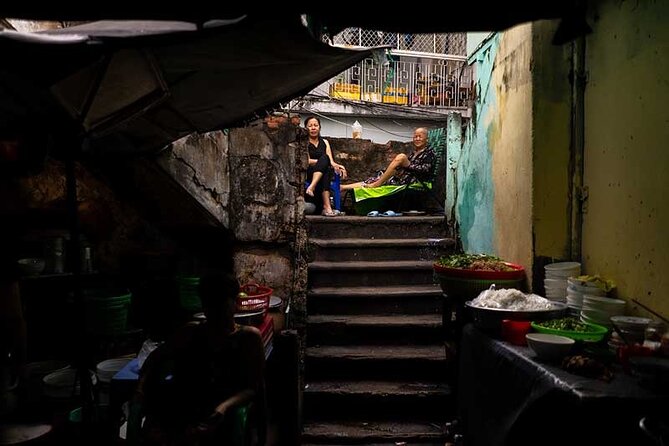
The group maximum is five people. That is a useful limit for a photography walk because a large crowd can block narrow spaces, slow down movement, and make personal instruction difficult. With five or fewer, you have a better chance to ask questions and show the guide an image on your camera.
The tour offers pickup and return transfers from central Ho Chi Minh City hotels. This matters at 5:30 am, when arranging transport on your own can be less convenient and less appealing. You avoid the stress of self-driving and can focus on arriving with your camera ready.
The exact pickup arrangement depends on your hotel and booking details, so central location matters. If your accommodation is outside the central hotel area, confirm the transfer before booking rather than assuming it is included.
The experience lasts about four hours. That is long enough for an introduction, the station, time along the tracks, changing light, and a food stop, but short enough to leave the rest of your day free. You could use the afternoon for editing, sightseeing, or simply catching up on sleep.
Is $119 a fair price?
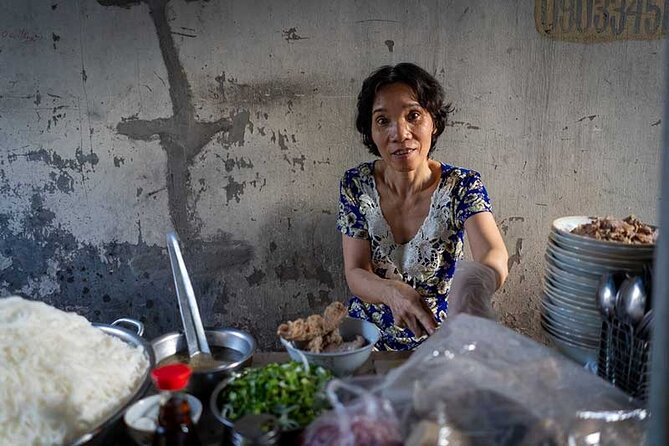
At $119 per person, this is not a cheap way to see the railway area. You are paying for a professional photographer guide, a small group, early hotel transfers, and structured instruction. Food and drinks cost extra, and tips are not included.
The value depends on what you want from the morning. If you only want to take a few pictures near the tracks, you may find the price hard to justify. If you want feedback on your technique and a guide who can help you see the city differently, the cost becomes easier to understand.
A useful comparison is the price of a standard private photo lesson plus early transport. This tour combines both with access to a focused setting and a group size capped at five. It is not a bargain, but it is more than a ride to a photo stop.
The best value comes when you use the guide actively. Ask for help with your camera, show your images, discuss composition, and explain the kind of photographs you want to make. A passive approach will waste much of what you are paying for.
Who should book this early morning tour?
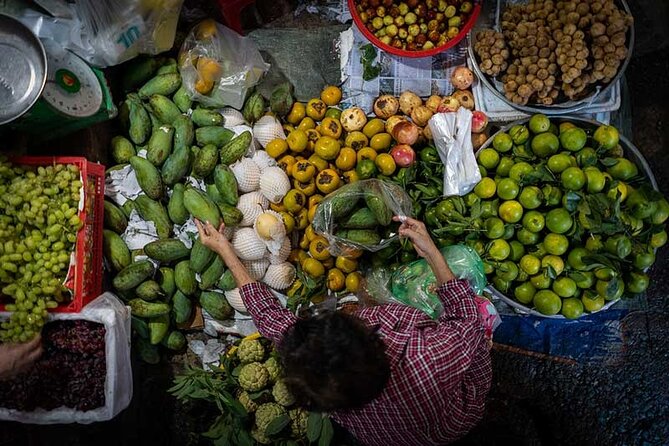
I would recommend it most strongly to photographers who want a practical lesson during their first days in Vietnam. Several past experiences have helped people improve their photography for the rest of their trip, especially with angles, settings, and deciding what makes a strong shot.
It also suits anyone who wants to see a less polished part of Ho Chi Minh City. You are not limited to famous central sights. The railway village offers daily life, working transport, and a neighborhood setting that you might not find alone.
Beginners can benefit from the camera review and clear exercises. More experienced photographers may prefer the guide’s help with timing, portraits, composition, and finding stronger positions. Tell the guide your level so the instruction can match your needs.
I would be more cautious if you dislike early mornings, want a relaxed general tour, or need certainty about seeing a train at a precise time. The schedule is built around morning light and real activity, not guaranteed picture moments.
The tour also requires good weather. If poor weather causes cancellation, you are offered another date or a full refund. Free cancellation is available when you cancel at least 24 hours before the start time. Changes or cancellations made later are not refunded.
My call: book it for the lesson, not just the train
Book this if you want a compact, hands-on photography session in a part of Ho Chi Minh City that feels tied to everyday life. The strongest reasons are the five-person limit, the early light, the personal camera advice, and the chance to build a connected picture story rather than a pile of unrelated images.
Skip it if you only want a quick railway photo or if the $119 price does not fit your budget. You can also pass if waking before dawn sounds miserable. For the right person, though, the combination of a professional guide, central hotel transfers, and a real neighborhood setting makes this one of the more useful photography outings in the city.
FAQ
What time does the tour start?
The tour starts at 5:30 am.
How long does the experience last?
It lasts approximately four hours.
Where does the tour begin?
The tour begins at Saigon Railway Station.
Is hotel pickup available?
Yes. Two-way transfers are offered from central Ho Chi Minh City hotels.
How many people can join?
The maximum group size is five travelers.
Is food included in the price?
No. Food and drinks are not included. You have the opportunity to buy coffee, noodles, or banh mi during the morning.
Is a professional photographer included?
Yes. A professional photographer guide is included.
Do I need advanced photography skills?
No specific skill level is required. The tour includes a review of camera settings, composition, and how to create a picture story.
Can most people participate?
Yes. Most people can participate, and no health restrictions are listed.
What happens if bad weather cancels the tour?
You will be offered a different date or a full refund.
Can I cancel for a full refund?
Yes. You must cancel at least 24 hours before the experience start time for a full refund.
Just added for rail travellers in Vietnam
- Trekking Sapa – Bac Ha Market: Sleep on Train & Homestay★ 4.5 · 7 reviews
- Sapa Trekking Tour by Night Train from Hanoi 3 Nights – 2 days★ 5.0 · 7 reviews
- Hanoi city tour and drinking beside railway- group tour★ 4.0 · 7 reviews
- Private Overnight Train Hanoi To Sapa Or Return★ 3.5 · 10 reviews
- Sapa 3 Days Trekking Tour ( Overnight Train + Homestay + Hotel )★ 5.0 · 4 reviews
- 3 Days Sapa Tour with Night Train from Hanoi★ 4.5 · 8 reviews
- Hanoi Michelin Star Street Food Walking Tour & Train-Street★ 5.0 · 8 reviews
- Sapa 2 Days 1 night By Bus/Train – Overnight in Hotel 3* With Mountain View★ 4.0 · 2 reviews
Vietnam Train Journeys, compared.
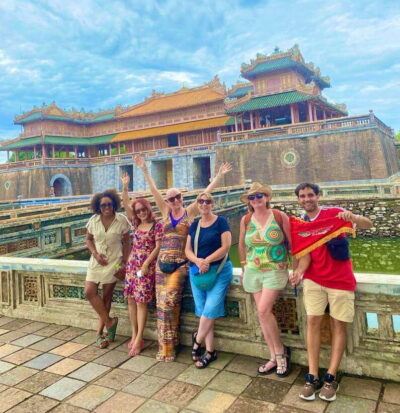
Da Nang: Hue Imperial Day Trip, Hai Van Pass Train, & Lunch
Read our review →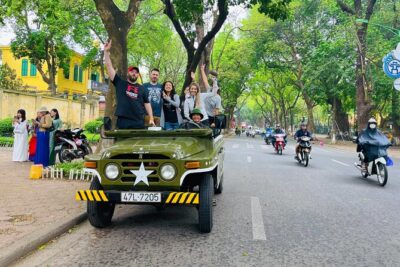
Hanoi Jeep Tour: Red River Countryside+ Backstreet+ Train-street
Read our review →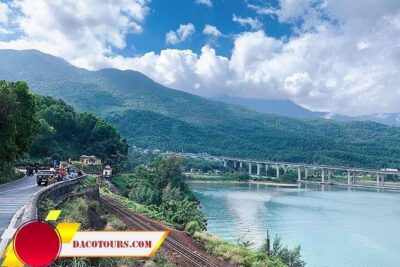
Hue Citadel tour by authentic Train via Hai Van Pass from Da Nang
Read our review →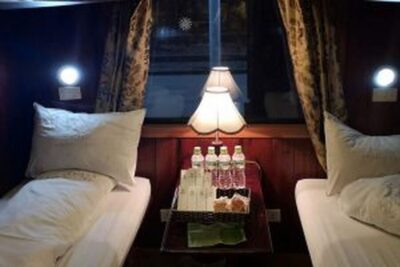
Sapa: 3-Day, 3-Night Trek and Hotel with Overnight Train
Read our review →
Sa Pa Trekking 2 Days 3 Nights Homestay by Night Train
Read our review →
Browse the lists this tour appears in