
Review · SLEEPER AND OVERNIGHT TRAINS
Sapa: 3-Day, 3-Night Trek and Hotel with Overnight Train
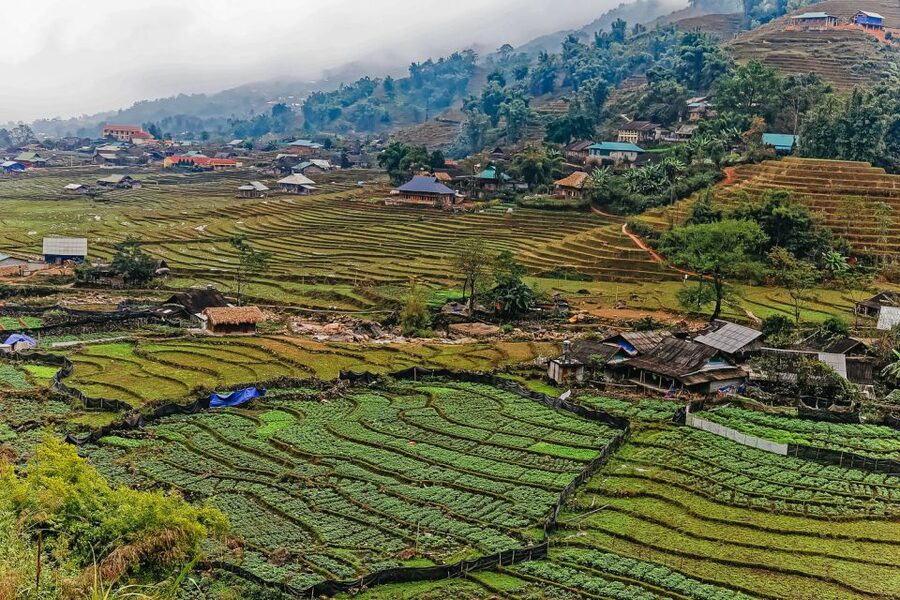
Sapa’s best moments come on foot, far below the town center, where the Muong Hoa Valley opens into rice terraces and small villages. This trip takes you through Black Hmong, Dzay, and Red Dao communities, then gives you a night with a Dzay family in Ta Van. The overnight train adds a classic Vietnam travel experience, though it is noisy and bumpy.
I like the mix of a 3-star Sapa hotel and village homestay, which gives you both comfort and a closer look at local life. I also like the local guides, including Su Su, Ai, Mai, and Chu, who can explain farming, crafts, and daily routines in a personal way. The main drawback is the walking: one day covers about 9 kilometers on uneven, wet, and sometimes steep paths.
Key points to know before you book
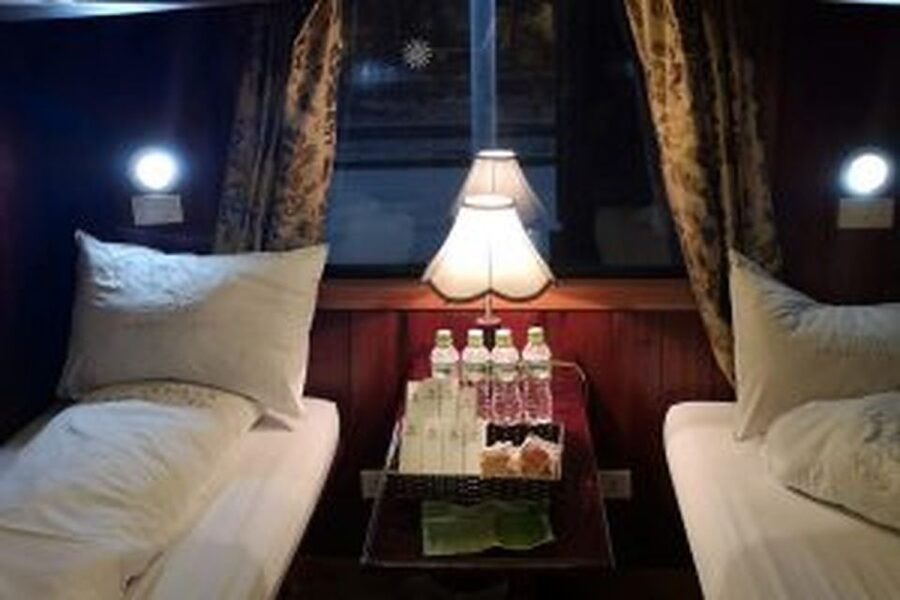
- The train saves a hotel night in Hanoi: You leave Hanoi at about 10 PM and reach Lao Cai the next morning in a shared four-bed air-conditioned cabin.
- Ta Van is the heart of the trip: Your homestay with the Dzay community brings you closer to village life than a standard Sapa hotel can.
- The walking is real: Rice-field paths, muddy slopes, stone tracks, and uneven ground make trekking shoes essential.
- You get three different village settings: Sin Chai, Lao Chai and Y Linh Ho, then Ta Van, Giang Ta Chai, and Su Pan each offer a different view of the valley.
- Expect sales pressure: Local women and children may walk with you or approach you repeatedly to sell crafts. Stay polite, but follow your guide and do not feel obliged to buy.
- The $212 price covers a lot: Train, hotel, homestay, meals, guide, transfers, entrance fees, and the return limousine are included, but drinks and personal spending are not.
Why this Sapa trip works well
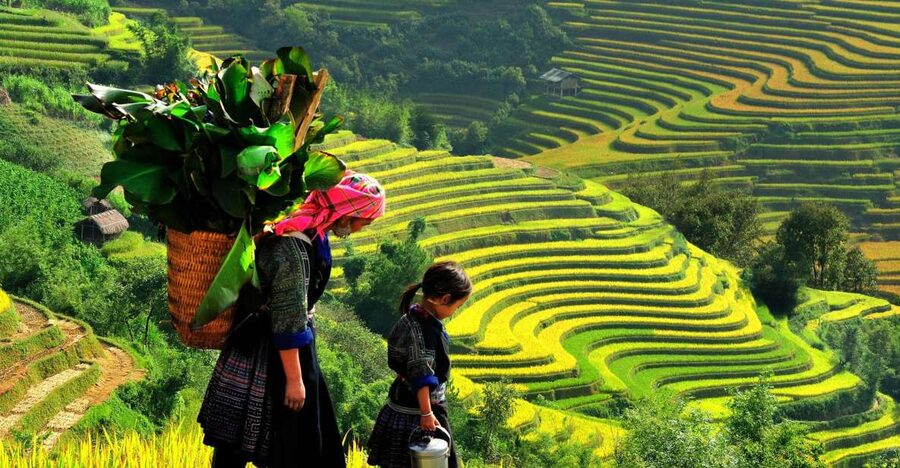
This is a useful way to reach Sapa from Hanoi without spending an entire day on a road transfer. You travel north by night, wake up near the mountains, and spend the daylight hours walking through villages instead of sitting in a vehicle.
The plan also avoids making the whole trip a single hotel-based outing. You sleep one night in central Sapa, where you can explore after dinner, then spend another night in Ta Van. That change matters. Sapa town can feel busy and commercial, while Ta Van gives you a quieter setting and a closer look at village routines.
At $212 per person, the price is fair if you want transport and accommodation arranged in one package. You receive the train berth, three-star hotel, homestay, meals listed in the schedule, local guide, station transfer, sightseeing fees, and limousine transport back toward Hanoi. You still pay for drinks, snacks, and personal purchases, so carry Vietnamese dong.
The best value comes from the guide and the transport planning. Sapa involves several separate movements: Hanoi station, Lao Cai station, Sapa town, village trails, a road pickup, and the return to Hanoi. Handling all of that yourself can be awkward, especially after a night on a train.
More Sleeper Trains in Vietnam
- From Hanoi: 2-Day 2-Night Sapa Tour by Overnight Train
★ 4.4 · 96 reviews - From Hanoi: Sapa Hill Tribes 2-Day Tour by Overnight Train
★ 4.4 · 62 reviews - Sa Pa Trekking 2 Days 3 Nights Homestay by Night Train
★ 4.5 · 11 reviews
Hanoi to Lao Cai by overnight train
You either arrange pickup from a hotel in Hanoi’s Old Quarter or reach Hanoi Railway Station yourself by about 9 PM. At the station, meet the local staff, collect your tickets, take the elevator to the second floor, and proceed to gate 2A. The train leaves at approximately 10 PM.
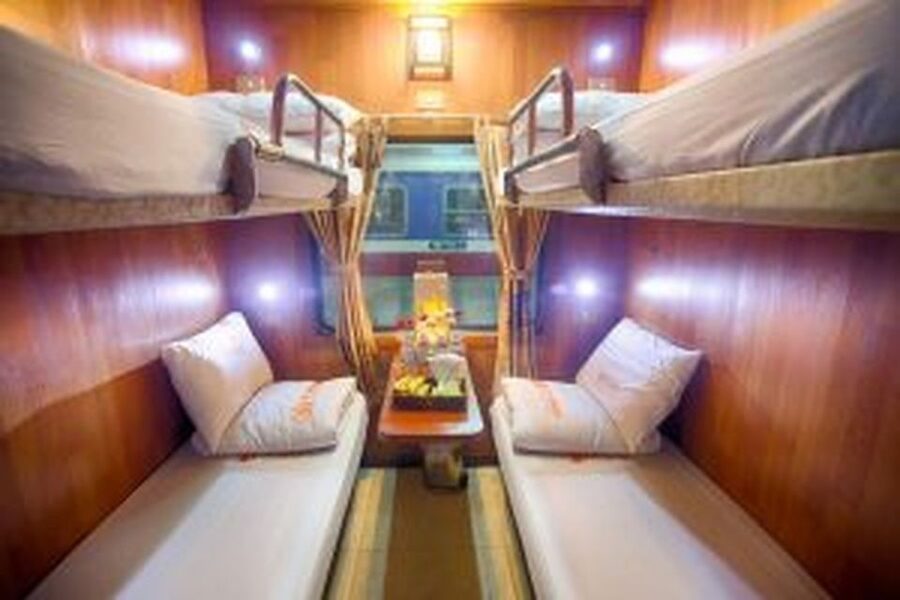
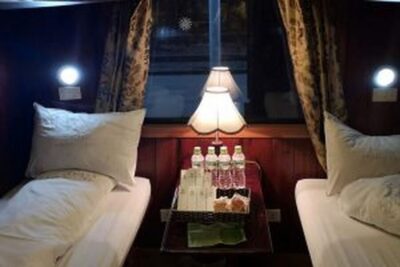
The shared cabin has four air-conditioned berths. Soft bedding and a berth that feels much like a narrow bed make the journey more comfortable than a standard seat, but do not expect silence. The train can be noisy and bumpy, and using the toilet may be less pleasant than using one at the hotel.
You may not get a choice of upper or lower berth. If climbing to a top bunk would be difficult, ask about this before departure. Keep your essentials close, since you will want quick access to water, medication, warm clothing, and your phone during the night.
The train is part of the experience, not just a transfer. It gives you a glimpse of old-school Vietnamese rail travel and gets you to Lao Cai without using up a daytime sightseeing period. Still, light sleepers should bring practical sleep aids and accept that the ride will not feel like a hotel room.
Morning arrival and the short transfer to Sapa

You meet your guide at Lao Cai station and travel to Sapa in a shared minibus, arriving around 6 AM. The early start is tiring, but it leaves most of the day open.
After reaching Sapa, you leave your luggage at the hotel and have breakfast. The room is normally available only from 2 PM, so do not expect to shower and settle into your room immediately unless you arrange early check-in as an extra. This is worth considering after a night train.
The early hours can also bring fog, especially in December, January, February, and March. Sapa weather changes quickly. From September through March, warm clothes are important, including a scarf, hat, or cap. Even if Hanoi feels mild, Sapa can be cold and damp.
Day 1: Sin Chai and a gentle introduction to village life
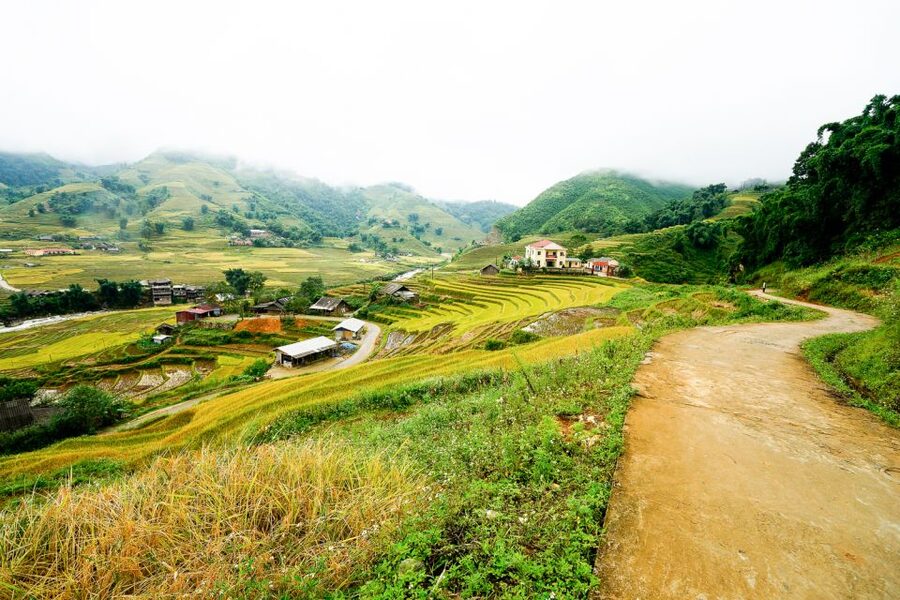
The first walk heads southwest from Sapa to Sin Chai, a Black Hmong village a little over 2 kilometers from town. The village is described as simple and rural, with a slower feel than the central streets.
This is a good first walk because you can begin seeing how close the villages are to Sapa while still having time to rest. You will notice a clear change from town buildings to homes, paths, and hillside scenery. The visit also gives you a first introduction to Black Hmong culture before the longer valley trek begins.
After the walk, you return to the hotel for lunch and free time. Use this pause wisely. You can rest, explore Sapa, or buy anything you forgot, such as sunscreen, insect repellent, or a better pair of socks.
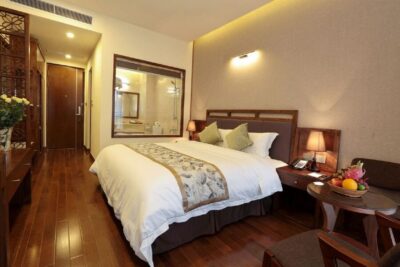
Dinner is around 6 PM. The evening is free for exploring Sapa, with options such as roasted corn and baked eggs beside charcoal fires or shopping in town. You sleep at a three-star hotel in central Sapa, a welcome change after the train and before the harder walking days.
More Sleeper Trains in the world:
- Egypt on Budget – 8 Days ( Cairo , Aswan , Nile Cruise – Luxor ) Sleeper Train
★ 4.5 · 121 reviews - 6- Days Aswan , Abu Simbel , Cruise , Luxor & Round Sleeper Train
★ 5.0 · 25 reviews - Cairo : Luxor East and West Banks Tour & Overnight SLEEPER Train Rounded trip
★ 4.5 · 21 reviews - Cairo : Luxor East and West Banks Tour by Overnight Sitting Train Rounded trip
★ 5.0 · 20 reviews
Day 2: Y Linh Ho, Lao Chai, and the Ta Van homestay
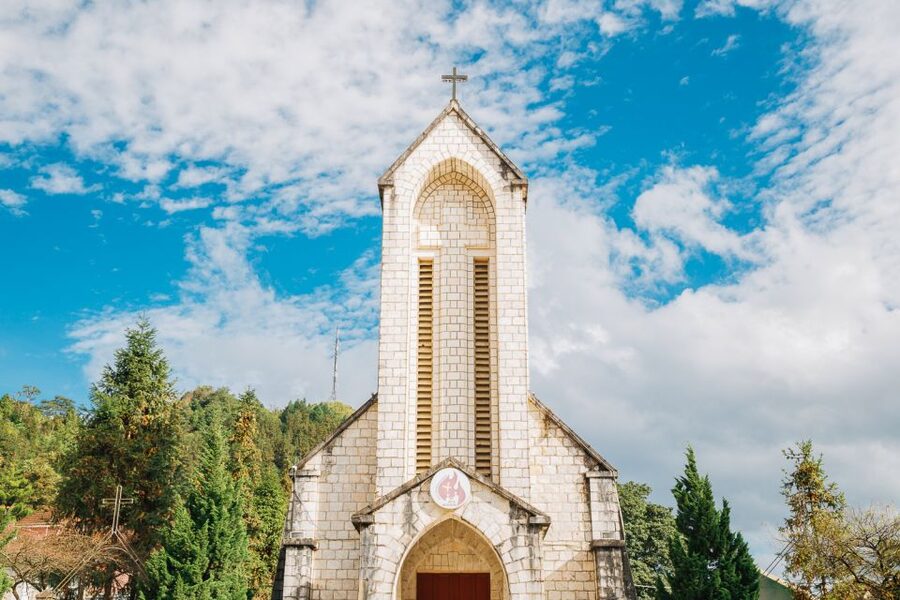
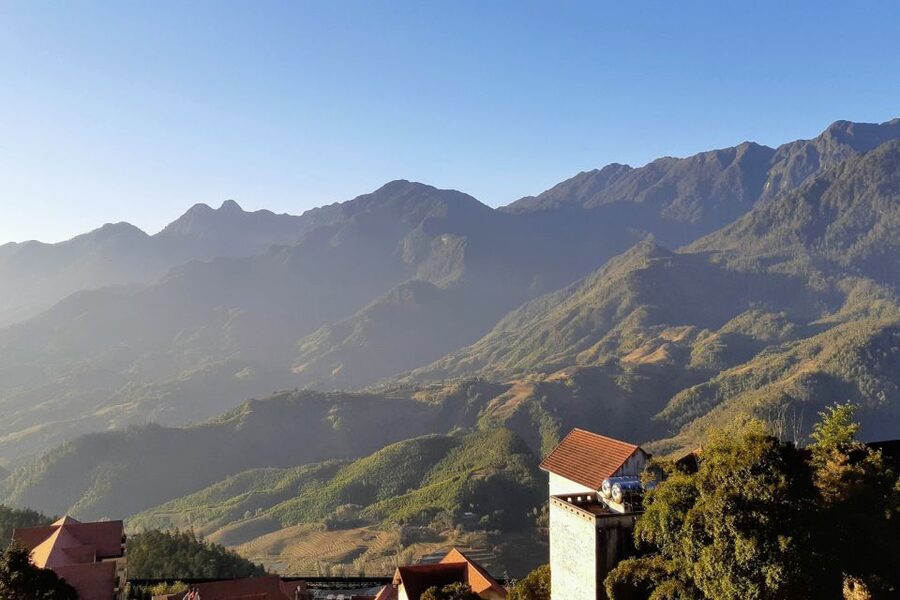
After breakfast, the main trek begins along the side of the Muong Hoa Valley. The route reaches Y Linh Ho, a Black Hmong village, then continues toward Lao Chai, another Hmong community.
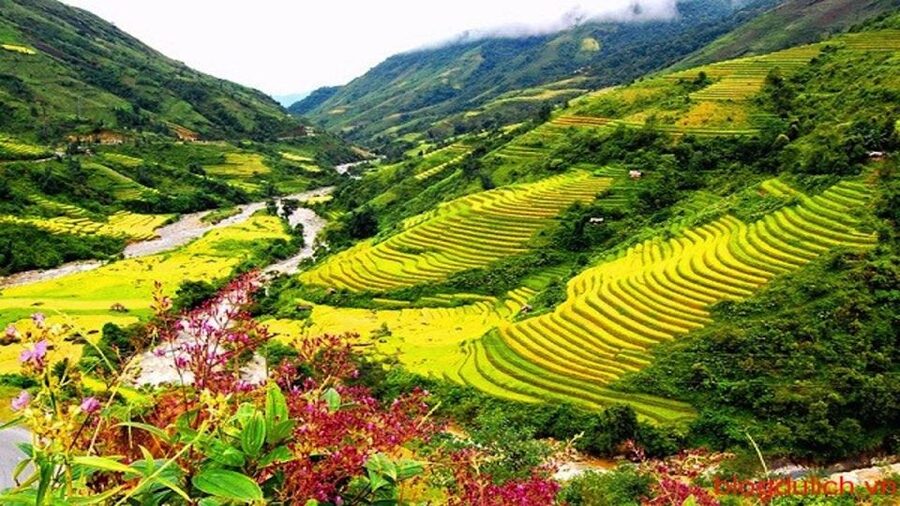
This is the day when Sapa’s famous rice terraces become the main event. The paths pass through cultivated hillsides and open views across the valley. In May, you may see people planting rice, and you may have the chance to try the work yourself. The exact views depend on weather and season, but clear conditions can make this the most scenic day.
The path is not a flat walking route. Mud, rain, steep sections, and uneven ground can make the distance feel longer than the number suggests. One 9-kilometer section is specifically not recommended for older people or children, and the full trip is unsuitable for people with mobility impairments or wheelchair users.
Lunch comes during the day before you continue through the rice fields to Ta Van. The Dzay community lives here, and this is where you spend the night.
The homestay is the most valuable part of the experience for anyone interested in daily village life. It is not a luxury hotel, but the accommodation is described as clean and welcoming. You share the setting with local hosts, eat the included meals, and get a better sense of how a village differs from Sapa town.
Bring an open mind and modest expectations. A homestay means a more basic setting and less privacy than the central hotel. In exchange, you get a more direct connection to the community and a night in the valley rather than another standard room.
Day 3: Giang Ta Chai, Su Pan, and the return to Hanoi
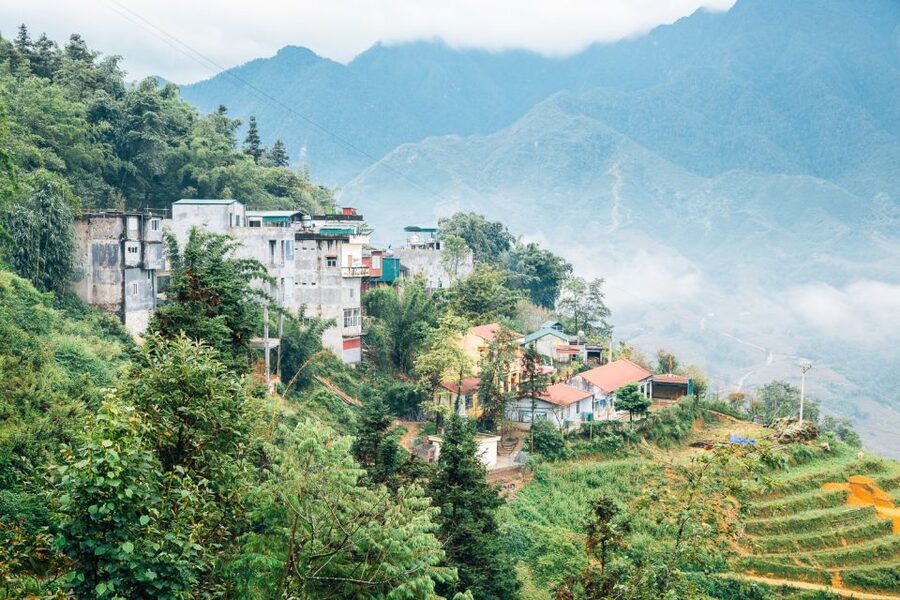
After breakfast in Ta Van, you continue toward Giang Ta Chai and Su Pan. These villages bring in Red Dao and Hmong culture, so the final day adds another layer to the trip rather than simply repeating the previous route.
The route includes a waterfall, a rattan bridge, and views through bamboo forest. These smaller features break up the walking and give you good places to pause for photographs. The trail still requires care, particularly after rain.
Eventually, you reach the main road and take a car back to Sapa. Around 2 PM, you collect your belongings and prepare for the journey south. The return is by limousine rather than train, with arrival in Hanoi expected around 8 to 9 PM.
That timing makes this a full travel day. You should not plan a flight, formal dinner, or important appointment soon after arrival. The return vehicle is a useful comfort after three days of walking, but the trip can feel long by the final evening.
The transport details deserve a quick check before you leave Hanoi. Hotel pickup is available in the Old Quarter, and the stated service includes drop-off in Hanoi. Because meeting and drop-off arrangements can vary by hotel, confirm where the limousine will leave you if you are staying outside the Old Quarter.
Meeting Hmong, Dzay, and Red Dao communities
The cultural side of this trip is more than passing through a village for a photograph. You visit communities with different clothing, customs, and ways of working, and the guide can explain what you are seeing.
A stop at a local handicraft center shows women gathering to exchange skills. You may see traditional clothing work and other craft activity. At the same time, it is important to keep your expectations realistic. These villages also depend on visitors, and some people may try to sell handmade goods at high prices.
The most common pressure comes from local women and children who accompany walkers or approach them at rest stops and lunch. Some may walk alongside you for much of the route. The operator advises you to ignore sales attempts and stick with the guide, while a more respectful approach is to stay friendly, set a clear boundary, and avoid promising a purchase.
You do not need to blame the guide for this situation, and you do not need to buy something to be polite. If you want a souvenir, decide your budget in advance and ask about the price before accepting an item. Cash in Vietnamese dong is the safest choice, since banking services in Sapa may not work reliably. US dollars, euros, and Australian dollars are also accepted in Sapa.
Guides, group size, and how the days feel
The experience uses English-speaking local guides. Names connected with the trip include Su Su, Ai, Mai, and Chu. Guides such as these can make a major difference because the valley is best understood through explanations about village life, rice planting, clothing, and local work.
The group may be small, and private groups are available. A small group is helpful on narrow paths, at lunch, and during photo stops. It also makes it easier to walk at a reasonable pace and ask questions.
Solo travelers should pay attention to the room arrangement. A single supplement may apply for two nights of accommodation, covering the Sapa hotel and a private bungalow or similar arrangement. Ask for the exact amount before paying, since the supplement is updated at booking.
The guide arrangements can also change from day to day. One solo visitor found the meeting points confusing after being paired with different people and guides. If you are traveling alone, confirm who will meet you at each stage, especially after the train and before the final road transfer.
What to pack for Sapa’s changing weather
Comfortable footwear is not enough if the shoes lack grip. Bring proper trekking shoes, since wet paths and steep ground are part of the route. Sandals and smooth-soled trainers can make the walking harder and less safe.
Pack warm layers even if Hanoi is hot. A scarf, hat, or cap helps in cool weather, and fog can reduce visibility during winter months. Sunglasses, sun cream, and insect repellent belong in your day bag.
Carry any medicine you may need. Keep water and small amounts of cash accessible, and bring a waterproof layer for sudden showers. Drinks are not included with meals, so budget for them separately.
Do not bring alcohol or drugs, and pets are not allowed. Large luggage is best left with the hotel while you trek, keeping only what you need for the homestay and the trail.
Who should book this Sapa experience?
I would choose this trip if you want the main Sapa highlights in a compact package and like the idea of combining rail travel, village walking, and a homestay. It suits active adults who can manage a 9-kilometer trek and do not mind mud, stairs, uneven paths, or changing weather.
It also suits first-time visitors who want transport arranged from Hanoi. The guide, train berth, station minibus, Sapa hotel, Ta Van homestay, meals, and return limousine remove much of the planning work.
I would look elsewhere if you need a soft-paced holiday, private bathrooms throughout, guaranteed lower train berths, or a quiet trip without sales approaches. Families with young children, people with mobility limits, and anyone uncomfortable with basic homestay conditions should be cautious.
Should you book it?
Book this experience if the combination of Muong Hoa Valley trekking and a Dzay homestay appeals to you more than polished hotel sightseeing. The value is strong at $212 because major transport, accommodation, meals, guide services, and fees are included.
Before paying, confirm the single supplement if you are alone, the exact Hanoi pickup or drop-off point, and the train berth arrangement. Pack for cold rain, bring cash, and accept that the trip includes some rough edges. If you do, this is a practical way to see Sapa’s villages and rice terraces without arranging every connection yourself.
FAQ
How long does the Sapa experience last?
The experience lasts about 3 to 3.5 days and includes three nights: one night on the train, one night in a Sapa hotel, and one night at a homestay in Ta Van Village.
Where does the trip begin?
You begin at Hanoi Railway Station, meeting staff to receive your train tickets. Optional pickup is available from hotels in Hanoi’s Old Quarter.
What type of train accommodation is included?
The package includes one night in a shared four-bed, air-conditioned cabin on the train from Hanoi to Lao Cai.
Is breakfast included?
Yes. Breakfast is included on the listed mornings, along with the other meals shown in the schedule. Drinks and meals not listed are extra.
What villages will you visit?
The route includes Sin Chai, Y Linh Ho, Lao Chai, Ta Van, Giang Ta Chai, and Su Pan. These villages are associated with Black Hmong, Dzay, and Red Dao communities.
Is the trek suitable for children or older people?
The 9-kilometer trek is not recommended for older people or children. The activity is also not suitable for people with mobility impairments or wheelchair users.
What should I bring?
Bring trekking shoes, comfortable clothing, warm layers, a scarf, hat or cap, sunglasses, sun cream, insect repellent, necessary medicine, and cash in Vietnamese dong.
Are drinks included with meals?
No. Drinks are not included, so you should budget for them separately. Carry cash because banking services in Sapa may not always work properly.
More Three-Day Trips in the world
- 3-Day Isle of Skye, ‘Hogwarts Express’ Train and Highlands Tour
★ 5.0 · 972 reviews - 3-Day Blarney Castle, Ring of Kerry, & Cliffs of Moher Rail tour
★ 4.5 · 211 reviews - Edinburgh: Isle of Skye & Optional Jacobite Train 3-Day Tour
★ 4.7 · 191 reviews - 3 Day Isle of Skye and Jacobite Steam Train Tour from Inverness
★ 5.0 · 161 reviews
More Hiking and Trekking Trips in the world
- Tour with the Mountain Train, Trek to Mystic Forest and Castle
★ 5.0 · 101 reviews - Lake Como: Easy Mountain Trek with Funicular & Boat Ride
★ 4.7 · 24 reviews
Just added for rail travellers in the world
- Sarajevo: Visegrad, Sarkan Eight Railway & Kurstendorf Tour★ 4.8 · 13 reviews
- Skip the Line: Historic RailPark and Train Museum Ticket with Guided Tour★ 4.5 · 59 reviews
- Sa Pa Trekking 2 Days 3 Nights Homestay by Night Train★ 4.5 · 11 reviews
- 2 Day Tour of Yala & Ella with Hill Country Scenic Train Ride – All Inclusive★ 5.0 · 5 reviews
- Private Day Tour: Suzhou Incredible Highlights from Shanghai by Car or Train★ 5.0 · 47 reviews
- Private Mutianyu Great Wall Tour with Bullet Train Experience★ 5.0 · 3 reviews
- Shanghai Hongqiao Railway Station to Hotels:Private with Meet & Great service★ 5.0 · 7 reviews
- Vienna: Kingdom of Railways Museum Entry Ticket★ 3.6 · 50 reviews
Sleeper and Overnight Trains, compared.

6- Days Aswan , Abu Simbel , Cruise , Luxor & Round Sleeper Train
Read our review →
Luxor East and West Banks Tour & Overnight SLEEPER Train Rounded trip
Read our review →
Luxor East and West Banks Tour by Overnight Sitting Train Rounded trip
Read our review →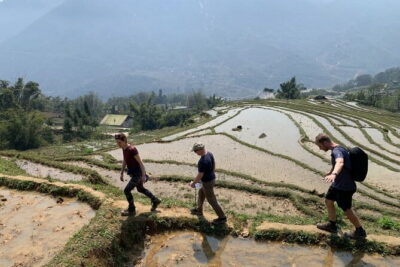
Sa Pa Trekking 2 Days 3 Nights Homestay by Night Train
Read our review →Browse the lists this tour appears in