
Review · TAJ MAHAL TRAIN TOURS
5 Day Golden Triangle with Train Experience-Taj Mahal Sunrise/Set
The most memorable feature here is the rhythm of the trip: Delhi by car, Agra by Gatimaan Express, and Jaipur by road, with the Taj Mahal at both sunset and sunrise. I like the private car, which keeps the journey flexible, and I like having local guides in each city rather than trying to decode major monuments alone. The train ride adds a real slice of modern Indian travel.
The main caution is the pace. You cover three major cities in five days, and the final five-hour drive from Jaipur to Delhi can be tiring. Monument tickets and lunch are extra, so the $399 price is not the complete cost of the trip.
Key points at a glance
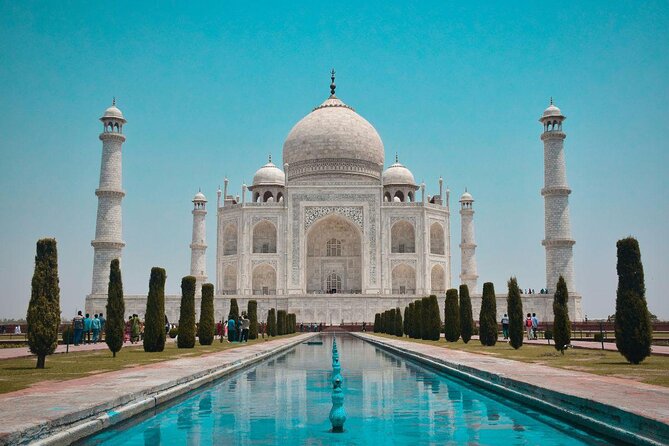
- Taj Mahal twice: See Mehtab Bagh at sunset, then return before dawn for the monument’s pink sunrise light.
- Gatimaan Express included: Ride in an air-conditioned train from Delhi to Agra, with a Shatabdi Express backup if tickets are unavailable.
- Private transport throughout: A chauffeured, air-conditioned car handles airport, station, hotel, and sightseeing transfers.
- Delhi’s two faces: Cover Jama Masjid, Chandni Chowk, Raj Ghat, India Gate, Qutub Minar, and government buildings in one full day.
- Jaipur’s royal core: Visit Amber Fort, City Palace, Jantar Mantar, Jal Mahal, and Hawa Mahal.
- Plan for added costs: Entrance fees, lunch, and anything not listed in the inclusions are paid separately.
Why this five-day route works
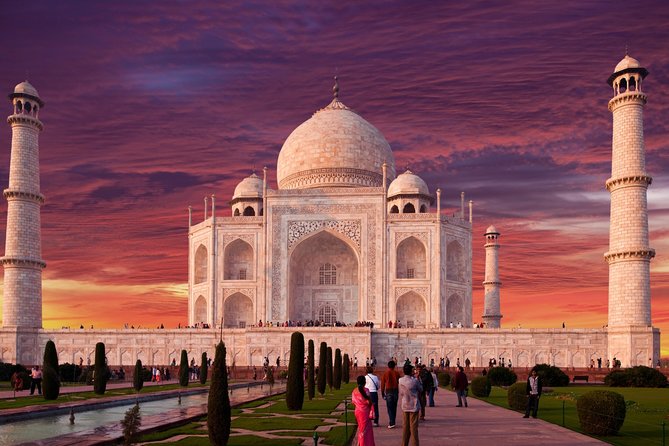
India’s Golden Triangle is popular for a good reason. Delhi, Agra, and Jaipur offer three different views of northern India, and this trip connects them without asking you to arrange separate hotels, drivers, trains, and guides.
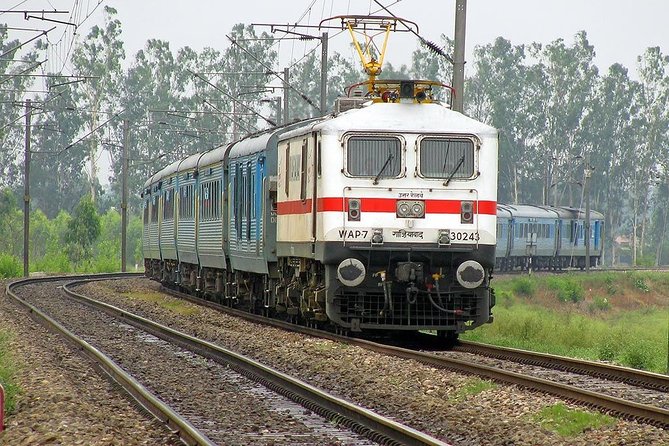
I like the way the tour uses the train for Delhi to Agra and the car for the rest. The Gatimaan Express takes about 1 hour and 40 minutes, much less than a road transfer can take in Delhi traffic. Once you reach Agra, your chauffeur and guide meet you at the station exit with a name placard.
The private format matters. Only your group takes part, so you are not tied to a large coach schedule. You still need to follow a busy program, but your guide can explain the sights directly to you, and the driver handles the difficult work of moving between cities.
The price is $399 per person. That includes three, four, or five-star hotel accommodation depending on the option selected, four breakfasts, guides, bottled water in the car, private transfers, sightseeing, and the Delhi to Agra train. It does not include monument admissions or lunch. For a private five-day package with transport and hotels, the price can be useful, but you should budget for the excluded fees before comparing it with other tours.
More Taj Mahal Train Tours in New Delhi:
- From Delhi: Taj Mahal & Agra Tour by Gatimaan Express Train
★ 4.8 · 1,041 reviews - “Taj Mahal” Tour from Delhi by India’s Fastest Train (Gatiman Express)
★ 5.0 · 298 reviews - From Delhi: Taj Mahal and Agra Day Tour by Super-fast Train
★ 4.9 · 270 reviews
Delhi from Jama Masjid to Qutub Minar
The first day begins with pickup from your Delhi airport, hotel, railway station, or another location in Delhi NCR. The schedule calls for a full day covering both Old and New Delhi, so an early start and steady pace are wise.
Jama Masjid introduces you to Mughal Delhi. Commissioned by Shah Jahan, the same ruler associated with the Taj Mahal, this large congregational mosque gives useful context before you reach Agra. The visit is listed at about 30 minutes, and entrance is not included.
From the mosque, you take a rickshaw through Chandni Chowk. This is one of the most characterful parts of the day because you are not simply looking at Delhi from behind a car window. The ride passes through one of Old Delhi’s busy market areas and gives you a close view of the city’s tight streets and daily movement. The rickshaw ride is also short, so think of it as a focused taste of the area rather than a long market visit.
You then drive past the Red Fort for outside photographs. About 70 percent of the building is occupied by the Indian Army, so this plan does not provide a full interior visit. That is an important distinction. If the Red Fort is a top priority, you may feel this stop is too brief.
Raj Ghat offers a quieter pause. The black marble platform marks the spot where Mahatma Gandhi was cremated, and the 30-minute stop breaks up the busy Old Delhi schedule.
The New Delhi portion includes India Gate, Rashtrapati Bhavan, and Parliament House. These are mainly photo stops, with about 10 minutes at each of the government buildings. You will see the grand scale of the capital, but you should not expect interior tours based on this schedule.
The day ends at Qutub Minar, a UNESCO World Heritage Site. The soaring minaret began in 1192 under Qutub-ud-din Aibak and was completed by his successor Iltutmish. With one hour planned here, this is one of Delhi’s better opportunities for a proper monument visit. Entrance is extra.
After sightseeing, you stay overnight in Delhi at the hotel option you selected. The day covers a lot, but it gives you a useful first look at Delhi’s Mughal, colonial, national, and modern identities.
Taking Gatimaan Express to Agra
Pickup on Day 2 is scheduled for 7:00 a.m. Your chauffeur takes you to Nizamuddin Railway Station and helps you board the 8:10 a.m. Gatimaan Express. The train is fully air-conditioned, and the ride to Agra takes about 1 hour and 40 minutes.
This is more than a simple transfer. You get to use India’s rail network in a practical way, watch the countryside pass by, and avoid spending the morning on the road. If Gatimaan tickets are unavailable, the operator says it will arrange Shatabdi Express tickets instead. You should confirm the final train when booking or shortly afterward.
At about 10:00 a.m., you meet your Agra driver and guide at the station exit. The name placard is a small detail, but it matters after arriving at a busy railway station. You do not have to search for a car or guess which person is meeting you.
Agra Fort and the Taj Mahal at sunset
Agra Fort is the main daytime sight. Built by Emperor Akbar in 1565, the red sandstone fort became a Mughal residence and a walled city in its own right. The one-hour visit gives you time to see its courtyards, walls, and palace spaces, though entrance fees are not part of the package.
I like placing Agra Fort before the Taj Mahal because the fort helps explain the Mughal power behind the monument. You see the military and royal side of the empire before moving toward its most famous expression of love and memorial architecture.
Lunch follows at a local restaurant, but the meal is at your own expense. The schedule allows one hour. This is a good place to keep your spending flexible, since the package does not specify a restaurant or menu.
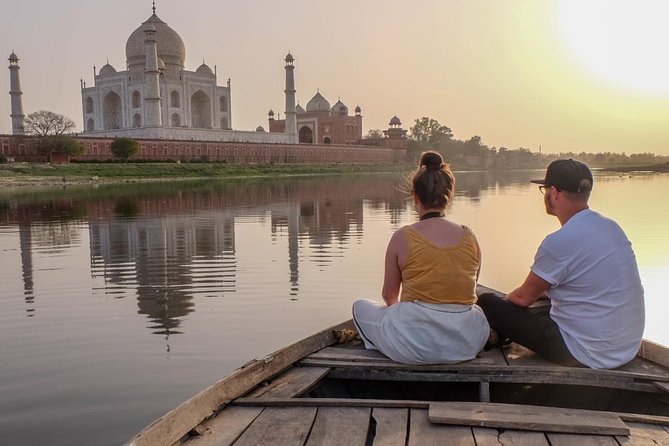
In the evening, you visit Mehtab Bagh across the Yamuna for a Taj Mahal sunset view. The garden was designed as a Mughal charbagh and aligns with the Taj Mahal across the river. It is especially useful for photography because you see the monument from a wider, quieter angle rather than only from its main courtyard.
The 45-minute stop is not a full garden outing, but it should give you time to frame the building and watch its color change. Entrance is extra. Afterward, you check into your Agra hotel for the night.
More Morning Tours in New Delhi:
- Day Trip to Nami Island with Rail bike and The Garden of Morning Calm
★ 4.5 · 459 reviews - Nami+Alpaca+Garden of Morning Calm (+Rail Bike Option)
★ 5.0 · 300 reviews - Seoul: Alpaca, Nami, Morning Calm or Eobi (+Rail Bike)
★ 4.9 · 233 reviews - Yangon morning food tour with train ride
★ 4.5 · 13 reviews
The Taj Mahal before breakfast
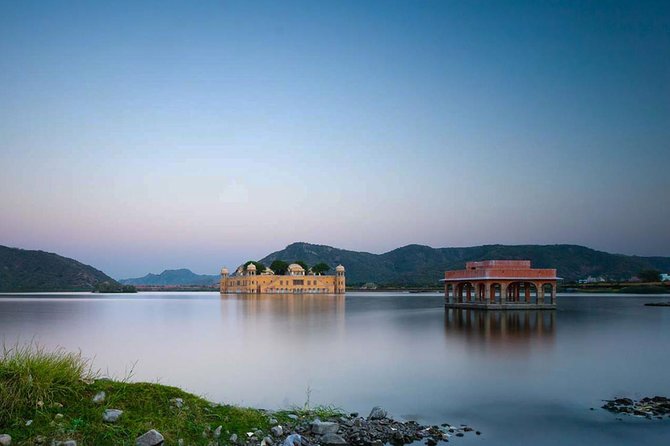
The 5:45 a.m. pickup on Day 3 is the key moment of the trip. The Taj Mahal changes tone during the day, and sunrise can bring a soft pink cast to the white marble. The three-hour visit allows time for entry, guided sightseeing, and photographs without treating the monument as a quick roadside stop.
You return to the hotel for breakfast, freshen up, and check out. The early start makes the day long, but it is a sensible trade. Visiting the Taj Mahal first means you see it before the rest of the day’s road journey, and you avoid trying to fit it into a rushed afternoon.
The tour does not include the Taj Mahal entrance fee, so add that to your budget. Your guide and driver handle the practical side of the visit, while the guide can explain the building’s design, symbolism, and place in Mughal history.
Fatehpur Sikri on the road to Jaipur
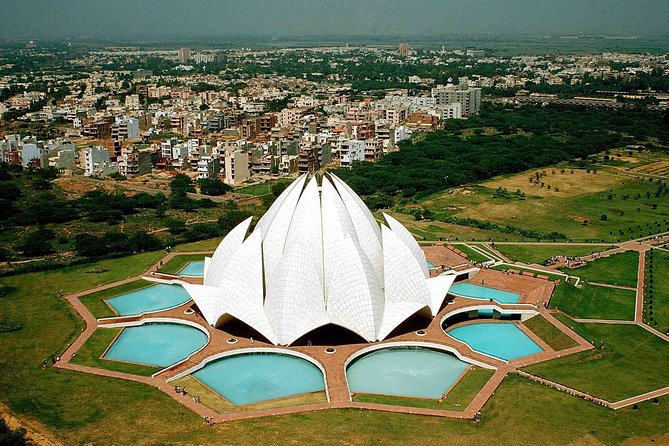
After Agra, the car heads toward Jaipur, with a stop at Fatehpur Sikri. Built in the 16th century by Akbar, the city served as his capital before being abandoned after about 15 years, with water scarcity given as the main reason.
This stop helps connect the separate sights into one story. Akbar’s Agra Fort, Fatehpur Sikri, and Jaipur’s Rajput palaces each show a different side of northern India’s royal past. The visit is scheduled for about an hour, and entrance is extra.
The drive continues to Jaipur. The itinerary allows about four hours for this part of the day and an overnight stay in Jaipur. Since the schedule also uses the phrase check out from the hotel on Day 4, confirm the exact hotel-night arrangement when booking. The important practical point is that Jaipur is your base for the next sightseeing day.
Jaipur’s forts, palaces, and astronomical instruments
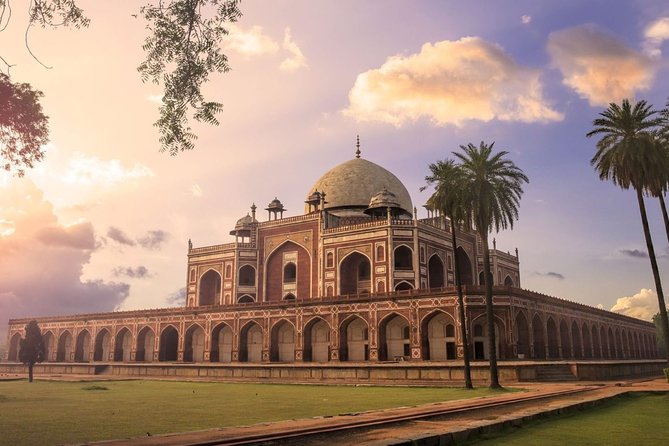
After breakfast, you meet your Jaipur guide for a full sightseeing day. The city is known as the Pink City and was planned in a grid, a contrast to the tighter lanes of Old Delhi.
The main visit is Jaipur Fort, described in the schedule as a mountain fort with a large palace complex of sandstone and white marble. This refers to the major fort sight outside the city center and is allowed about two hours. The rocky setting and layered courtyards make it one of the day’s strongest stops. The schedule lists the visit as included in the tour program, but you should still verify the current entrance arrangement because the general terms say monument fees are not included.
Jal Mahal is a short photo stop beside Man Sagar. The palace sits in the water, and the 15-minute visit is designed for a view rather than an interior tour.
At City Palace, you enter the royal family’s complex in the center of the Old City. Courtyards, gardens, and buildings show a mix of Rajput and Mughal design. One hour is enough for a focused visit, but not for every corner of the complex. Entrance is extra.
Jantar Mantar is another worthwhile stop. This UNESCO World Heritage Site uses large geometric instruments to track the movement of stars and planets. You get 45 minutes here, enough to appreciate the scale and purpose of the observatory with help from your guide.
The day ends with a photo stop at Hawa Mahal, the Palace of Winds. Its five-story pink facade has a honeycombed pattern, and the windows allowed royal women to watch processions and street life without appearing in public. Ten minutes is brief, so treat this as an exterior photograph rather than a palace visit.
You return to the Jaipur hotel after sightseeing. The packed schedule gives you the major sights, but little free time for markets or unplanned wandering.
The five-hour return to Delhi
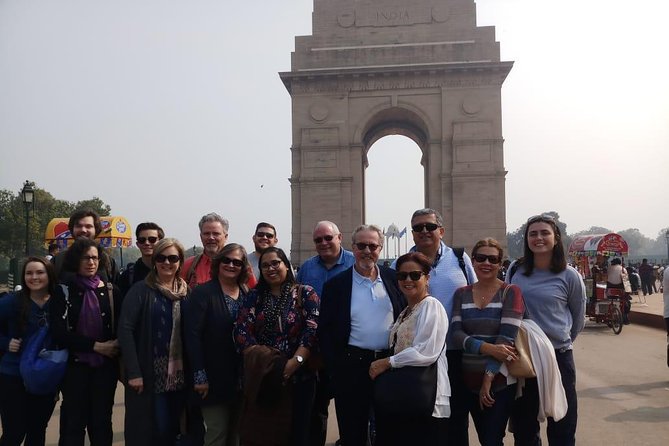
Day 5 is built around your flight schedule. After breakfast, the driver takes you from Jaipur to Delhi, about 280 kilometers and roughly five hours depending on traffic. You can be dropped at a Delhi hotel or airport.
This final transfer is the tour’s least glamorous section. If you have a late departure, it may work well. If you have an early flight, the road schedule may not fit. Give yourself a large time cushion because the stated duration depends on traffic, and the itinerary does not include a return train from Jaipur.
What the guides and drivers add
A private driver is one of the strongest practical features here. You have one vehicle for pickups, city sightseeing, and intercity travel, rather than piecing together taxis at each stop. The air-conditioning and bottled water are useful in a five-day schedule with long road sections.
Guides are provided for the sightseeing days and meet you in the relevant cities. The team names Ajay and Sonia are associated with the operation, and the service arrangement includes friendly, helpful coordination. A solo woman can also value the added structure of a known driver and scheduled station pickup, though normal travel awareness still applies.
The guides do not remove the need to prepare. Ask about entrance fees, clothing rules, meeting points, and the exact timing of sunrise entry. A little preparation will help you spend more time looking at the monuments and less time sorting out details.
Who should book this tour
I would choose this trip if you want the Golden Triangle’s main sights in a short period and prefer a private setup. It suits a first visit, a couple, a family, or a solo traveler who wants a driver, city guides, hotel arrangements, and a train ride bundled together.
I would hesitate if you want slow mornings, long market visits, or independent exploration. Delhi sightseeing is full, the Taj Mahal sunrise requires a 5:45 a.m. pickup, and Jaipur to Delhi takes about five hours on the last day.
Book with a clear budget for monument tickets, lunch, and any other unlisted costs. Also confirm your hotel category, the exact number of hotel nights, train assignment, and the timing of your final airport drop-off.
FAQ
How long is the Golden Triangle tour?
The tour lasts approximately five days and covers Delhi, Agra, and Jaipur.
Is this a private tour?
Yes. Only your group participates in the activity.
What transportation is included?
The tour includes an air-conditioned chauffeured car for pickups, transfers, sightseeing, and intercity road travel. It also includes an air-conditioned train from Delhi to Agra.
Which train is used from Delhi to Agra?
The planned train is the Gatimaan Express, departing Nizamuddin Railway Station at 8:10 a.m. If tickets are unavailable, Shatabdi Express tickets will be arranged instead.
Are hotel stays included?
Yes. Three, four, or five-star hotel accommodation is included, depending on the option selected.
Is breakfast included?
Yes. Four breakfasts are included.
Are monument entrance fees included?
No. Monument entrance fees are not included and must be paid separately.
What is the cancellation policy?
You receive a full refund if you cancel at least six full days before the experience starts. A 50 percent refund applies to cancellations made two to six full days before the start time. Cancellations made less than two full days before the experience are not refunded.
More Five-Day Trips in New Delhi
Just added for rail travellers in New Delhi
- Taj Mahal & Agra Tour From Delhi By Fastest Train★ 5.0 · 7 reviews
- Private Tajmahal Day Tour From New Delhi By Gatiman Express Train★ 5.0 · 14 reviews
- Taj Mahal and Agra Fort Tour By Fastest Train – Gatiman Express★ 5.0 · 2 reviews
- Taj Mahal and Agra Tour By India’s Fastest Train★ 5.0 · 2 reviews
- From Delhi: Taj Mahal & Agra Tour by Gatimaan Express Train★ 5.0 · 11 reviews
- Enchanting Taj Mahal Same Day Tour by Gatiman Train From Delhi★ 5.0 · 4 reviews
- Taj Mahal Tour by Gatimaan Express Train With Lunch At 5 Star Hotel★ 5.0 · 8 reviews
- Taj Mahal & Agra Fort Visit by Gatimaan Express Train★ 5.0 · 4 reviews
Taj Mahal Train Tours, compared.
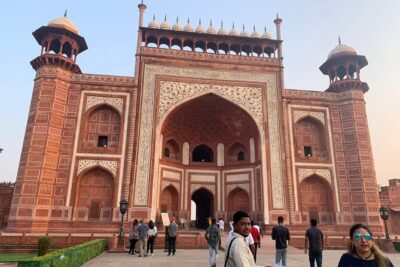
Taj Mahal & Agra Tour by Gatimaan Express Train
Read our review →
“Taj Mahal” Tour from Delhi by India’s Fastest Train (Gatiman Express)
Read our review →
Taj Mahal Day Trip From Delhi By Superfast Train With 5* Meal
Read our review →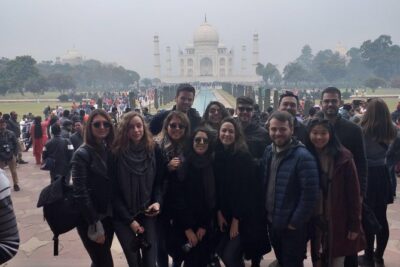
Private Day Tour of Taj Mahal by India’s Fastest Train or Car – All Inclusive
Read our review →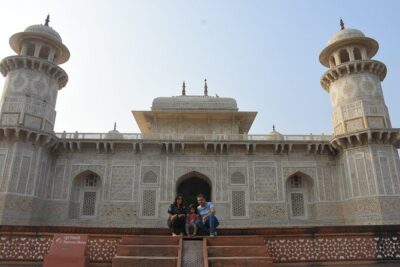
Taj Mahal Tour with High-Speed Train Experience – All Inclusive
Read our review →
Private Taj Mahal & Agra Day Trip by Car or Rail
Read our review →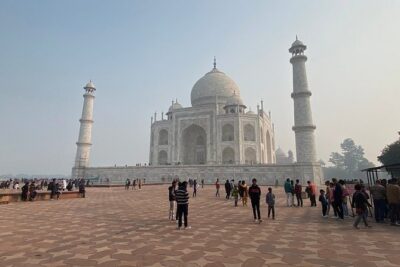
Luxury Taj Mahal by super fast train from Delhi all inclusive
Read our review →
Delhi Agra Jaipur & Varanasi Tour – Taj Mahal & Ganga Aarti
Read our review →Browse the lists this tour appears in