

Review · FUNICULAR RIDES
Valparaiso: Street Art, Funiculars and Port City Tour
Valparaiso makes its best first impression from above. This two-hour walk leads you from the port into the steep hills, using historic funiculars and narrow lanes to connect colorful houses, old churches, galleries, and serious street art. The city feels much easier to understand when someone explains what you are seeing.
I like the use of old photographs to compare past and present Valparaiso, and I like the guide’s local connections with artists, shopkeepers, and residents. Guides named Alex, Grex, Maria, Benjamin, and Cristóbal have all led highly praised tours, with Alex especially noted for his warmth and detailed art commentary. The main drawback is the brisk schedule: there are many stops in only two hours, and the hills, stairs, and uneven streets are not suitable for everyone.
Key points at a glance
- Start at the port: Meet near the two cannons at Muelle Prat, a clear spot beside the Tourist Information Office.
- Ride historic funiculars: Tickets are included for the El Peral and Concepción ascensors, linking the waterfront with the hill districts.
- Read the murals properly: Your guide explains artists, symbols, and the social ideas behind the paintings rather than treating them as decoration.
- See several hill neighborhoods: Paseo Yugoslavo, Pasaje Gálvez, Paseo Atkinson, and Paseo Dimalow each show a different side of Valparaiso.
- Taste a local alfajor: The included cookie supports a local maker and gives you a small taste of Chilean food culture.
- Finish with practical advice: The guide ends at Ascensor Reina Victoria and explains how to return to the starting point, plus where to eat.
Starting at Muelle Prat, where Valparaiso meets the sea
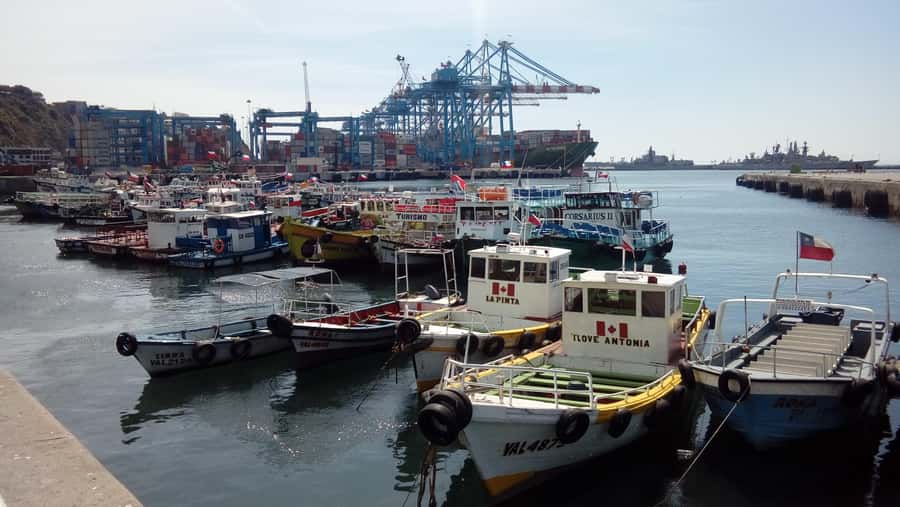
Your guide waits near the two cannons at Prat Pier, also called Muelle Prat. This is a useful meeting point because it sits beside the port and the Tourist Information Office, not in a confusing residential lane.
The tour begins with Valparaiso’s working waterfront and bay views. You then walk toward Plaza Sotomayor, the broad civic square that links the port to the city center. The guide uses older photographs to show how the square and nearby buildings looked in another era. This simple comparison adds a lot. You are not just looking at façades. You are watching a port city change while keeping pieces of its earlier identity.
At the square, you see the monument, the Cuerpo de Bomberos de Valparaiso fire department building, and the Chilean Navy Headquarters. The fire station is a particularly useful stop because it points to the city’s long civic traditions and the importance of local institutions.
The first section takes about half an hour, including the port and square. It is an easy way to get your bearings before the route climbs into the hills.
More Funicular Rides in the world:
- Krakow: Zakopane, Funicular, Cheese, and Highland Day Trip
★ 4.7 · 1,489 reviews - Interlaken: Funicular Ticket to Harder Kulm
★ 4.7 · 1,469 reviews - Old Quebec Classique Walking Tour with Funicular
★ 5.0 · 1,317 reviews
The El Peral ride and the first hill views
From the lower city, you ride Ascensor El Peral toward Cerro Alegre. These funiculars are not modern cable cars built for speed. They are old hillside transport systems, and their value is as much cultural as practical. You feel the city’s unusual shape as the carriage lifts you away from the flat port toward the neighborhoods above it.
Tickets for the funiculars are included, which matters because these short rides are central to the route. They also save you from tackling every steep section on foot. Still, the tour does not become a gentle sightseeing ride. Once you reach the hills, you continue on foot through lanes, passages, and stairs.
Paseo Yugoslavo gives you an early hilltop view over the city and bay. From here, your guide explains Cerro Alegre and Cerro Concepción, two of Valparaiso’s best-known hillside areas. The views are a major reason to take this route, but do not expect a single grand lookout and then a quick exit. The appeal comes from moving through the neighborhoods, where painted walls, old homes, shops, and views appear around corners.
Pasaje Bavestrello adds a smaller, more intimate stop. Its Italian heritage and references to earlier community life help explain how these hillside districts developed. The tour is strongest when it connects a physical place with the people who used it.
Street art in Pasaje Gálvez
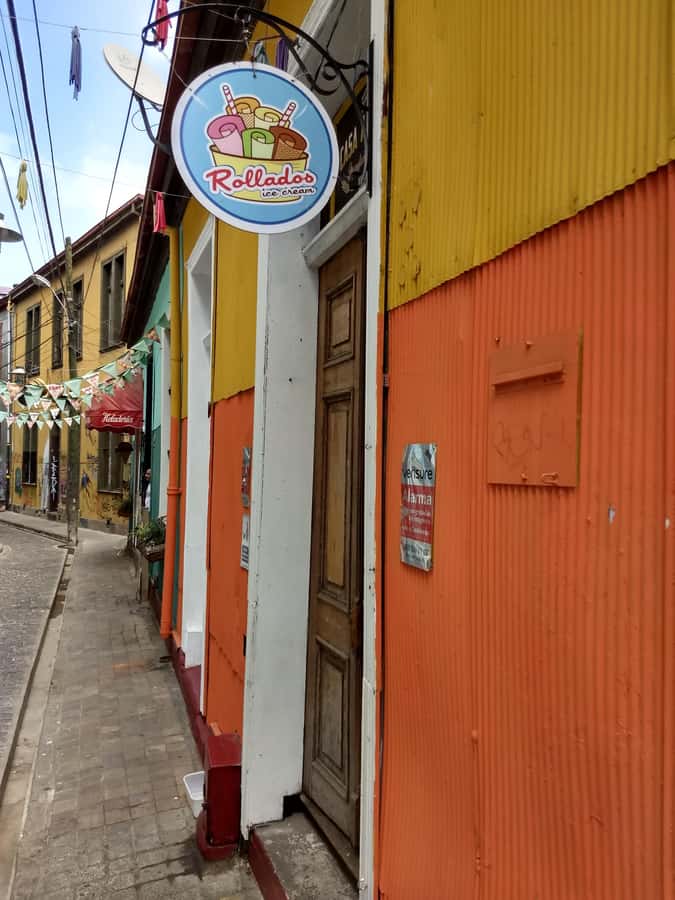
The longest single stop is Pasaje Gálvez, where you spend about 30 minutes looking at murals and other public art. This is not a quick photo stop. The guide explains the artists, the meaning behind selected works, and the relationship between street art and Chilean social and cultural life.
That context makes a real difference. Without it, Valparaiso’s walls can blur into a colorful collection of pictures. With a good guide, you begin to notice styles, messages, and local references. Several guides, including Alex and Grex, are described as having personal links with artists and local businesses. Those connections can turn a standard art walk into a more personal introduction to the neighborhood.
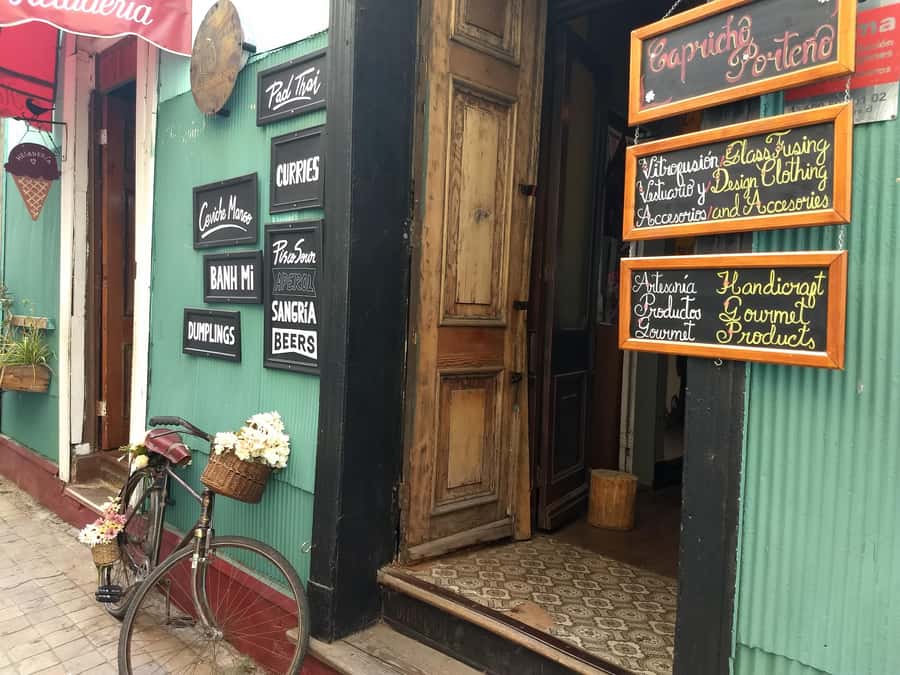
You may also visit workshops, galleries, or artists’ spaces along the way. These stops are not guaranteed as separate formal visits, but the route includes opportunities to see local work beyond what is painted on the street. If you want to buy art, crafts, jewelry, magnets, or souvenirs, this part of the walk gives you useful places to browse.
The alfajor comes during the hill walk. This Chilean cookie usually combines sweet filling with a biscuit or pastry shell, and here it is made by a local producer. It is a small inclusion, but a thoughtful one. You get to try something distinctly local while supporting a neighborhood business. Food is not the focus of the tour, so you should still plan to buy lunch or dinner separately.
Paseo Gervasoni, Concepción, and the city’s hillside layers
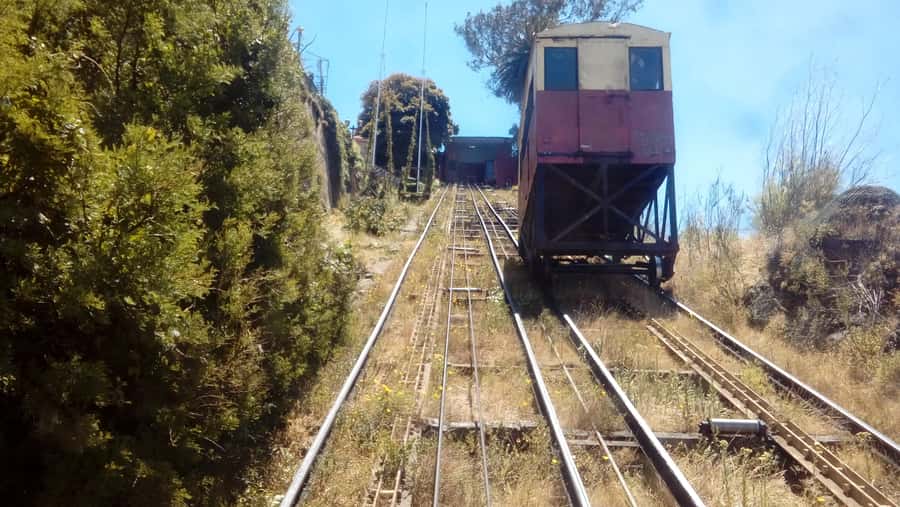
The route continues through Paseo Gervasoni and includes Ascensor Concepción. The funicular ride adds another short connection between the hill streets and the city’s old transport network. If you enjoy old engineering and public systems, these rides are among the most memorable parts of the outing.
You also pass restaurants, cafés, galleries, and small shops. La Concepción is noted for its terrace and sea view, while Brighton Restaurant is another place associated with broad views and Chilean seafood. You are not promised a meal at either restaurant, but the guide can point them out and offer suggestions for later.
Paseo Atkinson shows a different architectural side of Valparaiso. Here, the route highlights large houses, gardens, and the city’s British influence. You pass the Deutsche Schule of Valparaíso, a reminder of the important German presence in the city, and Pastor Theodor Schmidt passage, named for a German Lutheran pastor.
The Hotel Manoir Atkinson offers a chance to discuss the construction methods used on large walls and how buildings cope with changing conditions. These details may sound modest, but they help you read the hills as a place shaped by weather, slope, transport, and many immigrant communities.
Same line, a different day out:
- Mt Fuji & Hakone Cruise, Drum Show Bullet Train 1 Day from Tokyo
★ 4.0 · 7,413 reviews - Montserrat & Cogwheel Train, Gourmet Wine Tasting & Tapas/Lunch
★ 5.0 · 6,290 reviews - From Milan: Lake Como Cruise, St. Moritz & Bernina Red Train
★ 4.6 · 5,648 reviews - Tokyo Mt Fuji 5th St & Hakone Cruise Bus Tour w/Bullet Train
★ 4.4 · 5,024 reviews
Churches, the Piano Staircase, and Paseo Dimalow

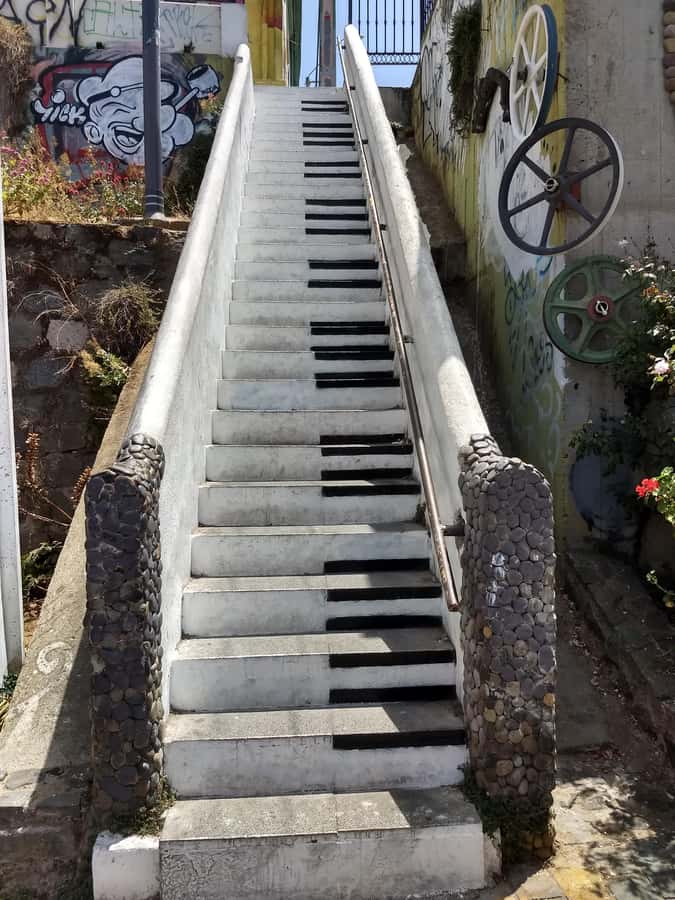
The Piano Staircase is one of the most playful photo stops on the route. It is exactly the kind of public artwork that suits Valparaiso, where ordinary passages and stairs often become part of the city’s visual identity.
The tour then passes the Lutheran Church of the Holy Cross, founded in 1897, and an Anglican church. Both point to the religious communities that helped establish life in the hills. The Anglican Saint Paul Cathedral is described as one of the first places built in the hillside districts to keep a united community together.
This section is also where the walking conditions matter most. The route includes stairs and sloping streets, even though one guide described the overall experience as not especially demanding. The official restrictions exclude people with mobility impairments, pregnant women, and people with altitude sickness. You should be comfortable walking uphill and on uneven surfaces. The two-hour length keeps the outing manageable, but it does not remove the physical demands of Valparaiso.
Paseo Dimalow in Cerro Alegre provides another view over the hills. The guide can also point out restaurants in the area, which is useful if you plan to stay for lunch or dinner rather than return straight to the port.
A safe, social way to understand the murals
Safety is part of the tour’s appeal. The route is designed to help you move through the central port and hillside districts with a local guide, rather than trying to decode the city’s steep streets alone. That does not mean you should stop paying attention to your belongings or your surroundings. It means you have someone who can help you choose sensible streets, explain where you are, and escort you through the route at a calm pace.
The strongest guides appear to be comfortable with both the history and the present-day neighborhood. Alex is repeatedly described as friendly, patient, and well connected with artists and local people. Grex is praised for his easygoing manner and art knowledge. Maria, Benjamin, and Cristóbal have also led tours in English, with the guide roster offering Chinese, French, Portuguese, and English.
One particularly useful feature is the flexibility of the guide. The route can include conversation, questions, and extra context when time allows. At the end, your guide can suggest restaurants and explain how to get back to the starting point. One guide even walked with guests toward a restaurant because he felt they should not make the return alone. That kind of practical help is valuable in a city where the hills and port can feel confusing on a first visit.
There is one small communication point to keep in mind. One booking had a late guide and no direct contact details, which caused concern at the meeting point. Confirm the meeting instructions carefully before you go and arrive at the two cannons with enough time to spare.
Is $41 good value for two hours?
At $41 per person, this is not the cheapest way to see Valparaiso. Free walking tours cover some similar streets, and you can ride public funiculars independently for less. One booking specifically noted that a free tour followed much of the same route.
The paid tour earns its price through the guide, not through expensive attractions. You get the funicular tickets, the alfajor, a planned route, translation in several languages, and someone who can explain the street art rather than simply point at it. The old photo comparisons and introductions to artists or local merchants add value that is difficult to reproduce with a guidebook.
For a private group or a small group, the price is easier to justify. You move at a more personal pace, can ask questions, and have a better chance of getting restaurant or shopping advice suited to your interests. If you are comfortable exploring independently and mainly want photographs, the free option may be enough. If you want history, art interpretation, and help with the city’s hills, $41 is reasonable.
Who should book this Valparaiso walk?
I would choose this tour if you have only a short time in Valparaiso, especially if you arrive by ship or are making a brief visit from Santiago. It gives you a useful introduction to the port, civic center, hill districts, funiculars, architecture, and street art without requiring a full day.
It also suits families and first-time visitors who want a guide’s help with the route. A family of seven, including two people with autism, found the experience a good fit, and several guides are described as patient and willing to adjust the pace. You should still discuss any specific needs before booking, since the formal information says the tour is not suitable for people with mobility impairments.
Art lovers will get the most from the stop in Pasaje Gálvez and the guide’s explanations of local artists. Architecture fans will enjoy the British, German, Italian, Lutheran, and Anglican references. Food-focused visitors should treat the alfajor as a pleasant sample, not a food tour.
Should you book it?
Book this walk if you want a well-planned introduction to Valparaiso’s art and hills, with funicular rides and local advice built in. The strongest reason to choose it is the guide’s interpretation and personal connection to the city. Alex, Grex, Maria, Benjamin, and Cristóbal are among the guides praised for clear explanations, warmth, humor, and useful recommendations.
Skip it if you prefer a slow independent wander, want a full meal included, or dislike stairs and steep streets. The schedule is tight, and the route covers many places quickly. For most first-time visitors with two hours to spare, though, it offers a smart balance of views, history, street art, local flavor, and practical help.
FAQ
Where does the tour start?
The meeting point is near the two cannons at Muelle Prat, beside the Tourist Information Office in Valparaiso.
Where does the tour finish?
The tour finishes at Ascensor Reina Victoria. Your guide explains how to return to the starting point and can suggest places for lunch or dinner.
Are the funicular tickets included?
Yes. Entry tickets for the funiculars are included, including the rides used to reach the hillside neighborhoods.
Is food included?
A local alfajor is included. Additional food and drinks are not included, so you should budget separately for a meal or refreshments.
What languages are available?
The tour is offered in English, Chinese, French, and Portuguese.
Is the tour suitable for people with mobility impairments?
No. The activity is listed as unsuitable for people with mobility impairments, pregnant women, and people with altitude sickness. The route includes hills, stairs, and uneven streets.
Just added for rail travellers in the world
- From Porto Douro Valley Tour with Train and Vinho Verde★ 4.7 · 16 reviews
- From Ella – Day Trip of 8 Iconic Sights & Scenic Train Ride★ 4.4 · 5 reviews
- Prague: Railway Kingdom Giant Model Railway Museum★ 4.4 · 54 reviews
- Sarajevo: Visegrad, Sarkan Eight Railway & Kurstendorf Tour★ 4.8 · 13 reviews
- Skip the Line: Historic RailPark and Train Museum Ticket with Guided Tour★ 4.5 · 59 reviews
- Sa Pa Trekking 2 Days 3 Nights Homestay by Night Train★ 4.5 · 11 reviews
- 2 Day Tour of Yala & Ella with Hill Country Scenic Train Ride – All Inclusive★ 5.0 · 5 reviews
- Private Day Tour: Suzhou Incredible Highlights from Shanghai by Car or Train★ 5.0 · 47 reviews
Funicular Rides, compared.
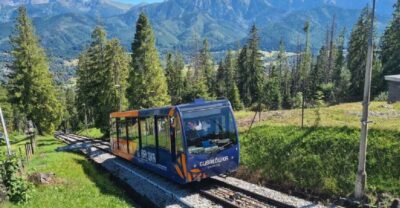
Zakopane, Funicular, Cheese, and Highland Day Trip
Read our review →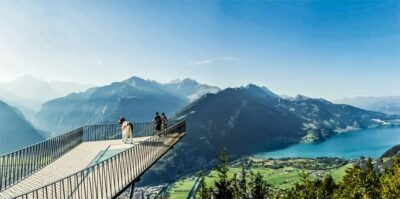
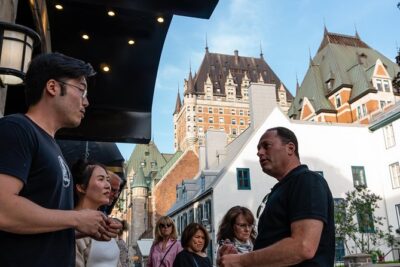
Old Quebec Classique Walking Tour with Funicular
Read our review →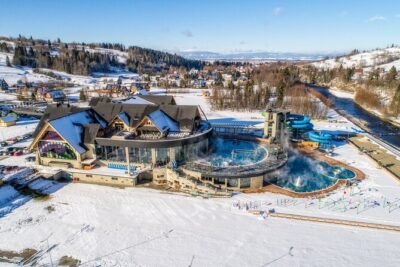
Krakow to Zakopane: Funicular, Tasting and Thermal Baths Day Trip
Read our review →
Lyon Highlights & Secrets Walking Guided Tour (small group) including Funicular
Read our review →

Ljubljana: Castle Entry Ticket with Optional Funicular Ride
Read our review →
Browse the lists this tour appears in