
Review · FRANCE TRAIN JOURNEYS
From Nice: Historic Train Ride & Alps Villages
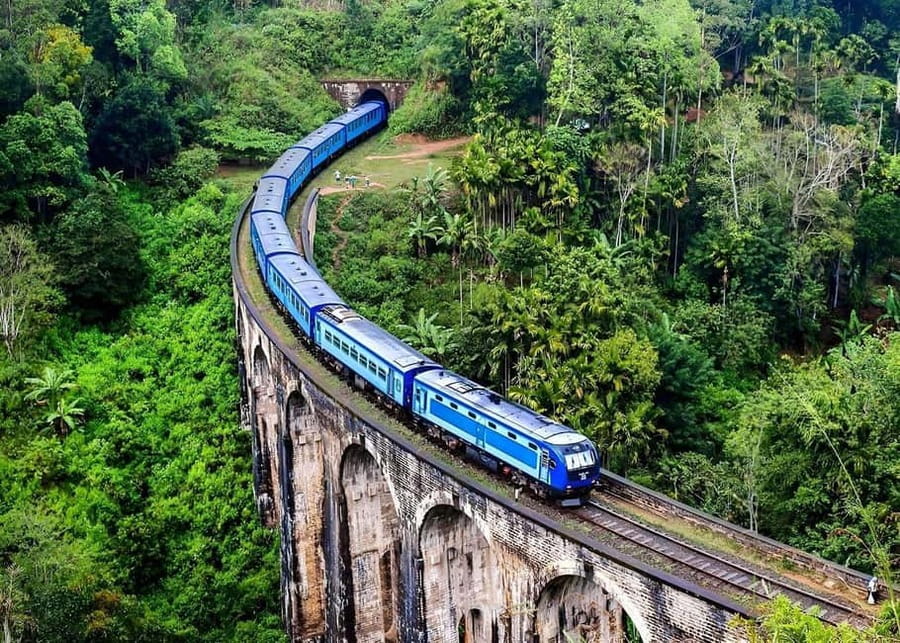
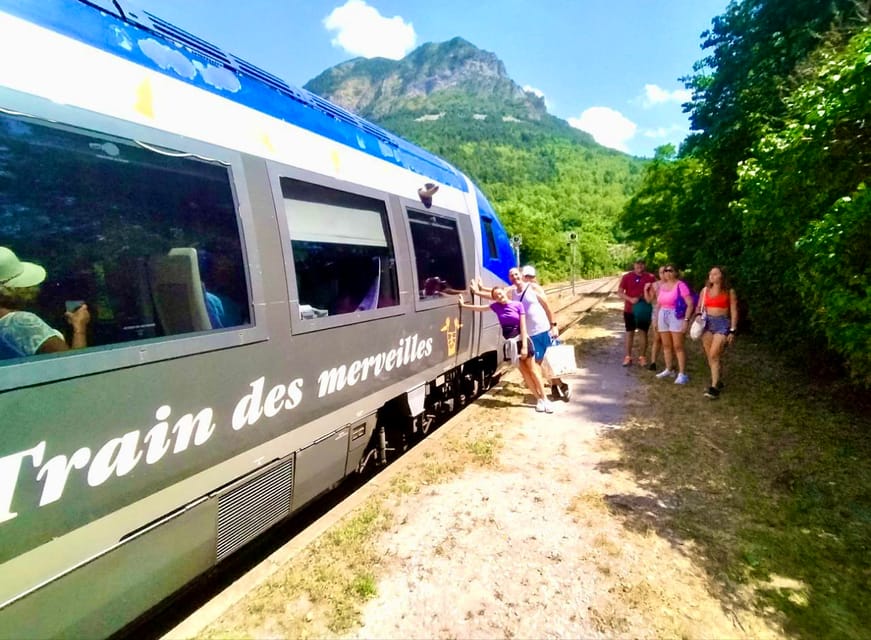
The best part of this day is the historic mountain train ride itself. From Nice, the line climbs beside canyons, viaducts, tunnels, and the region’s longest Alpine river, carrying you far beyond the usual Riviera circuit. I like the slow pace and the way the views unfold from the carriage window. I also like that the villages are places of real daily life, not polished stage sets.
The two village visits add plenty of variety: one brings medieval walls, drawbridges, a Baroque cathedral, and a hilltop stronghold; the other offers tiny lanes, sandstone houses, and optional walks through old chestnut woods. The catch is simple: this is a long, physical day, with an early meeting time, up to 11 hours away, and several kilometers of steep walking.
Why this Alpine day trip earns attention
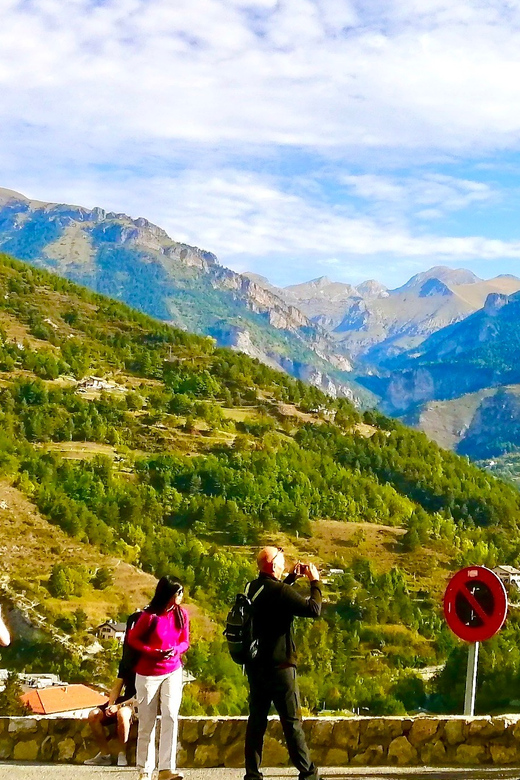
- The train is part of the attraction: You spend about two hours riding the Chemin de Fer de Provence through mountain scenery rather than merely using transport to reach the villages.
- Medieval architecture comes with a climb: The first village includes a 30 to 45 minute uphill walk toward a castle, with about 200 meters of height gain.
- The second village offers a choice: Pick a gentle village walk and free time, or take the longer route through chestnut woods, caves, and giant sandstone blocks.
- Lunch is local and practical: You can have a picnic or eat at a typical village restaurant, depending on the option selected.
- Small groups make a difference: The group is limited to 15, and guides such as Cyril, Carmela, William, and Alex are praised for keeping everyone informed and cared for.
- The schedule changes in winter: From November 6 through February 28, some departures visit one village only and return to Nice earlier.
The 7:30 train departure from Nice
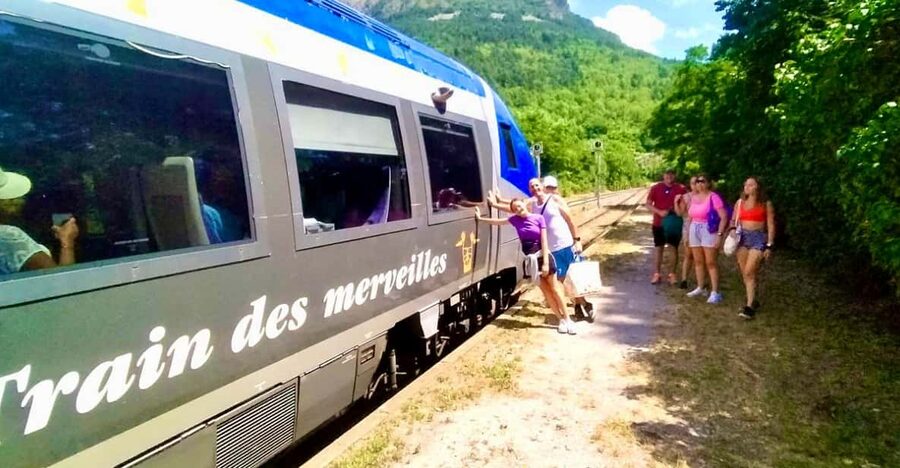
Your day starts at the blue gate of the Gare des Chemins de Fer de Provence, a two-minute walk from the Libération stop on Tram Line 1. The station sits behind the grand Halle de la Gare du Sud on Place Charles de Gaulle. The guide waits at the gate with a blue sign for the Train Experience through the Alps.
This early start matters. The full schedule leaves at 7:30 a.m. and returns around 8:57 p.m., so you should eat breakfast before meeting the group. Breakfast is not included. Bring water, comfortable shoes, and clothing suited to the forecast. Mountain weather can differ from Nice, and the day includes time outdoors at several elevations.
The small group size is one of the practical strengths here. A group of no more than 15 can move through narrow lanes and old churches without turning every stop into a head count exercise. It also gives you a better chance to ask questions on the train or speak with the guide during breaks.
Guides vary by departure. Cyril appears often in the tour’s recent feedback, while Carmela, William, Alex, and others have also led the day. The strongest pattern is clear: the guide is not just there to point at buildings. You get commentary about Nice, Provence, local customs, village history, and the changing borderland culture of the Alps.
More Train Journeys in France:
- From Geneva: Day Trip to Chamonix with Cable Car and Train
★ 4.7 · 1,015 reviews - Nice: A gentle ride on a small electric train with panoramic views
★ 4.4 · 806 reviews - Train Exp. through the Alps (Royal Baroque Route from Nice)
★ 5.0 · 682 reviews
Watching the Alps roll past the train window
The first train journey lasts about 90 minutes. It is not a high-speed dash to the mountains. That is the point. The railway threads through valleys and cuttings, then passes bridges, tunnels, and steep mountain scenery that would be easy to miss from a road vehicle.
Listen for the guide’s cues about which side of the train to watch. One guide, Carmela, was especially careful to tell the group when an important view was coming and where to look. That small bit of help makes the ride more rewarding, particularly when a canyon or village appears briefly between tunnels.
The train ride also gives you time to settle into the day. You can look out the window, listen to the commentary, and get a sense of how the Riviera gives way to a more isolated Alpine world. The scenery changes from the urban edge of Nice to forests, valleys, cliffs, and scattered settlements.
The return includes another shorter train segment of about 30 minutes, though the exact transport arrangement can vary. A past service disruption caused a significant delay, with the guide arranging buses and alternate trains. That is not a normal feature of the tour, but it is a useful reminder that mountain railways can be less predictable than a private vehicle.
The first village: walls, Baroque art, and a royal fortress
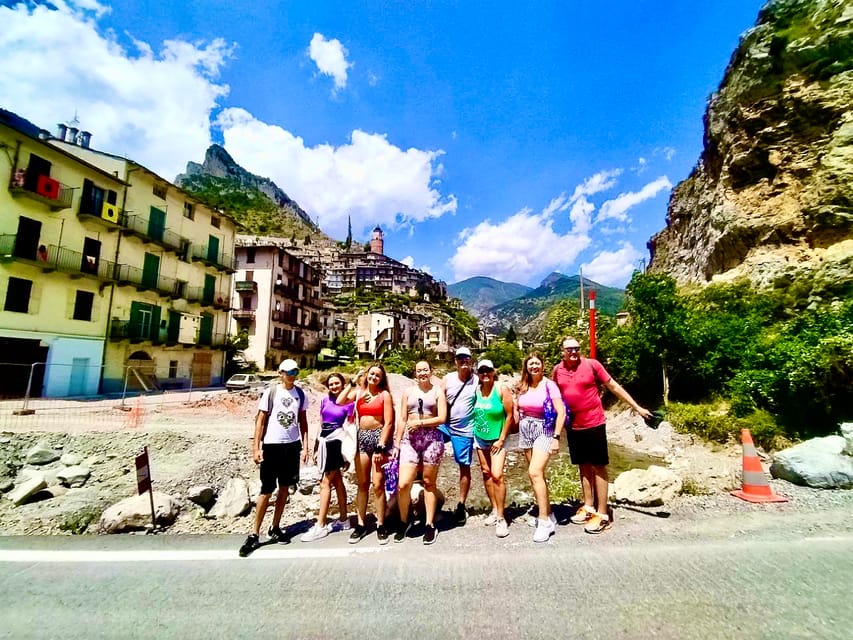
The first village is presented as one of France’s prettiest villages and centers on medieval architecture. Depending on the route, places such as La Brigue or Tende may feature in the day. The common thread is old stone architecture, religious art, defensive structures, and a village setting that feels far removed from Nice.
Expect a guided walk through gates and narrow streets, followed by a visit to a striking Baroque cathedral or church. Baroque art can be easy to overlook if you visit alone, especially when you are focused on taking pictures. Here, the guide explains what you are seeing and connects the church to the area’s political and religious past.
The major effort comes with the climb toward the castle or citadel. The walk takes about 30 to 45 minutes and rises roughly 200 meters, or 600 feet. The reward is a higher viewpoint and a better sense of why the site mattered as a royal stronghold. Fortifications, towers, bridges, and steep approaches make more sense once you see the terrain around them.
You need good shoes and reasonable fitness for this part. The walk is not described as technical, but it is steep in places, and the day continues after you reach the top. Some departures have offered a shuttle option for people who could not manage the full climb, but you should not assume that will always be available. Ask before booking if this climb is a concern.
This stop is particularly good for anyone who likes history that can be read directly from the setting. The walls are not isolated museum pieces. They sit above a living village, where the old defensive layout still shapes the streets and views.
Lunch in a village instead of beside a highway
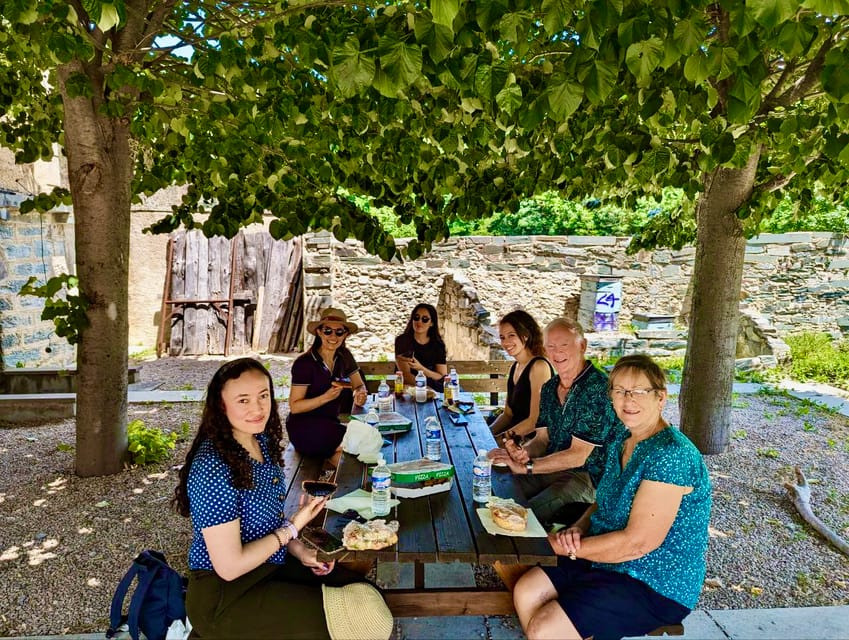
Lunch lasts about 45 minutes and may be served at a typical local restaurant or provided as a picnic, depending on the option you choose. The restaurant meal is the better choice if you want to try a warm regional dish and support a small local business. Past menus have included classic French food and local specialties, with pizza also available on some days.
The picnic is more basic but convenient. One picnic included a large bread roll filled with Niçoise salad. Vegetarian food was available, but one past experience noted no alternative to the salad-filled roll, so tell the operator about dietary needs in advance. Other dietary requests have been handled successfully when communicated ahead of time.
A restaurant meal may also cost extra on some departures. One person paid an additional 15 euros for the restaurant option. Check the exact choice and price before you go, since the included lunch arrangement can differ.
Do not expect a long food-focused tour. Lunch is a useful break in the middle of an active day, not an extended culinary event. Still, eating in a village gives the day a stronger local feel than stopping at a roadside rest area.
Same line, a different day out:
- Lyon Highlights & Secrets Walking Guided Tour (small group) including Funicular
★ 5.0 · 831 reviews - Bordeaux: Little Electric Train Tour
★ 4.2 · 429 reviews - Paris: Montmartre Train Ride w/ Optional Seine River Cruise
★ 4.2 · 250 reviews - Disneyland® Paris Tickets for Train and Parks
★ 4.3 · 249 reviews
The second village and its sandstone lanes
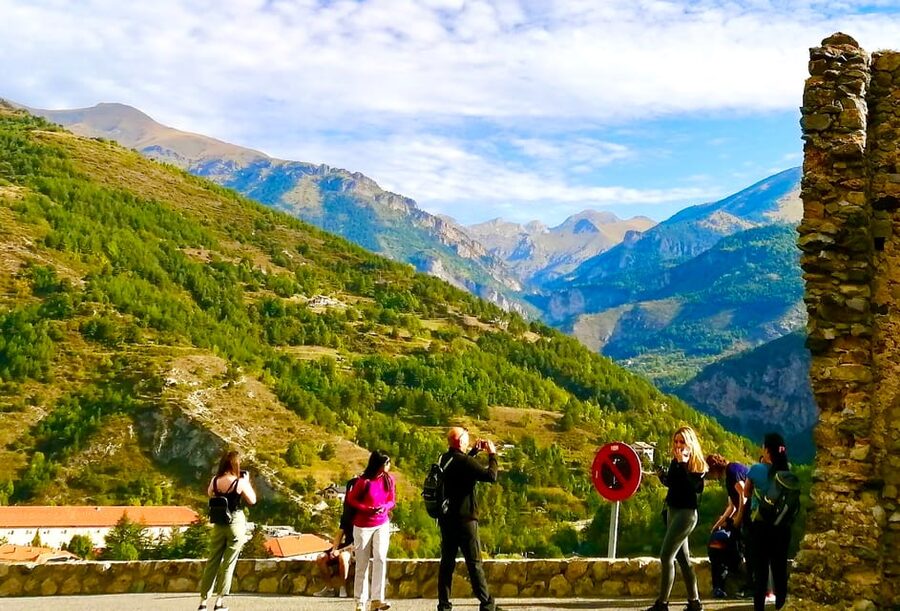
After another train ride of around 30 minutes, the day moves to a second village. This place has a different character from the first. Instead of grand fortifications and a hilltop citadel, you find a maze of narrow lanes, sandstone blocks, and houses built into or against the rock.
Annot is one example associated with the longer walking route, while Saorge has also appeared on routes featuring medieval lanes and religious sites. The exact combination can depend on the departure and season. You should think of the second stop as the more flexible part of the day, with choices for active walkers and those who prefer a slower visit.
The village walk is manageable for many people, but the surfaces can be uneven and the lanes may include steps or slopes. You get time to look at the buildings, pause for local food or pastries, and enjoy the village without rushing from one sight to the next.
There may also be time for wine or pastry tastings, an early dinner at your own expense, or a game of pétanque with the group or local people. These details are not guaranteed as formal activities, but they show the relaxed nature of the stop. It is a good place to put away the camera for a few minutes and enjoy the ordinary rhythm of village life.
Choosing the optional hike through chestnut woods
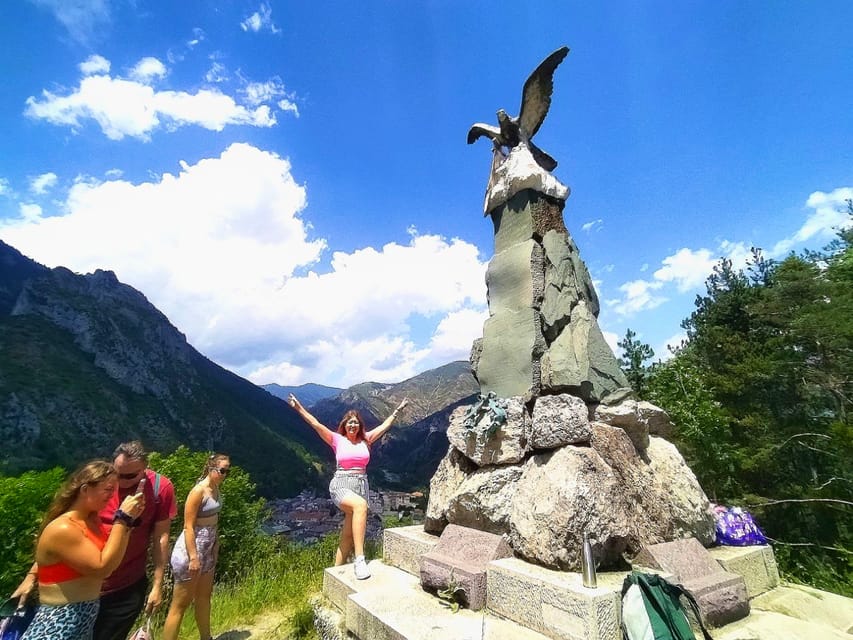
The longer walk is the day’s most demanding and, for many people, most memorable section. The route can lead through a forest of old chestnut trees, past mysterious caves and large sandstone formations. The rock formations give the walk a strong geological character, while the woods provide shade in warm weather.
The minimum walking on the sporty version is about 5 kilometers, or 3 miles. The longer option can reach 12 kilometers, or 7.5 miles. These figures include the village walks and other movement during the day, so do not treat the longer route as a casual stroll.
You should choose this option only if you are comfortable walking for several hours on uneven ground. Good physical condition is required, and the activity is not suitable for people with mobility impairments. Comfortable walking shoes are essential. A towel and swimsuit can be useful in hot summer weather if you would like to take a refreshing swim in the river, but you must tell the operator in advance so the route can be considered.
If you prefer not to hike, you are not left with nothing to do. You can take shorter walks around the village, enjoy free time, sample local food, or play pétanque. That flexibility is valuable for mixed groups, though the day remains active even without the longest walk.
What the guides add to the day
The guides are the main reason this experience works as more than a scenic train ride. Cyril is frequently singled out for his history of Nice and the mountain valleys, his humor, and his attention to individual needs. Carmela is praised for clear instructions, warm group management, and keeping the day moving without making it feel rushed.
William has also led departures with a strong focus on history and timing, while Alex has helped with food arrangements and special dietary needs. The guide names may change, but the format stays consistent: live commentary in French, English, Italian, or Spanish, on the train, in the villages, and inside monuments.
A good guide matters here because the route is not self-explanatory. A church, fortification, or unusual sandstone house can look attractive without revealing why it exists. The commentary connects the buildings to power, religion, trade, village life, and the difficult geography of the valleys.
The guides also help with the practical side. They point out toilets and refreshment stops, explain the next meeting time, and adjust the pace when possible. This is especially helpful on a long day when the group includes different ages and fitness levels.
Is $200 a fair price?
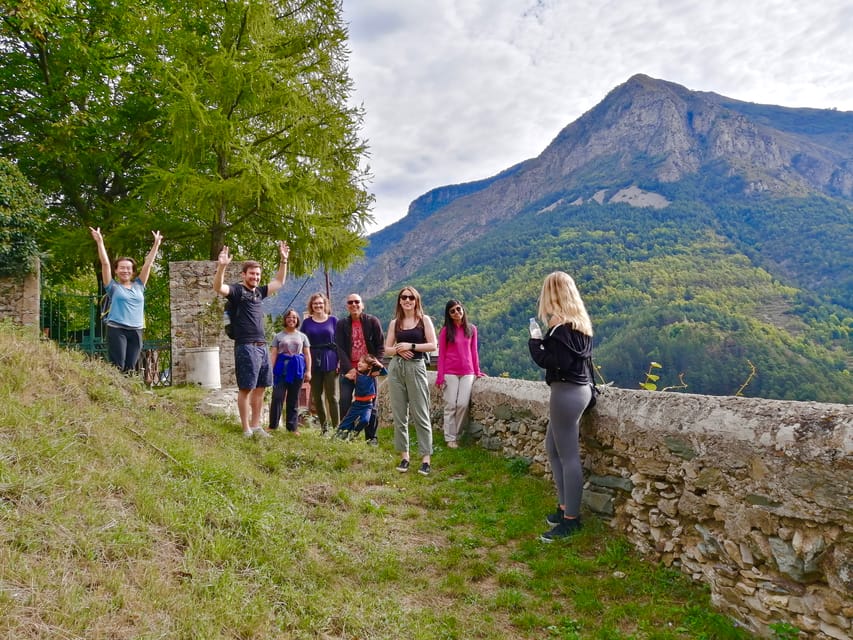
At about $200 per person, this is not a cheap train ticket. The value depends on how much you want handled for you. The price includes round-trip train tickets, a professional guide, commentary, and lunch in the form selected. You are also paying for access to two difficult-to-reach villages without having to organize rail connections, local walks, meal timing, and the route between each stop.
The small group improves the value. A private guide would cost much more, while a large coach trip would likely feel less personal and would be awkward in medieval lanes. The full day also covers a lot of ground, from the train journey to churches, castles, village streets, and optional nature walks.
I would not choose this tour if you only want a gentle panorama from a train window. Much of the appeal lies in walking and listening. You should also check whether lunch at a restaurant costs extra and confirm which villages are planned for your date.
Timing, seasons, and useful planning advice
The standard schedule runs from 7:30 a.m. until about 8:57 p.m. That makes this a full day, not a quick excursion between beach time and dinner. If you have only a short stay in Nice, plan something light for the following morning.
Winter departures are different. From November 6 through February 28, Tuesday, Wednesday, Thursday, and Saturday sessions visit one village and include hiking, returning to Nice around 4 p.m. Sunday sessions visit two villages and return around 6:15 p.m. The stated winter schedule should be checked carefully before booking.
The activity offers free cancellation up to 24 hours before departure and a reserve-now, pay-later option. Hotel pickup and drop-off are not included, so you must reach the station yourself. The meeting point is central and close to the tram, but allow enough time to find the blue gate.
Bring:
- Comfortable walking shoes with good grip
- Water and weather-appropriate clothing
- Breakfast, since it is not included
- A towel and swimsuit in summer only if you arrange the river stop ahead of time
- Any dietary information before the tour date
Who should book this train and village tour?
I would recommend it to you if you want to see the mountain side of the South of France, enjoy local history, and are happy to spend a full day on foot. It suits couples, families with active older children, solo visitors, and anyone who would rather let a guide handle a complicated regional route.
It is also a good choice if you have already seen Nice, Antibes, Cannes, and the coastal villages. The scenery and architecture here feel different, and the smaller villages receive far fewer day visitors than the main Riviera sights.
I would hesitate if you have limited mobility, dislike steep paths, or need a predictable short schedule. The tour is not designed for a wheelchair, and even the gentler version includes walking through old villages. The 11-hour day can also feel tiring if you are not prepared for an early start and a late return.
Should you book it?
Book this experience if the idea of riding a historic railway into the Alps, learning how medieval villages worked, and walking through chestnut woods sounds better than another day beside the Mediterranean. The strongest reasons are the varied route, the small group, and guides who add real context to the places you see.
Skip it if you want a restful outing or cannot manage hills and uneven streets. For fit visitors who want a genuine change from the coast, this is one of the more useful ways to reach the mountain villages from Nice. Bring good shoes, keep your schedule open, and choose the hike level honestly.
FAQ
Where does the tour meet in Nice?
Meet at the big blue gate of the Gare des Chemins de Fer de Provence, about two minutes from the Libération stop on Tram Line 1. The guide waits with a blue sign reading Train Experience through the Alps.
What time does the full tour start and finish?
The full schedule meets at 7:30 a.m. and returns to Nice around 8:57 p.m. The exact starting time should be confirmed when you check availability.
How much walking is involved?
The activity includes about 4 to 10 kilometers of walking in the villages, with sporty options reaching 12 kilometers. The first village may include a 30 to 45 minute uphill walk with about 200 meters of height gain.
Is lunch included?
Yes. Lunch is provided as either a picnic or a meal at a local restaurant, depending on the option selected. A restaurant choice may carry an additional charge on some departures.
Can I skip the longer hike?
Yes. You can choose shorter walks around the second village, have free time, taste local food, or play pétanque instead of taking the longer hiking route.
What languages are available?
Live commentary is available in French, English, Italian, and Spanish.
Is the tour suitable for people with mobility impairments?
No. The tour involves substantial walking, hills, uneven village streets, and optional hiking, and it is not suitable for people with mobility impairments.
Just added for rail travellers in France
- Versailles: Semi-Private Guided Tour with Train★ 4.5 · 16 reviews
- LOURDES : COME FOR A DAY – Private Day-trip from PARIS by High Speed Train★ 4.5 · 24 reviews
- Aix-en-Provence by Electric Tourist Train – City Center Circuit★ 4.0 · 67 reviews
- The Little Train of Sainte-Maxime★ 4.3 · 75 reviews
- Saint-Raphaël : The Little Train of Saint Raphaël Tour★ 4.3 · 79 reviews
- Tour with the Mountain Train, Trek to Mystic Forest and Castle★ 5.0 · 101 reviews
- Welcome to Paris Day Trip from London via Train★ 4.5 · 124 reviews
- Antibes: 2-Way Little Train of Antibes Tour to Juan-les-Pins★ 4.2 · 140 reviews
France Train Journeys, compared.
Day Trip to Chamonix with Cable Car and Train
Read our review →
Lyon Highlights & Secrets Walking Guided Tour (small group) including Funicular
Read our review →
A gentle ride on a small electric train with panoramic views
Read our review →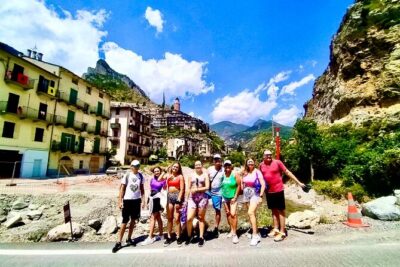
Train Exp. through the Alps (Royal Baroque Route from Nice)
Read our review →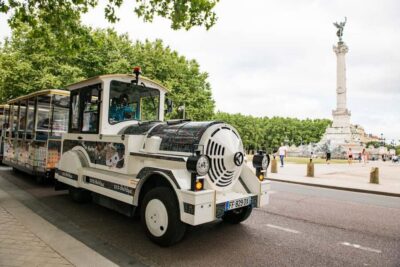
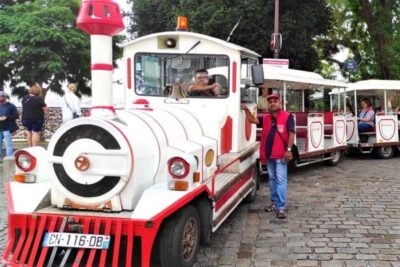
Montmartre Train Ride w/ Optional Seine River Cruise
Read our review →
Browse the lists this tour appears in