

Review · HIGH-SPEED AND BULLET TRAINS
Rome: Pompeii Tour with Wine and Lunch by High Speed Train
Pompeii is one of Italy’s great time machines, and this day trip gets you there without sacrificing half the day to a bus. The ruins reveal bakeries, homes, public baths, shops, brothels, and plaster casts of people caught in the eruption of Mount Vesuvius in AD 79. You walk through a real ancient city, not a small archaeological display.
I like the high-speed train and the careful escorting from Rome Termini to Naples and back. I also like the way the tour pairs Pompeii with a Vesuvian vineyard, where four local wines accompany a generous lunch of antipasti, a first course, and dessert.
The main drawback is simple: nine hours is a long day, and 2.5 hours at Pompeii cannot cover this enormous site. The walking is moderate but exposed, the old paving is uneven, and the small shuttle can feel cramped, especially in the back row.
Key points to know before booking
- High-speed rail cuts the long Rome commute: The train takes about 70 minutes each way between Rome and Naples, followed by private road transfers.
- Pompeii gets a focused 2.5-hour guided visit: You see major streets, homes, shops, public buildings, and plaster casts, but not every corner of the site.
- The guides are the heart of the day: Antonio, Felicia, Vincenzo, Kiera, Ida, and others have been praised for clear explanations, humor, and calm handling of delays.
- The vineyard stop is more than a quick tasting: Expect four wines and a relaxed meal with local specialties over roughly two hours.
- Bring water and sturdy shoes: Southern Italy can be hot and humid, and Pompeii’s stone streets are tiring.
- This is not suitable for wheelchair users: The route and transport cannot accommodate wheelchairs, scooters, or other mobility aids.
Why the train makes Pompeii possible from Rome
A Rome to Pompeii day trip can become a transport marathon. By road, you risk spending six to eight hours on a bus, depending on traffic. This tour uses high-speed rail for the long stretch, which changes the feel of the day.
You meet at Caffè Vergnano 1882 inside Rome Termini, on the departures level near the shopping area facing track 1. Arrive 30 minutes before departure. An ItaliaTours representative holds a sign and helps the group find the right train, a useful service in the busy station.
The train ride to Naples takes about 70 minutes. The modern service is air conditioned and quick, with some sections reaching roughly 290 kilometers per hour. You can sit, rest your feet, and save your energy for Pompeii instead of watching Italy pass through a bus window.
At Naples, your group transfers to a private air-conditioned shuttle. The drive to Pompeii takes about 30 minutes. On the way back, the schedule includes a 45-minute shuttle ride to Naples, then another train journey of about 70 minutes to Rome.
This arrangement does not remove every travel risk. Train delays have occurred, and Naples traffic can affect the road sections. The guides have been praised for keeping people informed and protecting the planned experience when delays happen. Still, you should treat this as a full day, not a quick side trip.
More High-Speed Trains in Italy
- Rome to Pompeii Guided Tour with Wine & Lunch by High Speed Train
★ 5.0 · 1,379 reviews - Venice Day Trip from Rome by High-Speed Train with Happy Hour
★ 4.5 · 445 reviews - From Rome: Day Trip to Venice by High-Speed Train
★ 4.6 · 352 reviews
Walking through Pompeii in 2.5 hours
Pompeii is so large that even a full day would leave plenty unseen. A guide gives you a practical route and helps you understand what you are looking at before the details blur together.
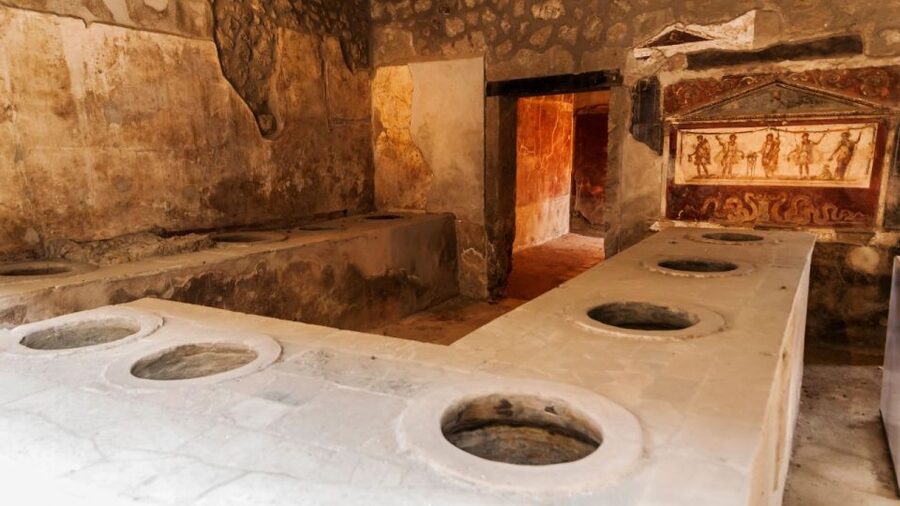
The city was covered by ash and volcanic material after Mount Vesuvius erupted in AD 79. That destruction also preserved parts of daily life with startling clarity. You walk along ancient cobbled streets and pass remains of bakeries, shops, stalls, residences, public baths, and brothels.
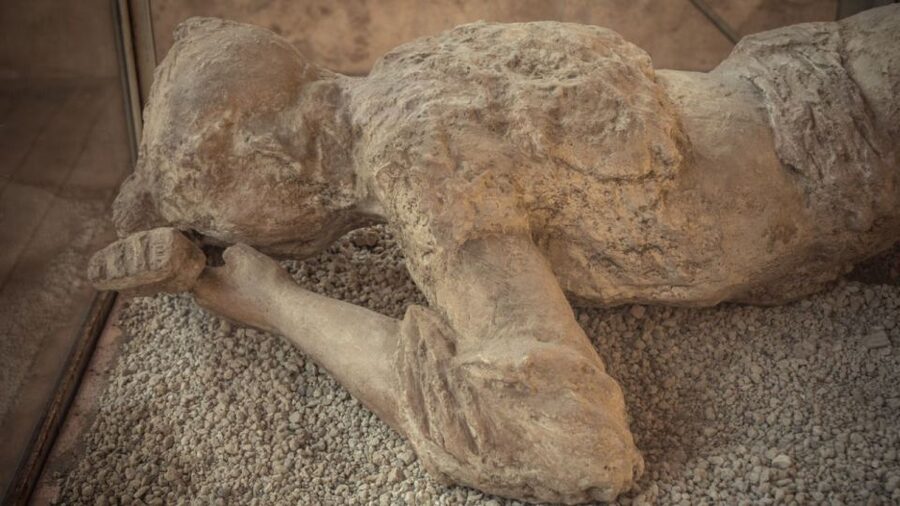
The most affecting sights are the plaster casts. These were made from hollows left in the ash by bodies, preserving the final positions of people caught by the eruption. They bring a human scale to an event that can otherwise feel like a distant history lesson.
A good guide helps connect the physical remains with ordinary life. Antonio has been praised for explaining Pompeii’s history along with plants and the origins of some English words. Felicia is known for her energy and passion for both ancient and modern Pompeii. Vincenzo has earned praise for mixing information with humor, while Kiera has been especially reassuring when transport problems threatened the schedule.
The exact guide depends on the day. The important point is that this is a live, guided visit in English, not a simple entrance ticket with directions. The explanations help you notice how the city worked, how its buildings were used, and what restoration teams are doing now.
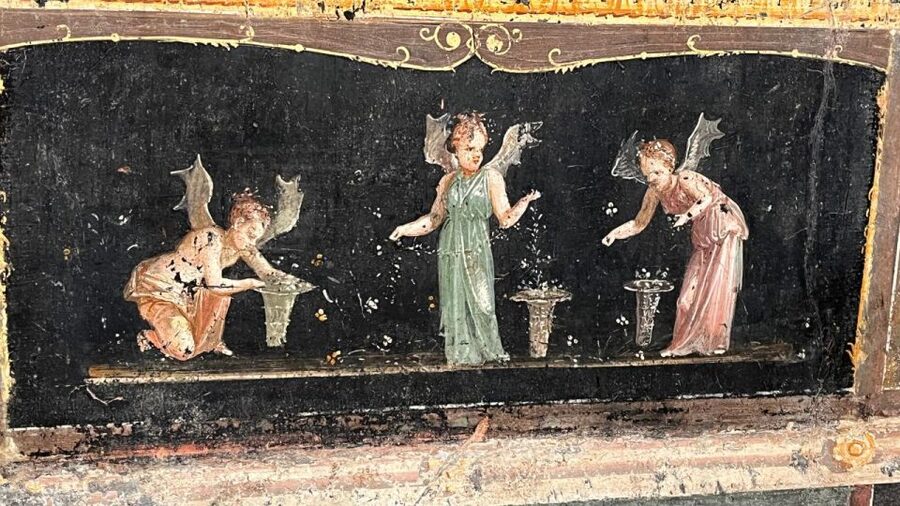
Current excavation and restoration work can be part of the view. In some areas, you may see workers preserving artwork and releasing details from the ash. A raised walking platform can offer a look into sections being excavated, giving you a sense that Pompeii is still an active project rather than a finished museum.
The limits of the Pompeii visit
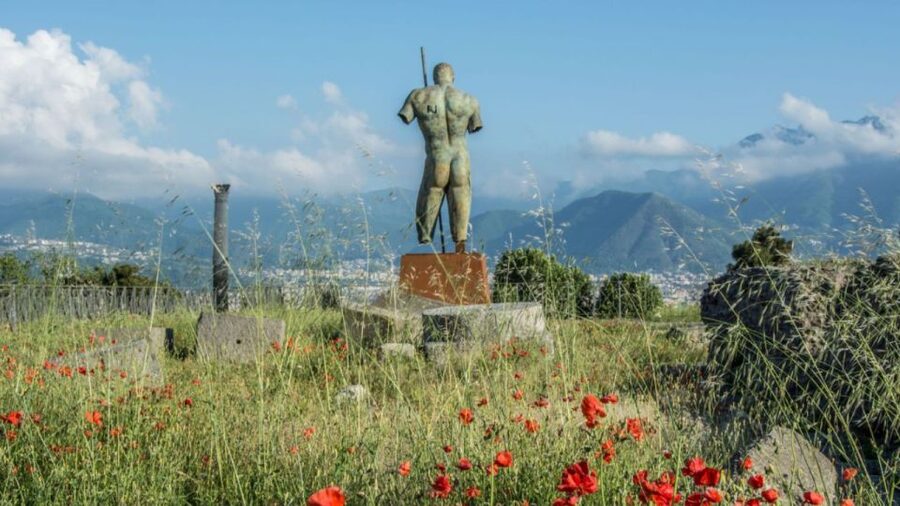
The 2.5-hour visit is enough for a strong introduction, but it is not enough to see the entire archaeological area. You will follow the guide’s route rather than wander freely through every street.
That is a fair trade for a day trip from Rome. Without a guide, you could lose time finding the key areas and miss the meaning behind ordinary-looking walls or mosaics. With a guide, you cover more useful ground and leave with a clearer picture of the city.
The walking surface deserves respect. Ancient paving stones are uneven, and the site can be hot and humid. Wear sturdy, comfortable footwear and bring water. One bottle may not be enough for you on a warm day, and it is wise to carry a snack because breakfast and lunch are separated by several hours.
Groups need to stay alert when crossing roads, passing through exits, or covering long stretches. The pace can feel brisk, and you should keep track of the guide rather than stopping far behind to take photographs. The tour is rated as moderate activity, not a gentle stroll.
A Vesuvian vineyard after the ruins
After Pompeii, the shuttle takes about 15 minutes to a nearby vineyard in the Pompei area. This is a smart point in the day to slow down. Two and a half hours on old stone streets can leave you hot and tired, so sitting in a garden with food and wine gives your feet a proper break.
The tasting includes four wines made from grapes grown in volcanic soil around Mount Vesuvius. The wines are the reason this stop feels connected to the region rather than added as a generic meal break.
The food is described as a light lunch, but you should not expect a token plate. The meal includes an abundance of antipasti, a first course, and dessert, with local specialties taking center stage. Several experiences have praised the food and setting, though the exact menu can vary.
The vineyard setting has been described as beautiful and peaceful. That atmosphere matters after the crowded streets and intense history of Pompeii. You have time to talk, taste, and enjoy the meal without being pushed straight onto the next sight.
Wine tasting and lunch are family-friendly, and children can join the tour. Still, the stop is built around wine, so families should decide if that kind of meal suits their group. Personal extras are not included, so plan to pay separately for anything beyond the provided tasting and lunch.
More High-Speed Trains in Rome:
- Rome to Florence: High-Speed Train Day Trip with Guided City Tour
★ 4.0 · 235 reviews - From Rome: Pompeii and Naples Day Trip by High-Speed Train
★ 4.7 · 234 reviews - Amalfi Coast Day Trip from Rome by High-Speed Train
★ 4.5 · 162 reviews - From Rome: Pompeii and Herculaneum by High-Speed Train
★ 4.9 · 132 reviews
What the guide adds to the day
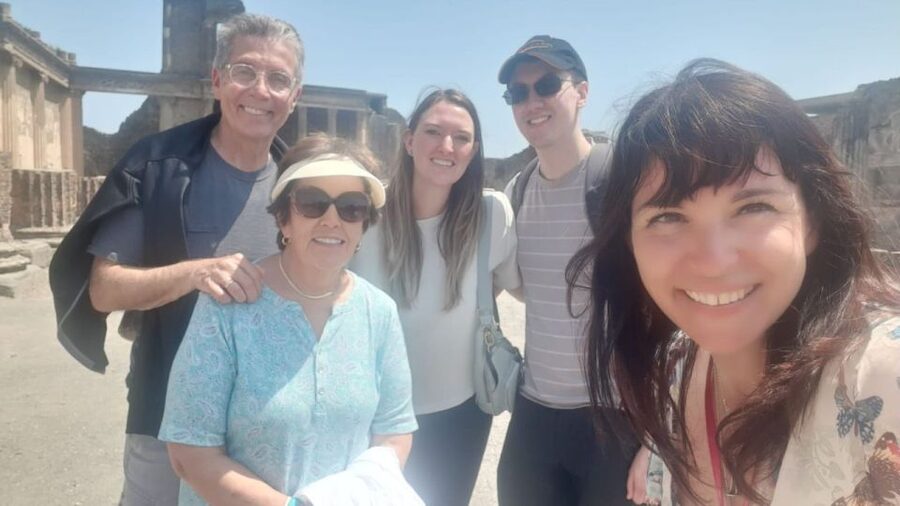
Transport is useful, but the guide makes this tour work. You are accompanied through the train connections, shuttle transfers, archaeological site, and return journey. That means fewer moments spent checking platforms, finding a driver, or wondering if a delay has broken the plan.
The strongest guide experiences share several traits: clear explanations, a good sense of humor, and an ability to keep the group together. Antonio has been praised for his command of Pompeii and his affection for Naples. Felicia has made a strong impression with her enthusiasm and detailed explanations. Ida has been praised at both the archaeological site and the wine stop, while Kiera has handled delays with calm confidence.
There is one useful caution. English ability can vary from guide to guide. One experience found the explanations harder to follow at times, despite the guide’s effort and useful information. If precise, detailed English interpretation is essential to you, remember that the quality of communication may depend on the person assigned that day.
The guides also handle small problems that can otherwise sour a long day. They have helped recover a phone left on the shuttle and dealt with delayed trains while keeping the group informed. That kind of practical care is easy to overlook when everything goes right, but valuable when it does not.
Is $239 a fair price?
At $239 per person, this is not the cheapest way to see Pompeii. You are paying for the high-speed train, the private air-conditioned shuttle, the guided skip-the-line entrance, the vineyard visit, four wine tastings, lunch, and a guide who stays with you through the connections.
The value depends on what you would otherwise arrange yourself. If you are comfortable buying rail tickets, organizing Naples transfers, securing Pompeii entry, finding a guide, and arranging a vineyard meal, you may spend less by planning independently. You would also need to manage delays and timing on your own.
For many visitors, the price is easier to justify because the transport chain is complicated. The tour turns a potentially tiring Rome to Pompeii trip into one organized day. The high-speed train is the biggest practical advantage, while the lunch and wine tasting provide a pleasant finish rather than another rushed transfer.
The price is less attractive if you want a long, independent Pompeii visit. You may prefer a slower archaeological day with more time for side streets, villas, and restoration areas. This tour favors comfort, structure, and a broad first look.
Who should take this day trip?
I would recommend it to a first-time Pompeii visitor staying in Rome who wants to see the site without renting a car or spending most of the day on a bus. It also suits people who value an organized schedule and want a meal built into the day.
Families can join, and the train is a good choice if you find long bus rides uncomfortable or prone to motion sickness. The vineyard lunch gives children and adults a change of pace, though the walking and heat still require preparation.
History fans should understand the time limit. You will learn a lot, but you will not explore every part of Pompeii. Return visitors who already know the main streets may prefer a longer visit with more freedom.
This is not the right choice for wheelchair users or anyone who cannot manage uneven ancient streets, sustained walking, and shuttle transfers. The provider says the route cannot accommodate wheelchairs, scooters, or other mobility aids. Contacting the provider about customized options is the only sensible step if mobility is a concern.
Cancellation is flexible up to 24 hours before departure for a full refund, and you can reserve now and pay later. The tour does not run on public holidays, so check the date carefully.
Should you book it?
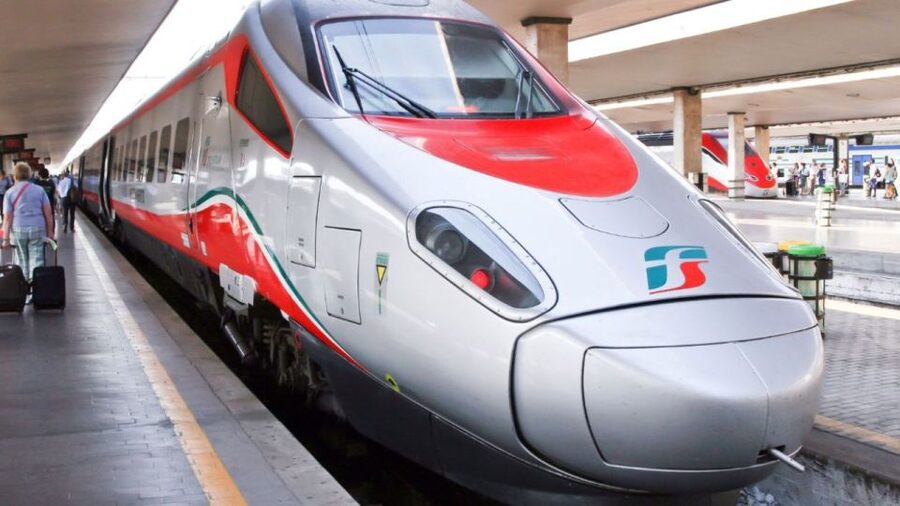
Book this tour if you want the easiest strong introduction to Pompeii from Rome. The combination of fast rail, a guide from Termini through the return trip, a focused archaeological visit, and a Vesuvian wine lunch gives the day a good rhythm.
Skip it if your priority is maximum time inside Pompeii, a low-cost independent plan, or a completely flexible schedule. For everyone else, the $239 price buys more than transportation. It buys a day with the difficult parts organized, leaving you free to focus on the ancient streets, the human stories, and the food and wine of Campania.
FAQ

How long is the Rome to Pompeii tour?
The experience lasts about nine hours, including the train rides, shuttle transfers, guided visit, wine tasting, and lunch.
Where does the tour start?
It starts at Caffè Vergnano 1882 inside Rome Termini Station, on the departures level near the shopping area facing track 1.
How early should I arrive?
Arrive at least 30 minutes before departure so you can meet the representative and join the group before boarding.
How long is the high-speed train ride?
The train ride between Rome and Naples takes about 70 minutes each way.
How do I get from Naples to Pompeii?
A private, air-conditioned shuttle takes the group from Naples train station to Pompeii. The outbound ride takes about 30 minutes.
How much time is spent at Pompeii?
The guided visit at the Pompeii Archaeological Site lasts about 2.5 hours.
Is lunch included?
Yes. A farm-to-table lunch is included, with antipasti, a first course, dessert, and wine tasting.
How many wines are included?
The vineyard tasting includes four wines produced in the volcanic soil around Mount Vesuvius.
Is the tour suitable for children?
Yes. Children are welcome, and the wine tasting and lunch are family-friendly.
Is the tour suitable for wheelchair users?
No. The route and transportation cannot accommodate wheelchairs, scooters, or other mobility aids. Contact the provider about customized options for mobility challenges.
More Lunch Experiences in Rome
- Pompeii and Naples Tour from Rome by Train with Lunch
★ 5.0 · 218 reviews - Pompeii & Herculaneum by Train from Rome with Pizza Lunch
★ 5.0 · 91 reviews - From Bangkok: Death Railway & Hellfire Pass Tour with Lunch
★ 4.6 · 931 reviews - Porto: Douro Valley Full-Day Boat, Train, and Lunch Tour
★ 4.7 · 787 reviews
More Wine Tours in Rome
- Montserrat & Cogwheel Train, Gourmet Wine Tasting & Tapas/Lunch
★ 5.0 · 6,290 reviews - Porto: City Train Tour, River Cruise & Wine Cellar
★ 3.9 · 2,601 reviews - Porto: Magic Train Tour and Port Wine Cellar with Tastings
★ 3.9 · 730 reviews - Barcelona: Montserrat with Winery, Lunch, and Train Options
★ 4.8 · 525 reviews
Just added for rail travellers in Rome
- From Rome: Pompeii and Herculaneum Tour w/ High-speed Train★ 4.8 · 92 reviews
- Pompeii & Herculaneum by Train from Rome with Pizza Lunch★ 5.0 · 91 reviews
- From Rome: Florence & Tuscany Day Tour by High-Speed Train★ 4.6 · 126 reviews
- From Rome: Pompeii and Herculaneum by High-Speed Train★ 4.9 · 132 reviews
- From Rome: Pompeii Ruins Tour with Expert Guide & Fast Train★ 4.2 · 158 reviews
- Amalfi Coast Day Trip from Rome by High-Speed Train★ 4.5 · 162 reviews
- From Rome: Pompeii and Naples Day Trip by High-Speed Train★ 4.7 · 234 reviews
- Rome to Florence: High-Speed Train Day Trip with Guided City Tour★ 4.0 · 235 reviews
High-Speed and Bullet Trains, compared.

Mt Fuji & Hakone Cruise, Drum Show Bullet Train 1 Day from Tokyo
Read our review →
Tokyo Mt Fuji 5th St & Hakone Cruise Bus Tour w/Bullet Train
Read our review →
Taj Mahal & Agra Tour by Gatimaan Express Train
Read our review →
Venice Day Trip from Rome by High-Speed Train with Happy Hour
Read our review →
Mt. Fuji and Hakone Day Trip From Tokyo with Bullet Train Option
Read our review →
Suzhou Private Day Trip from Shanghai with Bullet Train Option
Read our review →

“Taj Mahal” Tour from Delhi by India’s Fastest Train (Gatiman Express)
Read our review →Browse the lists this tour appears in