
Review · SELF-GUIDED TOURS
Take the U Train: An Audio Story of Berlin’s Oldest Elevated Railway Line
Berlin’s first overhead U-Bahn route is best understood from street level. This self-guided tour traces the old Siemens & Halske line from Warschauer Straße across the Spree and through Kreuzberg, pairing the route with audio that starts at the right place through your phone’s GPS.
I like the freedom to begin whenever you wish, and I like the way the route connects railway engineering with real Berlin streets, bridges, canals, and neighborhoods. The main catch is simple: this is mostly a walking tour, not a long train ride. You spend only a short time aboard the U-Bahn itself.
Key points to know before you go
- The route follows Berlin’s first overhead U-Bahn line, built by Siemens & Halske at the end of the 19th century.
- You walk from Warschauer Straße to Gleisdreieck, crossing Oberbaumbrücke and following the steel viaduct through Kreuzberg.
- The audio plays automatically by GPS, so you do not need to keep checking for the next track.
- VoiceMap works offline, including the audio, maps, and location data.
- A BVG ticket is extra, and you must validate it before boarding and keep it for the full tour.
- The $14.99 price buys lifetime access, but the experience is non-refundable after booking.
What this two-hour Berlin route really is
The title may suggest a train journey, but the practical shape is different. You follow the old line on foot, with the railway overhead or nearby, and use the U-Bahn for only part of the route. That distinction matters if you are comparing this with a conventional sightseeing ride.
The route begins at Warschauer Straße in Friedrichshain and ends at Gleisdreieck in Berlin. The total time is about two hours, though your pace, stops, and time spent looking at the surroundings will affect the finish time.
The audio story gives you the historical thread. Instead of moving from one unrelated sight to another, you follow one piece of infrastructure from its eastern starting point toward the former end of its original eastern branch. That makes the route easy to understand: the railway itself is your guide.
You also get practical independence. There is no meeting with a guide and no fixed departure time listed. You book the tour, download the VoiceMap app, and start at the stated point at Warschauer Str. 35. The activity is private in the sense that only your group uses the tour, but it is not a private guided walk with a person beside you.
More Self-Guided Tours in Germany:
- From Cairns: Self-Guided Kuranda Trip with Train and Skyrail
★ 4.6 · 3,392 reviews - Oslo To Bergen Self-Guided Full Day Trip with Flåm Railway And Fjord Cruise
★ 4.0 · 69 reviews - Zurich: Audio Guided City Tour and Train to “Top of Zurich”
★ 4.2 · 65 reviews
Starting at Warschauer Straße in Friedrichshain
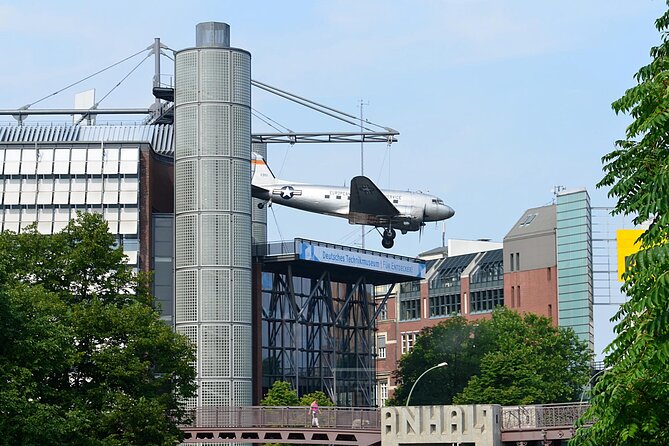
Warschauer Straße is served by the U1 and U3, making it a straightforward place to reach by public transportation. It is also the natural beginning for understanding how this railway route developed from Berlin’s eastern side.
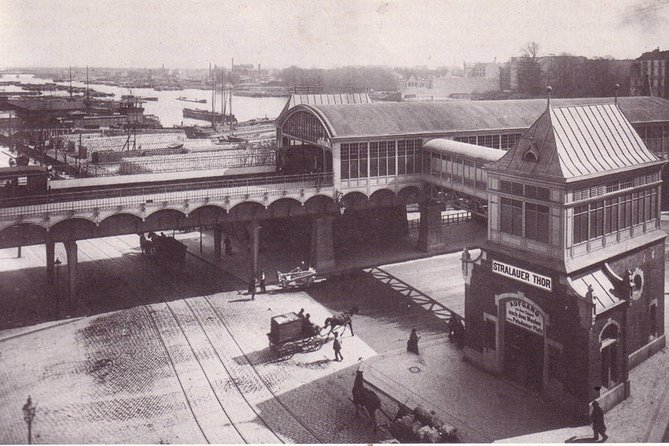
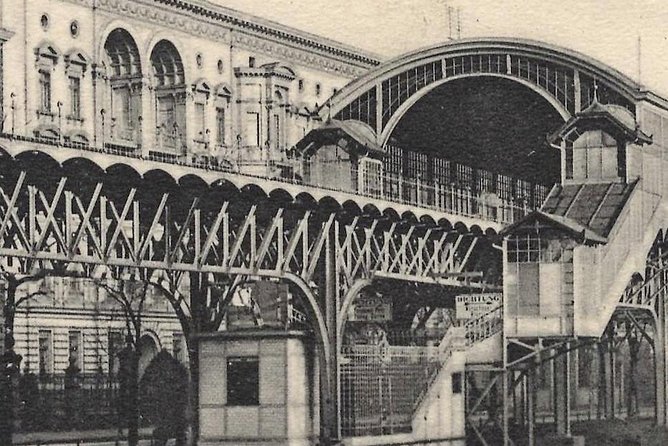
The audio starts here and sets up the story of the line built by Siemens & Halske at the end of the 19th century. That company built Berlin’s first overhead U-Bahn line, known as the Hochbahn Stammstrecke. The route you follow today is a surviving piece of that early urban railway idea.
You should arrive with your phone charged, the VoiceMap app ready, and your headphones connected. Since the commentary depends on GPS, keep location services enabled. The app is designed to play the correct audio at the correct point, which lets you look around instead of constantly searching a map for the next instruction.
Warschauer Straße is also a useful place to pause before beginning. Make sure your BVG ticket is valid before you board any train. The ticket is not included in the tour price, and the instructions specifically require either a valid day ticket or a single ticket valid for two hours along one route.
Crossing the Spree on Oberbaumbrücke
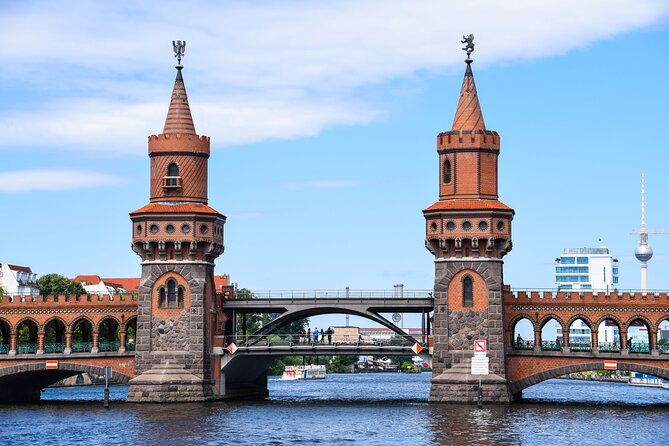
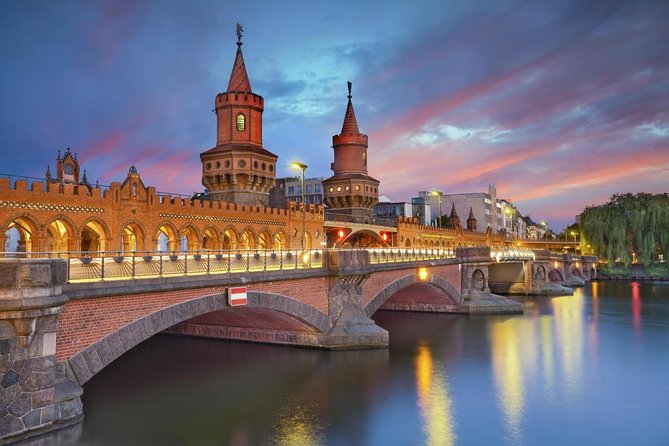
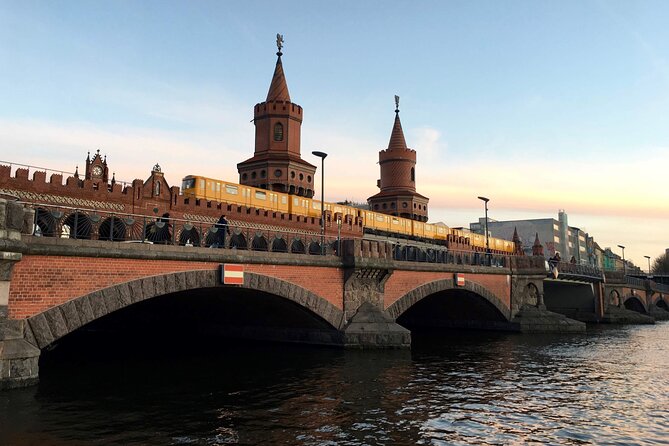
From Warschauer Straße, the route continues toward Oberbaumbrücke. This 1896 bridge links Friedrichshain and Kreuzberg across the River Spree, giving the tour one of its clearest visual moments.
The bridge is more than a crossing point. It helps you see how the railway connects parts of Berlin that once functioned as separate districts. From here, the route shifts from the eastern starting area toward the Kreuzberg side of the city.
The audio gives the bridge a place in the wider railway story instead of treating it as a quick photo stop. You can listen while crossing, then take a moment to look at the river and the structure itself. The route is not built around entering museums or paid sights, so the bridge and the railway line provide much of the visual interest.
This section also shows why the tour works better for visitors who like to connect history with the city outside. If you want a rapid sequence of indoor attractions, this will feel slow. If you enjoy seeing how a transport line shapes streets and neighborhoods, the crossing gives the story a clear sense of place.
Following the steel viaduct through Kreuzberg
After Oberbaumbrücke, the route follows the steel viaduct along Skalitzer Straße. This is the heart of the walk, since you can see the railway structure running above or beside the city streets as the commentary explains its past.
The route then continues along Gitschiner Straße, Hallesches Ufer, and Tempelhofer Ufer. These names are useful anchors in the app and on the map, but the larger point is the change in setting. You are no longer simply crossing from one station to another. You are tracing the railway as it passes through the built fabric of Berlin.
This portion is where the tour earns its price for the right kind of visitor. You get a focused historical walk, not a general city tour. The audio keeps returning your attention to the line, its construction, and its role in Berlin’s transport history.
I would not expect a nonstop stream of famous landmarks. The attraction is the route itself: the steel viaduct, the streets below it, the riverfront sections, and the way the railway remains part of daily city movement. You should be comfortable walking for much of the two-hour period and listening outdoors.
More Audio Tours in Germany:
- Rotorua Railcruising: Self-Drive Rail Car with Audio Guide
★ 4.6 · 19 reviews
Finishing at Gleisdreieck
The tour ends at Gleisdreieck, where the eastern branch of the original overhead line ended. That gives the route a logical finish rather than an arbitrary stop at a convenient station.
Gleisdreieck is important here because it marks the endpoint of the specific historic section being followed. The audio story therefore has a beginning, a middle, and an end. You start at the eastern side, cross the Spree, follow the viaduct through Kreuzberg, and finish where this original branch concluded.
The endpoint is listed as Gleisdreieck, 10963 Berlin. The supplied information does not include admission to a museum or another attraction there, so do not treat the finish as a ticketed sightseeing stop. You can simply end the audio at the location and continue with your Berlin plans.
Since the tour finishes at a public-transit area, Gleisdreieck is also practical for getting on with the day. The experience does not include transportation after the tour, so you should plan your next move separately.
How the VoiceMap GPS audio works
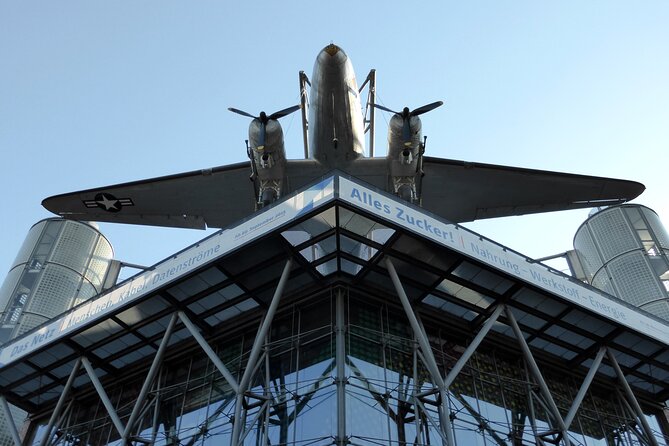
VoiceMap supplies the application, audio, maps, and geodata. The key feature is automatic playback. As you reach the right location, the next section starts through your phone, so you do not need to stop at every corner and manually select a track.
That setup is especially useful on a route with several street names and turns. You can keep your attention on the viaduct and surrounding city rather than holding a printed itinerary. The offline function is another real benefit. Once the tour is downloaded, the audio, map, and location data can work without a live connection.
You still need a smartphone and headphones, neither of which is included. I would download everything before you leave your accommodation, check that the audio works, and bring enough battery for two hours of GPS use.
GPS is helpful, but it is not magic. Keep your phone with you and watch for the next location prompt. If you pause for photos, food, or a long look at the river, allow the route time to catch up. The app’s convenience does not remove the need for normal street awareness.
What the $14.99 price includes
At $14.99 per person, the tour is priced like a low-cost specialty experience rather than a full guided excursion. Your payment includes lifetime access to the audio tour and the VoiceMap app, along with offline maps, audio, and geodata.
That lifetime access matters if you want to repeat the route at a different pace or return to Berlin later. You are not buying only a one-time two-hour window. You can use the tour again, subject to the stated availability period and app access.
The extra costs are modest but important. You must pay for your own BVG transportation, smartphone, headphones, food, and drinks. Any museum or attraction fees along the route are also separate. The tour itself does not include food, a drink, or admission.
The value depends on what you want. A personal guide would offer conversation and immediate answers, but would cost more and follow a set appointment. This audio tour gives you a focused story, route freedom, and repeat access at a lower price. It is less useful if you mainly want to ride trains or prefer a guide who can adjust the commentary to your interests.
The BVG ticket detail you should not miss
You need either a BVG day ticket or a single ticket, called an Einzelfahrschein, valid for two hours along a single route. Validate the ticket before boarding the train and keep it with you for the entire tour.
Do not throw the ticket away after the ride. The instructions specifically say to retain it for the full experience. Since transportation is not included, this is one of the main practical details to handle before you begin.
The route description says you spend little time actually riding the train. That means you should not buy this expecting a long continuous U-Bahn trip. Your ticket supports the transport portion, while your feet do most of the work.
Who will enjoy this experience most
I would choose this tour if you like urban history, transport systems, bridges, industrial design, and self-guided walks. It suits independent visitors who want a fixed story but do not want to join a group at a particular hour.
It also works well for repeat visitors to Berlin. Instead of ticking off the city’s best-known sights, you follow a specific line and see how it runs through Friedrichshain and Kreuzberg. The route gives you a reason to notice the viaduct, streets, and river crossings in a connected way.
Families may find the railway subject appealing, though the information supplied does not give a recommended age or a separate children’s format. Most people can participate, and service animals are allowed. You should still be comfortable walking outdoors and listening through headphones.
I would skip it if you want a fully guided tour, a short ride with minimal walking, or admission to several attractions. The one available rating summary is 4 from two reviews, but the written feedback makes the walking-heavy format clear. Buy it for the story and route, not for a long train journey.
Small practical choices that improve the walk
Wear shoes suited to two hours of city walking. The route includes bridge crossings and streets along the viaduct, so comfort matters more than dressing for a formal attraction.
Use headphones that let you remain aware of traffic and other people. The audio is the main content, but you still need to pay attention while crossing streets and moving through public areas.
Start with the map open and the offline content downloaded. The app is meant to guide you through GPS, but you will enjoy it more if you are not troubleshooting a download at Warschauer Straße.
Plan your food and drink separately. Neither is included, and the tour is long enough that you may want water or a snack before or after the walk.
Keep your ticket until you reach Gleisdreieck. This is easy to overlook because the tour feels like a walk, but the transportation requirement remains part of the experience.
Should you book Take the U Train?
Book it if you want a self-guided Berlin history walk with a clear subject, dependable route, and offline GPS audio. The combination of Warschauer Straße, Oberbaumbrücke, the Spree, Kreuzberg streets, and Gleisdreieck gives you a more focused experience than a general sightseeing app.
Do not book it expecting two hours on the U-Bahn. The main limitation is also the easiest one to understand: this is a walking tour that follows the railway, with only limited time aboard the train.
At $14.99, the lifetime access helps justify the cost, especially if you may repeat the route or share the experience within your own group. Just add the BVG ticket, headphones, and phone to your budget. For independent visitors who enjoy railway history and city walking, this is a practical, narrowly focused way to see Berlin from a different angle.
FAQ
Where does the tour begin?
It begins at Warschauer Str. 35, 10245 Berlin, near the Warschauer Straße U-Bahn station.
Where does the tour end?
The tour ends at Gleisdreieck, 10963 Berlin.
How long does the tour take?
The tour lasts approximately two hours.
Is this a guided group tour?
No. It is a self-guided private activity using the VoiceMap mobile application. Only your group participates.
Do I need a smartphone?
Yes. A smartphone is required, and it is not included.
Do I need headphones?
Yes. Headphones are not included, so you must bring your own.
Does the tour include public transportation?
No. Transportation is not included. You need a valid BVG day ticket or a single ticket valid for two hours along a single route.
When should I validate my BVG ticket?
Validate it before boarding the train and keep it with you for the entire tour.
Does the VoiceMap app work offline?
Yes. The tour includes offline access to the audio, maps, and geodata.
Are museum tickets or food included?
No. Food, drinks, museum tickets, other attraction fees, and transportation are not included.
Just added for rail travellers in Germany
- City tour through Nuremberg with the little train – Christmas tour★ 4.0 · 23 reviews
- Salzburg History & Food Private Tour with Munich train add-on★ 4.5 · 24 reviews
- From Berlin to Sachsenhausen Camp: Private Tour by Car or Train★ 5.0 · 3 reviews
- Stuttgart: Curling rail rental★ 3.3 · 9 reviews
- City tour through Regensburg with the little train★ 4.0 · 67 reviews
- Potsdam Bike Tour with Rail Transport from Berlin★ 4.5 · 81 reviews
- Herrenchiemsee Palace and Fraueninsel Rail Trip from Munich★ 4.5 · 97 reviews
- Private Sachsenhausen Concentration Camp tour with train★ 5.0 · 205 reviews
Self-Guided Tours, compared.
Self-Guided Kuranda Trip with Train and Skyrail
Read our review →
Oslo To Bergen Self-Guided Full Day Trip with Flåm Railway And Fjord Cruise
Read our review →
Audio Guided City Tour and Train to “Top of Zurich”
Read our review →
Self-Guided 22-Hour Round Trip From Oslo To Sognefjord With Flåm Railway
Read our review →
Rotorua Railcruising: Self-Drive Rail Car with Audio Guide
Read our review →
Self-Guided Toledo Day Trip from Madrid with Panoramic Train
Read our review →
Electric Bike and Train Self Guided Tour of North San Diego Coast
Read our review →Browse the lists this tour appears in