
Review · RAILWAY MUSEUMS
Bowling Green: Historic RailPark & Train Museum Entry & Tour
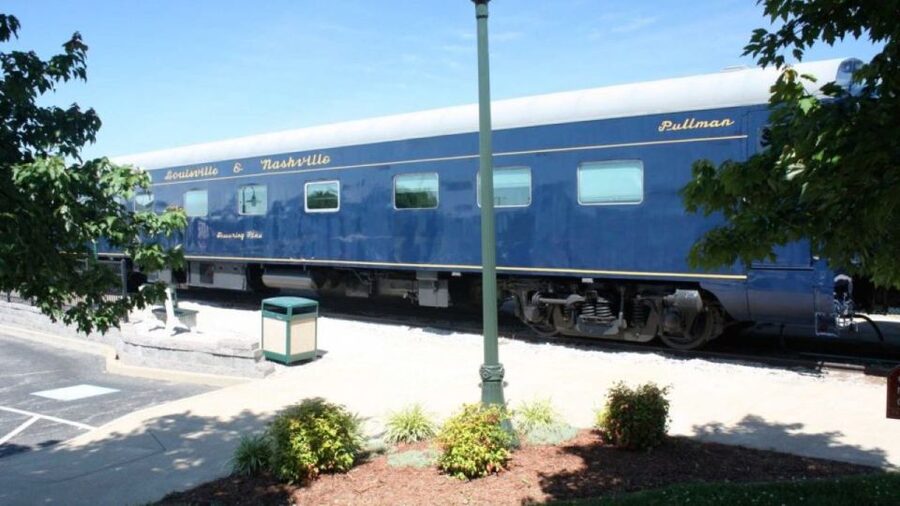
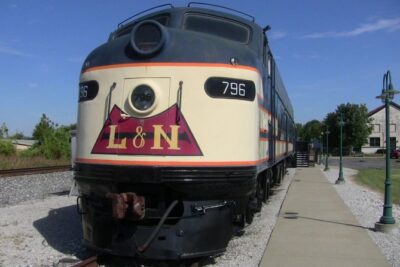
Bowling Green’s Historic RailPark & Train Museum turns railroad history into something you can walk through. You begin in a 1925 depot, then board an E8 locomotive, a Railway Post Office car, a dining car, a sleeper, and the 1911 L&N Presidential Car. The cars do not move, but each one gives you a clear look at how people worked, ate, slept, and traveled by rail.
I like the real working-life stories, especially the chance to hear about cooks, Pullman porters, and conductors rather than seeing only polished machinery. I also like the mix of self-guided museum time and a 45-minute live tour, which gives you freedom to browse while still providing a clear route through the cars.
The main caution is access. The museum itself has an elevator, but the guided train-car portion is not suitable for people with mobility impairments. The cars also remain stationary, so this is a museum visit, not a train ride.
Key points at a glance
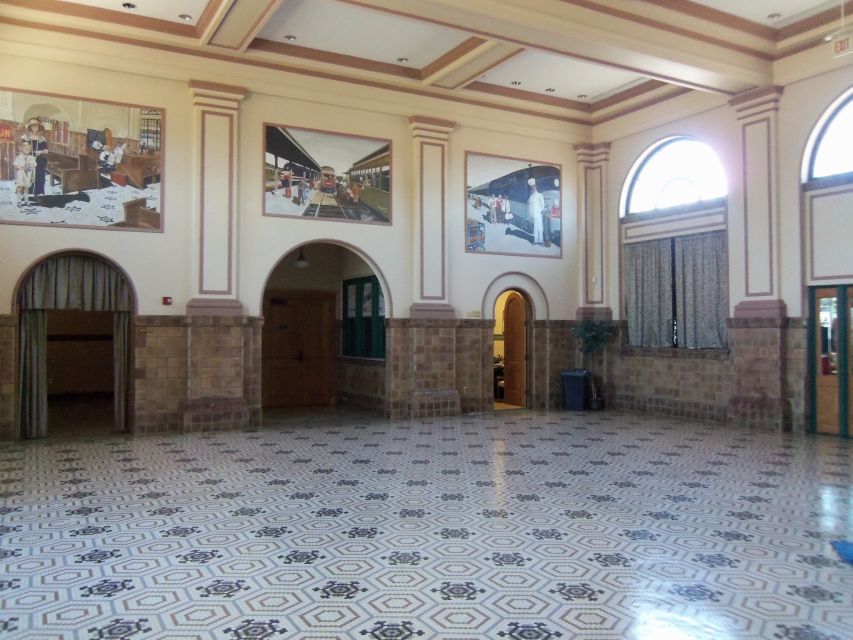
- Start in a 1925 railroad depot: Meet your guide on the same wooden benches once used by passengers.
- Enter five historic railcars: The tour includes an E8 locomotive, Railway Post Office, dining car, sleeper, and presidential car.
- See mail service up close: The RPO car shows how postal workers handled mail aboard trains for nearly 150 years.
- Compare classes of rail travel: The Towering Pine Sleeper helps explain first, second, and third class accommodations.
- Hear about railroad jobs: Stories focus on cooks, Pullman porters, conductors, passengers, and the Louisville and Nashville Railroad.
- Allow time before the tour: You can browse artifacts and interactive displays at your own pace before joining the timed walk.
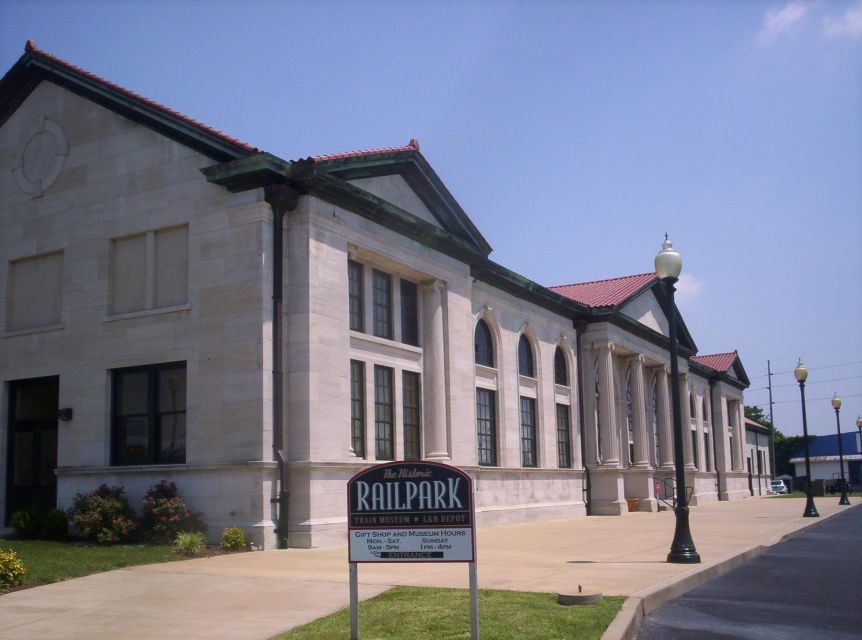
Starting at Bowling Green’s 1925 depot
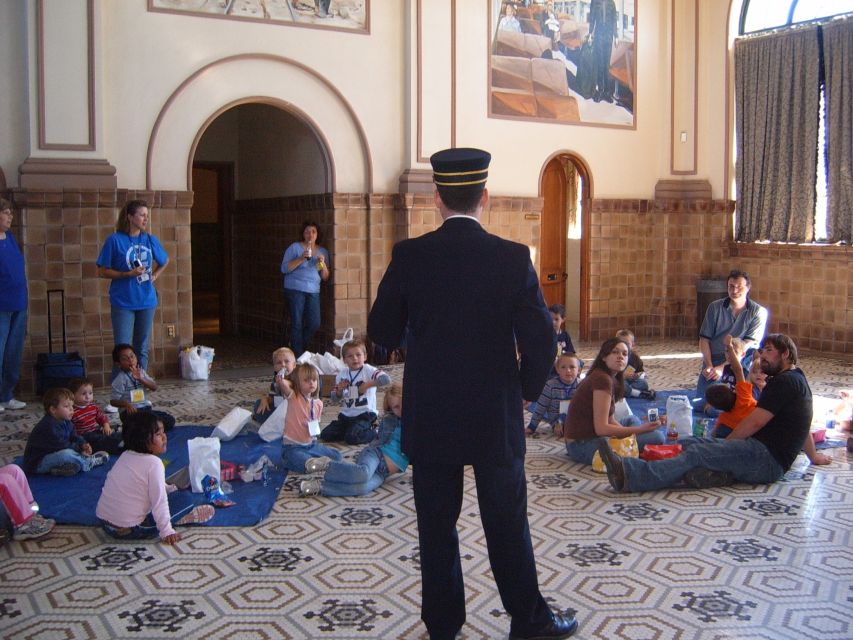
Your visit begins at the gift shop, after you pass five historic train cars outside. Staff will show you where the museum starts and help place you on the next available tour. If you have a scheduled time, arrive at the wooden benches on the first floor about five minutes early.
Those benches are more than a convenient meeting place. They have been in the depot since 1925, so the setting gives the opening talk a useful sense of place. You are not hearing railroad history in a modern lecture room. You are sitting where passengers once waited for trains.
Before the guided portion, take time to walk through the museum. The exhibits include vintage equipment, railroad artifacts, themed activities, toy trains, puzzles, and displays intended for children as well as adults. The gift shop is part of the entrance, with train memorabilia and model-related items for sale.
I would not rush through this first section. The guided tour has scheduled departures at 10:15, 11:15, 12:15, 1:15, 2:15, and 3:15. If you arrive early, use that time to get oriented instead of trying to squeeze in every display after the train-car tour.
The museum works well for mixed-age groups because it offers different ways to engage. An adult who remembers passenger rail can focus on the equipment and old routines. A child can use the interactive displays to understand how trains moved people, food, and mail across the country.
More Railway Museums in the USA:
- Skip the Line: Historic RailPark and Train Museum Ticket with Guided Tour
★ 4.5 · 59 reviews - Snoqualmie Fall & Railway Museum 3-Hours (Private Tour)
★ 5.0 · 4 reviews - Prague: Railway Kingdom Giant Model Railway Museum
★ 4.4 · 54 reviews
The railroad story begins with people
The best part of this visit is not simply seeing old cars. It is learning what daily work looked like inside them. The stories cover the Louisville and Nashville Railroad and the people who kept the system running.
You hear about L&N cooks, Pullman porters, and conductors. That focus matters because railroad museums can easily become collections of engines and dates. Here, the human roles help you picture the train as a workplace, not just a machine.
A cook had to prepare meals in a moving dining car. A porter cared for sleeping-car passengers. A conductor managed the trip and dealt with passengers, schedules, and railroad rules. These jobs created different experiences for the people working on the train and those paying to ride it.
The guide leads the group through the cars and explains how the spaces served different purposes. Molly is one guide praised by name for making the tour work well for a family group. The experience can vary by guide, but it is designed as a live English-language tour, not an audio recording or a silent walk-through.
Inside the E8 diesel-electric locomotive
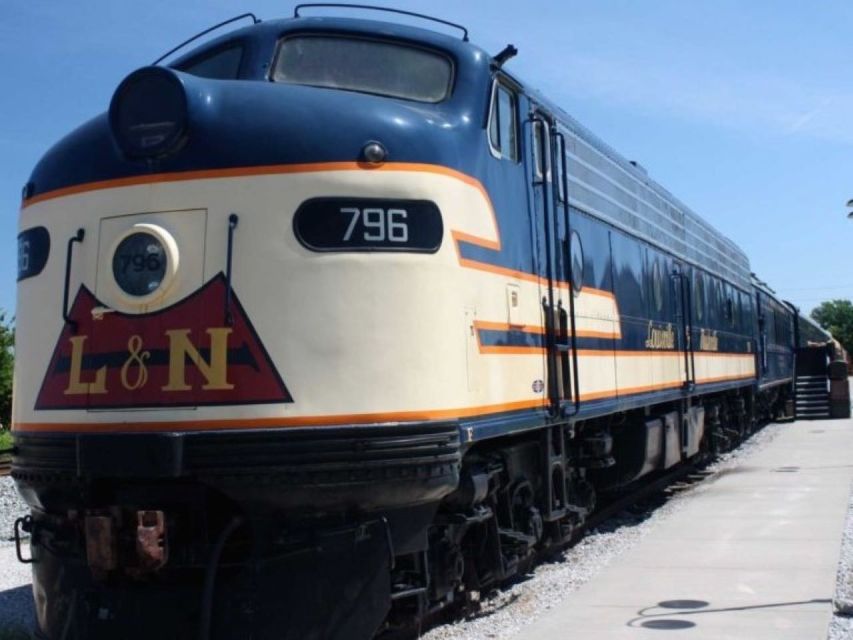
The first train car on the guided route is an E8 diesel-electric locomotive. This gives you a natural starting point because the locomotive was the source of the train’s power and movement.
You will not operate the controls or take a ride. The locomotive is part of the stationary museum collection, so the value comes from seeing the equipment at close range and hearing how it fit into the larger train.
This stop is likely to interest anyone who enjoys machinery, but the guide’s explanation is useful even if engines are not your main reason for coming. The locomotive establishes the basic structure of rail travel before the tour shifts to the cars used by workers and passengers.
The route through the train cars may involve steps and narrow areas. Keep that in mind if you have trouble climbing or walking for the length of the guided portion. The museum has an elevator, but that does not make every car on the tour accessible.
The Railway Post Office and nearly 150 years of mail
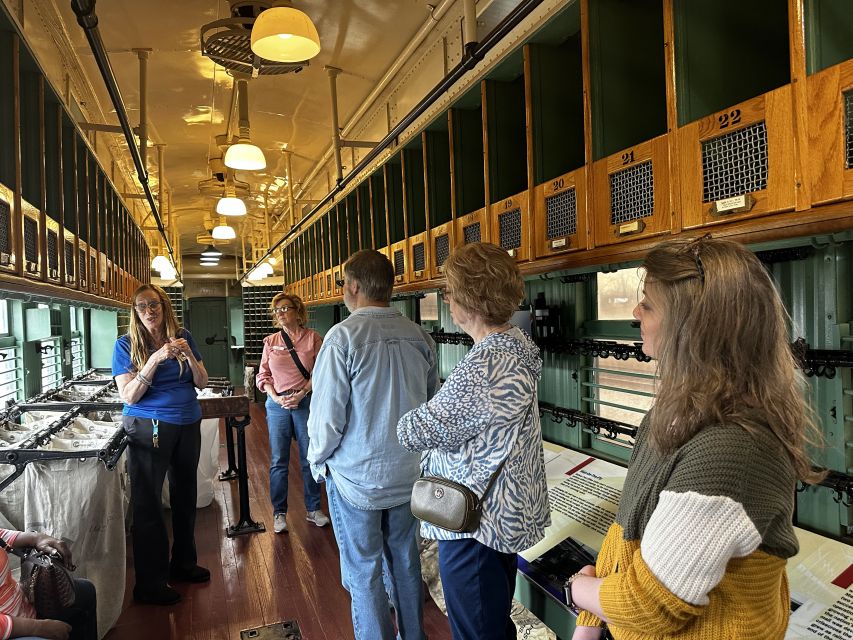
The Railway Post Office, or RPO, is one of the most distinctive stops. For nearly 150 years, trains carried postal workers who sorted mail while the train was moving. This car shows a side of rail travel that passengers often did not see.
The RPO makes the railroad’s wider role easier to understand. Trains were not just for people going from one city to another. They also moved letters and parcels, helping connect communities across long distances.
You can expect the guide to explain the work done inside the car and the role of postal employees. The car is especially useful for families because it turns an abstract idea, mail delivery, into a physical workplace with a clear purpose.
This is also one of the stops that gives the tour a broader reach. A locomotive tells you how the train moved. The RPO shows how the railroad supported communication and commerce. It helps explain why railways mattered so much to everyday life.
More Museum Visits in the USA:
- Brussels: Train World Museum Entrance Ticket
★ 4.7 · 524 reviews - London: Postal Museum Entry Ticket and Underground Rail Ride
★ 4.6 · 363 reviews - Brussels Train World Museum Entrance Ticket
★ 4.5 · 220 reviews - From Krakow: Zakopane Tour with Gubalowka Funicular & Museum
★ 4.5 · 80 reviews
Meals in the Duncan Hines Dining Car
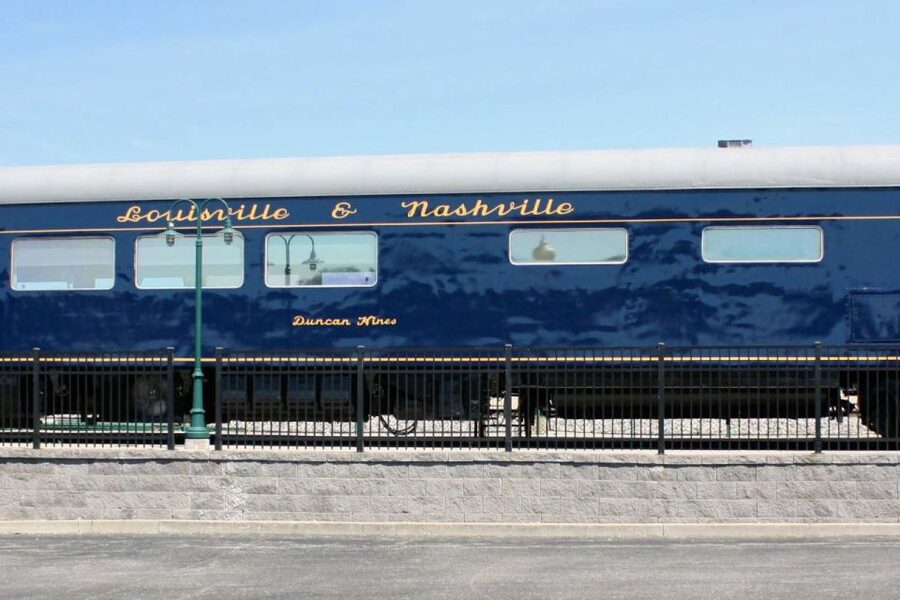
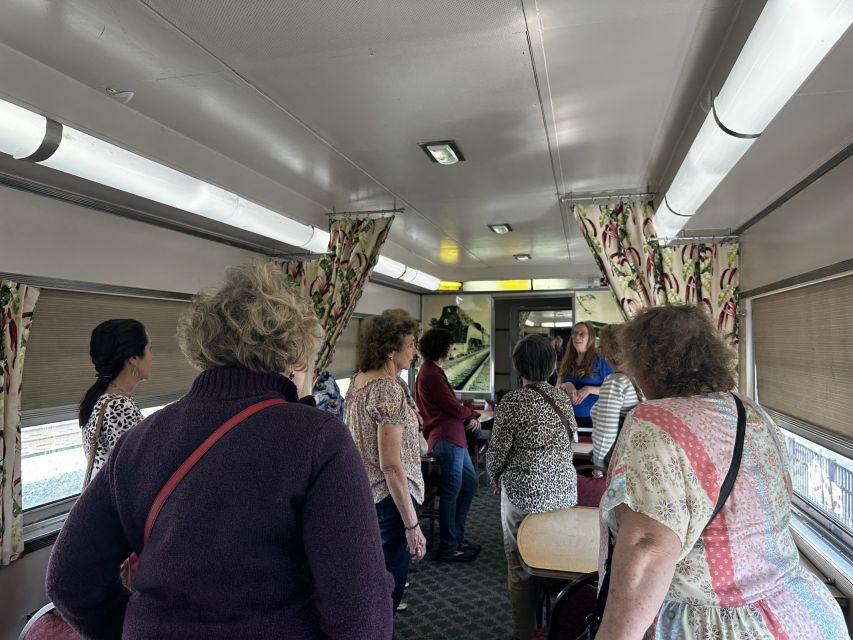
Next comes the Duncan Hines Dining Car. Here, the guide explains what meals were like for people eating, cooking, and serving on the train.
The car lets you consider the practical problems of serving food in a moving vehicle. Space had to be organized for passengers, kitchen workers, and service staff. The dining experience also reflected the class of ticket a passenger held.
You will not receive food or drinks as part of the admission, so think of this as a look at railway dining rather than a meal stop. The car’s appeal is the chance to see how a formal service worked in a setting that had to function while traveling.
I like this stop because it gives the tour a domestic side. The locomotive and RPO are about systems and work. The dining car asks what it felt like to eat, cook, and serve aboard a train. Those details help you picture the people behind the grand idea of rail travel.
The Towering Pine Sleeper and three levels of travel
The Towering Pine Sleeper is the tour’s look at overnight travel. You see what it was like to travel in first, second, and third class aboard a sleeping car.
This comparison is valuable because it shows that rail travel was not one uniform experience. The same train could offer very different levels of comfort and privacy depending on what a passenger could afford.
The sleeper also brings the working side of the railroad back into view. Sleeping cars needed staff, cleaning, preparation, and passenger service. The Pullman porter stories are especially relevant here, since porters played a central role in caring for passengers in sleeping-car accommodations.
Pay attention to how the guide explains the relationship between the passenger spaces and the staff who served them. The car is not just a set of beds or compartments. It reflects a social structure, a price structure, and a demanding service job.
If you are visiting with children, this may be one of the easiest sections to discuss together. You can ask how an overnight train differs from a hotel or modern sleeper service, then use the car to show how travelers once managed a long journey.
The 1911 L&N Presidential Car
The last stop is the L&N Presidential Car, built in 1911. It is the oldest surviving passenger car from the Louisville and Nashville Railroad, which gives it special importance within the collection.
The car was designed for a much more private and luxurious kind of rail travel. After seeing the working areas in the locomotive, RPO, dining car, and sleeper, the presidential car provides a sharp contrast.
This final stop works well because the tour has already shown you several sides of the railroad. You have seen the machinery, mail service, food service, and sleeping arrangements. The presidential car then shows how rail travel could be presented at its most polished.
I would save a little attention for this last car rather than treating it as a quick photo stop. Its age and surviving status make it one of the most important pieces in the museum. The guide can place it within the broader L&N story, which helps you understand why it is more than an attractive old carriage.
What the $22 admission gives you
At $22 per person, the admission includes museum entry and the 45-minute guided tour. The price is reasonable if you use both parts of the visit. You are paying for access to the depot and exhibits, plus a guided route through five historic cars.
The value depends on your pace. If you arrive just before the tour and leave as soon as it ends, the experience will feel fairly focused. If you arrive early and browse the museum displays, gift shop, and interactive material first, you get a fuller visit for the same price.
The tour also offers something that a self-guided museum alone may not provide: context. A locomotive or dining car can be interesting on its own, but the guide connects each space to the people who used it.
Food and drinks are not included. Plan to eat before or after the visit rather than expecting a meal at the dining car. The museum is in Bowling Green, Kentucky, and the activity is best treated as a stop within a day of sightseeing rather than as a train excursion.
Timing, seasons, and practical planning
The museum is open daily from March 9 through January, from 9:00 AM to 4:00 PM. From January through March 9, it is closed Mondays and Tuesdays and open Wednesday through Sunday from 10:00 AM to 4:00 PM.
It is closed on New Year’s Day, Easter Sunday, Thanksgiving Day, Christmas Eve, and Christmas Day. Check the operating date and tour time before you go, especially during the winter period when the schedule changes.
The listed guided departures run hourly from 10:15 AM through 3:15 PM. The experience is described as lasting one day because you can spend time at the museum around the scheduled tour, but the guided portion itself lasts 45 minutes.
You can cancel up to 24 hours in advance for a full refund, and the booking option allows you to reserve without paying immediately. Those policies are useful if your Bowling Green plans may change.
The train cars do not move. If you want a working rail journey, this is the wrong activity. If you want to inspect historic equipment and understand how people lived and worked aboard trains, the stationary setting is enough.
Who should book this museum visit?
I would recommend it to families, rail enthusiasts, history fans, and anyone looking for an indoor activity with a clear structure. Children have hands-on and interactive material to explore, while adults get the period equipment and workplace stories.
It is also a good choice for people who want more than a quick photo with an old locomotive. The guide-led route covers several kinds of cars, and each one answers a different question about rail travel.
You should think twice if you have a mobility impairment. The museum building has an elevator, but the guided train-car tour is not accessible for those with mobility impairments. A visitor who used crutches still enjoyed the museum and received patient help from the guide, but the official access warning deserves careful attention.
The tour is in English. Since the main experience depends on spoken explanations, you will get the most from it if you can follow an English-language guide.
Should you book the Historic RailPark tour?
Book it if you want a compact, people-focused look at American railroad life. The strongest reasons are the preserved cars, the RPO mail story, the contrast between sleeper classes, and the chance to finish in the 1911 L&N Presidential Car.
Arrive early enough to see the museum before your scheduled tour. That extra time makes the $22 price easier to justify and gives children room to explore at their own speed.
Skip it if you need an accessible car-by-car route or expect an actual train ride. For everyone else, this is a practical and well-organized Bowling Green stop that gives you machinery, social history, and real working details in one visit.
FAQ
How much does admission cost?
Admission costs $22 per person. It includes museum entry and a 45-minute guided tour.
How long does the guided tour last?
The guided tour lasts 45 minutes. You can also spend time exploring the museum before or around the scheduled tour.
Does the experience include a train ride?
No. The historic trains are immobile, so the experience is a museum visit and walking tour rather than a train journey.
What train cars will I see?
The guided route includes an E8 diesel-electric locomotive, a Railway Post Office car, the Duncan Hines Dining Car, the Towering Pine Sleeper Car, and the L&N Presidential Car.
What is special about the Railway Post Office car?
The Railway Post Office car shows how mail was sorted and delivered aboard trains for nearly 150 years.
What is special about the L&N Presidential Car?
Built in 1911, it is the oldest surviving passenger car from the Louisville and Nashville Railroad.
What language is the tour offered in?
The live guided tour is offered in English.
Is the museum accessible for people with mobility impairments?
The museum has an elevator, but the guided tour through the train cars is not accessible for people with mobility impairments.
When is the museum open?
From March 9 through January, it is open daily from 9:00 AM to 4:00 PM. From January through March 9, it is open Wednesday through Sunday from 10:00 AM to 4:00 PM and closed Mondays and Tuesdays.
Can I cancel my booking?
Yes. You can cancel up to 24 hours in advance for a full refund. You can also reserve now and pay later.
Just added for rail travellers in the USA
- Virginia City Day Tour From Lake Tahoe with Train Ride★ 4.8 · 19 reviews
- Ventura: Rail Bike Guided Tour with Farm Stand Stop★ 4.1 · 18 reviews
- Winnipesaukee Scenic Railroad★ 4.5 · 7 reviews
- Laughton Glacier Hike and White Pass Rail Adventure★ 5.0 · 12 reviews
- Grape Train Escape: Wine Tasting and Verde Canyon Railroad Adventure★ 4.5 · 30 reviews
- Grand Canyon Excursion from Sedona with First Class Train Ride★ 4.5 · 47 reviews
- Snoqualmie Fall & Railway Museum 3-Hours (Private Tour)★ 5.0 · 4 reviews
- Verde Canyon Rail Day Adventure from Scottsdale or Phoenix★ 5.0 · 4 reviews
Railway Museums, compared.
Skip the Line: Historic RailPark and Train Museum Ticket with Guided Tour
Read our review →
Skip the Line: Kingdom of Railways Entrance Ticket in Prague
Read our review →
Kusadasi Day Trips Magnesia, Train Museum Turkish Bath
Read our review →
Browse the lists this tour appears in