

Review · MUSEUMS
Kyoto Railway Museum Admission Ticket
The best part of Kyoto Railway Museum is its sheer variety: 53 real trains let you move from old steam engines to Japan’s famous Shinkansen in one visit. You can step inside selected trains, test your skills on realistic simulators, and watch a working steam locomotive roll into the action.
I like the hands-on design, especially the steam locomotive ride and the dramatic roundhouse turntable. I also like the value: at $9 per person, you get a full day of exhibits rather than a short, fixed-time attraction. The main thing to consider is that the ticket is non-refundable, and some activities may attract queues when the museum is busy.
Key points to know before you go
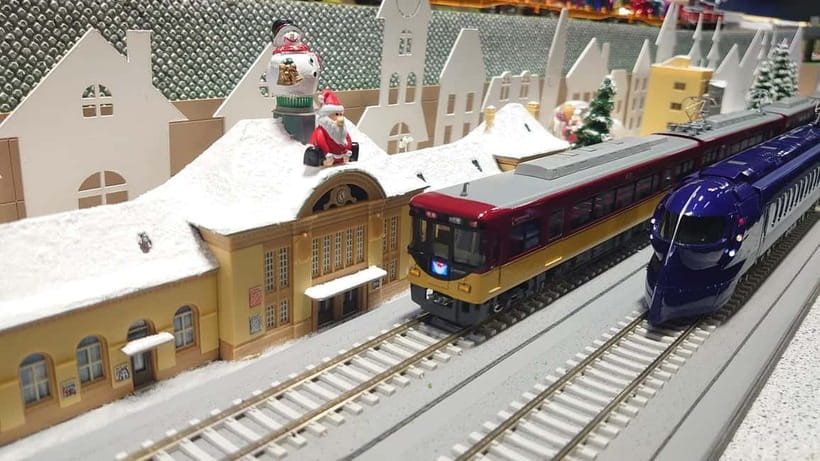
- Fifty-three real trains: See Japanese railway history in full size, from steam locomotives to Shinkansen.
- A working steam locomotive: Add a nostalgic ride to your museum visit, not just a look at a static display.
- The roundhouse turntable: Watch historic railway equipment rotate in one of the museum’s most memorable scenes.
- Hands-on learning: Use train-driving simulators, explore railway dioramas, and examine how rail systems work.
- A full-day ticket for $9: The low price makes this a strong choice for families and train fans.
- Plan around Wednesday: The museum closes every Wednesday, and opening hours can change.
Kyoto’s railway story begins with real machines
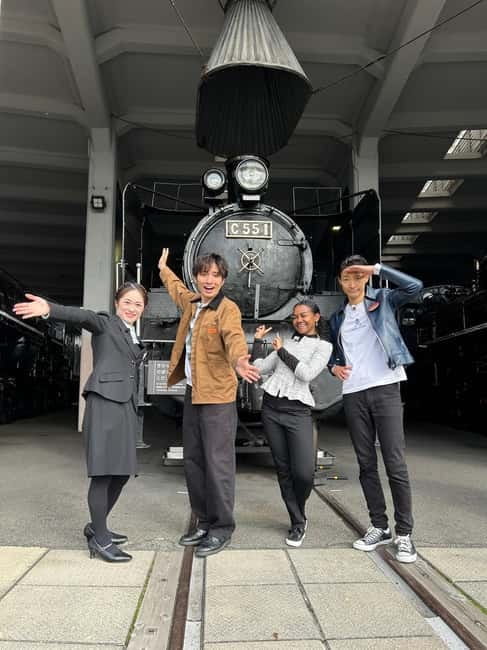
At Kyoto Railway Museum, you do not start with a row of small models behind glass. You meet full-size railway equipment. That difference matters. A steam locomotive has a physical presence that a photograph cannot match, and a Shinkansen car gives you a direct sense of the scale and design behind Japan’s famous high-speed rail system.
The collection includes 53 real trains, giving you a broad look at how Japanese rail travel changed over time. You can move from early steam technology to newer electric trains and the sleek Shinkansen. Even if you are not a dedicated rail fan, the range helps you understand that railway history is not one single story. It is a story of changing technology, changing speed, and changing ideas about how people should move.
I would allow plenty of time for the main train displays. You can look at the outside of the cars first, then step inside selected trains to see their interiors and imagine the different eras of rail travel. That makes the museum feel more like a place to explore than a hall you simply walk through.
The sheer number of full-size trains is also useful for families. Children can see the difference between a steam locomotive and a bullet train without needing a long technical explanation. Adults who grew up with rail travel may find the older equipment especially appealing, while younger visitors often have an easier time connecting with the Shinkansen and the interactive features.
More Railway Museums in the world:
- Skip the Line: Historic RailPark and Train Museum Ticket with Guided Tour
★ 4.5 · 59 reviews - Prague: Railway Kingdom Giant Model Railway Museum
★ 4.4 · 54 reviews - Vienna: Kingdom of Railways Museum Entry Ticket
★ 3.6 · 50 reviews
From steam engines to the Shinkansen
The museum’s greatest strength is its range. Steam engines provide the old-fashioned drama: large wheels, heavy machinery, and the sense of power that made early railways so important. The Shinkansen offers the opposite impression, with speed, precision, and a modern shape that has become one of Japan’s best-known symbols.
You can compare these trains at your own pace. The displays do not require you to understand every technical detail before you begin. Instead, the physical objects give you a simple way into the subject. Start with what catches your eye, then spend more time with the displays that explain how the trains worked and why they mattered.
The museum also includes railway dioramas. These small-scale scenes show rail travel as a complete system, not just a train moving along a track. You can see how stations, tracks, signals, and surrounding activity fit together. I find this kind of display helpful because it turns a complicated railway network into something you can understand at a glance.
Look for the contrast between the quiet precision of the models and the size of the real trains. The dioramas explain the wider system, while the full-size cars show you the human scale. Together, they make the museum useful for both casual visitors and people who want to study railway technology more closely.
The steam locomotive ride adds real movement
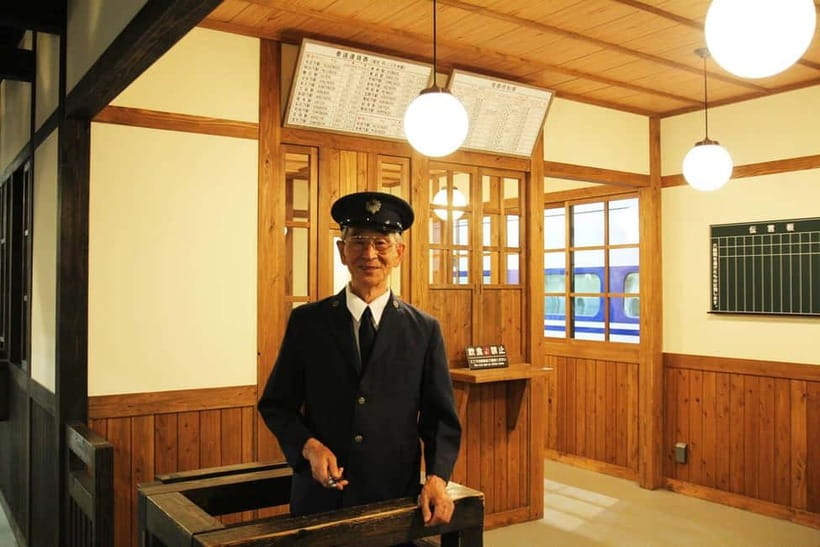
The working steam locomotive is more than another exhibit. It gives you a chance to experience a small piece of railway travel rather than only viewing its equipment. The ride adds sound, motion, and nostalgia to a museum visit that could otherwise be mostly visual.
I would treat this as one of the central moments of your day. The exact operation of museum activities can vary, so check the details when you arrive and be prepared to wait if demand is high. The important point is that this is a functioning steam experience, not simply a preserved engine sitting behind a barrier.
The ride also helps explain why steam trains remain so appealing. You are not only looking at an old machine. You are seeing it perform the job it was built to do. That makes the technology easier to remember and gives children a clear reason to care about what they have just seen.
If you have limited time, prioritize the full-size train displays and the steam locomotive experience. You can then add the simulators, dioramas, and turntable according to your energy and interest. With a ticket valid for one day, you do not need to rush through every section in a single pass.
The roundhouse turntable is a memorable stop
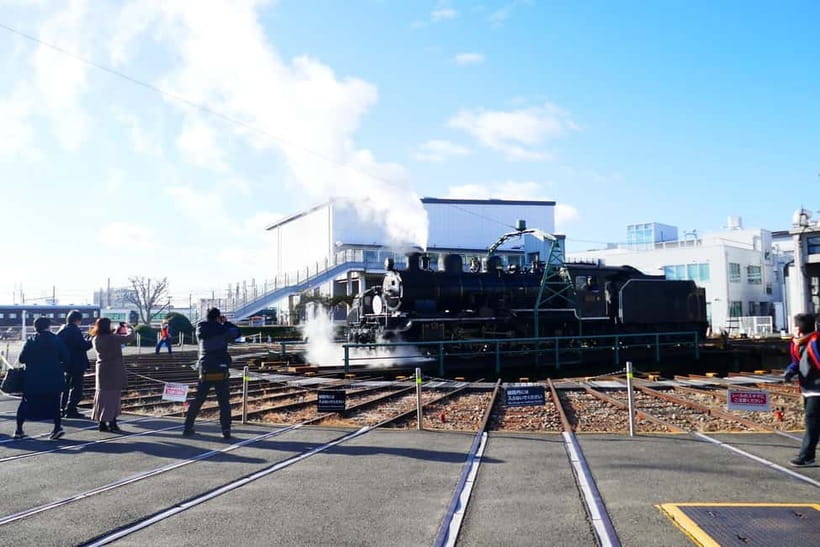
The historic roundhouse and its turntable provide one of the museum’s most striking sights. The turntable rotates locomotives so they can be directed toward different tracks, and watching the movement gives you a quick lesson in how older railway depots operated.
This is a good example of the museum’s style. Instead of showing only a diagram of railway engineering, it lets you watch a real mechanism work. The rotation is simple to understand, but it also feels special because it connects the preserved trains with the practical work of running a railway.
I would check the turntable area as part of your first walk through the museum, then return if the timing is not right. The museum offers enough to see that you can easily fill the wait by exploring nearby trains or exhibits. When the turntable begins to move, it is worth stopping what you are doing for a few minutes.
The roundhouse also gives the museum a strong sense of place. It is not just a collection of trains arranged in a modern gallery. The railway setting and working equipment help you picture how locomotives were stored, maintained, and prepared for service.
More Museum Visits in the world:
- Brussels: Train World Museum Entrance Ticket
★ 4.7 · 524 reviews - London: Postal Museum Entry Ticket and Underground Rail Ride
★ 4.6 · 363 reviews - Brussels Train World Museum Entrance Ticket
★ 4.5 · 220 reviews - From Krakow: Zakopane Tour with Gubalowka Funicular & Museum
★ 4.5 · 80 reviews
Simulators and interactive exhibits keep the visit active
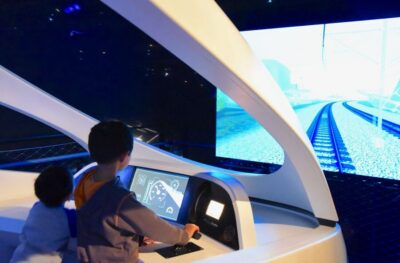
The realistic train-driving simulators are a major reason this museum works well for visitors who do not normally spend much time in technical museums. You can try the controls yourself instead of only reading about how trains operate.
I would expect the simulators to be popular, particularly when families are visiting. Queues may form, so treat them as an important feature rather than the only reason to come. While you wait, the surrounding exhibits and train interiors give you plenty to do.
The hands-on displays also help explain railway systems in a direct way. You can learn about the work behind safe and efficient rail travel, then connect that information with the locomotives and carriages around you. That is more useful than a museum experience where all the information stays on labels.
The museum’s interactive approach makes it suitable for a mixed-age group. A serious rail enthusiast can spend time examining the machines and technical displays, while a child can focus on controls, movement, and the excitement of being inside a train. You do not all have to enjoy the same part of the museum.
The Sky Terrace gives you a change of pace
After working through the train displays, the Sky Terrace provides a chance to pause and look out over the area. It is a useful break because a museum with 53 real trains can become visually demanding, especially if you are visiting with children.
I would use the terrace as a natural midpoint or late-day stop. You can take a breather, enjoy the views, and then decide which exhibits deserve another look. The terrace also gives you a different way to think about railways, since you can step back from the individual machines and consider the wider setting in which trains operate.
The information provided does not specify exactly what can be seen from the terrace at every time of day, so keep your expectations practical. It is best understood as a viewing and rest area included in the museum experience, rather than a separate sightseeing platform.
How much time should you allow?
Your ticket is valid for one day, and that is helpful because the museum offers several different types of activity. You can spend a shorter visit seeing the major trains, or give yourself much longer to include the simulators, dioramas, train interiors, steam locomotive ride, roundhouse, and Sky Terrace.
I would not treat this as a quick one-hour stop. The collection is large, and the interactive elements can slow you down in a good way. If you want to read the technical information, wait for activities, and return to favorite trains, a generous portion of the day makes more sense.
A practical way to organize your visit is:
- Begin with the major full-size train displays so you get a sense of the collection.
- Check the timing and access for the steam locomotive ride and interactive activities.
- Visit the roundhouse and turntable when movement is scheduled.
- Use the dioramas and simulators for a more hands-on look at railway systems.
- Save the Sky Terrace for a rest or final view.
The museum is closed every Wednesday. Opening hours can change, so check the official website before setting out. This matters particularly if your Kyoto schedule is tight, since a closed day can be difficult to recover from.
Is the $9 admission good value?
At $9 per person, I consider this a strong-value attraction. You receive standard admission for a full day, and the museum combines a substantial real-train collection with rides, simulators, models, and viewing areas. Many attractions charge a similar amount for a much shorter visit.
The value is strongest if you like transport, machines, Japanese technology, or family attractions with things to do. You do not need to be an expert to get your money’s worth. The full-size trains provide an immediate visual experience, and the interactive features make the visit active rather than purely academic.
The price is less compelling only if you are looking for a fast, highly focused Kyoto sight. This is not a small attraction that you can neatly fit between two nearby stops without planning. You will get more from the ticket if you are willing to give the museum enough time.
Children under three enter free. Children from three to seven can purchase tickets on-site for 200 yen, which makes the museum especially affordable for families with young children. The supplied ticket information refers to standard admission, so check separately for any activity arrangements or conditions connected with the steam ride and simulators.
Practical details for a smooth visit
Proceed directly to Kyoto Railway Museum for ticket redemption. The listed coordinates are 34.9870986, 135.7422732, which you can use when checking directions.
If the entrance is crowded, follow the instructions for the line at the Early Bird Advance Ticket entrance. Do not assume that holding a ticket means you can walk straight past every queue. Busy periods may still require patience at entry or at the more popular interactive features.
Keep your admission ticket if you plan to leave and return. Staff may ask to see it when you re-enter the museum. That option can be useful if you want a break, though the museum’s exact re-entry procedures should be confirmed on the day.
The museum is wheelchair accessible. That makes the attraction easier to consider for visitors who need step-free access, although the information provided does not describe every route or facility in detail.
There is no named guide for this activity, and it is not presented as a guided tour. You explore the museum independently, which suits people who prefer to set their own pace. It also means you should read the displays and watch the activity timings yourself.
The ticket is non-refundable. I would only book once you have checked the Wednesday closure and the current opening hours, particularly if your travel dates are fixed.
Who will enjoy this museum most?
I would recommend Kyoto Railway Museum first to rail enthusiasts, families, and anyone interested in how Japan built and operated its railway network. The mix of full-size machines and hands-on displays gives each group a clear reason to visit.
Children have plenty to look at and try, but adults do not need to become their guides for the entire day. The real trains, Shinkansen, turntable, and steam ride offer enough visual interest for different ages.
It also suits a rainy-day plan because so much of the visit centers on indoor exhibits, although the provided information does not describe weather arrangements for every part of the museum. The cool indoor setting can be welcome during warmer weather as well.
I would be less likely to recommend it to someone with no interest in trains who has only a short time in Kyoto. The museum is friendly and accessible, but its subject is still very clearly railways. If you prefer temples, gardens, or traditional crafts, another Kyoto attraction may fit your day better.
Should you book Kyoto Railway Museum?
Book it if you want a low-cost, self-paced attraction with real machines, practical displays, and enough variety to fill much of a day. The 53 trains, working steam locomotive, roundhouse turntable, and Shinkansen give you several memorable reasons to visit, while the simulators and dioramas keep the experience active.
Before paying, check that your date is not Wednesday and confirm current opening hours. Remember that admission is non-refundable, and allow time for queues around popular activities.
For $9, this is an easy recommendation for rail fans and families. You do not need specialist knowledge to enjoy it, but you should give it more than a rushed stop. Plan for a relaxed day, and Kyoto’s railway story will feel much more real than it would from a timetable or a passing glimpse of a station.
FAQ
Where is Kyoto Railway Museum?
Proceed directly to Kyoto Railway Museum for ticket redemption. The listed coordinates are 34.9870986, 135.7422732.
How much does admission cost?
The listed price is $9 per person for standard museum admission.
How long is the ticket valid?
The admission ticket is valid for one day.
Is Kyoto Railway Museum open every day?
No. The museum is closed every Wednesday. Opening hours may vary, so check the official website before visiting.
Are young children charged admission?
Children under three years old enter free. Children between three and seven years old can purchase tickets on-site for 200 yen.
Can I leave and re-enter the museum?
Yes, you should present your admission ticket to staff when re-entering the museum.
Is the museum wheelchair accessible?
Yes. The activity information states that Kyoto Railway Museum is wheelchair accessible.
Just added for rail travellers in the world
- From Porto Douro Valley Tour with Train and Vinho Verde★ 4.7 · 16 reviews
- From Ella – Day Trip of 8 Iconic Sights & Scenic Train Ride★ 4.4 · 5 reviews
- Prague: Railway Kingdom Giant Model Railway Museum★ 4.4 · 54 reviews
- Sarajevo: Visegrad, Sarkan Eight Railway & Kurstendorf Tour★ 4.8 · 13 reviews
- Skip the Line: Historic RailPark and Train Museum Ticket with Guided Tour★ 4.5 · 59 reviews
- Sa Pa Trekking 2 Days 3 Nights Homestay by Night Train★ 4.5 · 11 reviews
- 2 Day Tour of Yala & Ella with Hill Country Scenic Train Ride – All Inclusive★ 5.0 · 5 reviews
- Private Day Tour: Suzhou Incredible Highlights from Shanghai by Car or Train★ 5.0 · 47 reviews
Museums, compared.
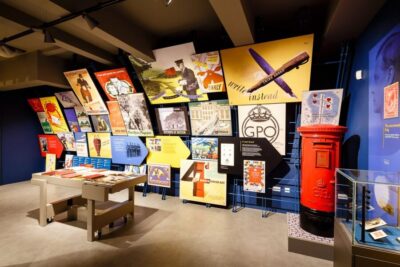
Postal Museum Entry Ticket and Underground Rail Ride
Read our review →
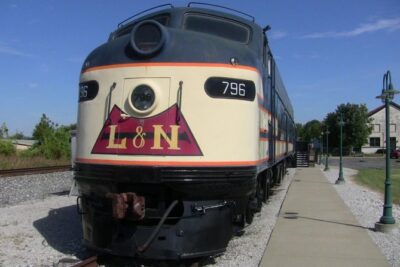
Skip the Line: Historic RailPark and Train Museum Ticket with Guided Tour
Read our review →
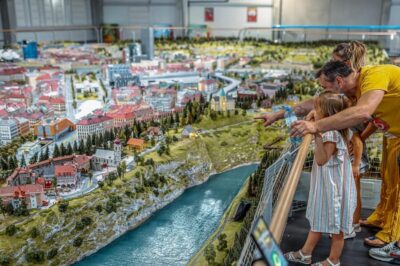
Browse the lists this tour appears in