
Review · ITALY TRAIN JOURNEYS
Cagliari: Conti Vecchi Salt Flats Train and Tour
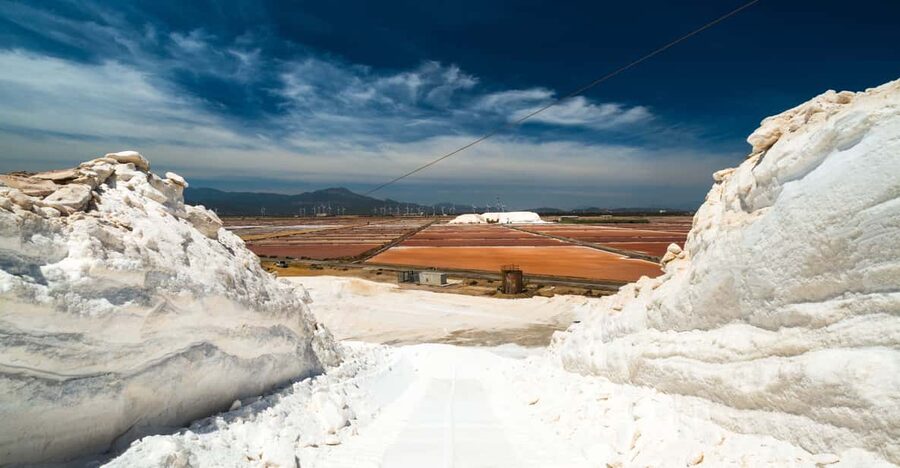
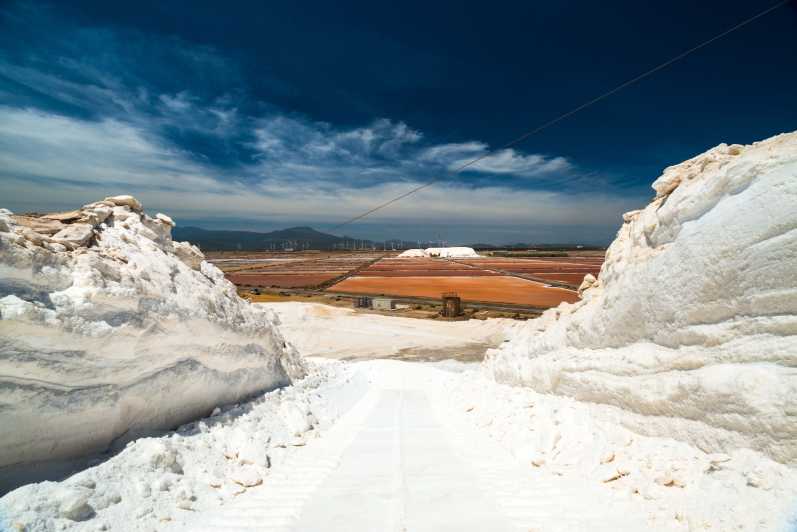
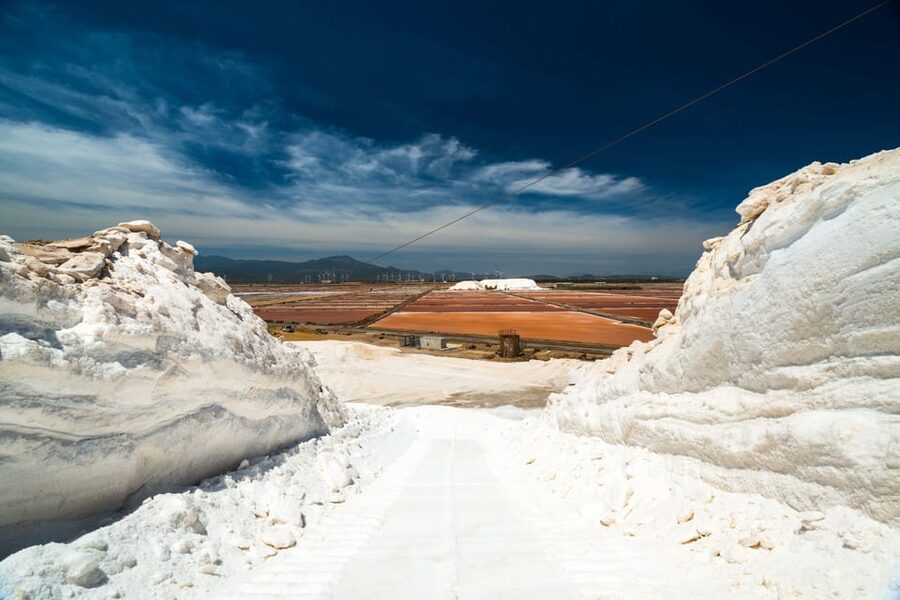
The most striking part of the Conti Vecchi Saltworks is the mix of industry and wildlife. One moment you are looking at working salt pans and huge white piles of salt. The next, pink flamingos are standing in the Santa Gilla wetlands. I like the strong sense of place, and I like that the visit explains the people and machines behind the salt, not just the pretty views.
The one-hour train ride makes a large industrial area easy to see in a short visit. The old buildings, documents, tools, workshop, and restored laboratory add useful context. The main consideration is language: the live guiding is in Italian, and the English information on the train may be brief or hard to hear.
Key points
- Flamingos in the Santa Gilla Basin: The salt flats are also an important wetland and a natural home for pink flamingos.
- A working salt operation: You see how salt production fits into a real industrial site, rather than visiting a display built only for tourists.
- Luigi Conti Vecchi’s story: The museum connects one engineer’s work with the economic growth of Cagliari and the daily lives of salt workers.
- A useful train ride: The one-hour ride carries you through the salt pans and natural area without requiring a long walk.
- Good value at $14: For two hours, a museum visit, guided tour, and train ride, the price is modest.
- Plan around the language: The tour is in Italian, while the two videos include English subtitles according to the available information.
Why the salt flats are worth your time
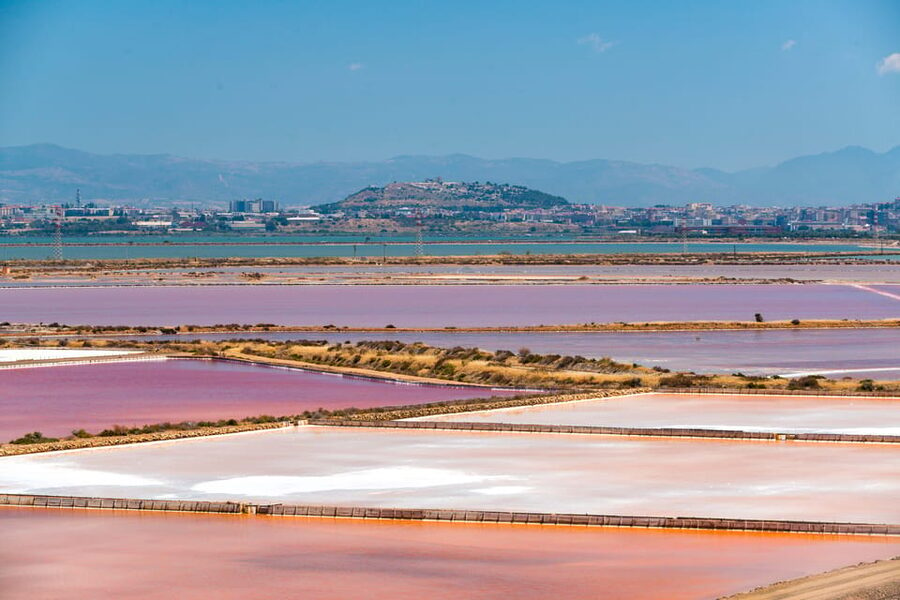
Cagliari is best known for its old town, harbor, and beaches, but the Santa Gilla Basin reveals another side of southern Sardinia. This broad wetland is tied to salt production, birdlife, engineering, and employment. The Conti Vecchi Saltworks brings those subjects together in one compact visit.
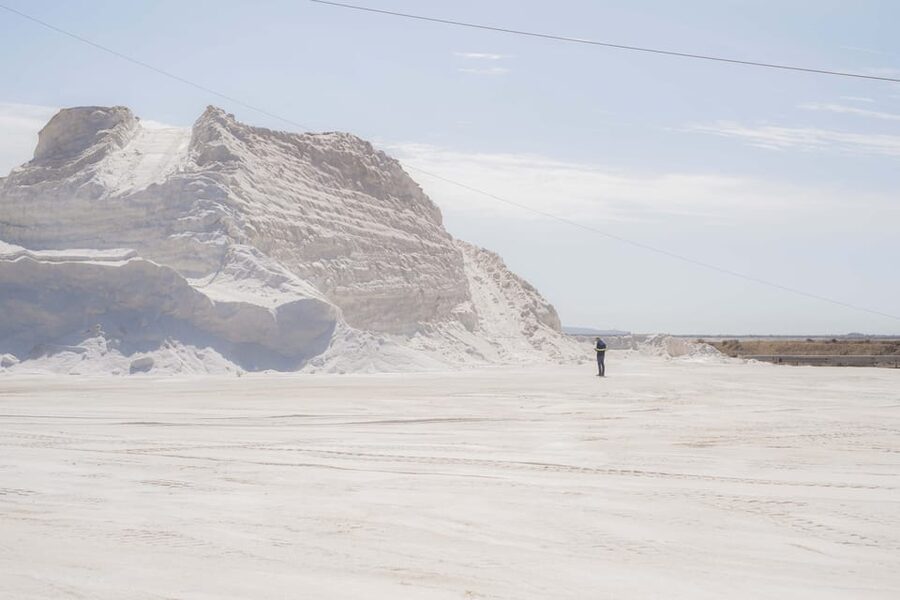
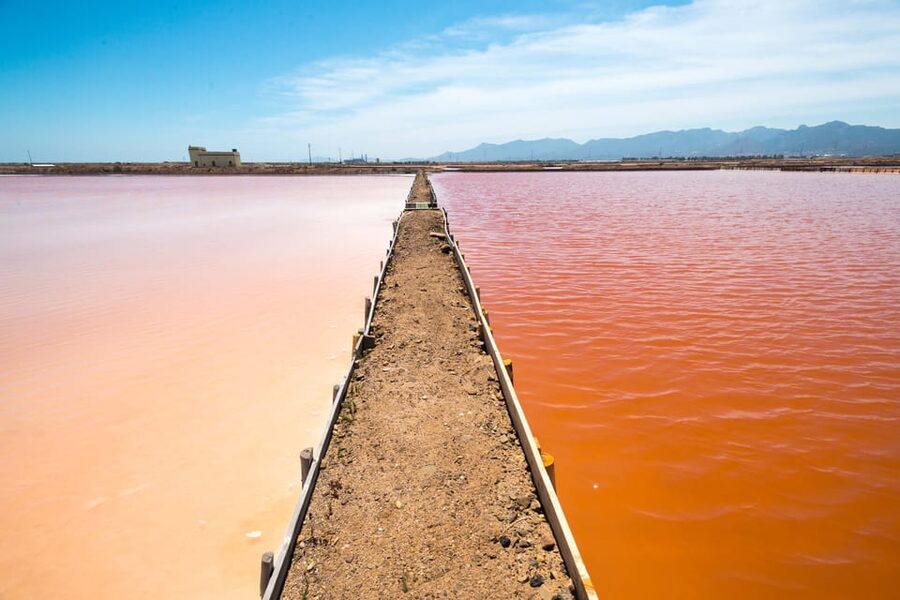
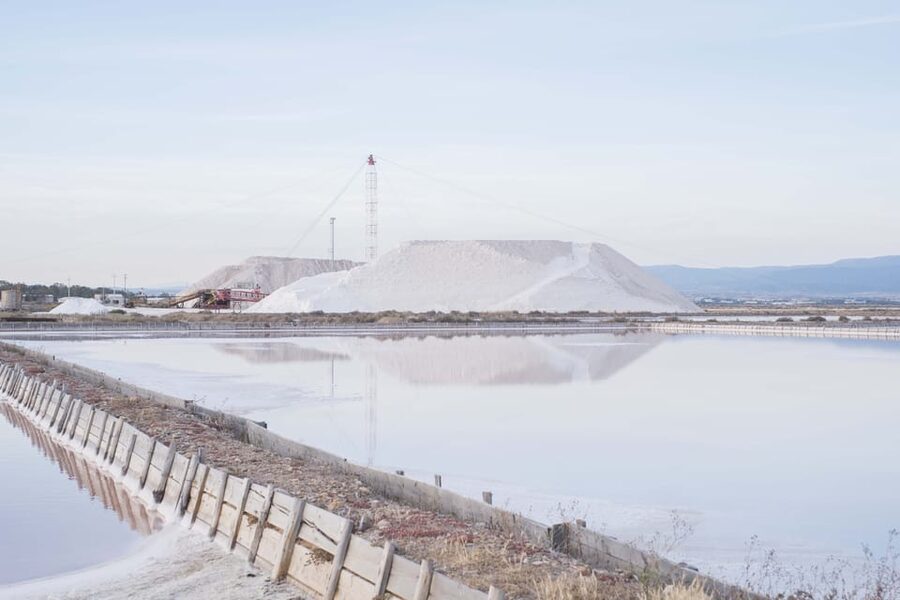
I find the setting especially effective because it does not separate nature from work. The white salt mountains are not just scenic backdrops. They are the result of a long production process, and the pans around them still belong to an operating salt plant.
At $14 per person, this is one of the easier Cagliari-area outings to justify. You get about two hours of activity, a guided visit, entry to the old buildings, two films, and an hour-long train ride. It is not a full-day excursion, and there is no hotel pickup, but the low price makes it a practical addition to a Cagliari itinerary.
More Train Journeys in Italy:
- From Milan: Lake Como Cruise, St. Moritz & Bernina Red Train
★ 4.6 · 5,648 reviews - From Milan: Bernina Train and St. Moritz Day Trip
★ 4.5 · 4,495 reviews - Bernina Red Train, Swiss Alps & St Moritz From Milan
★ 5.0 · 2,954 reviews
Arriving at Assemini and Macchiareddu
The saltworks sit outside central Cagliari, in the industrial area known as Assemini and Macchiareddu. You enter the industrial zone, park free of charge, and walk to the bookshop at the main entrance.
That setting matters. This is not a polished attraction in the middle of town. The surroundings are functional and industrial, which helps you understand that the saltworks are part of a real working area. Give yourself enough time to find the entrance and walk from the parking area, since hotel transport is not included.
The meeting point is straightforward once you reach the site: leave your car in the parking area, then continue on foot to the bookshop. If you are building a day around public transport or a hotel pickup, check your route carefully before booking, because the activity does not provide transfers.
The museum explains more than salt
The visit begins with the old buildings and museum area. Here, I would take time to look beyond the basic machinery. You can see historic documents, tools, a vintage workshop, and a restored chemical laboratory. These details show the practical side of salt production and the technical work needed to keep it running.
The displays also introduce Luigi Conti Vecchi, the engineer associated with the development of the saltworks. His story gives the visit a wider purpose. You learn how an industry based on white gold helped bring economic growth to Cagliari, while also shaping the daily life of the people who worked there.
Two films add more background. One covers the story of Sardinia and the salt flats, while the other helps explain the salt operation and its past. English subtitles are available on the documentary mentioned in the tour information, which is useful if you do not speak Italian.
I like this part because it gives you a reason to care about the train ride. Without the museum, the salt pans could seem like a series of white ponds and industrial piles. After the introduction, you can look at the site and understand what you are seeing.
The old salt workers’ village of Macchiareddu
The historic village of Macchiareddu is another important part of the visit. The salt industry was not only about machinery and production. It also required a community of workers, buildings, routines, and technical services.
The old structures help you picture that working life. Documents and tools are more useful than a long abstract explanation because they connect the industry to ordinary people. You get a sense of how salt production affected the region and supported local prosperity.
The visit is self-guided in parts, with a guide providing explanations at key points. Elena is specifically noted as an enthusiastic and informed guide, but guide assignments can vary. The published live-tour language is Italian, so English speakers should treat the films and the visual setting as important parts of the visit rather than expecting a fully English spoken tour.
Same line, a different day out:
- Swiss Alps Bernina Red Train and St.Moritz Tour from Milan
★ 4.5 · 2,369 reviews - Rome to Pompeii Guided Tour with Wine & Lunch by High Speed Train
★ 5.0 · 1,379 reviews - Small-Group Lake Como & Lugano by Swiss Train + Boat Cruise
★ 5.0 · 1,084 reviews - Naples: Panoramic Walking Tour with Funicular
★ 4.8 · 828 reviews
Riding into the Santa Gilla Basin
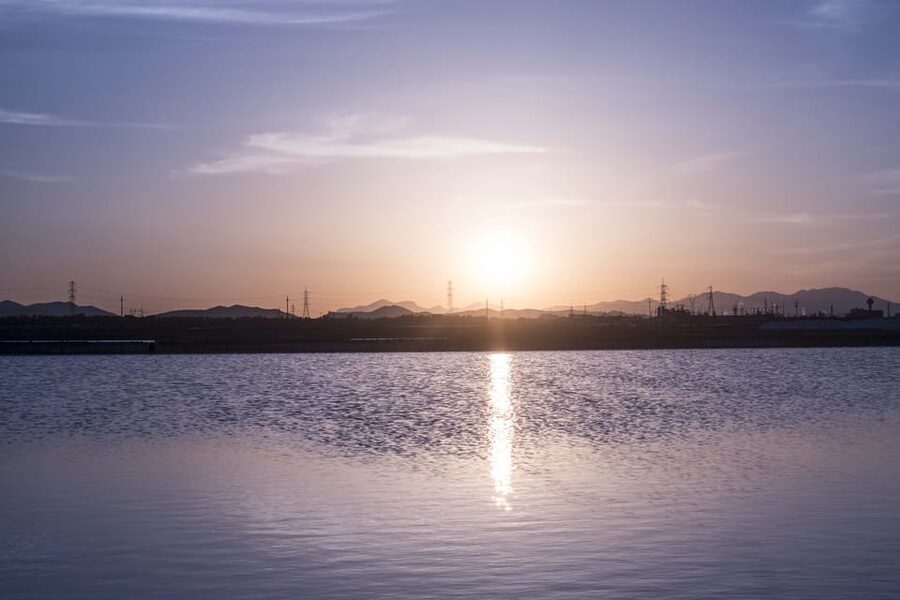
The train ride lasts about one hour and takes you into the salt flats and natural area. It is the practical heart of the activity. The saltworks are spread across a large area, and the train lets you see the pans without turning the visit into a long hike.
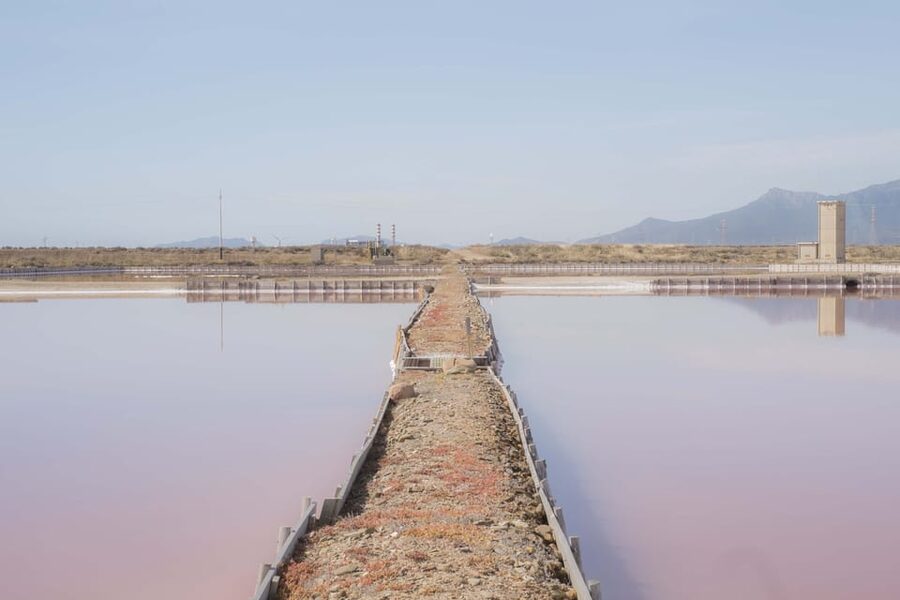
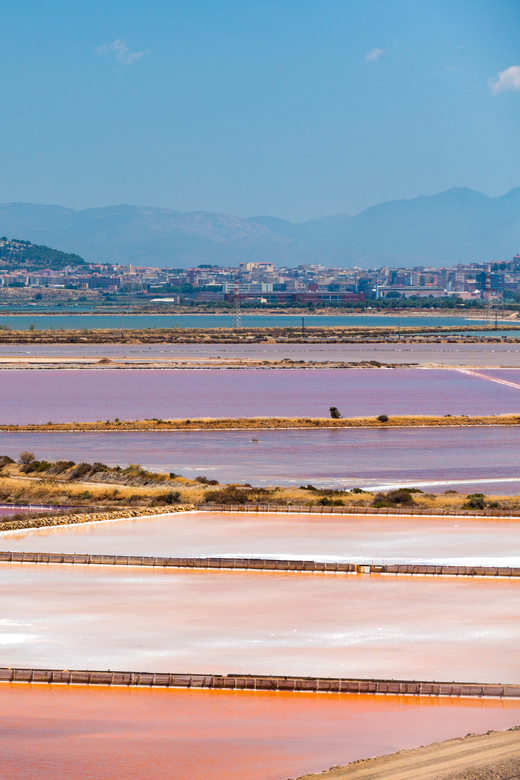
As you travel, you can watch the different stages and settings connected with salt production. You will see the broad pans, bright water, industrial equipment, and tall piles of salt. Depending on the conditions, the water can show pink and other strong colors, making the area look very different from the stone streets and buildings of Cagliari.
The train is also helpful in hot weather. The salt flats offer little shade, and the ride keeps the pace comfortable. You still get close views of the operation without needing to walk far across exposed ground.
There are a few practical limits. The train can shake, and the speaker in the second wagon has been difficult to hear at times. Industrial noise and the movement of the train can make spoken explanations less clear. If you understand Italian, sit where you can hear the guide well. If you do not, focus on the views, the films, and the information you picked up in the museum.
One useful point for photographers and bird watchers is that the train does not function as a hop-on, hop-off ride. The available information describes a continuous one-hour train ride, and one visitor wished there had been a chance to get out and experience the salt environment more directly. You should expect to see the area from the train, not to wander freely among every salt pan.
Flamingos and wetland birdlife
The flamingos are often the highlight. The Santa Gilla Basin is Sardinia’s most important wetland, and the salt flats provide a natural setting for birdlife. Against the white salt piles and reflective water, the flamingos are easy to remember.
Bring patience. The birds may be visible at a distance, and the amount of time you get to watch them can depend on the train movement and conditions. One visitor wanted more time for bird watching, which is worth keeping in mind if birds are your main reason for booking.
The weather can also change the experience. A thunderstorm once forced a train to return early, cutting short the flamingo viewing. That was not a normal feature of the activity, but it shows why the visit is best treated as a mixture of industry, nature, and weather rather than a guaranteed close-up wildlife tour.
Still, the birdlife adds something special. You are not looking at nature from a separate reserve after visiting an industrial site. The flamingos live beside the salt-making operation, showing how the wetland and industry share the same space.
How much Italian do you need?
The published live guiding is in Italian. This is the most important limitation for English-speaking visitors. The films provide help, including English subtitles on the documentary about the salt flats, but the spoken explanations during the tour may not always be available in English.
Some English-speaking visitors have found the building tour easier to follow than the train commentary. The English version on the train can be shorter than the Italian explanation, and it may be delivered after the train has already passed a feature. The speaker quality can also vary between wagons.
I would still consider booking if you are comfortable learning through visuals. The machinery, salt piles, pans, old buildings, and birds communicate a great deal without translation. You can also watch the films carefully before boarding, giving you the basic story and vocabulary needed to follow the ride.
If a fully English guided explanation is essential to you, this may not be the right choice. Confirm the language arrangements before you reserve, since the available tour details identify Italian as the live language.
Accessibility and comfort
The train is wheelchair accessible, and the old building is wheelchair accessible on the first floor. That makes the experience easier for visitors who need step-free access, though the full site includes an industrial outdoor setting.
The two-hour duration is manageable for most itineraries. The train accounts for half of that time, so you are not expected to spend the entire visit walking through the saltworks. The old building offers a useful change of pace before and after the ride.
The open salt-flat setting can feel exposed, especially during warm weather. The data provided does not specify shade, seating, or refreshment facilities, so plan your comfort around the conditions of the day. The train is the main way to see the broad area without tiring yourself out.
Who will enjoy Conti Vecchi most?
I would recommend this visit to anyone who likes working sites, industrial archaeology, local history, or birdlife. It is also a good choice if you have already seen Cagliari’s main historic center and want an outing that feels different from another church or museum.
Families may appreciate the train because it adds movement to what could otherwise be a museum visit. Children who like machines, trains, birds, or unusual colors may find plenty to watch, although the historical explanations are aimed at adults too.
Bird watchers should come for the combination of habitat and scenery, not a dedicated close-up bird tour. The flamingos can be the best part, but viewing time and distance are not fully under your control.
English speakers can enjoy the visit, but language should factor into the decision. If you want detailed spoken interpretation in English, the experience may feel incomplete. If you are happy with subtitles, visual information, and a shorter English explanation, the site remains an appealing and inexpensive outing.
Is $14 a fair price?
Yes. At $14, the visit offers good value for a two-hour activity. The entry includes the saltworks, old buildings, two videos, a guide, and a one-hour train ride through the salt flats and natural area.
The value comes from the variety. You are not paying only for a scenic train trip, and you are not paying only for a small museum. You get industrial history, working salt pans, a former salt village, wetland scenery, and a chance to see flamingos.
The main thing you are not buying is transport from Cagliari. You need to reach Assemini and Macchiareddu yourself, park at the free lot, and walk to the entrance. If you already have a car, the price is especially attractive. If you need a taxi or complicated transport, the total cost will be higher than the ticket alone.
Should you book the Conti Vecchi Saltworks tour?
I would book it if you want a short, affordable outing with genuine local character. The best parts are the working salt operation, the old industrial buildings, the train through the Santa Gilla Basin, and the chance to see flamingos beside towering salt piles.
I would hesitate only if you require a full English-language tour or want to walk freely among the salt pans. The live language is Italian, train commentary may be hard to hear, and the ride is mainly a viewing trip from your seat.
For most visitors with a car and two spare hours, the combination is hard to beat at this price. Go for the unusual setting, the story of Luigi Conti Vecchi, and the meeting of industry and wetland wildlife. Let the flamingos be a welcome bonus rather than the only reason to go.
FAQ
Where is the Conti Vecchi Saltworks?
The saltworks are in the industrial area of Cagliari known as Assemini and Macchiareddu, near the Santa Gilla Basin.
Is parking available?
Yes. You can leave your car in a free parking area inside the industrial site, then walk to the bookshop at the main entrance.
How long does the visit last?
The activity lasts about two hours, including a one-hour train ride through the salt flats and natural area.
Is the train ride included?
Yes. Entry to the saltworks includes the one-hour train ride through the salt pans and Santa Gilla wetland area.
What language is the live tour in?
The live tour guide language is Italian. One of the documentaries has English subtitles, and English information may be provided during parts of the visit.
Can I see flamingos?
Yes. The Santa Gilla Basin is a major wetland and the salt flats are a natural habitat for pink flamingos. Viewing distance and time can vary.
Is the train wheelchair accessible?
Yes. The train is wheelchair accessible.
Are the old buildings wheelchair accessible?
The old building is wheelchair accessible on the first floor.
Is hotel pickup included?
No. You must make your own way to the saltworks in Assemini and Macchiareddu.
Can I cancel the booking?
Yes. You can cancel up to 24 hours in advance for a full refund. The reserve-now, pay-later option allows you to book without paying immediately.
Just added for rail travellers in Italy
- Lake Como: Easy Mountain Trek with Funicular & Boat Ride★ 4.7 · 24 reviews
- Genoa: Guided Panoramic City Tour with Funicular★ 4.8 · 24 reviews
- Lake Como, Swiss Alps and Bernina Train From Milan★ 4.5 · 86 reviews
- From Rome: Pompeii and Herculaneum Tour w/ High-speed Train★ 4.8 · 92 reviews
- Pompeii & Herculaneum by Train from Rome with Pizza Lunch★ 5.0 · 91 reviews
- Pompeii & Herculaneum Guided Tour – High Speed Train from Rome★ 5.0 · 103 reviews
- Capri: DIY Day Trip with Blue Grotto, Funicular & Lunch★ 4.3 · 129 reviews
- From Rome: Florence & Tuscany Day Tour by High-Speed Train★ 4.6 · 126 reviews
Italy Train Journeys, compared.
Lake Como Cruise, St. Moritz & Bernina Red Train
Read our review →
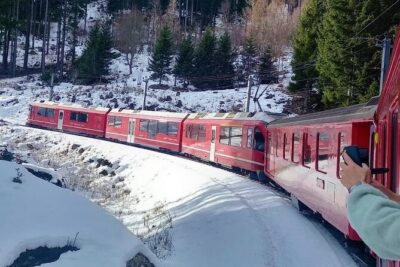
Bernina Red Train, Swiss Alps & St Moritz From Milan
Read our review →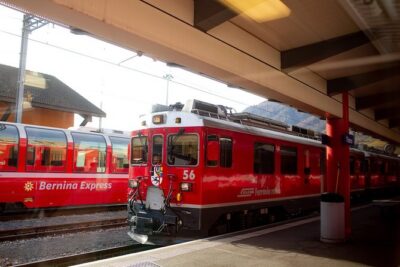
Swiss Alps Bernina Red Train and St.Moritz Tour from Milan
Read our review →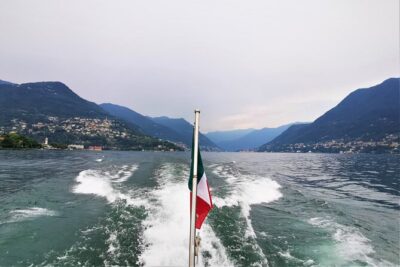
Small-Group Lake Como & Lugano by Swiss Train + Boat Cruise
Read our review →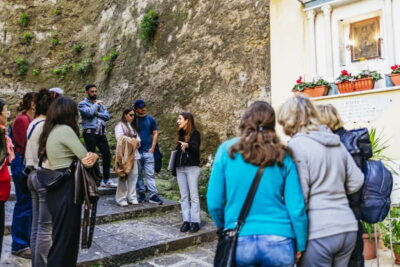
Guided tour of Pompeii skip-the-line and round-trip train
Read our review →
Intimate Small-Group Bernina UNESCO Scenic Train on Swiss Alps
Read our review →Browse the lists this tour appears in