
Review · MUSEUMS
Guided Half-day Tour(PM) to Toyota Commemorative Museum & SCMAGLEV Railway Park
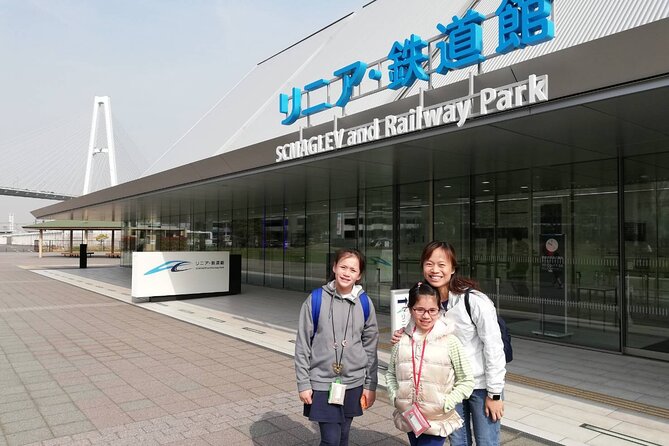
Nagoya’s industrial story comes into focus on this small-group afternoon tour. You begin where Toyota grew from a spinning and weaving business, then move on to the trains that helped define modern Japan, from steam power to Shinkansen and maglev technology.
I like the easy Nagoya Station meeting point and the fact that transport and admission are bundled. I also like the human guide element: one highly praised guide, Hiro, was especially well prepared and took time to explain key details. The main drawback is pace. You get about one hour at the Toyota museum and 90 minutes at the railway museum, so serious technology fans may want more time.
Key points to know before booking
- Two major museums in one afternoon: Cover Toyota’s industrial beginnings and Japan’s railway technology without arranging separate visits.
- A maximum of eight people: The small group gives the guide room to answer questions and point out details.
- Toyota began with weaving: The first museum is not only about cars. It explains Sakichi Toyoda’s spinning and weaving company and the improvement-minded culture that followed.
- The railway museum reaches toward 2027: SCMAGLEV and Railway Park connects steam locomotives and Shinkansen trains with the planned Tokyo to Nagoya maglev service.
- Nagoya Station is both start and finish: Meet at the Tourist Information Center at 1:00 pm, with transport to the museums included.
- Allow for walking: This is an active museum visit, not a bus ride with occasional short stops.
Why this half-day tour works in Nagoya
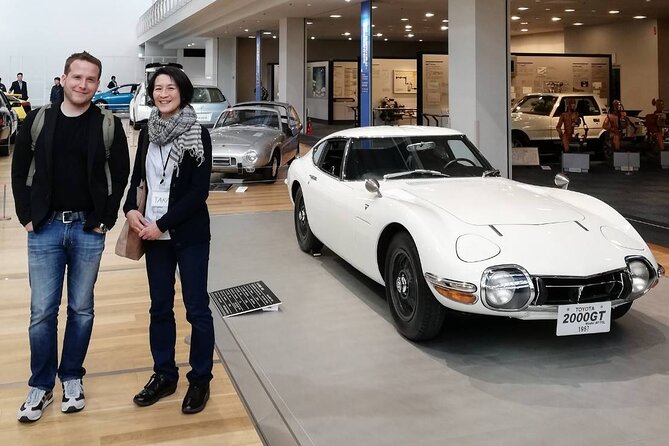
Nagoya can be harder to read than Kyoto or Tokyo. Its appeal is tied closely to manufacturing, engineering, and transport, but those subjects are not always easy to grasp from a normal sightseeing route. This tour gives you a clear thread: first the factory thinking behind Toyota, then the engineering behind Japan’s railways.
The connection is useful. At the Toyota Commemorative Museum of Industry and Technology, you see how a company began with textile machinery before becoming a global car maker. At SCMAGLEV and Railway Park, you see a country that has applied the same drive for precision and improvement to trains.
The afternoon start also fits a busy Nagoya schedule. You meet at 1:00 pm at Nagoya Station Tourist Information Center, at 1-chōme-1-4 Meieki, in Nakamura Ward. The tour runs for about five hours and returns to the same meeting point. That makes it easier to plan dinner or an evening train afterward, though you should leave some flexibility in case the day runs a little late.
With a maximum of eight people, this is more personal than a large coach excursion. A guide can stop to explain a machine, answer a question, or help you connect a technical display with the larger story. One guide praised in the booking feedback was Hiro, who was described as extremely well prepared. Another booking included a private guide who pointed out key highlights and made extra effort to explain them.
The tour costs $143.07 per person. That is not a bargain basement museum visit, since you could arrange public transport and entry on your own. The value comes from combining two admission tickets, transportation, and guided interpretation in one afternoon. For a first visit to Nagoya, especially if you do not want to work out the route between the museums, the package can make sense.
More Museum Visits in Japan:
- Kyoto Railway Museum Admission Ticket
★ 4.3 · 23 reviews - Kyoto Railway Museum Advance Tickets
★ 5.0 · 2 reviews - Brussels: Train World Museum Entrance Ticket
★ 4.7 · 524 reviews
Toyota’s beginnings at the Commemorative Museum
The first stop lasts about one hour. That is a short visit, so you should expect a guided introduction rather than a complete study of every machine and exhibit.
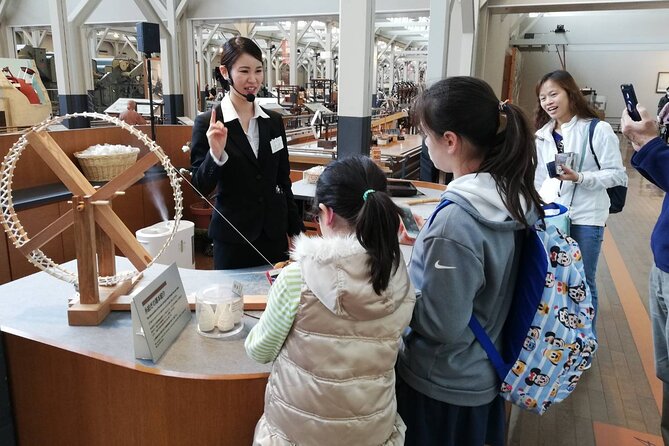
The museum tells the story of Toyota’s start as a spinning and weaving company founded by Sakichi Toyoda. That fact matters because it changes the usual Toyota story. You are not beginning with motorcars. You are beginning with textile production, mechanical invention, and a habit of improving how work is done.
The central idea is kaizen, the steady effort to improve. You will see how a company’s creative and challenging approach to manufacturing helped Japan grow into a major industrial nation. The guide’s role is important here. Machinery can look like a collection of gears and frames if you walk through alone. With explanation, the displays become a story about problem solving and production.
I like this stop because it gives Nagoya a local identity. Toyota is not simply a famous company that happens to have an important museum here. Its growth is tied to the region’s people, skills, and manufacturing culture. That connection helps explain why engineering and industry are such a large part of Nagoya’s character.
The one-hour limit calls for sensible expectations. You will not have time to study every part of the museum at length. If you are fascinated by textile machinery or industrial design, you may wish the visit were longer. For most people, though, the short stop provides the essential background needed for the railway museum that follows.
The museum is also a good fit for mixed interests. Someone who does not care much about cars can still follow the story of invention and manufacturing. Children and adults may respond differently to the machinery, but the basic idea is easy to grasp: small improvements in tools and processes can change an entire industry.
From steam locomotives to Shinkansen trains
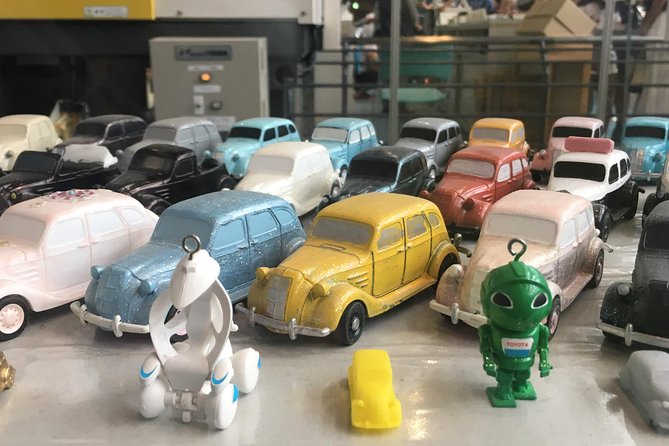
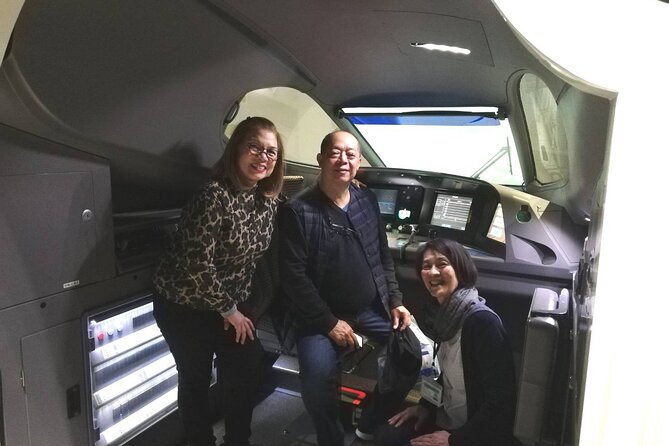
The second stop is SCMAGLEV and Railway Park, with about 90 minutes set aside. This is the larger and more visually immediate part of the afternoon. You see successive generations of trains and learn how rail technology developed from steam locomotives to high-speed Shinkansen trains and then toward magnetic levitation.
The museum is built around more than a collection of train cars. It shows the technical ambition behind Japan’s reputation for accurate, fast rail service. The emphasis is on the engineers and technical experts who worked to make trains safer, faster, and more reliable.
You can expect the guide to point out the main displays and explain why each stage matters. A row of trains is interesting on its own, but context makes it useful. The change from steam power to electric rail and then to the Shinkansen becomes a story of national transport, engineering discipline, and constant improvement.
The Shinkansen section should be a highlight for anyone who has used Japan’s bullet trains. If this is your first visit to Japan, it gives you background for the smooth, fast rail service you may experience elsewhere. If you already know the Shinkansen, the museum adds a look at the technology and work behind the familiar journey.
The museum also looks ahead. You learn how maglev trains operate and about the planned service between Tokyo and Nagoya, expected to begin in 2027 according to the tour information. That future-facing material gives the visit a useful edge. You are not only looking backward at historic trains. You are considering the next stage of Japanese rail travel.
The 90-minute visit is enough for the main story, but it will feel tight if you want to inspect every train carefully. Railway enthusiasts may want a longer independent visit. The guided format is better for a first look, a family afternoon, or anyone who wants the key ideas without spending hours reading every panel.
What the guide adds to the museum displays
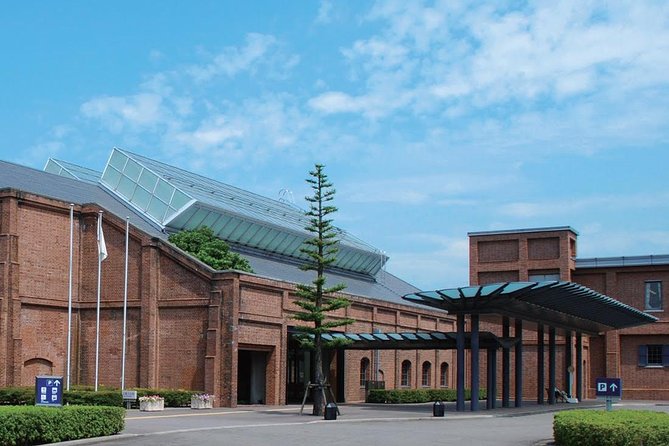
The strongest reason to choose this tour over a self-guided museum day is explanation. Both museums can be visited for their objects alone, but a guide can connect them.
At Toyota, that means linking weaving machinery to manufacturing principles and local identity. At SCMAGLEV, it means explaining why the trains matter and how Japan moved from older rail systems toward high-speed and magnetic technology.
The small maximum of eight people supports this style of touring. You are not one face in a crowd of dozens. There is a better chance to ask a question or request a little more explanation at a display that catches your interest.
The feedback gives two useful clues about the guiding. One guide, Hiro, was praised for being extremely well prepared. Another guide was praised for pointing out highlights and making extra effort to explain them. Those comments suggest that the best part of the experience is not simply getting through the doors. It is having someone help you notice what you might otherwise pass by.
Still, a guide cannot change the time available. The Toyota museum receives about an hour, and the railway museum about an hour and a half. If you want a quiet, slow museum visit, book the museums independently and allow more time. If you want a focused introduction with the route handled for you, the guided plan is the better fit.
More Half-Day Trips in Japan:
- Melbourne: Half-Day Puffing Billy Steam Train Experience
★ 4.8 · 263 reviews - Mallorca: Exclusive Soller Train and Tram Half-Day Tour
★ 4.4 · 116 reviews - Half-Day Tierra del Fuego National Park with Train
★ 5.0 · 64 reviews
Transport, walking, and the afternoon schedule
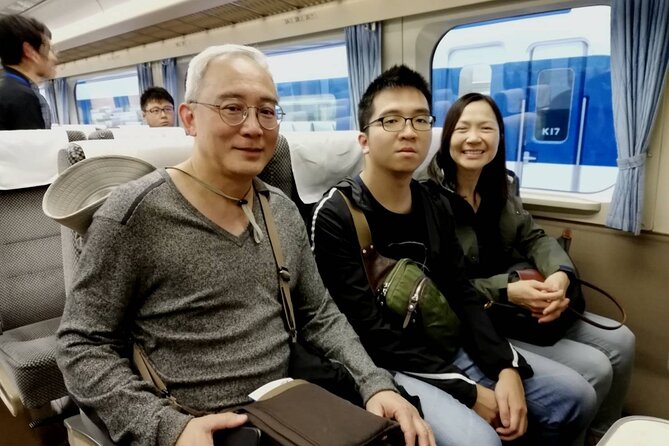
You meet at the Nagoya Station Tourist Information Center, a practical central location. Transport to the attractions is included, so you do not have to plan the transfers between the station and each museum yourself.
The tour ends back at the meeting point. That return is helpful if you are staying near Nagoya Station or catching an evening train, but remember that the advertised duration is approximately five hours. The museum stops account for about two and a half hours, with the rest covering transport, orientation, and guiding.
You should be prepared for a fair amount of walking. The museums are not passive stops where you remain seated. You move through exhibits, view large machines and trains, and spend time on your feet. Wear comfortable shoes and avoid scheduling a demanding evening activity immediately afterward.
The afternoon departure suits people who want a slower morning. You could have breakfast, handle another Nagoya sight, or arrive in the city by midday before meeting the group. It is less useful if you need to leave Nagoya in the late afternoon, since the tour returns only after the museum visits and transport.
The group limit is eight people. Group discounts are available, though the exact discount depends on the booking arrangement. A mobile ticket is also offered, which keeps the entry details on your phone rather than requiring printed paperwork.
Some national holidays can affect the plan. If an attraction closes, another attraction may be substituted. Check the conditions around your travel dates if a particular museum is the main reason you are booking.
Who will get the most from this experience
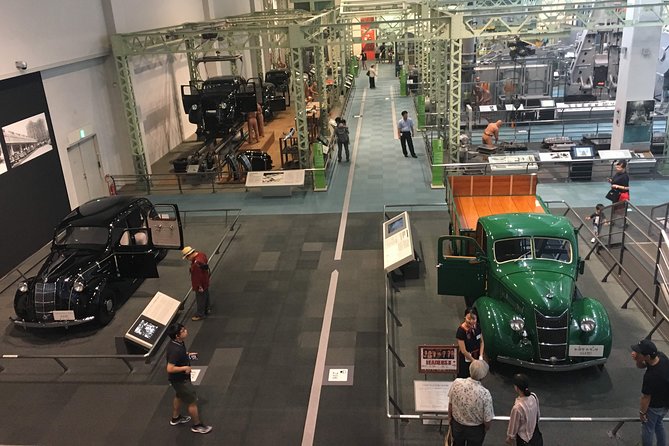
I would recommend this tour to you if you want Nagoya’s industrial story explained in plain terms. It works especially well for first-time visitors, families, rail fans, and anyone interested in design, manufacturing, or Japanese technology.
It is also a strong choice if you have limited time. Two separate museum visits can require route planning, ticket purchases, and decisions about how long to stay. This tour packages the main logistics and gives you a guide to keep the visit moving.
The tour is less suitable if you dislike fixed schedules. The short museum windows mean you cannot linger as long as you wish. Dedicated railway fans may prefer to spend most of a day at SCMAGLEV and Railway Park alone. Industrial historians may also want more time at the Toyota museum.
You should also consider your walking comfort. The activity is open to most people, but the instructions specifically call for a fair amount of walking. That is worth taking seriously if you have mobility concerns or prefer seated sightseeing.
Is $143.07 a fair price?
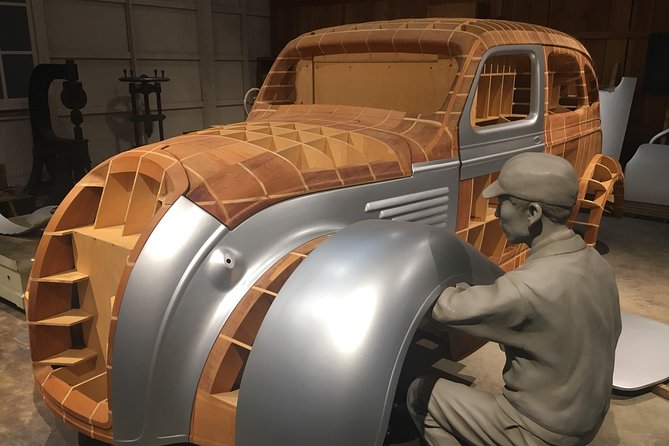
At $143.07 per person, this is a guided experience rather than the cheapest way to see two museums. You are paying for more than admission. The price includes the two attractions, transport between locations, a guide, and the convenience of starting and finishing at Nagoya Station.
The value improves if you are unfamiliar with Nagoya or traveling with a small group that wants a shared plan. The guide can explain the displays and keep the afternoon organized. A maximum of eight people also gives the experience a more personal feel than a large city tour.
The value is weaker if you already know the museums well or want to choose your own pace. Independent visitors can spend longer at the exhibits and decide which sections deserve their time. You are also paying for a five-hour schedule when only about two and a half hours are assigned to the museums themselves.
For me, the deciding question is how much help you want. If your priority is efficient sightseeing with context, the price is reasonable. If your priority is maximum museum time at the lowest cost, arrange the visits independently.
Booking timing and cancellation terms
The experience is commonly booked about 50 days in advance, so planning early is sensible if your dates are fixed. Confirmation is normally sent at booking. If you book within seven days of travel, confirmation may arrive within 48 hours and remains subject to availability.
You can cancel for a full refund if you do so at least six full days before the start time. Cancellation two to six full days before departure receives a 50 percent refund. Less than two full days before the tour, no refund is provided. The cut-off follows local time, so check the clock carefully if you are changing plans from another time zone.
Should you book this Nagoya museum tour?
Book it if you want a guided, efficient introduction to the two ideas that help explain Nagoya: manufacturing and rail technology. The combination of Toyota’s textile beginnings, Shinkansen development, and future maglev service gives the afternoon a clear shape.
I especially like it for first-time visitors who want practical transport and a small group. Guide Hiro’s preparation and the extra explanations praised in the booking feedback are encouraging signs of what a good guide can add.
Skip it if you want to linger over every exhibit, already know the museums, or need the lowest possible price. In that case, visit independently and give yourself more time. For everyone else, this is a focused way to see the working ideas behind modern Nagoya, with enough technology to interest adults and enough trains to keep younger visitors looking up.
FAQ
Where does the tour begin?
It begins at the Nagoya Station Tourist Information Center, located at 1-chōme-1-4 Meieki, Nakamura Ward, Nagoya, Aichi 450-0002, Japan.
What time does the tour start?
The start time is 1:00 pm.
How long does the experience last?
The tour lasts approximately five hours.
Which attractions are included?
Admission is included for the Toyota Commemorative Museum of Industry and Technology and SCMAGLEV and Railway Park.
Does the tour return to Nagoya Station?
Yes. The activity ends back at the meeting point at Nagoya Station.
How many people can join the tour?
The maximum group size is eight people.
What is the cancellation policy?
You receive a full refund if you cancel at least six full days before the start time. A cancellation two to six full days before departure receives a 50 percent refund. Cancellations made less than two full days before the start time are not refunded.
Just added for rail travellers in Japan
- Train in Samurai Swordsmanship and Defeat the Demon in Tokyo★ 5.0 · 5 reviews
- Tokyo-Izu: Volcano, Ocean& Capybara Cuddle with Izu Scenic Train★ 3.5 · 3 reviews
- Private tour with Yasushi and Yoko – by car, train, on foot★ 5.0 · 2 reviews
- Mt Fuji & Hakone Private Tour from Tokyo: Return by Bullet Train★ 5.0 · 22 reviews
- Bullet Train Experience & Mishima Shrine Private Tour from Tokyo★ 5.0 · 9 reviews
- Bullet Train and Mt. Fuji Famous Food Tour★ 5.0 · 4 reviews
- 3-Day Private Tokyo and Nagano: Snow Monkeys, Tsukiji Market and Bullet Train★ 5.0 · 2 reviews
- Train Katana with Real Dojo Students in Kyoto★ 4.5 · 3 reviews
Museums, compared.
Postal Museum Entry Ticket and Underground Rail Ride
Read our review →
Skip the Line: Historic RailPark and Train Museum Ticket with Guided Tour
Read our review →
Luxembourg: Combi-Ticket City Train & the 7 Museums Pass
Read our review →
Browse the lists this tour appears in