
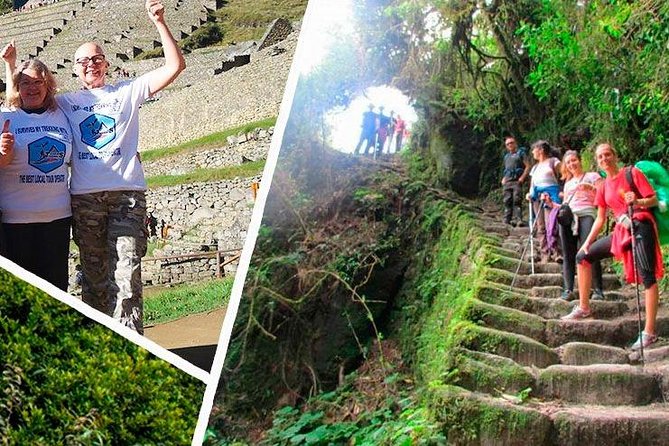
Review · MACHU PICCHU TRAIN TOURS
Inca Trail 4 Day Adventure to Machu Picchu with Panoramic Train
The best part of this four-day Inca Trail trek is that Machu Picchu comes at the end of a real journey, not as a quick stop reached by train. You walk through high mountain passes, Inca ruins, cloud forest, and the Sun Gate before entering the citadel.
I like the local Peruvian team and the practical support. Guides such as Paulo and Raul are praised for explaining Inca culture, adjusting the pace for families, and helping people through the hard sections. I also like that porters, a cook, tents, meals, boiled water, permits, and the return train are bundled into the $950 price.
The main caution is the physical demand. Day 2 takes about eight hours and reaches 4,200 meters, or 13,780 feet. You also need to accept basic camping, an early start, extra charges for sleeping bags and walking sticks, and a strict non-refundable booking policy.
Key points to know before booking
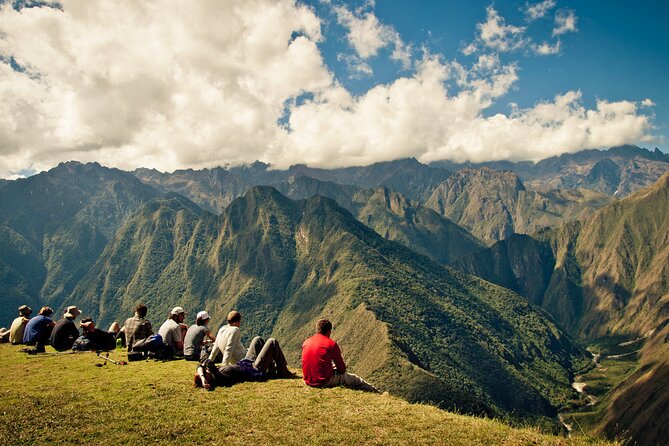
- The trek begins at Km 82: After a 5:00 am pickup, you stop in Ollantaytambo before reaching Piskacucho, the trailhead.
- Dead Woman’s Pass is the big test: Day 2 is the longest and hardest day, with a high point of 4,200 meters.
- The Sun Gate gives you a dramatic arrival: On Day 4, you walk into view of Machu Picchu before the main guided visit.
- The support team carries the camp gear: Porters handle tents and kitchen equipment, while a professional cook prepares three meals a day.
- The group can reach 16 people: That is small enough for a personal feel, but not the same as a private trek.
- The train back is included: The touristic train runs from Aguas Calientes to Ollantaytambo, followed by private transport to Cusco.
Why this four-day route earns its place on your Peru trip
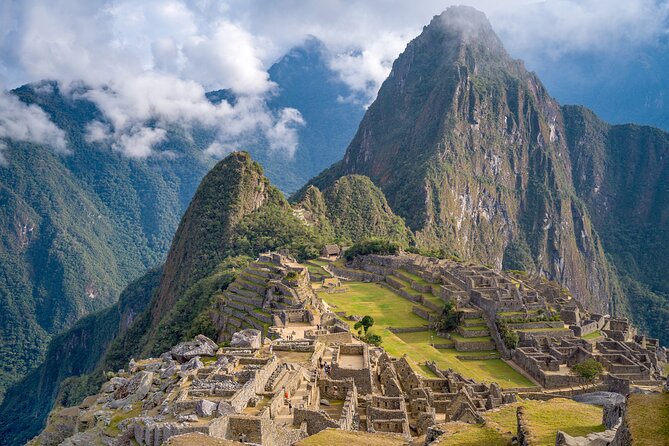
The classic Inca Trail is more than a route to a famous ruin. It is a demanding walk through changing altitudes and climates, with Inca sites placed along the path. You get Patallacta early on, mountain passes in the middle, cloud forest and Wiñaywayna later, and Machu Picchu at the finish.
That order matters. By the time you reach the citadel, you have seen how the trail changes from dry mountain terrain to humid forest. You are not simply arriving at Machu Picchu, taking a few pictures, and leaving on the next train.
At $950, this is not a budget walk. Yet the price includes the items that make a guided Inca Trail trip costly: entry permits, Machu Picchu admission, porters, camping equipment, a cook, food, transport, and the return train. You still need to budget for a sleeping bag, trekking poles, the bus down from Machu Picchu, some meals, drinks, and tips.
The company also presents itself as a fully local operator with a social mission. Its community work includes supplying books, notebooks, pencils, and other school materials to children in remote areas. That will not change the trail itself, but it gives you a clearer idea of where the operation is rooted and what your booking helps support.
More Machu Picchu Train Tours in Cusco:
- Cusco: Machu Picchu 2-Day Inca Trail with Panoramic Train
★ 4.9 · 260 reviews - The First Class Machu Picchu Train by Inca Rail
★ 4.0 · 182 reviews - Excursion to the Sacred Valley and Machu Picchu by Panoramic Train
★ 5.0 · 45 reviews
Day 1: Ollantaytambo, Patallacta, and the first camp
Your day begins early, with pickup at about 5:00 am from accommodation in Cusco, Urubamba, or Ollantaytambo. The first stop is Ollantaytambo, where you can buy last-minute equipment or personal items and order breakfast at a local restaurant.
This is useful, but keep your expectations sensible. Ollantaytambo is a chance to fill gaps, not a full shopping trip. If you need a particular medication, clothing item, or piece of technical gear, bring it from Cusco rather than relying on a last-minute purchase.
From there, private transport continues to Piskacucho at Km 82. This is where the official Inca Trail begins. The walking time is listed at roughly six to seven hours, though the day is broken up by archaeological stops, lunch, and rest.
The first major site is Patallacta, reached after about two hours. The ruins sit beside the Urubamba River and give you an early lesson in how the Incas built settlements into the terrain. Your guide explains the site before you continue toward lunch.
After eating, you walk for another two and a half to three hours to the first campsite at Wayllabamba. The distance itself is manageable for a fit hiker, but the early start and altitude begin to make the day feel longer. You sleep in four-season tents shared by two people, with mattresses supplied.
A cook prepares meals in a separate kitchen tent, and porters carry the camping and cooking equipment. That arrangement is important. You do not have to carry a full load, but you should still expect to carry your personal daypack, water, rain gear, snacks, and extra layers.
Day 2: The hard climb to 4,200 meters
Day 2 is the day that decides if you enjoy the trek or merely survive it. You wake early, drink coca tea, eat breakfast, and set off while the mountains still offer some shade.
The route climbs toward Warmiwañusca, better known as Dead Woman’s Pass. At 4,200 meters, this is the highest point on the trail and the part most likely to expose poor preparation. The climb is steady and demanding, with thin air making every step feel deliberate.
The listed walking time is about eight hours. That estimate includes the climb, a break at the pass, and the descent into the Pacaymayu Valley. Your guide can set a pace that matches the group, and this is where the personal attention of a smaller operator matters.
Do not treat the pass as a race. The mountain will win. Walk slowly, drink regularly, and keep a layer handy because conditions can change quickly at altitude. The tour supplies boiled drinking water, but mineral water is not included, and bottled water is available only at some campsites.
The reward is variety. During this day, you move through several ecological zones and see how quickly the vegetation and weather shift with altitude. The pass itself gives you a strong sense of the scale of the Andes, while the descent into Pacaymayu brings a welcome change after the climb.
This is also the day when trekking poles can earn their keep. A professional pair costs $20 to rent from the operator, and the same $20 charge applies to a professional sleeping bag. Those are optional extras, but I would not dismiss them. Poles help on the long descent, and a proper sleeping bag matters at high camps.
Day 3: Phuyupatamarca, cloud forest, and Wiñaywayna
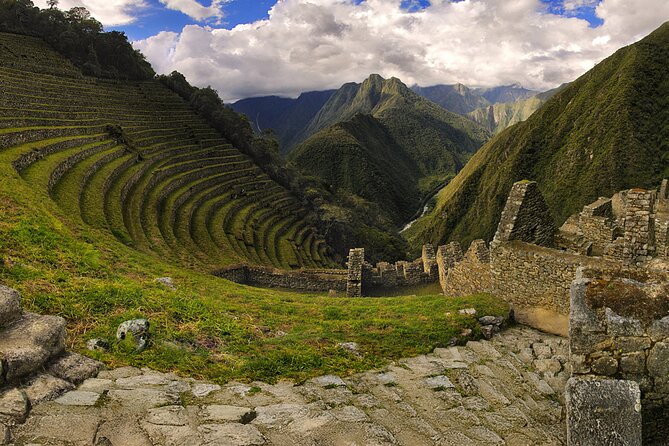
Day 3 is often the most scenic part of the route. You start early again, but the walking usually feels more rewarding after surviving the previous day.
The trail first reaches what the itinerary calls the Inca Flat, with views toward the snow-covered Salkantay and the Vilcabamba range. You then climb to Phuyupatamarca, the Town in the Clouds, at roughly 3,650 meters.
Phuyupatamarca is one of those places where the setting is as important as the stonework. The ruins appear high above the surrounding valleys, and the location helps you understand why the Inca Trail was designed as a ceremonial and practical route rather than a simple footpath.
From there, the route drops into cloud forest. You might see small streams, waterfalls, palms, orchids, bromeliads, parrots, and parakeets. The change from bare high-altitude slopes to humid forest is one of the strongest parts of the four-day route.
After lunch comes Wiñaywayna, one of the major archaeological highlights before Machu Picchu. The terraces and stone structures are built into a steep hillside, and your guide explains the site before you continue toward the final camp.
This day is listed at about six hours, but the stone steps can make the walking feel more tiring than the number suggests. Uneven surfaces, wet sections, and repeated climbs and descents call for shoes with good grip and a steady pace.
The reward is the feeling that you are getting close. The trail is no longer simply crossing the mountains. It is leading through ceremonial sites and forest toward the main citadel.
More Scenic Railways in Cusco:
- Private Machu Picchu Day Tour by Panoramic Train
★ 5.0 · 32 reviews - Cusco: 4-Day Lares Trek to Machu Picchu with Panoramic Train
★ 4.9 · 20 reviews - Cusco: 4-Day Salkantay Trek to Machu Picchu, Panoramic Train
★ 4.3 · 17 reviews - 2-Day Inca Trail Hike to Machu Picchu & Panoramic Train
★ 4.7 · 7 reviews
Day 4: The Sun Gate and Machu Picchu
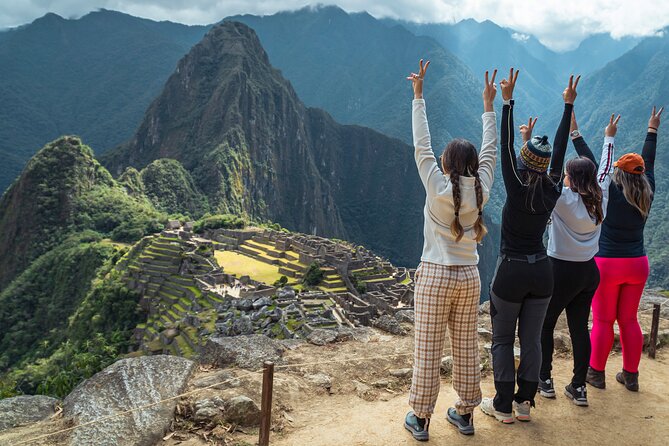
The final day starts with breakfast and a goodbye to the porters and cook. You then walk to Inti Punku, the Sun Gate, where the first broad view of Machu Picchu opens below.
This approach is one of the tour’s strongest features. You see the citadel from above and arrive on foot, rather than stepping off a train into the nearby town and taking a bus straight to the entrance. Weather can affect the view, but the route still gives the arrival a sense of occasion.
After reaching Machu Picchu, you register and take a guided tour lasting about two hours. The guide covers major places such as the Temple of the Sun, the Water Temple, and the Temple of the Moon.
The exact amount of free time depends on the day’s schedule and current site rules, but the plan allows time to explore independently and take photographs. Keep your expectations practical: Machu Picchu is regulated, and movement through the site follows designated routes.
Huayna Picchu is optional and costs extra. The separate visit takes about two hours, so you should confirm availability and timing before counting on it. It is not part of the base price.
The bus from Machu Picchu down to Aguas Calientes is also not included. It costs $12. You can ask about the practical arrangements, but you should include that amount in your budget rather than treating the train as a complete return transfer.
From Aguas Calientes, the included touristic train goes to Ollantaytambo. Private transport then takes you onward to Cusco. The train is not the luxury Vistadome upgrade, but it gives you a comfortable way to finish after four days of hard walking.
The guides, porters, and camp routine
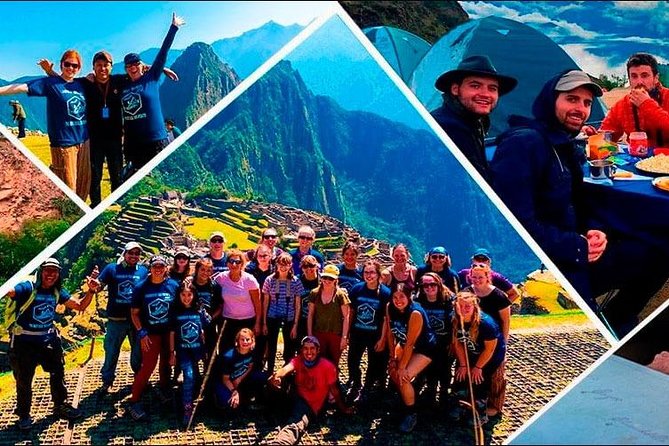
The people who make or break a trek are usually the guide and support crew. Paulo is repeatedly praised for explaining the trail and archaeological sites, looking after families, and setting a sensible pace. Raul is also singled out for his explanations of Inca culture and for paying attention to different ages and abilities.
Those names matter because a guide on this route does more than point out ruins. You need someone who can explain what you are seeing, watch the group on steep sections, and keep the day moving without turning it into a forced march.
Porters carry the tents, kitchen equipment, tables, and chairs. A professional cook provides breakfast, lunch, and dinner for the three nights on the trail, with food served buffet style. Vegetarian, vegan, and pescatarian meals are available if arranged.
The package includes a snack for each trekking day and boiled water. It does not include your first breakfast, final lunch, or final dinner. Plan those meals around your pickup and your return to Cusco.
You receive a survivor T-shirt, though the more important souvenir is the experience of walking the route under your own power. The social side also deserves attention: the company says its community projects support education and quality of life in remote areas, including annual school-supply donations.
Who should book this trek
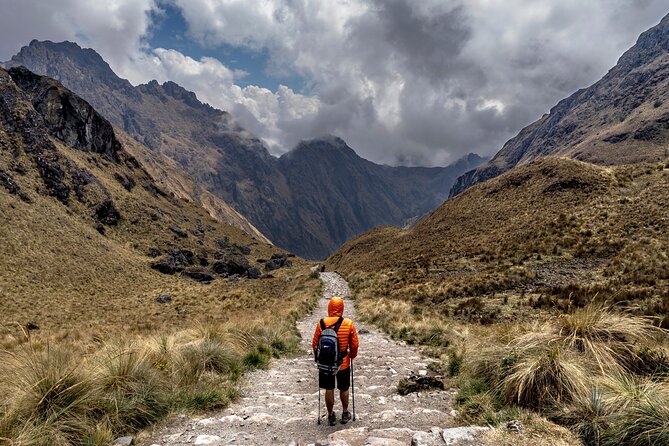
This trip suits you if you want the classic route and are comfortable with basic camping. You should have a moderate fitness level, but that phrase should not be read as a promise that the walk is easy. Day 2 is a serious mountain day, and altitude affects people differently.
Families can make it work if everyone is prepared and willing to walk at the group’s pace. The experience of children on earlier trips suggests that the guide can adjust the pace, but the adults must still judge their children’s fitness and patience honestly.
Couples and small groups also fit well. A maximum of 16 people keeps the operation from becoming a huge procession, while still giving you the social feel of a shared trek. If you want a private experience, ask specifically about that before booking.
This is less suitable if you want hotels, flexible meal times, or a short visit to Machu Picchu with minimal exertion. It is also a poor match if you need the freedom to change dates, since the booking is non-refundable and cannot be amended after cancellation.
What to pack and what costs extra
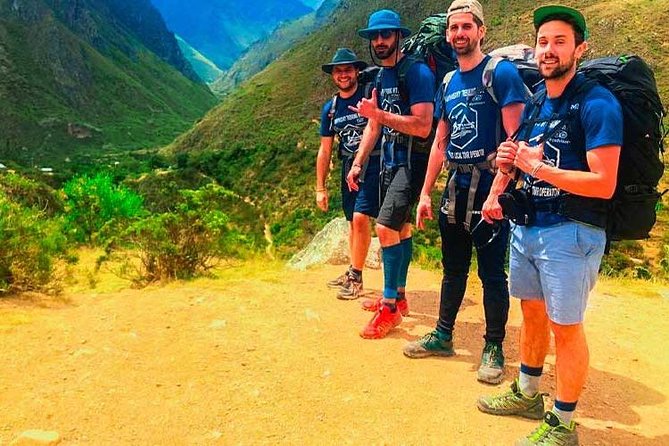
The package covers a lot, but not everything. Bring or budget for:
- A sleeping bag, or $20 to rent one
- Trekking poles, or $20 to rent a professional pair
- Bottled mineral water for times when boiled water is not available
- $12 for the bus from Machu Picchu to Aguas Calientes
- Your first breakfast, final lunch, and final dinner
- Tips for the guide, cook, and porters, which are optional
- Any personal purchases along the trail
You need a current valid passport on the day of travel. Keep it dry and accessible for permits and entry checks.
The tour includes a first-aid kit and an oxygen balloon. That is useful safety equipment, but it is not a substitute for preparation, slow pacing, or honest communication if you feel unwell.
Should you book the $950 Inca Trail package?
I would book this if your priority is the full four-day route, local guides, solid camp support, and a meaningful arrival at Machu Picchu. The price is fair for what it includes, especially with permits, porters, a cook, meals, private transfers, Machu Picchu admission, and the return train all in the same package.
I would pause if you are unsure about high-altitude hiking or expect hotel-level comfort. Read the schedule carefully, budget for the extras, and ask about guide assignment, train timing, Huayna Picchu availability, and private-group options before paying.
For fit hikers who want to earn their view of Machu Picchu, this is a well-supported classic route. Just respect Day 2, pack for cold and wet conditions, and remember that the biggest luxury on the trail is a good pace.
FAQ
How long is the Inca Trail experience?
The tour lasts approximately four days and includes three nights of camping before the return journey from Aguas Calientes.
Where does pickup take place?
Pickup is offered from accommodation in Cusco, Urubamba, or Ollantaytambo. The first-day pickup is scheduled for about 5:00 am.
How many people can join the group?
The maximum group size is 16 people.
What fitness level is required?
A moderate level of physical fitness is required. Day 2 is the hardest and longest day, taking about eight hours and reaching 4,200 meters.
Is a guide included?
Yes. A bilingual, certified tour guide is included. Guides named in the supplied information include Paulo and Raul.
Are meals included?
Breakfast, lunch, and dinner are included during the three nights of the trek. Your first breakfast, final lunch, and final dinner are not included.
Are vegetarian or vegan meals available?
Yes. Vegetarian, vegan, and pescatarian meals can be arranged.
Is the train back to Cusco included?
The tour includes a touristic train from Aguas Calientes to Ollantaytambo and private transport from Ollantaytambo to Cusco. The bus from Machu Picchu to Aguas Calientes costs an additional $12.
Is Huayna Picchu included?
No. Huayna Picchu is optional, takes about two hours, and has an extra cost.
More Four-Day Trips in Cusco
- 4-Day Isle of Skye & Jacobite Steam Train (train ride included)
★ 5.0 · 82 reviews - 4-Day Cork, Ring of Kerry, Dingle, Cliffs of Moher and Galway Bay Rail Tour
★ 4.5 · 48 reviews - Borobudur & Prambanan in Yogyakarta, train to Malang, hike Bromo & Ijen // 4D3N
★ 5.0 · 18 reviews - 4 Days Nile cruise luxor, Aswan,Hot air balloon&abu simbel with Train from Cairo
★ 4.5 · 12 reviews
Just added for rail travellers in Cusco
- Private Machu Picchu Day Tour by Panoramic Train★ 5.0 · 32 reviews
- Excursion to MachuPicchu with Train Vistadome Full Day★ 4.5 · 31 reviews
- Belmond Hiram Bingham Train to Machupicchu – Full Day★ 4.5 · 33 reviews
- From Cusco: Machu Picchu Private Day Trip on Panoramic Train★ 5.0 · 6 reviews
- Excursion Cusco – Puno – Titicaca Observatory Train★ 5.0 · 3 reviews
- Cusco: 4-Day Lares Trek to Machu Picchu with Panoramic Train★ 4.9 · 20 reviews
- Cusco: 4-Day Salkantay Trek to Machu Picchu, Panoramic Train★ 4.3 · 17 reviews
- 2-Day Inca Trail Hike to Machu Picchu & Panoramic Train★ 4.7 · 7 reviews
Machu Picchu Train Tours, compared.
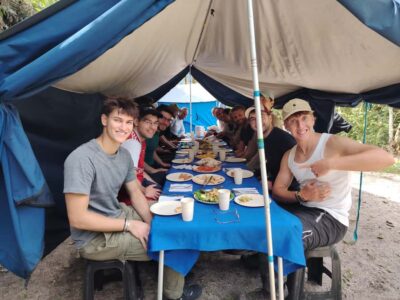
Machu Picchu 2-Day Inca Trail with Panoramic Train
Read our review →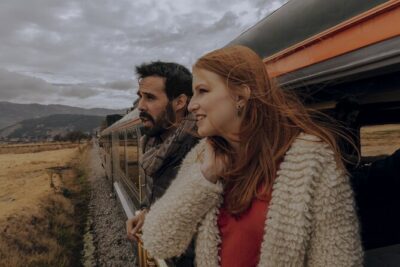
The First Class Machu Picchu Train by Inca Rail
Read our review →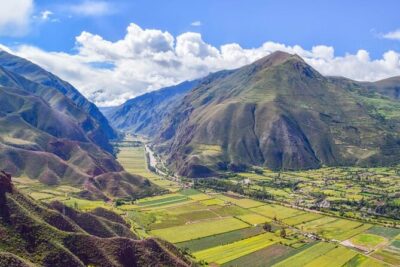
Excursion to the Sacred Valley and Machu Picchu by Panoramic Train
Read our review →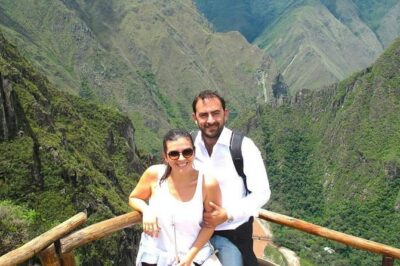
Excursion to Machu Picchu in 1 day from Cusco with Vogager Train Inca Rail
Read our review →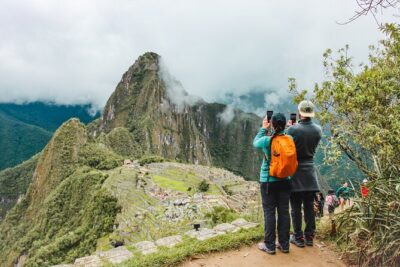
Private Machu Picchu Day Tour by Panoramic Train
Read our review →
4-Day Lares Trek to Machu Picchu with Panoramic Train
Read our review →
4-Day Salkantay Trek to Machu Picchu, Panoramic Train
Read our review →
Machu Picchu Day Trip with Train + Entrance ticket
Read our review →Browse the lists this tour appears in