
Review · MACHU PICCHU TRAIN TOURS
Cusco: 4-Day Lares Trek to Machu Picchu with Panoramic Train
The best part of this trip is the way it joins a demanding high-altitude trek with real Andean village life. You are not simply walking to Machu Picchu. You visit weaving families, see potato fields and alpaca pastures, soak in Lares hot springs, and spend two nights under the cold mountain sky.
I especially like the women-run weaving cooperatives and the chance to support village schools with supplies. I also like the practical setup: cooks prepare hot meals, muleteers carry your camping gear, and the guide adjusts the walking pace. Guides named Manolo and Filio have earned especially warm praise on earlier departures.
The main caution is altitude. Condor Pass reaches 4,750 meters, and nights at 3,900 meters can be bitterly cold. You need reasonable fitness, warm clothing, and enough time in the Cusco region to adjust before setting out.
Key points to know before booking
- The trek reaches 4,750 meters: The climb to Condor Pass is the hardest section, with thin air and a long uphill stretch.
- You spend two nights camping: Muleteers carry food and equipment, but you still need to sleep in cold, high camps.
- The route mixes nature with local life: You meet weaving families, visit Canchacancha, and pass fields of potatoes, corn, and avocados.
- Lares hot springs begin the trip: The warm pools are a welcome start before the first hike.
- Machu Picchu comes after the trek: You enter the citadel early on Day 4, then return by the scenic Vistadome train.
- The $690 price covers a lot: Transport, entrances, guide, meals, camps, hotel, train, buses, and mule support are included, but not your final lunch or optional mountain permits.
Why the Lares route feels different
Many trips to Machu Picchu focus almost entirely on the famous ruins. This one gives you two very different Peru experiences. The first half is a mountain trek through small communities, high lakes, and grazing animals. The second half brings you to Maras, Ollantaytambo, and Machu Picchu by road and rail.
That mix suits you if you want more than a quick visit to the citadel. You get time to notice how people live in the highlands, how crops change with altitude, and how traditional weaving remains part of village life.
The route is not easy, but it is manageable for someone in decent shape. One earlier family group found the walking difficulty reasonable, while also noting that altitude and cold reduced their energy. That is a fair description. The trail does not require technical climbing, yet the thin air makes ordinary hills feel much steeper.
The guide is important here. A good guide can slow the group, plan rest stops, explain local customs, and help you judge the effort at altitude. Manolo and Filio are names associated with especially strong departures, but your assigned guide may be different.
More Machu Picchu Train Tours in Cusco:
- Cusco: Machu Picchu 2-Day Inca Trail with Panoramic Train
★ 4.9 · 260 reviews - The First Class Machu Picchu Train by Inca Rail
★ 4.0 · 182 reviews - Excursion to the Sacred Valley and Machu Picchu by Panoramic Train
★ 5.0 · 45 reviews
Day 1: Calca, Ancashmarca, and the Lares hot springs
Your pickup is early from Cusco or the Sacred Valley. If your accommodation falls outside the Cusco district, you meet near the main square instead. Bring your passport and keep essentials close, since the day combines several stops before the hike begins.
The first stop is Calca’s market. This gives you a useful glimpse of everyday food and local trade before the more remote part of the route. It is not just a photo stop. The market helps explain what people eat and sell in the valley.
You then visit Ancashmarca, an ancient Inca site. After that, the road climbs toward a high plateau where you may see Puyas de Raimondi, a rare high-altitude plant. This is one of the more unusual stops on the trip, especially if you are interested in Andean ecology as well as archaeology.
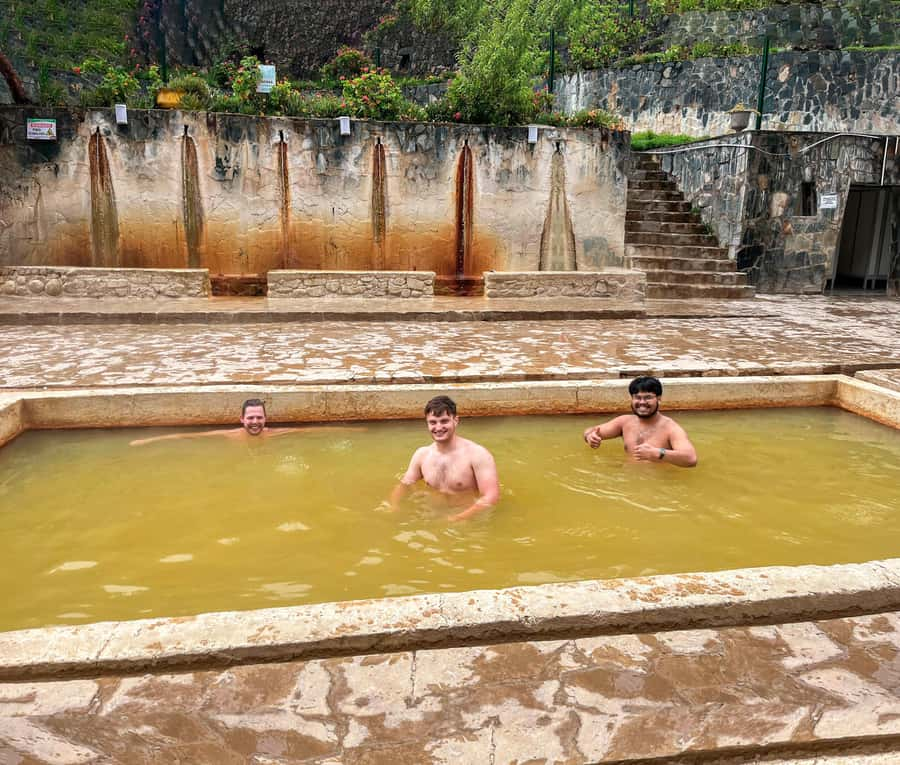
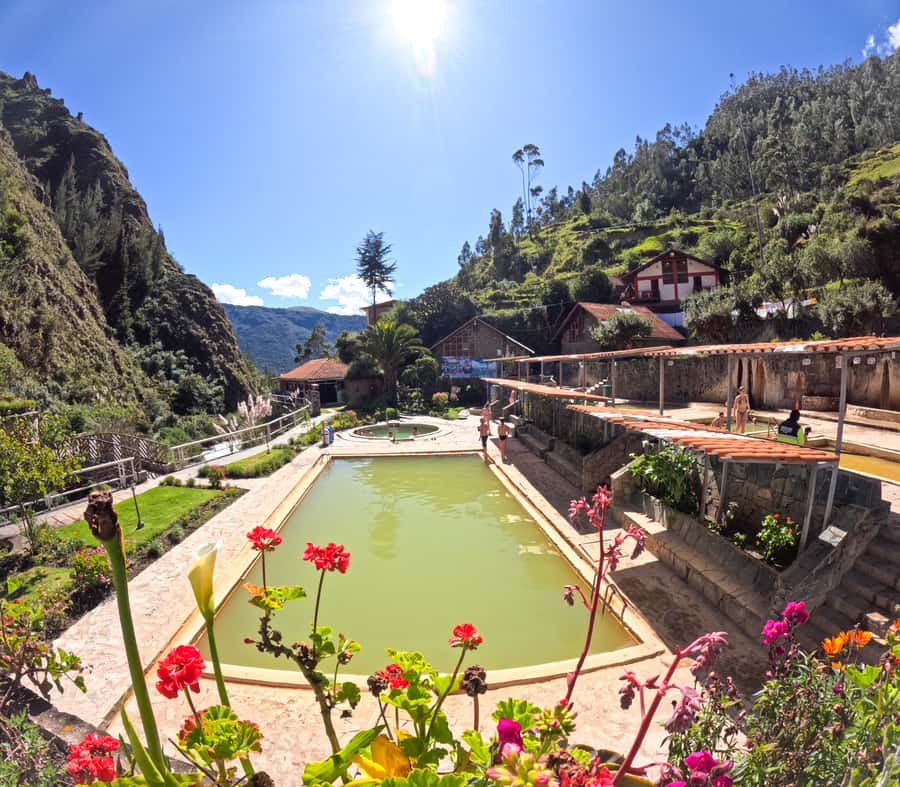
Next comes Lares and its hot springs. The pools sit among mountain views, and breakfast is served here. The timing works well: you can loosen up in warm water before beginning the trek. Still, do not mistake the hot springs for a full rest day. The hiking starts afterward.
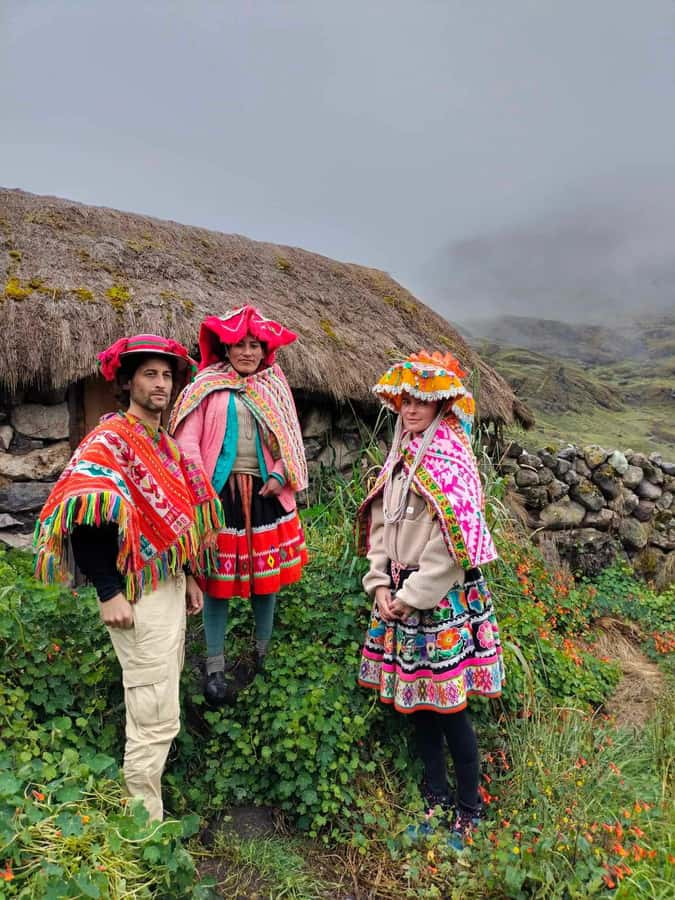
A visit to a weaving cooperative follows. You learn about Andean textile traditions and see how the work supports local women. This is one of the trip’s most meaningful elements because the contact is tied to a working community rather than a staged cultural show.
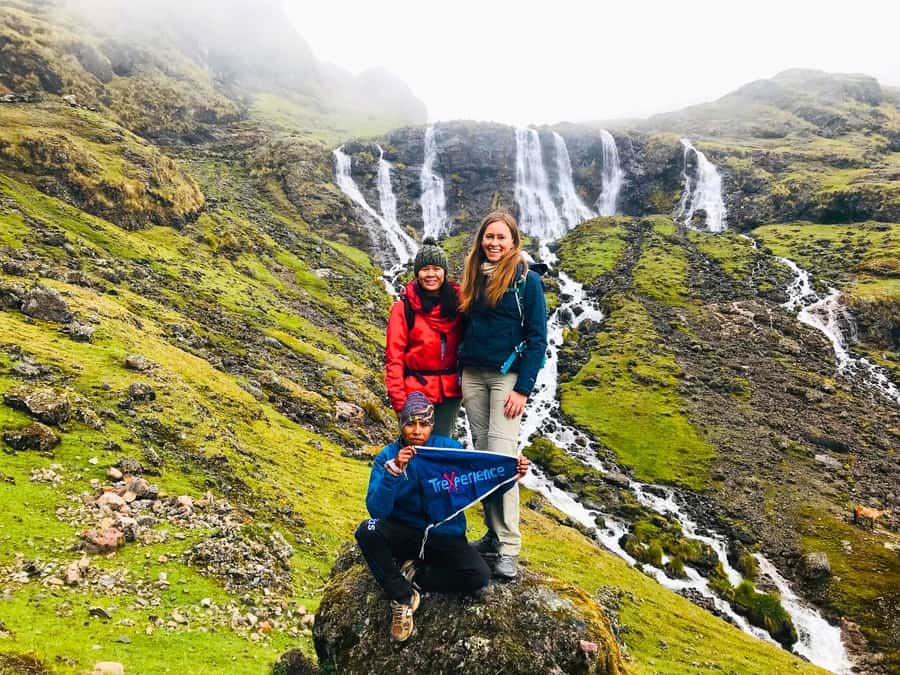
From there, a vehicle takes you to Pampacorral. The opening hike passes alpaca-dotted valleys and potato fields, with lunch in Kiswarani. You then follow a waterfall toward the Blue Lagoon campsite at 3,900 meters.
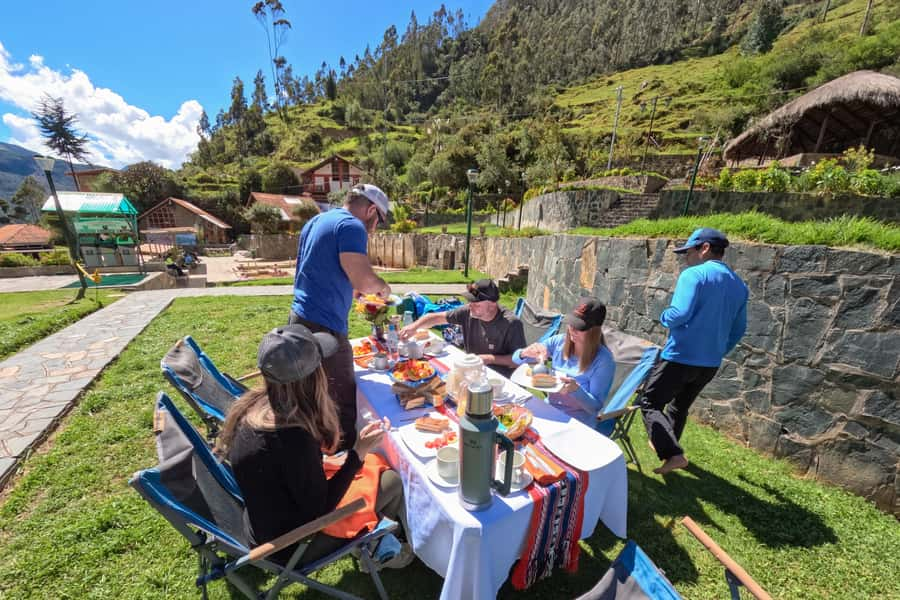
At camp, expect coca tea, dinner, and time to look at the stars. The practical detail matters: this is your first night at high altitude, and the cold can be serious. Bring thermal layers, a warm hat, dry socks, and proper rain gear. A sleeping bag and air mattress are not included, though they can be rented.
Day 2: Blue Lagoon to Condor Pass at 4,750 meters
Day 2 is the physical center of the trip. You wake to coca tea or coffee at your tent, eat breakfast, and begin a steady climb through valleys filled with lakes and highland wildlife.
The ascent to Condor Pass is the toughest part. At 4,750 meters, even a fit person may need frequent pauses. Your guide is expected to set a pace the group can handle, so do not feel pressure to race uphill. Small, steady steps work better than trying to maintain your lowland walking speed.
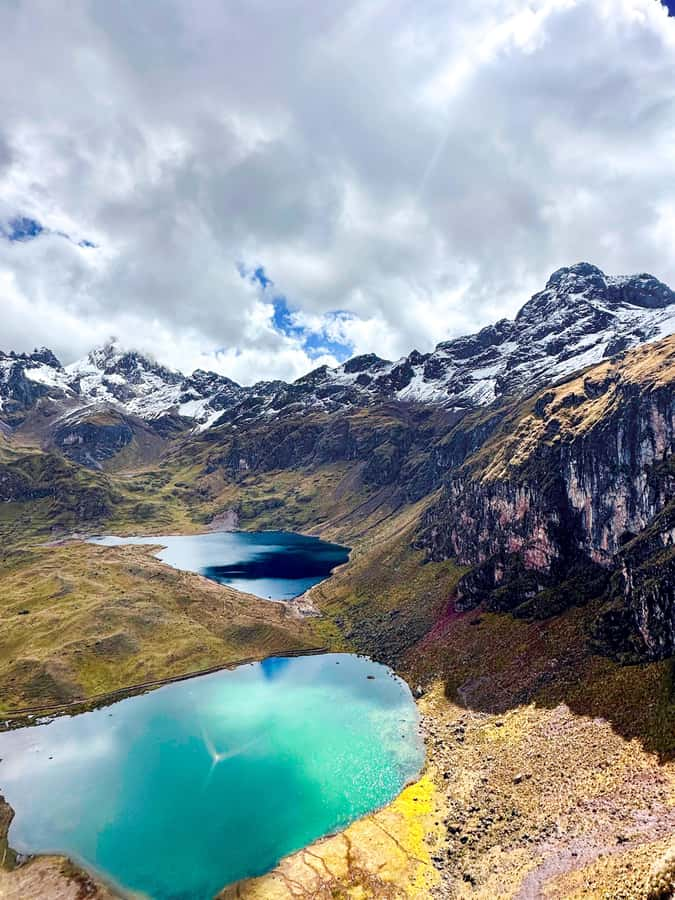
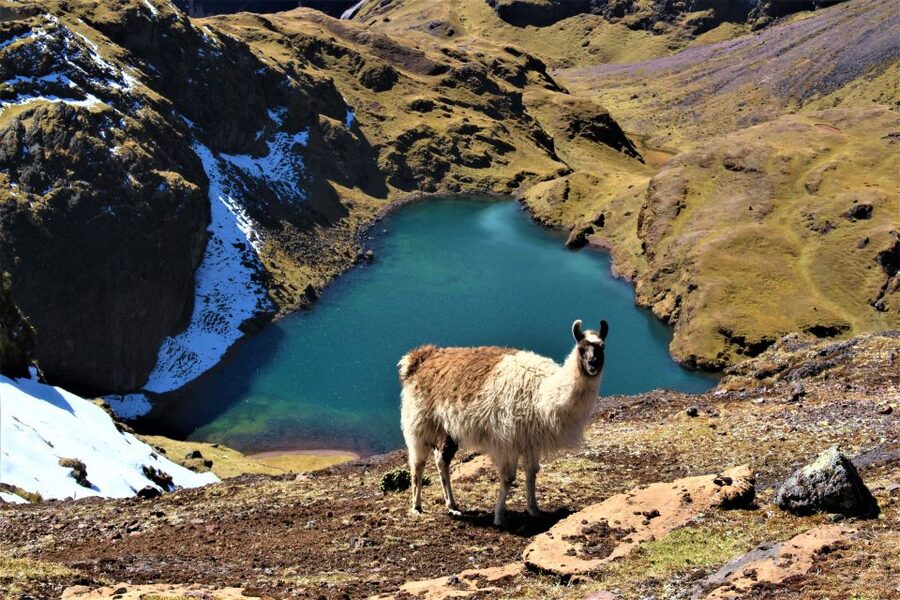
At the pass, the reward is a wide view of snowy peaks and turquoise lagoons. The setting is stark and open, with very little shelter from the weather. Take the time to enjoy it, but keep your warm layer and rain protection ready.
The group also takes part in a traditional offering ceremony before descending. This adds cultural context to the scenery. The mountains are not treated as empty space; they have a spiritual place in Andean life.
A hot lunch is served in Acopata. Afterward, the trail drops through valleys where llamas and alpacas may be nearby. You finish at Canchacancha village, at about 3,750 meters.
The village visit is more than a quick pass-through. You meet local families and learn a few Quechua phrases. That small exchange can make the next day’s visit feel more personal, especially if you take time to greet people respectfully rather than treating the village as a backdrop.
Dinner comes with mountain views. You will probably be tired by then. The combination of altitude, cold, and the pass makes this a long day, even for someone who hikes regularly.
Day 3: Canchacancha, Maras, and Ollantaytambo
Day 3 begins with more time in Canchacancha. You can visit homes and the school, and you have the option to donate supplies. If you plan to contribute, ask your tour operator in advance what the school needs. A useful donation is better than bringing random items that may not fit local needs.
The hike out is a four-hour downhill walk to the Sacred Valley. The changing crops show how quickly the climate shifts with altitude. Potato fields give way to corn and avocado crops as you descend toward Huaran at 2,700 meters.
Downhill walking sounds easy, but it can be hard on knees and hips. Trekking poles are not included, yet they are available to rent and may be worth having. Comfortable hiking shoes with good grip are essential.
At Huaran, you eat a picnic lunch and say goodbye to the muleteers and chef. This is a useful point to recognize how much support the trek requires. The animals and staff have carried food, tents, and supplies into the mountains, allowing you to walk with only a small personal bag.
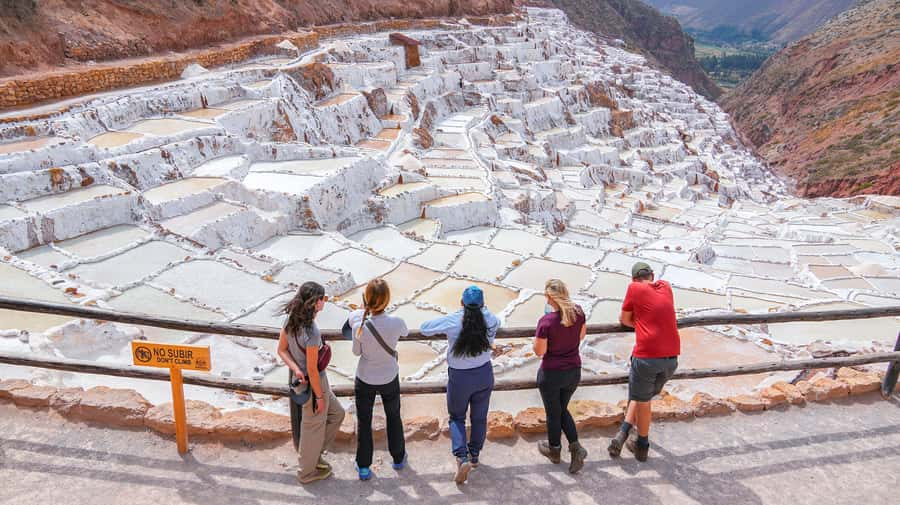
The private van then takes you to the Salineras of Maras. These salt terraces are still tied to traditional salt harvesting. The white pools cut into the hillside make a sharp contrast with the green and brown mountain surroundings, and the visit gives you a look at a working local industry.
Next is Ollantaytambo, often called the last living Inca town. Its streets and foundations still reflect the Inca plan, while modern families live among them. You have dinner here before boarding the train to Aguas Calientes, the town below Machu Picchu.
The train ride is part of the pleasure. You are not rushing directly to a hotel by road. The rail route follows the valley toward the ruins, and the change from high mountain terrain to warmer valley vegetation is easy to notice.
You spend the night in a comfortable three-star hotel. After two nights in a tent, a bed, shower, and indoor room will feel luxurious, even at a modest hotel level.
More Scenic Railways in Cusco:
- Inca Trail 4 Day Adventure to Machu Picchu with Panoramic Train
★ 5.0 · 34 reviews - Private Machu Picchu Day Tour by Panoramic Train
★ 5.0 · 32 reviews - Cusco: 4-Day Salkantay Trek to Machu Picchu, Panoramic Train
★ 4.3 · 17 reviews - 2-Day Inca Trail Hike to Machu Picchu & Panoramic Train
★ 4.7 · 7 reviews
Day 4: Machu Picchu at sunrise, then the Vistadome home
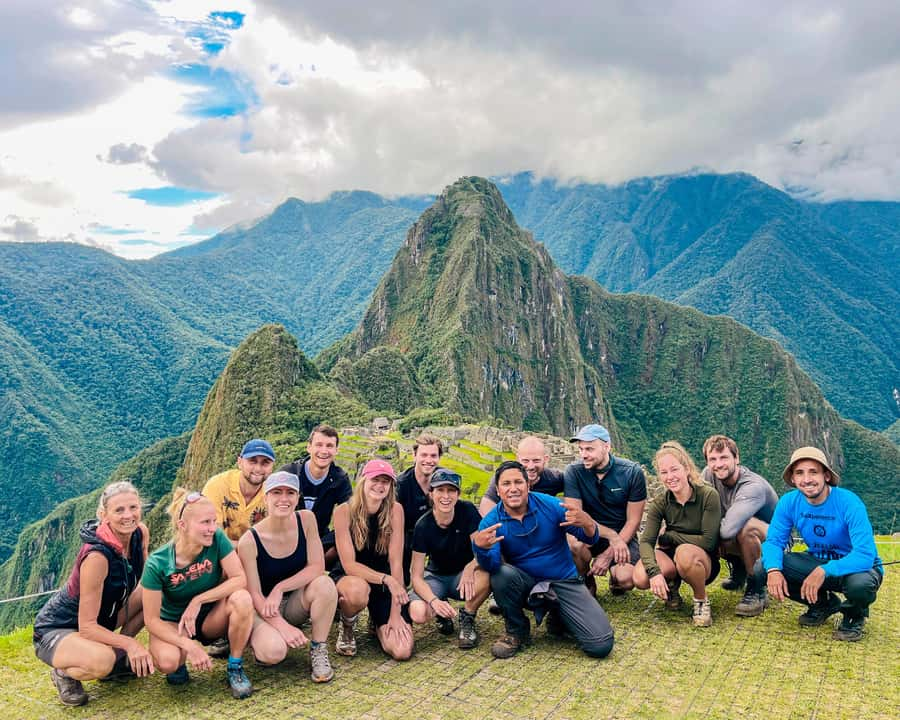
You eat breakfast early and take the bus up to Machu Picchu. The plan is to arrive around sunrise, when the first light reaches the citadel. Weather can affect the view, so keep expectations flexible. The early start still gives you a quieter and cooler visit than arriving later in the day.
Your guide leads a two to three-hour walking tour. Expect explanations of Inca engineering, major structures, and daily life, along with stops at well-known viewpoints for photographs.
The guided visit gives the ruins shape and meaning. Without context, it is easy to spend the morning looking at walls and terraces without understanding how water, stonework, farming, and settlement design fit together. The guide helps connect those details.
You return to Aguas Calientes for lunch and free time. Lunch is not included on the final day, so budget separately for it. You also have time to rest before the return journey.
The return train is the Vistadome, with large windows and a more open view of the valley. It is a fitting final ride after the mountain route. At Ollantaytambo, a private transfer brings you back to Cusco by evening.
Huayna Picchu and Machu Picchu Mountain are not included. If you want either climb, you need to arrange the appropriate optional ticket and consider how it fits with the guided visit and return schedule.
What the $690 price really covers
At $690 per person, the price is not just paying for entry to Machu Picchu. It includes hotel pickup and drop-off, the professional guide, entrance fees for Machu Picchu, Maras, and the Lares hot springs, two nights of camping, one hotel night, the buses to Machu Picchu, and the Vistadome return train.
Food is another strong part of the package. The trekking cooks prepare four breakfasts, three lunches, and three dinners. Earlier departures included vegan meals successfully, but you must state dietary needs when booking.
You also receive a personal duffle bag carried by muleteers, with up to 7 kilograms allowed. That makes the trek easier, but it does not mean you can leave all planning behind. Keep your passport, rain jacket, water, sunscreen, camera, medication, and warm layer in your daypack.
The price does not include a sleeping bag, air mattress, or trekking poles. Those can be rented. It also excludes travel insurance, your final lunch, and optional Huayna Picchu or Machu Picchu Mountain tickets.
I consider the cost fair for the amount of transport and support involved. The value is strongest if you want the Lares trek, village visits, meals, and scenic train in one organized package. It is less attractive if you only want a basic Machu Picchu visit or prefer to arrange each section yourself.
Fitness, altitude, and what to pack
You should be comfortable hiking for several hours and handling steep uphill and downhill sections. The highest point is 4,750 meters, and even a healthy person can feel breathless there.
Give yourself time to adjust to altitude in Cusco before the trek if your schedule allows. The tour does not promise an easy route, and the combination of height and cold can lower your pace.
Pack:
- Passport and some cash
- Hiking shoes, hiking pants, and comfortable clothing
- Warm layers for camp
- Rain gear, sun protection, and sunglasses
- Sun hat, sunscreen, and insect repellent
- Toiletries and hand sanitizer or tissues
- Camera and extra weather protection for it
- Personal medication and any needed dietary items
Pregnant people, those with heart or back problems, people with mobility impairments, and wheelchair users should not book this activity. Children must be accompanied by an adult.
Pickup is included from accommodation in Cusco. Wait in the lobby 10 minutes before the arranged time. Spanish and English guides are available.
Should you book this Lares and Machu Picchu trip?
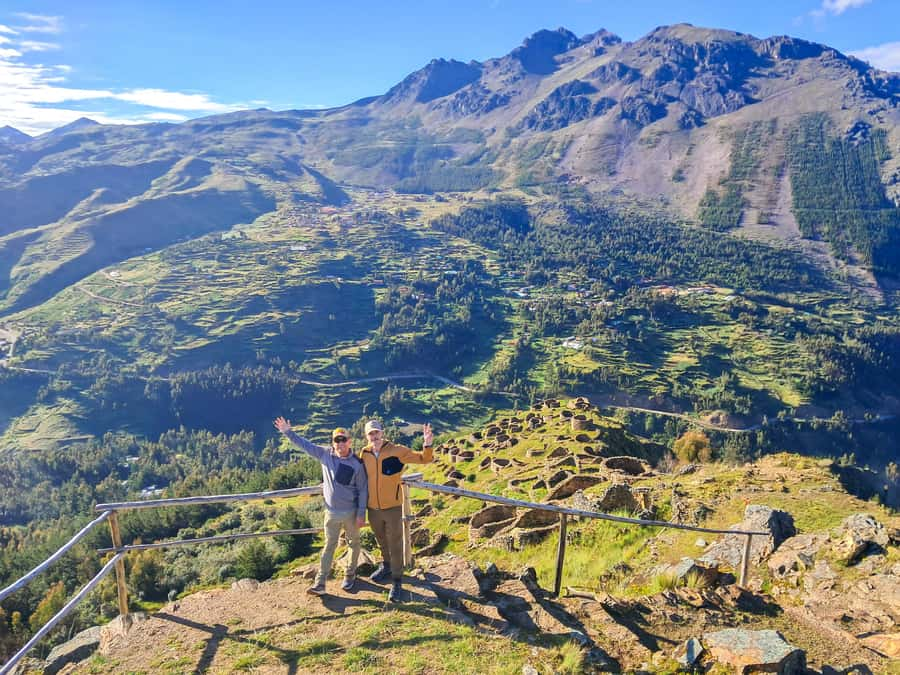
Book it if you want a full Andean experience, not just a visit to the famous ruins. The combination of hot springs, weaving communities, high lakes, a 4,750-meter pass, Maras, Ollantaytambo, and Machu Picchu gives you a varied four days.
It is a particularly good choice for active families, friends, and couples who can handle altitude and cold. The food support, muleteers, hotel night, and flexible walking pace make the route more approachable than a fully independent trek.
Skip it if you dislike camping, struggle with high altitude, need a fully accessible route, or want a relaxed sightseeing schedule. The trip is busy, physically demanding, and non-refundable, so be certain about your health, equipment, and dates before paying.
FAQ
How high does the trek reach?
The route reaches Condor Pass at 4,750 meters. The first campsite is at about 3,900 meters, and Canchacancha is at about 3,750 meters.
How many nights do I spend camping?
You spend two nights camping during the trek and one night in a comfortable three-star hotel in Aguas Calientes.
Is food included?
The package includes four breakfasts, three lunches, and three dinners prepared by trekking cooks. Lunch on the final day in Aguas Calientes is not included. You should provide dietary requirements when booking.
Is a sleeping bag included?
No. A sleeping bag, air mattress, and trekking poles are not included, but they can be rented on request.
Does the price include the Vistadome train and Machu Picchu bus?
Yes. The package includes the Vistadome return train from Aguas Calientes to Ollantaytambo, the bus to Machu Picchu, and a private transfer onward to Cusco.
Can I visit Huayna Picchu or Machu Picchu Mountain?
Neither ticket is included. These are optional add-ons that must be arranged separately.
More Four-Day Trips in Cusco
- 4-Day Isle of Skye & Jacobite Steam Train (train ride included)
★ 5.0 · 82 reviews - 4-Day Cork, Ring of Kerry, Dingle, Cliffs of Moher and Galway Bay Rail Tour
★ 4.5 · 48 reviews - Borobudur & Prambanan in Yogyakarta, train to Malang, hike Bromo & Ijen // 4D3N
★ 5.0 · 18 reviews - 4 Days Nile cruise luxor, Aswan,Hot air balloon&abu simbel with Train from Cairo
★ 4.5 · 12 reviews
More Hiking and Trekking Trips in Cusco
- Tour with the Mountain Train, Trek to Mystic Forest and Castle
★ 5.0 · 101 reviews - Sapa: 3-Day, 3-Night Trek and Hotel with Overnight Train
★ 4.2 · 64 reviews - Saint Kitts Train Trek
★ 4.0 · 60 reviews - Lake Como: Easy Mountain Trek with Funicular & Boat Ride
★ 4.7 · 24 reviews
Just added for rail travellers in Cusco
- Private Machu Picchu Day Tour by Panoramic Train★ 5.0 · 32 reviews
- Excursion to MachuPicchu with Train Vistadome Full Day★ 4.5 · 31 reviews
- Inca Trail 4 Day Adventure to Machu Picchu with Panoramic Train★ 5.0 · 34 reviews
- Belmond Hiram Bingham Train to Machupicchu – Full Day★ 4.5 · 33 reviews
- From Cusco: Machu Picchu Private Day Trip on Panoramic Train★ 5.0 · 6 reviews
- Excursion Cusco – Puno – Titicaca Observatory Train★ 5.0 · 3 reviews
- Cusco: 4-Day Salkantay Trek to Machu Picchu, Panoramic Train★ 4.3 · 17 reviews
- 2-Day Inca Trail Hike to Machu Picchu & Panoramic Train★ 4.7 · 7 reviews
Machu Picchu Train Tours, compared.
Machu Picchu 2-Day Inca Trail with Panoramic Train
Read our review →
The First Class Machu Picchu Train by Inca Rail
Read our review →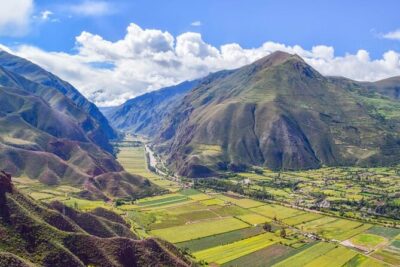
Excursion to the Sacred Valley and Machu Picchu by Panoramic Train
Read our review →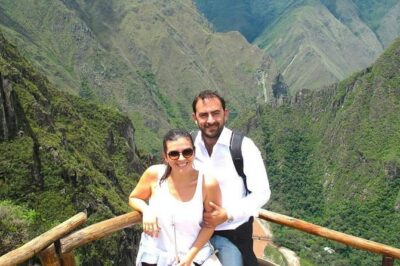
Excursion to Machu Picchu in 1 day from Cusco with Vogager Train Inca Rail
Read our review →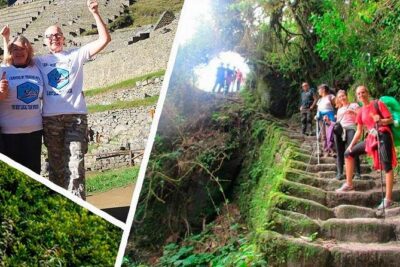
Inca Trail 4 Day Adventure to Machu Picchu with Panoramic Train
Read our review →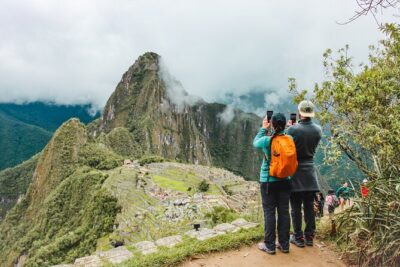
Private Machu Picchu Day Tour by Panoramic Train
Read our review →
4-Day Salkantay Trek to Machu Picchu, Panoramic Train
Read our review →
Machu Picchu Day Trip with Train + Entrance ticket
Read our review →Browse the lists this tour appears in