
Review · MARKETS
Osaka: Wakayama Cat Train, Seafood market, Hot Springs Tour
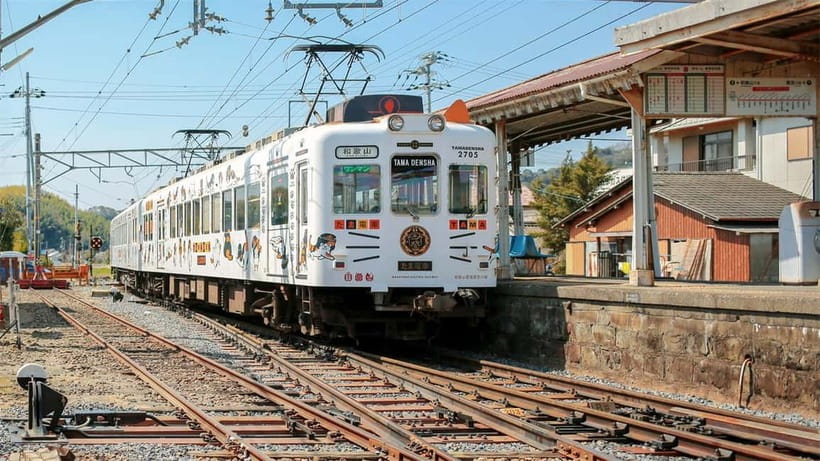
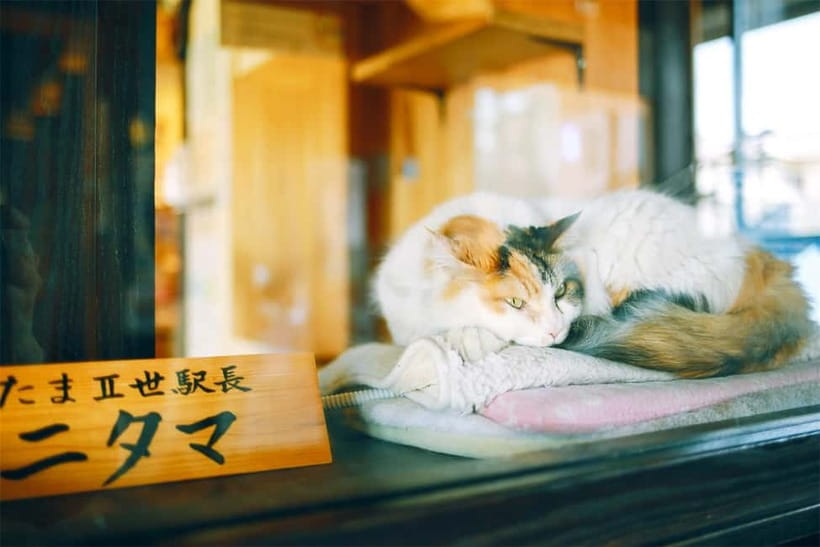
A calico cat once helped save a rural railway station from closure. That story gives this day its most unusual start: at Kishi Station, you meet Tama’s successor Nitama, browse cat-themed souvenirs, and ride one of three decorated trains through Wakayama. The day then shifts from feline charm to fresh tuna, ocean cliffs, and old hot springs.
I like the mix of small-town Japan and coastal scenery, and I like that the $83 price includes round-trip transport from Osaka, the cat train, a guide, and a professional driver. The main drawback is the amount of time on the road. You have about 10 hours, but much of that is spent on the bus, and the cat-themed train segment itself lasts only around 15 minutes.
Key points at a glance
- Tama’s legacy at Kishi Station: See the cat-shaped station and learn how Stationmaster Tama became a local symbol.
- Three possible cat trains: The Tama Train, Strawberry Train, or Toy Train runs according to the daily schedule.
- Fresh seafood at ToreTore Market: Watch a tuna cutting show, then buy lunch at your own cost.
- Optional Shirahama hot spring: Try Toretore Onsen, but tattoo restrictions may apply.
- Two dramatic coastal stops: Senjojiki Rock Plateau and Sandanbeki Cave bring wide Pacific views and sea-carved cliffs.
- A long but useful day trip: The tour leaves Nipponbashi at 8:30 am and aims to return around 6:40 pm, traffic permitting.
Why this Wakayama day trip works
Wakayama gives you a very different side of Japan from Osaka’s dense streets and bright shopping districts. In one day, you move through countryside, fishing culture, hot springs, and rugged Pacific coast. The variety is the reason to book this tour.
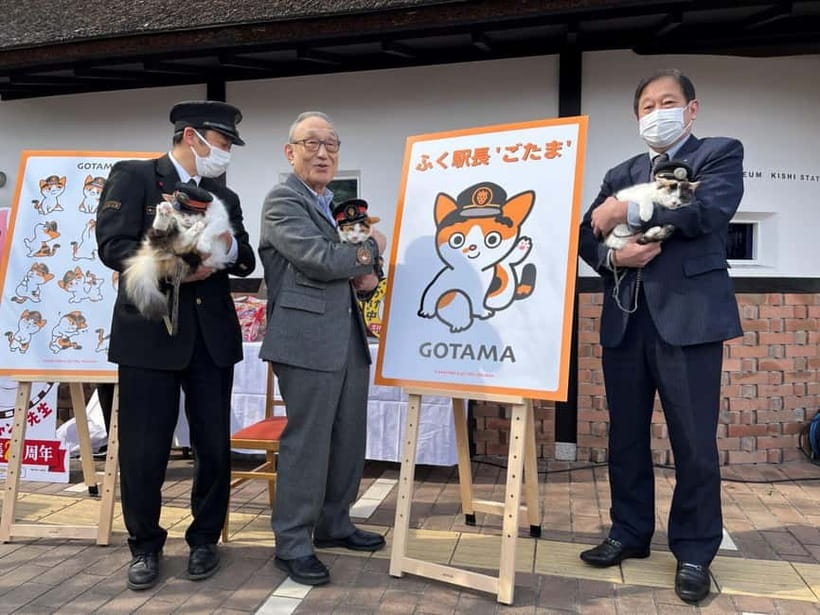
I especially like the story behind Kishi Station. Tama was not simply a cute mascot added for tourists. Her presence helped draw attention to a small railway line that faced closure. Today, Nitama continues the stationmaster tradition, and the cat-shaped building makes the stop easy to remember.
The trip also has a useful practical advantage: Wakayama’s sights are spread out. Reaching Kishi Station, the seafood market, Shirahama, and the coastal cliffs independently would require careful planning with trains, local transport, and opening times. Here, the bus handles the long transfers while the guide keeps the day moving.
Still, this is not a relaxed, slow-paced excursion. You leave Osaka at 8:30 am and may not return until about 6:40 pm. The drive to Wakayama takes roughly 1.5 hours, and the return journey is listed at about 2.5 hours. Weekend and holiday traffic can change the order of stops or shorten time at some sites.
More Market Tours in Japan:
- 3-Day Private Tokyo and Nagano: Snow Monkeys, Tsukiji Market and Bullet Train
★ 5.0 · 2 reviews - Day Trip to Bangkok Floating Market & Maeklong Railway
★ 5.0 · 1,528 reviews - Bangkok: Railway and Floating Market Tour with Dragon Temple
★ 4.6 · 1,225 reviews
Meeting Tiger and getting out of Osaka
The meeting point is Nipponbashi Station Exit 2, near the Namba and Shinsaibashi area. Use the address 1-chōme-3-6 Nipponbashi, Chuo Ward, Osaka, and arrive at least 15 minutes early. This matters because several tour groups may gather nearby, and late arrivals are not refunded.
You receive the final details by email the evening before, including the guide, driver, vehicle, and meeting information. Guide Tiger has been especially helpful with communication, including updates through WhatsApp in English and Chinese. The tour also operates with English, Japanese, and Chinese guides.
The vehicle depends on group size, but transport is by air-conditioned bus or coach. Toll roads, fuel, parking, the professional driver, and the guide are included. That is a fair amount of value in a full-day trip from Osaka, particularly if you do not want to manage several regional connections yourself.
Do not bring food into the vehicle. Comfortable shoes are a good idea, and cash is useful for lunch, souvenirs, optional admissions, and the hot spring.
Kishi Station and the Tama train
Kishi Station is the emotional heart of the day. Its cat-faced design immediately signals that this is not a standard railway stop. Inside and around the station, you can learn about Tama, the calico cat who greeted passengers and helped support the local economy.
Nitama, known as Second Tama, continues the tradition. The station also has a cat-themed café, Tama Shop, collectible stamps, and special souvenirs. This is a compact stop rather than a full museum visit, so keep your expectations in check. You are coming for the story, the atmosphere, and the charming details rather than a long indoor attraction.
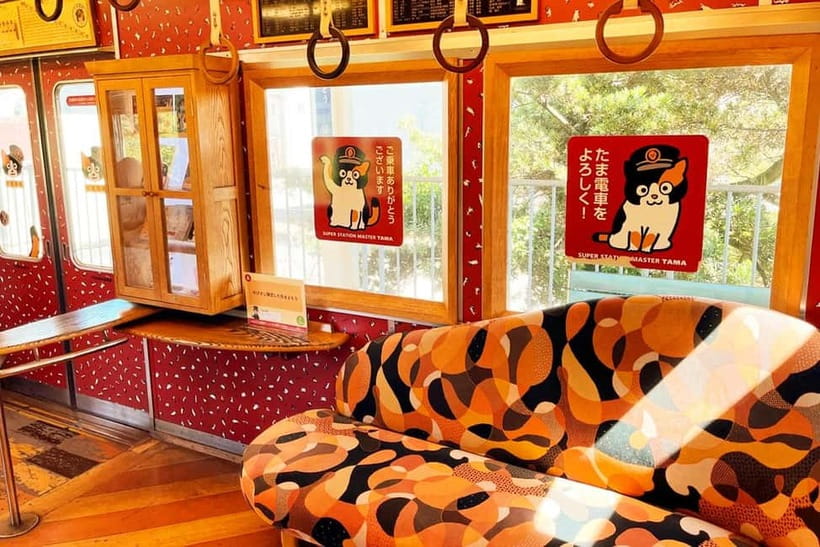
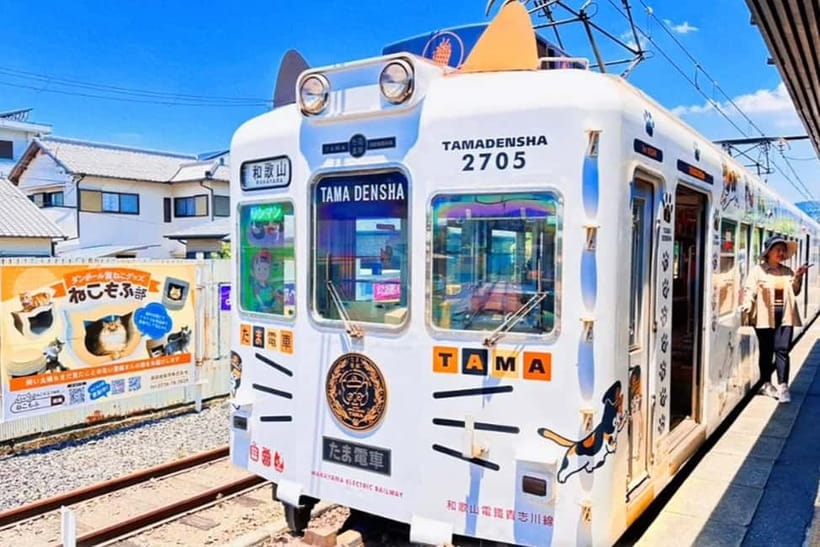
The train is selected according to the day’s schedule. You may ride the Tama Train, Strawberry Train, or Toy Train. Each has a different design, but the basic appeal is the same: a short, playful rail journey through Wakayama that feels far removed from Osaka.
One detail is important when you plan your expectations. The full panoramic rail portion is listed at about 70 minutes in the schedule, while the cat-themed train experience itself is described as around 15 minutes. In practical terms, you should not book this expecting hours on a decorated train. The cat train is a highlight within a larger day, not the entire focus.
The short ride may feel too brief if you are a serious railway fan. One tour participant expected more from the cat train, and that is a fair caution. If you love Japanese railways, the surrounding station story and the chance to see the train may matter as much as the ride itself.
ToreTore Market and the tuna cutting show
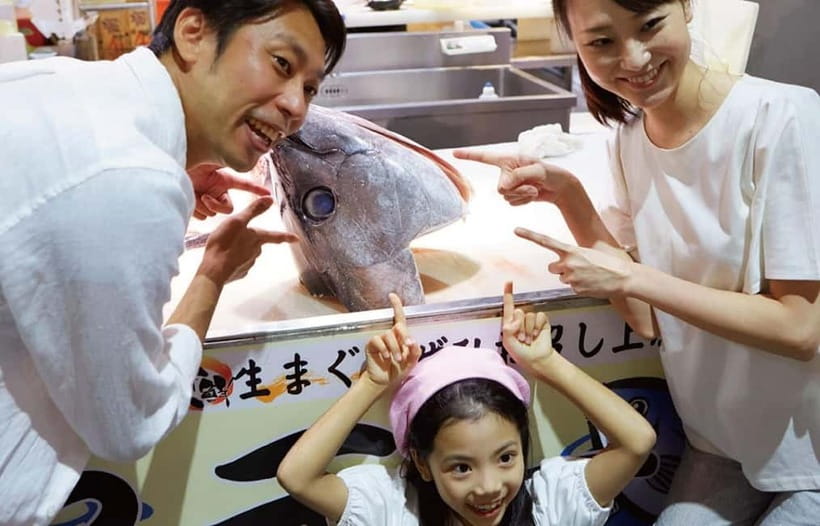
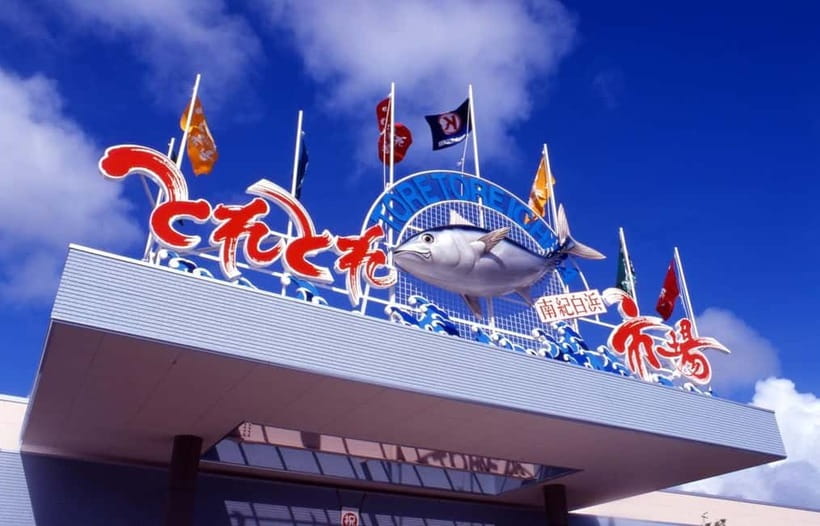
After Kishi Station, the tour heads to ToreTore Ichiba, described as the largest seafood market in western Japan. This is where the day becomes much more practical and delicious. You get about two hours for a guided visit, sightseeing, and lunch.
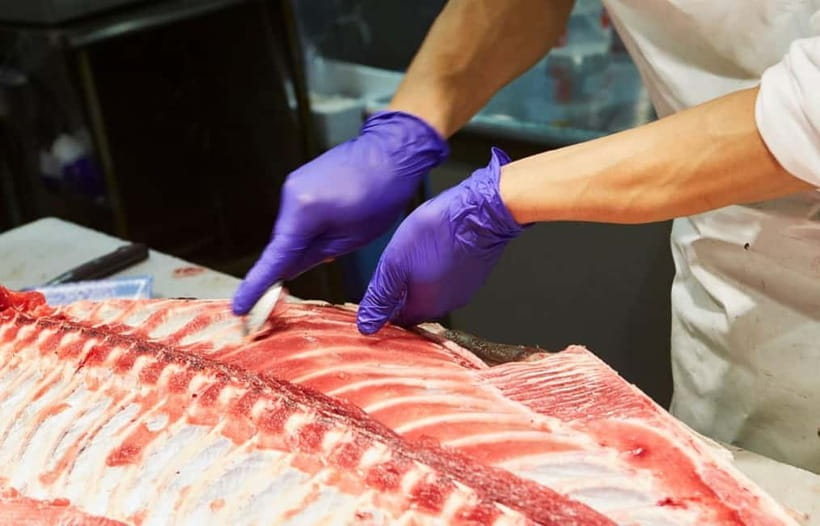
The market receives fresh catches several times a day, with timing varying. The most memorable event is the live tuna cutting show. A large tuna is broken down in front of you while an expert explains the fish’s anatomy and demonstrates the fast, precise cuts.
The show is not guaranteed. Weather or other unforeseen circumstances can lead to cancellation, and the cutting time is random. If you do not see it, the market still gives you a chance to inspect seafood, shop for prepared products, and eat in the Nanki Shirahama area.
Lunch is not included, which is reasonable because you can choose how much or how little to spend. Possible choices include tuna sashimi bowls, grilled seafood, octopus rice, and other fresh dishes. Some parts of the market also allow you to buy seafood for cooking at BBQ tables, according to the available setup that day.
I would allow room in your budget for lunch and perhaps a few gifts. The souvenir area has seasoned seafood, gourmet foods, and local items. Bring cash, since the tour specifically recommends it, and remember that your market visit is also your main meal stop.
The two-hour allocation is useful, but you should listen carefully to the guide’s timing. It is easy to spend too long comparing seafood or browsing the gift section, then feel rushed when the group returns to the bus.
More Spa and Hot Spring Visits in Japan:
- Kyoto: Arashiyama Day Tour with Train, Boat, and Onsen
★ 4.9 · 48 reviews - From Zakopane: Tatra Mountains with Hot Springs & Funicular
★ 5.0 · 12 reviews
Toretore Onsen and the tattoo question
The hot spring stop is optional, so this tour does not force you to enter the bath. Toretore Onsen in Shirahama is associated with more than 1,350 years of hot spring history and is linked with ancient Japanese texts and imperial visits.
The spring water is sodium bicarbonate based and described as gentle on the skin. The facility also includes Japan’s first salt-stone bedrock bath. Those details make the stop more than a generic rest break, though the amount of time available depends on the day’s traffic and the guide’s schedule.
Admission is not included. If you want to use the bath, confirm the current entry arrangements and bring what you need for the visit. Most important, tattoos may restrict entry. This is not a small technicality, so check before booking if you have visible tattoos.
Because the hot spring is optional, you can use the time differently if you prefer not to bathe. The tour description does not promise a long onsen session, so think of it as an added experience rather than the central purpose of the trip.
Senjojiki Rock Plateau by the Pacific
Senjojiki means Thousand Tatami Mats, a name inspired by the broad layers of rock stretching along the coast. The formations face the Pacific, and the stop is designed mainly for photos and a short walk.
You get about 30 minutes here. That is enough to step onto the rock slabs, look across the open water, and take pictures, but it is not enough for a long coastal hike. Wear shoes with a secure grip, especially if the rock surface is uneven or damp.
The timing may bring sunset views, depending on the season and the day’s schedule. The combination of layered rock, sea, and evening light can be the visual high point of the tour. Traffic can affect the timing, so treat sunset as a possibility rather than a promise.
This stop also helps balance the busy market. After eating and shopping, you get fresh air and room to walk. It is a simple stop, but the scale of the rock formations gives it real impact.
Sandanbeki Cave and the old pirate tales
Sandanbeki adds a different kind of coastal experience. Here, you take an elevator 36 meters down to sea-level caves. The area includes displays connected with Heian-era pirates, along with natural rock shapes formed by erosion.
The visit lasts about 30 minutes. Admission is optional and not included, so decide in advance if the cave interests you. The elevator makes the descent straightforward, but the attraction is still best suited to people comfortable moving through a cave setting.
The pirate stories give the stop a human angle, while the rock formations provide the natural drama. I like the contrast with Senjojiki: one stop opens out across the ocean, and the next takes you below the cliffs.
If you skip the cave admission, you may still have time around the coastal area, but the tour’s exact pacing can change. Ask the guide where to meet and when to return to the bus.
How much value do you get for $83?
At $83 per person, this is a strong value if you want several Wakayama highlights without arranging the transport yourself. The included package covers the bus, driver, cat train, multilingual guide, expressway tolls, fuel, and parking. Those costs can add up quickly on a long regional day.
The price does not include lunch, hot spring admission, Sandanbeki Cave admission, or personal spending. That gives you some control over the final cost. You can eat simply, skip the onsen, or pay for both optional attractions if they fit your budget.
The tradeoff is time. You are paying for access and convenience, not a leisurely stay in each place. The cat train is short, the viewpoints receive about 30 minutes each, and the day includes long road transfers.
For a first visit to Osaka when you have one free day, the mix is appealing. For a repeat visitor who wants a slow Shirahama holiday, booking accommodation in Wakayama would offer more time and flexibility.
Who should book this tour?
I would recommend it to you if you want an easy day outside Osaka and enjoy variety more than depth. Families, cat lovers, seafood fans, photographers, and visitors curious about Japanese hot springs all get something distinctive here.
It also suits you if you are not comfortable navigating rural railway connections or arranging a multi-stop coastal trip. Guide Tiger’s clear organization and regular updates can make the long day easier, especially for English or Chinese speakers.
I would hesitate if your main goal is a long cat-train ride, a full onsen afternoon, or an extended coastal walk. The schedule gives you a taste of each attraction, not a deep stay. The tour is also not suitable for wheelchair users.
Traffic is another factor. On weekends, public holidays, and peak travel dates, the guide may adjust the order, shorten stops, or reduce the number of attractions. That flexibility helps protect the schedule, but it means you should not treat every time estimate as fixed.
What to bring and how to plan the day
Wear comfortable shoes that can handle station platforms, market floors, uneven rock, and a short coastal walk. Bring a camera, cash, and any personal items needed for the optional hot spring.
Arrive early at Nipponbashi Station Exit 2. Check the evening email carefully, since the vehicle and final meeting details arrive there. Keep your lunch budget separate from the tour price, and leave a little extra for seafood or souvenirs at ToreTore Market.
For the most enjoyable day, think of the tour as a sampler. Appreciate the story at Kishi Station, eat well at the market, then use the cliffs and cave to slow the pace before the long ride back to Osaka.
Final verdict: should you book it?
Book this tour if you want a broad, convenient taste of Wakayama for a reasonable $83. The best parts are the Tama story, the live seafood market, and the contrast between the Pacific cliffs and Osaka’s city streets.
Skip it if you dislike long bus rides or want generous time at one attraction. The cat train is cute but brief, and the hot spring and cave both cost extra.
For most first-time visitors with one open day, I think the balance works. You get an unusual railway story, a memorable meal stop, and two strong coastal sights without having to build the route yourself.
FAQ
Where does the tour leave from?
The meeting point is Nipponbashi Station Exit 2 at 1-chōme-3-6 Nipponbashi, Chuo Ward, Osaka, near the Namba and Shinsaibashi area.
What time does the tour start?
Pickup is at 8:30 am. You should arrive at least 15 minutes before departure because several tour groups may be in the area.
What time does the tour return to Osaka?
The estimated arrival is around 6:40 pm, though traffic and schedule changes can affect the return time.
Which cat train will I ride?
The train depends on the daily service schedule. It may be the Tama Train, Strawberry Train, or Toy Train.
Is lunch included?
No. Lunch at ToreTore Market is at your own expense. Food options include tuna sashimi bowls, grilled seafood, octopus rice, and other market dishes.
Are the hot spring and Sandanbeki Cave included?
No. Entry to the hot spring and Sandanbeki Cave is optional and costs extra.
What languages are available on the tour?
The tour offers live guides in English, Japanese, and Chinese.
Just added for rail travellers in Japan
- Train in Samurai Swordsmanship and Defeat the Demon in Tokyo★ 5.0 · 5 reviews
- Tokyo-Izu: Volcano, Ocean& Capybara Cuddle with Izu Scenic Train★ 3.5 · 3 reviews
- Private tour with Yasushi and Yoko – by car, train, on foot★ 5.0 · 2 reviews
- Bullet Train and Mt. Fuji Famous Food Tour★ 5.0 · 4 reviews
- Mt Fuji & Hakone Private Tour from Tokyo: Return by Bullet Train★ 5.0 · 22 reviews
- Bullet Train Experience & Mishima Shrine Private Tour from Tokyo★ 5.0 · 9 reviews
- 3-Day Private Tokyo and Nagano: Snow Monkeys, Tsukiji Market and Bullet Train★ 5.0 · 2 reviews
- Guided Half-day Tour(PM) to Toyota Commemorative Museum & SCMAGLEV Railway Park★ 5.0 · 3 reviews
Markets, compared.
Day Trip to Bangkok Floating Market & Maeklong Railway
Read our review →
Railway and Floating Market Tour with Dragon Temple
Read our review →
Maeklong Railway & Amphawa Floating Market Day Trip
Read our review →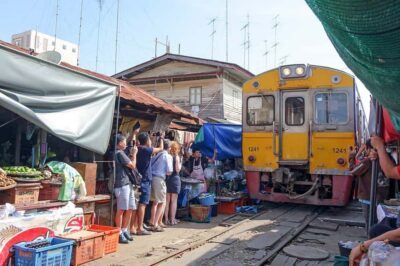

Floating Market and Train Tour with Guide in Spanish and English
Read our review →
Maeklong Railway & Floating Market Tour (Private & All-Inclusive)
Read our review →
Train & Floating Market Food Adventure + Scenic train ride
Read our review →Browse the lists this tour appears in