
Review · DEATH RAILWAY TOURS
River Kwai Bridge and Death Railway World War II Tour in Thailand
The most meaningful part of this day is not the bridge itself, but the chance to connect several World War II sites in Kanchanaburi. You’ll walk through the Kanchanaburi War Cemetery, see the River Kwai Bridge, and ride the railway that still follows part of the old Death Railway route.
I like the private air-conditioned van, which gives you a quieter ride than a large group bus, and I like that lunch, train fare, museum entry, snacks, and water are already covered. The main drawback is the long day from Bangkok, with roughly ten hours on the road and a schedule that leaves limited time for lingering at each stop.
Key points to know before booking
- Private transport from Bangkok: Your group travels in a private vehicle, with hotel service and an experienced guide.
- A serious historical visit: The cemetery, museum, bridge, and railway tell different parts of the same wartime story.
- One hour on the Death Railway: The train passes along the old route toward Krasae Cave, with countryside views along the river.
- Lunch is included: You receive a Thai meal at a restaurant, along with snacks and two bottles of mineral water per person.
- Minimum of two people: This is not a solo departure. The activity operates with at least two participants.
- A full, demanding day: The experience lasts about ten hours and requires a moderate level of physical fitness.
Why this Kanchanaburi day trip matters
Kanchanaburi is about more than a famous railway bridge. During World War II, prisoners of war and Asian civilian laborers were forced to build the Thai-Burmese railway under severe conditions. The project crossed difficult country and cost many lives.
This tour works because it brings the story together in stages. The cemetery shows the human cost. The museum provides background. The bridge gives you a physical point of reference. The train ride then lets you follow part of the route through the countryside.
I appreciate that order. You are not simply taken to a photo stop, given a few minutes, and sent back to Bangkok. The day has a clear historical thread, even though the schedule is brisk.
The private format also changes the feel of the outing. You travel only with your own group, rather than joining a large coach party. That usually makes it easier to ask questions, adjust your pace slightly, or spend a little more time at a place that matters to you. Still, the listed timing is fairly firm, especially around the train.
More Death Railway Tours in Bangkok:
- From Bangkok: Death Railway & Hellfire Pass Tour with Lunch
★ 4.6 · 931 reviews - Bridge on the River Kwai and Thailand-Burma Railway Tour
★ 4.5 · 658 reviews - Bridge on the River Kwai and Thailand-Burma Railway Guided Tour
★ 4.5 · 353 reviews
The Kanchanaburi War Cemetery and its quiet first impression
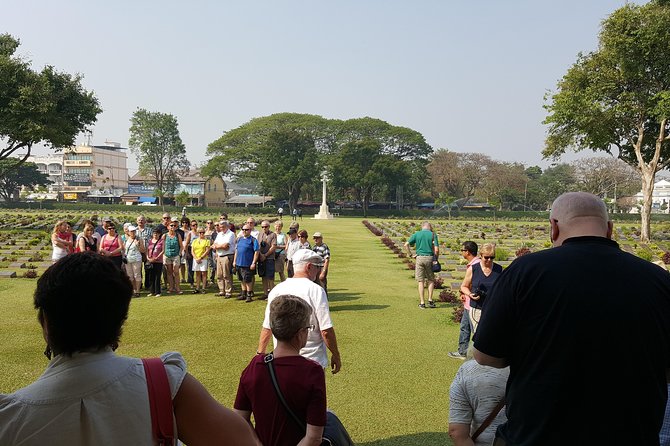
The first stop is Kanchanaburi War Cemetery, where 6,892 prisoners of war are buried. Admission is free, and you have about 30 minutes here.
This is the right place to begin. The neat rows of graves are quiet and direct, without the noise and spectacle of a major attraction. You can pause, read names, and understand that the railway story is also a story about individual people.
Thirty minutes is enough for a respectful visit, but not for a slow examination of every section. If you want to spend a long time reading inscriptions, you may feel pressed. I suggest keeping your expectations realistic and using this stop to set the tone for the rest of the day.
Wear comfortable shoes and bring water, even though two bottles per person are included. The tour involves walking at several stops, and the heat in Thailand can make short walks feel longer.
The JEATH War Museum adds the hard details
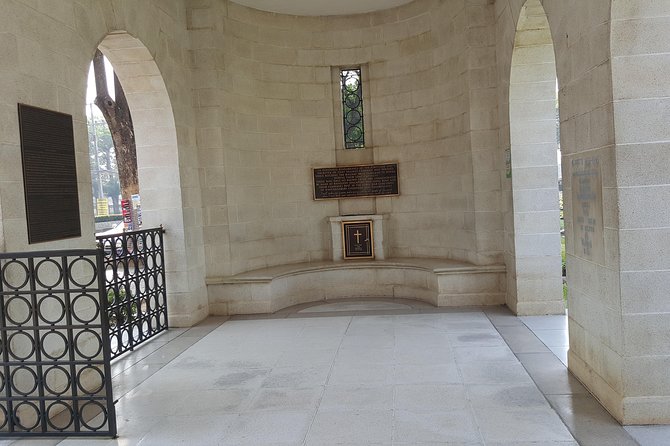
The JEATH War Museum follows, with about 40 minutes inside. Entry is included.
The museum focuses on the construction of the Thai-Burmese railway and the lives of the prisoners of war who built it. This stop gives context that the bridge alone cannot provide. The railway was not a simple engineering project. It was built through difficult terrain by people who were poorly fed, badly treated, and forced to work under harsh conditions.
The museum visit is fairly short, so I would not expect a large museum experience with time for every display. Instead, think of it as a concentrated introduction before the bridge and train ride.
The subject matter is grim. That is appropriate here, but it may feel heavy, especially when combined with the cemetery and later railway visit. The tour is best for people who want historical context rather than a light sightseeing day.
The River Kwai Bridge is more than a photo stop
At the River Kwai Bridge, you have about 30 minutes, with no separate admission charge.
The bridge you see today is a reconstruction maintained by the Thai government as a memorial to the World War II period. It is one of Kanchanaburi’s best-known sights, and it naturally attracts people who want a photograph.
The useful thing is to look beyond the picture. The bridge represents one part of a much longer railway built from Kanchanaburi toward the Burmese border. The project required enormous labor, and the bridge became a lasting symbol of that suffering.
Thirty minutes gives you time to see the bridge and take photographs, but not much more. If you want an extended walk or a long period beside the river, this tour may feel too structured. On the other hand, the short stop helps keep the day moving toward the train, which is one of the strongest parts of the experience.
More Train Journeys in Bangkok:
- Day Trip to Bangkok Floating Market & Maeklong Railway
★ 5.0 · 1,528 reviews - Bangkok: Railway and Floating Market Tour with Dragon Temple
★ 4.6 · 1,225 reviews - Private Excursion to Maeklong Railway and Floating Markets
★ 5.0 · 850 reviews - From Bangkok: Railway & Damnoen Saduak Floating Market Tour
★ 4.6 · 775 reviews
The one-hour Death Railway ride puts you on the route
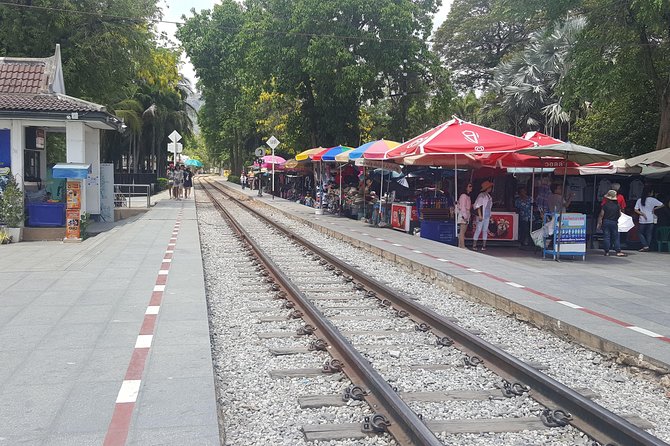
The train ride begins in Kanchanaburi and follows the old railway from the River Kwai Bridge area toward Krasae Cave. The ride lasts about one hour, and the ticket is included.
This is the moment when the history becomes physical. You are no longer only looking at photographs, graves, and displays. You are moving along a section of railway that was built beside the river and around steep ground.
The ride also offers pleasant countryside views. That contrast can feel strange at first. You may admire the scenery while thinking about the conditions under which the railway was made. The tour makes that contrast part of the experience rather than hiding it.
The train is not a luxury excursion. You should think of it as a working railway ride with historical importance. Delays or changes to train operations could affect the schedule, though no specific delay policy is provided. Keep your phone or camera ready, but give yourself time to look outside rather than watching the whole ride through a screen.
The train ride is also one reason the tour costs more than a basic bridge visit. Transport, ticketing, and coordination are handled for you, and you get to see a section of the route that is difficult to appreciate from a roadside viewpoint.
Krasae Bridge gives you the most striking view
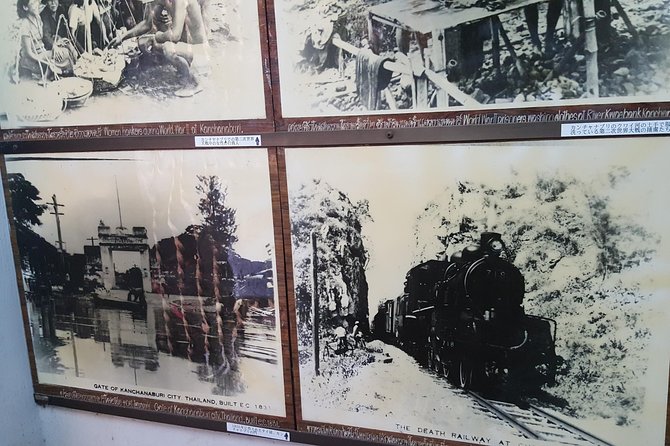
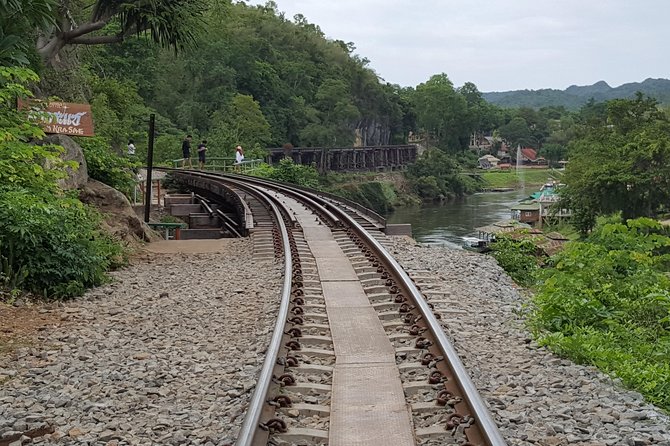
The Tham Kra Sae section is known for a sharp curve in the railway, with the track running beside the river and along the side of the mountain. You have about 30 minutes here.
This is likely to be the most visually memorable stop. The railway seems exposed against the rock and water, making it easy to understand how demanding the route was to build. The setting is attractive, but the structure itself also carries the weight of the railway’s wartime past.
Take care with your footing and follow the guide’s instructions. The tour description calls this a dangerous bridge, so it is not a place for careless wandering or rushed photographs. A moderate level of physical fitness is required for the day, and this stop is one reason why.
The time allowance is short but useful. You can see the bridge, take photographs, and absorb the setting before visiting the nearby cave. If you are uncomfortable with heights or uneven ground, tell your guide early.
Tham Krasae Cave adds a different kind of history
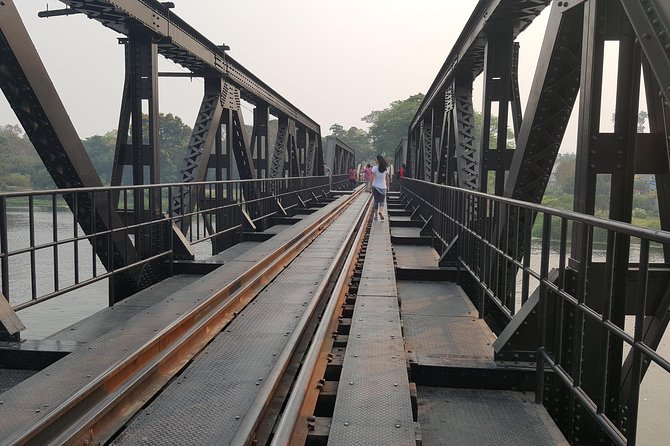
Near the railway bridge is Tham Krasae Cave, a Buddhist cave used by monks for meditation and retreat. A large Buddha is inside, and the visit lasts about 30 minutes.
This stop changes the mood again. The cemetery and museum focus on war, while the cave reflects a living religious tradition. It gives the day a broader sense of place, showing that Kanchanaburi is not defined only by its wartime past.
You should dress and behave respectfully in the cave. The visit is not presented as a long religious lesson, but your guide can help explain what you are seeing.
The cave is listed as a separate stop from the bridge, though both are close to the Death Railway section. That means the final part of the tour involves several connected sights rather than long drives between them.
Lunch keeps the long day manageable
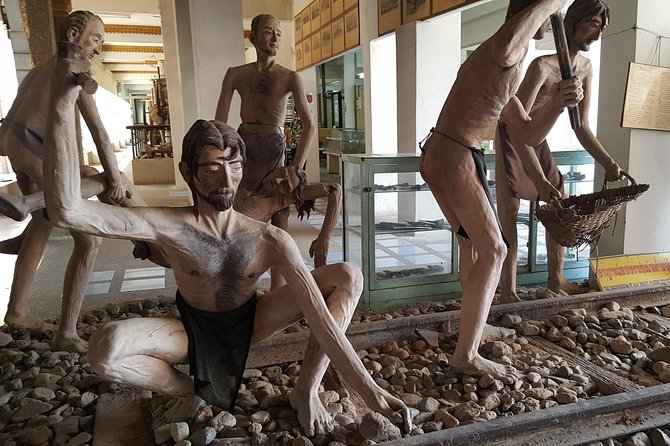
Lunch is included at a local Thai restaurant, with one hour set aside. Snacks, drinks, and two bottles of mineral water per person are also included.
This is a useful inclusion on a ten-hour outing. You do not need to search for a restaurant between the train and the afternoon stops, and you can sit down properly rather than making do with a quick sandwich. Soft drinks and personal purchases cost extra.
The quality of the meal can affect how you feel about the entire day. The available information points to a restaurant meal rather than a basic packed lunch, but exact dishes are not specified. If you have food allergies or special dietary needs, ask the operator before booking.
What the private vehicle and guide add
This is a private activity with pickup and return service from the listed meeting point at Terminal 21 Asok. The private format is particularly useful because Bangkok traffic can make a long day feel even longer. Having your own vehicle gives you more space and avoids the stop-and-start process of collecting a large bus group.
The guides are described as professional and trained through the Tourism Authority of Thailand. One guide named Mike is specifically associated with excellent English and strong explanations of the area. Your guide may be someone else, so treat Mike’s involvement as a possibility rather than a guarantee.
A good guide matters here. The physical sights are easy to identify, but the meaning of the cemetery, railway, and bridge is harder to grasp without explanation. The strongest part of the guiding should be the connection between the stops, not just a list of dates.
One note deserves attention: an account of the service included a stop at an elephant sanctuary. That stop is not part of the stated schedule, so do not book this tour expecting it. Ask the operator directly if an animal sanctuary visit is important to you.
Is $179.49 a fair price?
At $179.49 per person, this is not the cheapest Kanchanaburi day trip from Bangkok. The price makes more sense if you value private transport, a dedicated guide, included tickets, and a proper restaurant lunch.
You are paying for a full-day outing that combines several admission-free sights with the JEATH Museum and Death Railway train fare. You also avoid arranging a separate taxi, train ticket, museum entry, and lunch on your own.
A cheaper group tour may work better if your main goal is simply to see the bridge. This private tour is a better fit if you want the history explained, prefer an air-conditioned vehicle, and dislike being moved around in a large group.
The tour is booked on average 51 days ahead, which suggests that planning early is sensible. The operator requires at least two people, so solo visitors cannot rely on this departure unless they arrange a second participant.
Who will enjoy this day most?
I would recommend this experience to you if you want:
- A serious World War II history day outside Bangkok
- Private transport rather than a large coach
- A guide who can explain the sites in English
- A train ride with countryside views
- Lunch and major tickets included in one price
- A structured day with several related stops
It is less suitable if you want a slow, flexible day or dislike spending much of your time in transit. The ten-hour duration is substantial, and the cemetery and museum may feel emotionally heavy.
Families with older children may find the railway and bridge memorable, but the wartime subject matter calls for some preparation. The tour requires moderate physical fitness, and the bridge and cave area may not suit anyone who has trouble with uneven or exposed places.
Free cancellation is available up to 24 hours before the start time. A late cancellation is not refunded, and poor weather or failure to reach the minimum group size can lead to a rescheduled date or full refund.
Should you book this River Kwai tour?
Book it if you want Kanchanaburi explained as a connected historical story, not reduced to a quick photograph at the bridge. The one-hour Death Railway ride, private van, included lunch, and guide support give the day real value at a higher price.
Skip it if you only want the bridge or prefer to arrange every stop independently. For most visitors with one free day from Bangkok, though, this is a practical and thoughtful way to see the cemetery, museum, bridge, railway, and Krasae Cave in one outing. Just prepare for a long day, confirm the pickup details, and remember that the elephant sanctuary is not part of the published route.
FAQ
How long does the River Kwai tour last?
The tour lasts approximately 10 hours, including transport from Bangkok, the historical stops, lunch, the train ride, and the return to the meeting point.
Is this a private tour?
Yes. Only your group participates, and private transport is provided from and back to the listed meeting point.
Where does the tour start and end?
The stated meeting point is Terminal 21 Asok at 88 Soi Sukhumvit 19 in Bangkok. The activity ends back at the meeting point.
Is lunch included?
Yes. Lunch with Thai food at a restaurant is included. Snacks, drinks, and two bottles of mineral water per person are also provided. Soft drinks and personal expenses are not included.
Are the train and museum tickets included?
Yes. The Death Railway train ride and JEATH War Museum admission are included in the tour price.
Can I cancel for a full refund?
You can cancel at least 24 hours before the experience start time for a full refund. Cancellations or changes made less than 24 hours before the start are not accepted for a refund.
Just added for rail travellers in Bangkok
- Small Group: Kanchanaburi Death Railway, Erawan Waterfall and Elephant★ 4.0 · 3 reviews
- Train trip death railway Bridge on river Kwai from Bangkok to Kanchanaburi trip★ 4.0 · 17 reviews
- Historic Kanchanaburi: Train, Boat & Skywalk + Lunch From Bangkok★ 4.5 · 3 reviews
- Historic Kanchanaburi:Train, Boat, Skywalk from Bangkok(No Lunch)★ 5.0 · 2 reviews
- Maeklong & Damnoen Saduak Markets: Railway & Floating Market Tour★ 4.0 · 17 reviews
- Bangkok: Railway and Floating Market Tour + Dragon Temple★ 4.5 · 9 reviews
- Private tour : Railway & Floating Market and the Bridge over river Kwae★ 5.0 · 2 reviews
- Private Historic River Kwai Death Railway, War Cemetery and Hellfire Pass Tour★ 4.5 · 12 reviews
Death Railway Tours, compared.
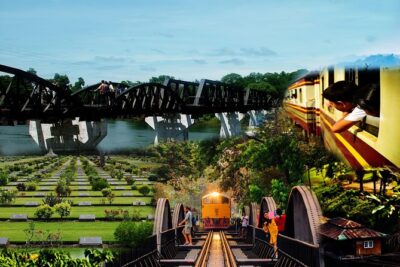
Bridge on the River Kwai and Thailand-Burma Railway Guided Tour
Read our review →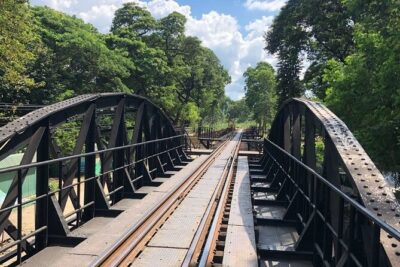
Bridge over River Kwai and Hellfire Pass Tour with Train Ride
Read our review →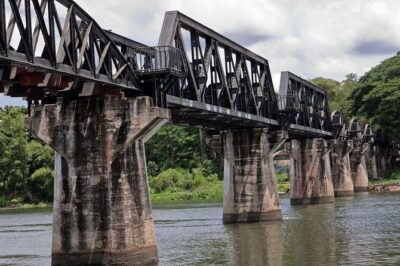
Private Tour: Thai–Burma Death Railway Bridge on the River Kwai from Bangkok
Read our review →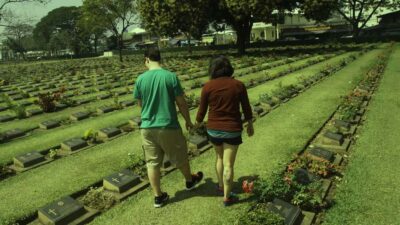
Death Railway & River Kwai Bridge Private Tour
Read our review →
Private Tour: Death Railway, Hellfire Pass and Erawan Waterfall
Read our review →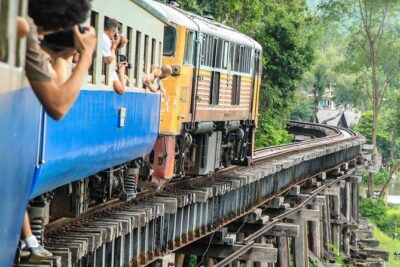
Bridge on the River Kwai and Thailand-Burma Railway Tour
Read our review →
Erawan Waterfalls-Death Railway & River Kwai Tour
Read our review →Browse the lists this tour appears in