
Review · SLEEPER AND OVERNIGHT TRAINS
13 Day Classic Tibet Tour on Flight and Soft Sleeper Train
The most remarkable part of this 13-day Tibet route is its range. You do not simply fly into Lhasa, see the Potala Palace, and leave. You reach Tibet by soft sleeper train, travel through Nyingchi’s forests and lakes, cross high mountain passes, and continue to Everest Base Camp and Namtso Lake.
I like the small group of no more than 10, the central four-star hotels, and the fact that the Tibet Travel Permit, transport, attraction tickets, oxygen for the Everest section, and 11 breakfasts are arranged. The main caution is the pace: long drives, rough roads, thin air, and several nights at very high elevations make this a demanding trip, even with good planning.
Key points at a glance
- Soft sleeper arrival: Fly from Chengdu to Xining, then take the Qinghai-Tibet Railway to Lhasa, a scenic and practical way to gain altitude gradually.
- Major sights in one trip: Potala Palace, Jokhang Temple, Barkhor Street, Yamdrok Lake, Karola Glacier, Shigatse, Everest Base Camp, Tashilunpo Monastery, and Namtso Lake are all included.
- Eastern Tibet first: Basomtso Lake, Nyingchi, Namtso Mountain, Lulang Forest, and Kadanggou Waterfall add a greener side of Tibet before the high plateau.
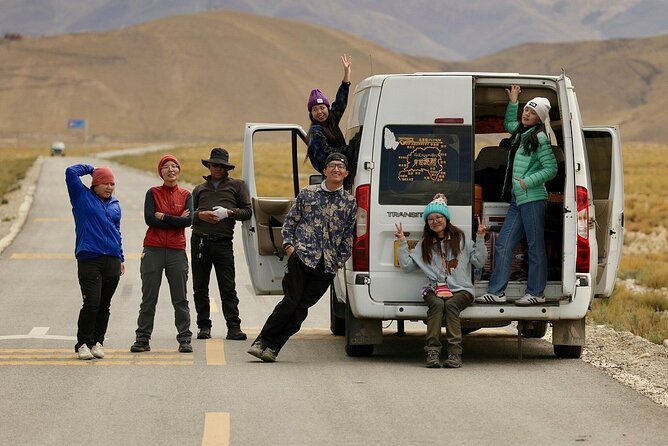
- Small-group format: The tour has a maximum of 10 participants, with a VIP setup that aims to leave more than 30 percent of seats empty.
- Useful high-altitude support: Oxygen is provided during the Everest Base Camp section, and winter trips include a hot water bottle and sleeping bag.
- Strong package value: At $2,030 per person, the price includes hotels, transport, permits, breakfasts, listed admissions, insurance, flights within the route, and the train segment.
Why this route gives you more than a Lhasa stop
Many Tibet trips focus on Lhasa and one western road journey. This one adds Nyingchi in eastern Tibet, then loops west toward Shigatse and Everest. That makes the journey feel varied: forest, river valleys, sacred cities, glaciers, grassland, and high mountain country.
You start with a flight into Chengdu and spend the first night there. The next day, you fly to Xining and board the Qinghai-Tibet Railway. Depending on the final train assignment, the departure may be on one of several listed services, including Z8991, Y971, or Z22.
The train is not just a transfer. It gives you a softer introduction to the altitude than flying directly to Lhasa. You sleep in a soft sleeper compartment, then meet your guide at Lhasa station or the arrival point and go directly to your hotel. The first Lhasa day is intentionally quiet. I would follow that advice closely and avoid turning arrival day into a sightseeing contest.
More Sleeper Trains in China:
- Egypt on Budget – 8 Days ( Cairo , Aswan , Nile Cruise – Luxor ) Sleeper Train
★ 4.5 · 121 reviews - From Hanoi: 2-Day 2-Night Sapa Tour by Overnight Train
★ 4.4 · 96 reviews - Sapa: 3-Day, 3-Night Trek and Hotel with Overnight Train
★ 4.2 · 64 reviews
Days 1 to 3: Chengdu, Xining, and the Qinghai-Tibet Railway
Day one is simple. You arrive at Chengdu Tianfu International Airport and check into the Tianfu International Hotel. No sightseeing is listed, so use this night to rest, organize your luggage, and prepare for an early flight.
On day two, the reference flight leaves Chengdu at 9:10 a.m. and reaches Caojiabao Airport in Xining at 10:40 a.m. You then transfer to the railway for the overnight journey toward Lhasa. Exact train details can vary, so keep your schedule flexible.
The soft sleeper is an important part of the trip. It offers a bed rather than a regular seat, which matters on an overnight high-altitude train. You will still want warm layers, water, basic snacks, and any medication you normally use. The train ride is part of the experience, but it is not a luxury rail holiday.
Day three brings you to Lhasa and your arranged hotel. The most useful thing you can do is rest. Lhasa sits at a very high elevation, and even fit people can feel headache, tiredness, or shortness of breath. The itinerary gives you a quiet arrival rather than forcing a major visit on your first afternoon.
Day 4: Potala Palace, Jokhang Temple, and Barkhor Street
Your first full sightseeing day is built around Lhasa’s three essential stops.
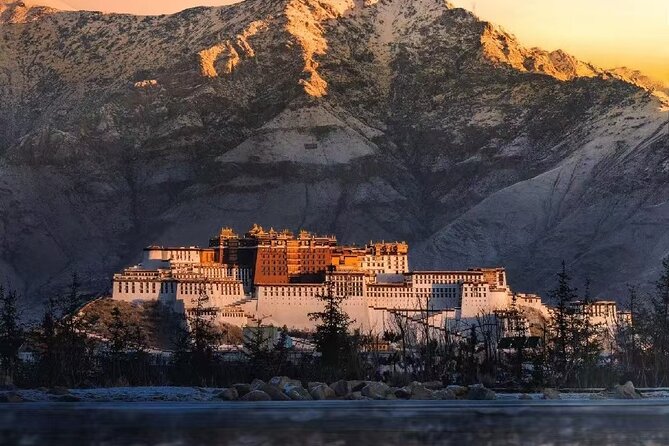
The Potala Palace takes the morning. This immense palace complex was the residence of the Dalai Lamas and a center of Tibetan political and religious authority. You should expect stairs, high rooms, and a steady walking pace. The visit is about the building itself, its religious role, and the commanding view over Lhasa.
In the afternoon, you visit Jokhang Temple. It is one of the most sacred Buddhist sites in Tibet, and its design brings together Tibetan, Tang, Nepalese, and Indian influences. The setting feels more intimate than the Potala Palace, with worshippers and ritual activity giving the visit a different tone.
You then have time around Barkhor Street. Walk clockwise around Jokhang Temple, browse the handicraft market, or simply sit and watch the flow of pilgrims. I like this open time because it gives you a chance to experience Lhasa without being moved from one ticketed sight to the next.
Your hotel is described as a standard four-star property in the city center, generally within 1 to 3 kilometers of the Potala Palace and Jokhang Temple. That location should make rest breaks and short local trips easier.
Days 5 to 7: Basomtso, Nyingchi, and Lulang Forest
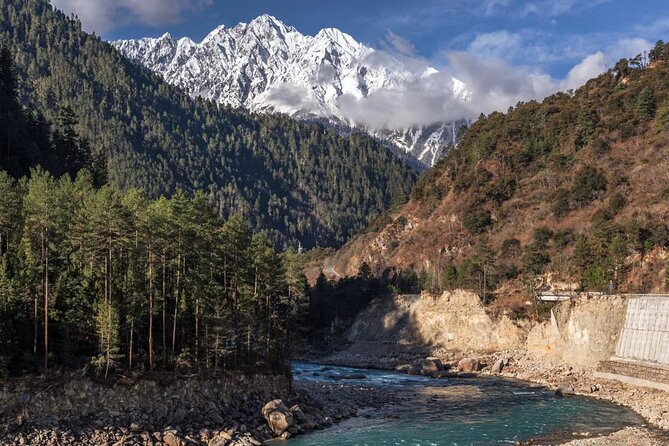
The route changes character on day five. You leave Lhasa by road and travel east along the Nyang River toward Basomtso Lake in Gongbujiangda County. The road crosses Mila Mountain Pass at about 5,013 meters before descending toward the lake.
Basomtso gives you water, forest, and mountain scenery after the stone streets of Lhasa. The itinerary allows about three hours at the lake, followed by a drive to Nyingchi County. The total day is substantial, and you should be ready for time in the vehicle.
Nyingchi is described as the Throne of the Sun. The appeal here is the Nyang River Valley and the surrounding forests. This eastern portion can feel less stark than the high western plateau, with more trees and changing colors along the road.
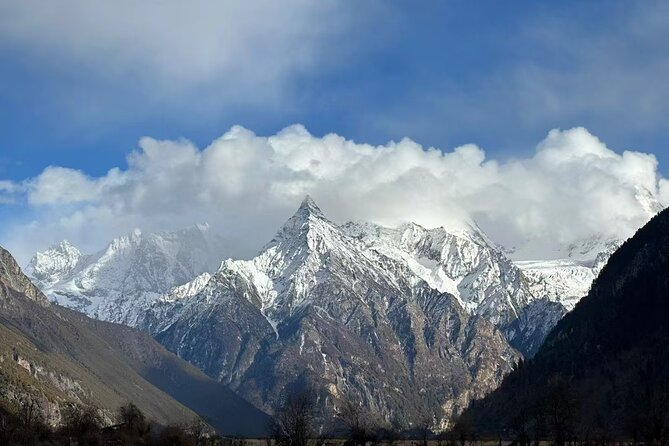
On day six, you drive from Nyingchi toward Lulang, about 100 kilometers and roughly two hours according to the schedule. You cross Segrila Mountain at around 4,515 meters and visit Nnamjagbarwa Mountain. Clear weather is important for mountain views, so keep your expectations flexible.
Lulang Forest follows. The name refers to a place where gods reside, and the area is presented as a peaceful forest and pasture setting. You descend to Lulang Pasture, where the surroundings shift from high pass to open grazing country.
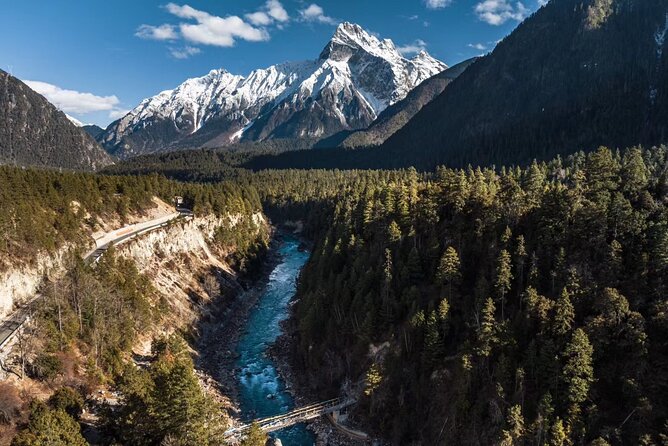
Day seven takes you to Kadanggou Waterfall, also called Heavenly Buddha Waterfall. The setting includes deep valleys, steep mountains, and primitive forest. This stop gives the eastern section a stronger nature focus, but the three-hour visit and six-hour overall stop block do not mean an easy day. Roads, altitude, and time in the vehicle remain part of the challenge.
More Train Journeys in China:
- Suzhou Private Day Trip from Shanghai with Bullet Train Option
★ 5.0 · 366 reviews - Private Day Tour: Suzhou Incredible Highlights from Shanghai by Car or Train
★ 5.0 · 47 reviews - Beijing to Datong See YunGang Cave, Hanging Temple (Bullet Train)
★ 5.0 · 39 reviews - Beijing to Xi’an Terracotta Tour by Roundtrip Bullet Train
★ 4.8 · 13 reviews
Day 8: Yamdrok Lake, Karola Glacier, and Shigatse
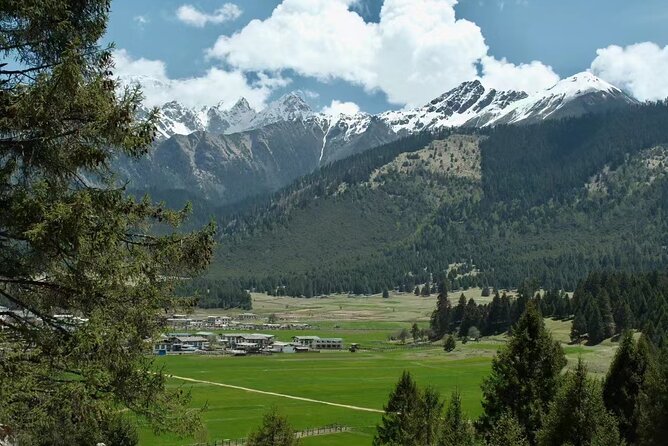
Day eight is one of the visual highlights. You pass the green farmland of the Nyangchu Valley before reaching Yamdrok Lake. The lake is one of Tibet’s best-known high-altitude sights, with broad blue water surrounded by mountain ridges.
You also pass the Karola Glacier roadside at about 4,960 meters. This is a quick roadside encounter rather than a long glacier hike. That is good news for altitude management, but it also means you should be ready to enjoy the view without expecting a lengthy walk.
The route continues to Shigatse, Tibet’s second-largest city and an important religious center associated with the Panchen Lama. This day joins several major sights with a long transfer, so carry water and keep lunch plans flexible. Lunches and dinners are not included, although the guide can suggest restaurants.
Days 9 and 10: The rough road to Everest Base Camp
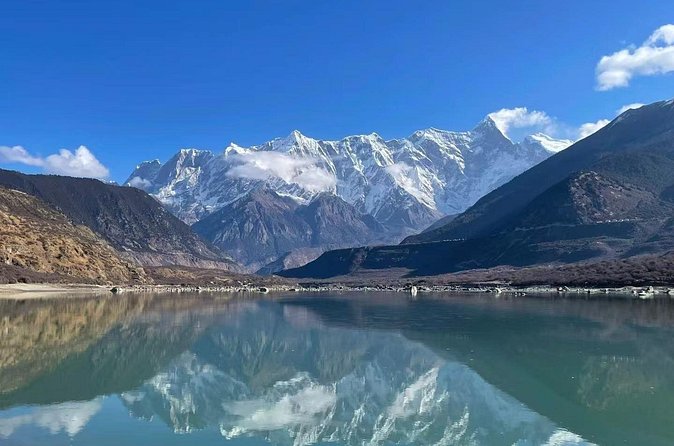
The approach to Everest is the toughest part of the tour. You drive west toward Tingri along the Friendship Highway, then continue toward Rongbuk. The route includes about 90 kilometers of bumpy road, with construction noted in the schedule.
From Tingri to the Qomolangma National Nature Preserve, expect rough conditions, open grassland, rivers, and high mountains. In clear weather, you may see several peaks above 8,000 meters. Weather is a real factor here. A cloud-covered Everest is possible, so the experience depends partly on conditions beyond anyone’s control.
Day nine takes you toward the Everest area, with Tingri used as a stop along the route. Day ten begins early for sunrise views from Rongbuk and a closer look at Mount Everest. You then walk to a transfer point and take a local bus for about half an hour to Everest Base Camp.
The schedule allows about three hours at the preserve on each of these days, but the entire section involves long road transfers. Oxygen is provided while traveling to Everest Base Camp. Winter departures also include a hot water bottle and sleeping bag, a useful provision in a cold, exposed area.
This is not the right trip if you need smooth roads, leisurely mornings, or guaranteed weather. It is a good fit if you accept discomfort as part of reaching one of the world’s most famous mountain viewpoints.
Days 11 and 12: Tashilunpo Monastery and Namtso Lake
After the Everest section, you return through Tingri and Shigatse. Day eleven includes Tashilunpo Monastery, the largest monastery in western Tibet. It is an important final historic stop before returning to Lhasa, and the visit helps connect the mountain scenery with Tibet’s living religious traditions.
The schedule describes about four hours of driving back toward Lhasa from Shigatse. That makes day eleven another long road day, even though the monastery visit gives it a clear focus.
Day twelve takes you north from Lhasa to Namtso Lake. You drive through the grasslands of northern Tibet, pass prayer flags, and follow the Qinghai-Tibet Highway. The route crosses a pass listed at about 5,190 meters, so this may be one of the highest points of the entire trip.
Namtso is a fitting final nature stop. After forests in Nyingchi, glaciers near Yamdrok, and Everest’s rough approach, you get a broad high-altitude lake and open grassland. The day is listed as about six hours, but road conditions and stops can affect the actual timing.
What the $2,030 price really covers
At $2,030 per person, this is not a budget independent trip, but the price covers many costly and complicated pieces. Included are round-trip air travel within the route, the Qinghai-Tibet Railway soft sleeper, four-star hotels, ground transport, attraction tickets, the Tibet Travel Permit, tourist accident insurance, breakfasts, and oxygen for the Everest section.
A Tibetan welcome dinner, bottled water, oxygen bottles, and a Potala Palace photo session are also listed as gifts or added benefits. These extras are pleasant, but the real value comes from permit handling and transport planning. Tibet travel requires more coordination than a standard China city break, and having a local agency arrange the route reduces the number of pieces you must manage yourself.
There are clear extra costs. Lunches and dinners are not included, international transport is not included, and a single-room supplement is about $25 per day. The early booking plan may reduce the price, and group bookings may receive additional discounts.
I would compare the final price after checking your room needs and meal budget. For a solo visitor who wants a private room, the supplement can add a noticeable amount over 13 days. For two people sharing, the base rate looks stronger because the major transport and permit costs are already bundled.
Group size, comfort, and physical demands
The maximum group size is 10, and the tour describes a VIP arrangement with more than 30 percent of seats left empty. That matters on long road days. A little extra room can make rough stretches from Tingri to Rongbuk easier.
The tour requires moderate physical fitness. You need to manage stairs at the Potala Palace, walking at Jokhang Temple and the monasteries, repeated vehicle transfers, high passes, and possible cold at Everest. The trip is not presented as an easy sightseeing holiday.
One useful sign is that a similar 11-day route was completed by a group whose members were in their 60s and 70s. That does not remove the altitude risk, but it suggests the pace can work for older people who are in reasonable condition and follow the guide’s instructions. I would still discuss the elevation and road conditions with your doctor before booking.
There is an exclusive team doctor mentioned among the tour’s service features, but the supplied information does not explain the doctor’s schedule or medical role. Treat that as extra support, not a substitute for your own preparation.
Practical details before you reserve
Pickup is offered from Chengdu Airport, and confirmation is received at booking. The meeting point is Chengdu Airport in China, with operating hours listed every day from midnight to 11:30 p.m.
The tour operates from November 20, 2024, through December 9, 2026, according to the provided schedule. Your final flight from Lhasa to Chengdu is listed as Sichuan Airlines flight 3U6683, departing at 6:30 p.m. and arriving at 8:55 p.m., with about one hour of driving from Lhasa to Gonggar Airport.
Bring layers, comfortable walking shoes, personal medicine, and a way to keep water close. The tour provides bottled water and oxygen in the Everest section, but you should not rely on included supplies for every personal need.
The cancellation terms are strict near departure: a full refund requires cancellation at least six full days ahead, a 50 percent refund applies two to six days before departure, and there is no refund within two days. The tour also needs a minimum number of participants, so confirm the departure status before making nonrefundable arrangements.
Should you book this Tibet tour?
I would book this trip if you want one organized route that combines Lhasa’s sacred sites, eastern Tibet’s forests, the Everest road, and Namtso Lake. The soft sleeper train, permit support, small group, central hotels, and included transport make the $2,030 price reasonable for a packaged Tibet journey.
I would not choose it if you prefer slow travel, smooth roads, independent meal planning, or guaranteed mountain views. The schedule is full, the Everest road is rough, and altitude affects everyone differently.
For the best fit, book early, ask for the exact train and hotel names, confirm the room supplement, and request a clear day-by-day meal plan. If you accept the long drives and prepare carefully for altitude, this route gives you a broad and memorable look at Tibet without requiring you to arrange its difficult logistics yourself.
FAQ
Where does the tour begin?
The tour begins with pickup at Chengdu Tianfu International Airport in Chengdu, China.
How long does the tour last?
The tour lasts approximately 13 days.
What is the maximum group size?
The maximum group size is 10 travelers.
Does the tour include the Tibet Travel Permit?
Yes. The Tibet Travel Permit is included.
How do I reach Lhasa?
You fly from Chengdu to Xining, then take a soft sleeper train on the Qinghai-Tibet Railway to Lhasa.
Are flights included?
The route includes the listed Chengdu to Xining and Lhasa to Chengdu flights. International transportation is not included.
Are meals included?
Breakfast is included for 11 days, and a dinner is included. Lunches and most dinners are not included, though the guide can recommend places to eat.
Are hotels included?
Yes. Four-star hotels are included throughout the tour. A single-room supplement of about $25 per day applies if you do not share.
Is oxygen provided?
Oxygen is provided while traveling to Everest Base Camp. Winter departures also include a hot water bottle and sleeping bag for the Everest section.
What is the cancellation policy?
You receive a full refund if you cancel at least six full days before the start time. Cancellation two to six days ahead receives a 50 percent refund. Cancellations within two days are not refundable.
Just added for rail travellers in China
- 2 Days Tour of Xian & Beijing via Train: Terracotta Warriors & Great Wall★ 5.0 · 6 reviews
- Bullet Train Private Tour: Beijing Tiananmen Square, Forbidden City & Great Wall★ 5.0 · 3 reviews
- Private Tour:Zhujiajiao Water Town, Shanghai Tower & Maglev Train★ 5.0 · 2 reviews
- 4-Hour Private Shanghai Modern Impression Tour with Tower and Maglev Train Ride★ 4.5 · 2 reviews
- Luoyang & Shaolin Temple Day Trip from Xian by High-speed Train★ 5.0 · 6 reviews
- Day Tour to Shenzhen from Hong Kong by High Speed Bullet Train★ 5.0 · 6 reviews
- Day Tour to Hong Kong from Guangzhou by Round-way Bullet Train★ 5.0 · 6 reviews
- Jade Dragon Snow Mountain Glacier Cableway with Scenic Train Tour★ 5.0 · 9 reviews
Sleeper and Overnight Trains, compared.
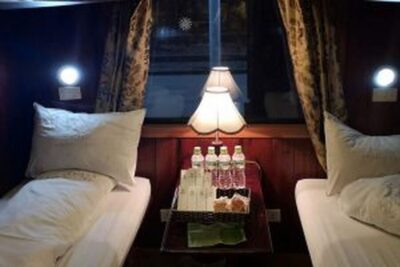
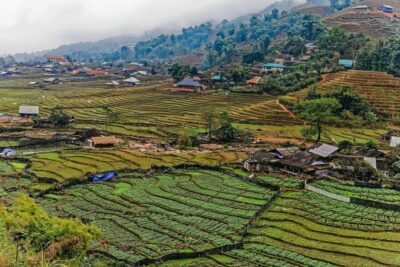
Sapa: 3-Day, 3-Night Trek and Hotel with Overnight Train
Read our review →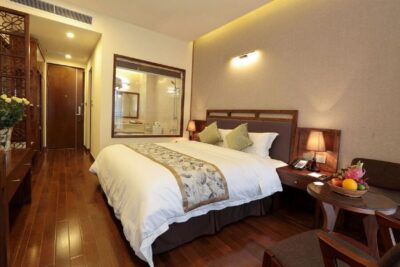
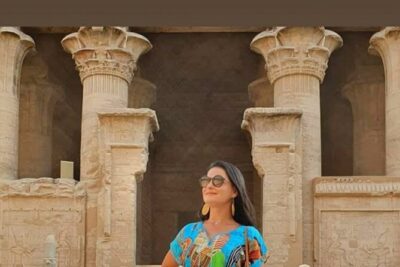
6- Days Aswan , Abu Simbel , Cruise , Luxor & Round Sleeper Train
Read our review →
Luxor East and West Banks Tour & Overnight SLEEPER Train Rounded trip
Read our review →
Luxor East and West Banks Tour by Overnight Sitting Train Rounded trip
Read our review →
Sa Pa Trekking 2 Days 3 Nights Homestay by Night Train
Read our review →
Browse the lists this tour appears in