
Review · SLEEPER AND OVERNIGHT TRAINS
2 Day Sapa-Bac Ha Market: Night Train& Homestay-Bus Ha Giang
Sapa is at its best on foot, and this trip puts you on village paths rather than keeping you in town. You walk from Cat Cat to Lao Chai and Ta Van, passing rice terraces, streams, homes, and mountain views below Fansipan. The overnight train from Hanoi also saves you a hotel night, though it is not the quietest start to a trip.
I like the local focus, especially the chance to spend the night in a Ta Van homestay and share a meal made with fresh food. I also like the route’s flexibility: you can return to Hanoi by sleeper bus, or continue toward Ha Giang for an extra charge.
The main drawback is the pace. You arrive at Lao Cai around 5 a.m., trek for much of the day, and sleep in a basic shared room with a public bathroom. This suits hikers who can handle an early start, not anyone seeking a polished hotel break.
Key points at a glance
- Overnight travel from Hanoi: Take a night train to Lao Cai, followed by a 40-kilometer transfer to Sapa. Return by sleeper bus or another booked transport option.
- Three village areas in one trek: Walk through Cat Cat, Lao Chai, and Ta Van, with a second-day route to Giang Ta Chai.
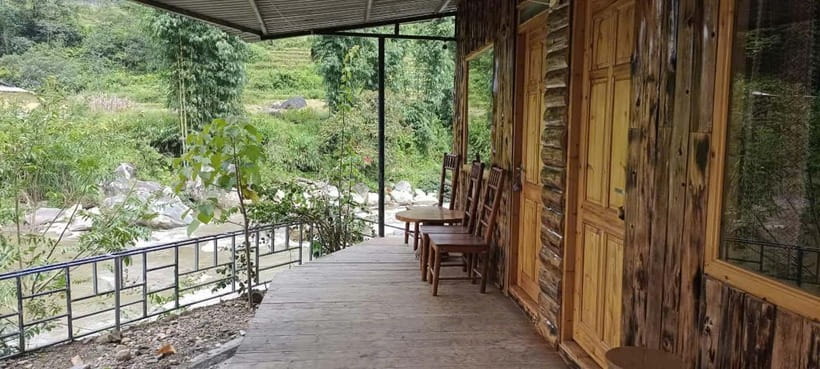
- A genuine homestay night: Sleep in Ta Van with a shared room or single mattress, simple facilities, clean water, and local food.
- Guides who add cultural detail: Guides such as Tung and Soa explain local customs and village life in English.
- Flexible onward travel: Pay an extra 300,000 Vietnamese dong per person to take a limousine or sleeper bus from Sapa to Ha Giang.
- Optional Bac Ha extension: Add a private car and guide for Bac Ha Market, Hoang A Tuong’s castle, and nearby Pho village.
The overnight train gets you close to the mountains
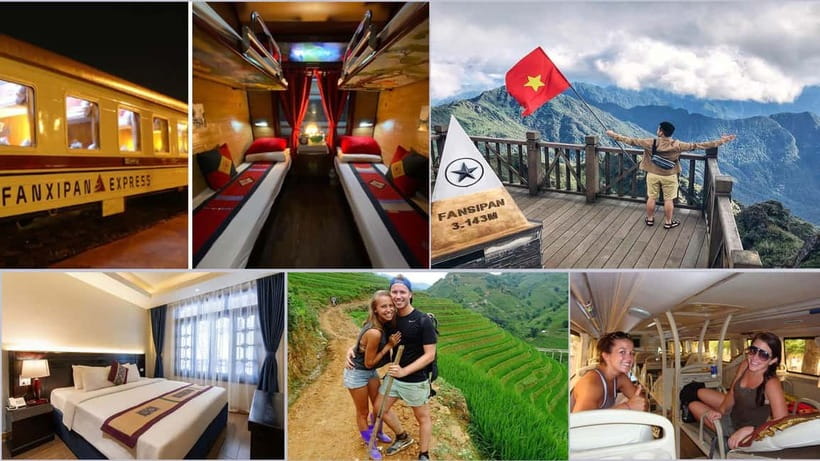
Your first evening begins at Hanoi Train Station, where you meet the local team for the train to Lao Cai. The scheduled SP services depart around 9:30 p.m., and you arrive near 5 a.m. The train is an old-style sleeper experience, more practical than luxurious. Think narrow bunks, limited space, and the usual challenge of sleeping while the carriage moves.
From Lao Cai, a driver takes you about 40 kilometers uphill to Sapa. That transfer matters because Lao Cai and Sapa are not the same place. Lao Cai is the railway town; Sapa is the mountain base where your walking route begins.
Once in Sapa, you can refresh and have breakfast at a hotel before the trek. This short pause is useful, but do not expect a full morning to recover. You have traveled overnight and will soon be walking on uneven paths, so pack a small day bag and keep your main luggage organized.
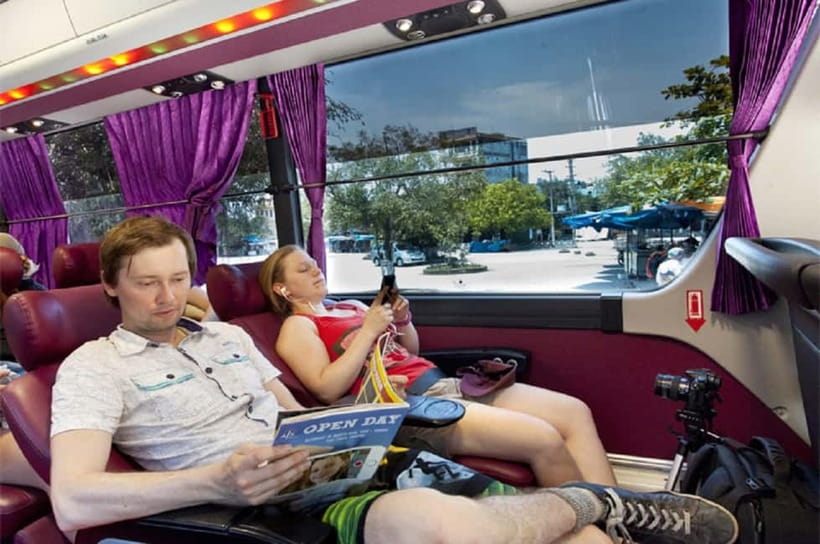
The transport plan can vary by the option you book. The stated program uses a night train for the outward journey and a sleeper bus for the return to Hanoi, with the bus leaving Sapa around 1:30 or 2 p.m. Confirm the exact train and return vehicle before departure.
More Sleeper Trains in Vietnam
- Sapa: 3-Day, 3-Night Trek and Hotel with Overnight Train
★ 4.2 · 64 reviews - From Hanoi: Sapa Hill Tribes 2-Day Tour by Overnight Train
★ 4.4 · 62 reviews - Sa Pa Trekking 2 Days 3 Nights Homestay by Night Train
★ 4.5 · 11 reviews
Cat Cat begins the first walking day
After breakfast, a local H’Mong guide leads you toward Cat Cat Village. The route is a strong introduction to the area because it combines village homes, mountain scenery, a waterfall, Muong Hoa Stream, and rice terraces.
Cat Cat is home to Black H’Mong people. You also see an old hydroelectric plant built during the French period and local schools. The stop gives you more than a photo point. It helps explain how settlement, water, farming, and outside influence have shaped life in the valley.
The paths are not described as difficult in a technical sense, but this is still a real trek. Wear shoes with a firm grip, not casual sandals. Sunglasses, sunscreen, and insect repellent are sensible additions. The route can feel tiring after the overnight journey, especially during warm weather.
A car collects you after the Cat Cat section and returns you to the hotel for lunch. This transfer breaks up the walking day and gives you a proper meal before the longer afternoon route.
Lao Chai and Ta Van show the valley at a slower pace
After lunch, you continue through Lao Chai toward Ta Van. Lao Chai sits beside the Muong Hoa Valley and stream, at the foot of Fansipan. The route is known for rice terraces, mountain views, cooking smoke rising from homes, and village paths that feel far removed from Sapa’s central streets.
This is the part of the trip I would value most if you want to see daily life rather than simply look at mountain scenery. A local guide can explain what you are seeing, including the communities connected with the villages. Guides Tung and Soa are named for their warm, personal approach, with Tung noted for his stories and Soa for sharing details of her culture openly.
The walking pace and route can change, since guides may adjust the path and the information says guides can vary by route. That is normal in a mountain area. You should expect a village trek, not a marked urban walking tour with fixed pavement.
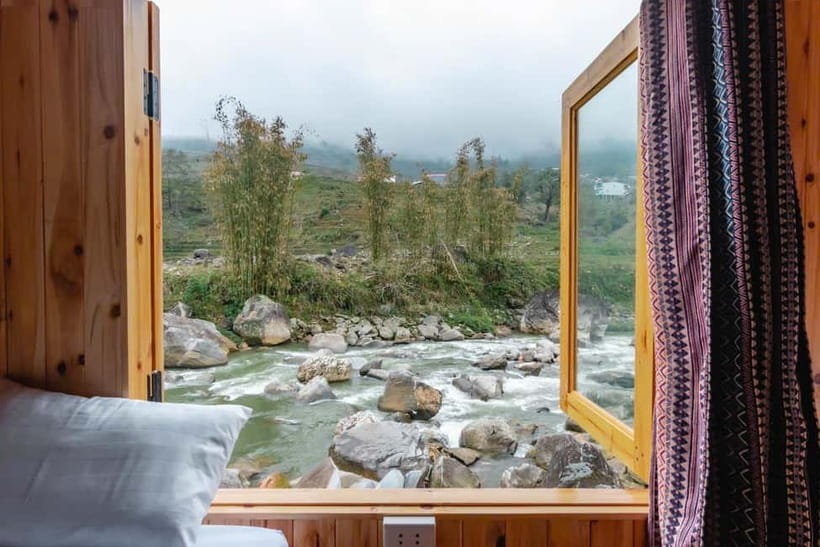
Ta Van is associated with the Giay people, also written as Zday in the tour information. You arrive in the afternoon and spend the night at a local homestay. The setting gives you a closer look at village life, but the facilities are basic. Accommodation is a shared room or a single mattress, with a public bathroom. A private room and single supplement cost extra.
What the Ta Van homestay is really like
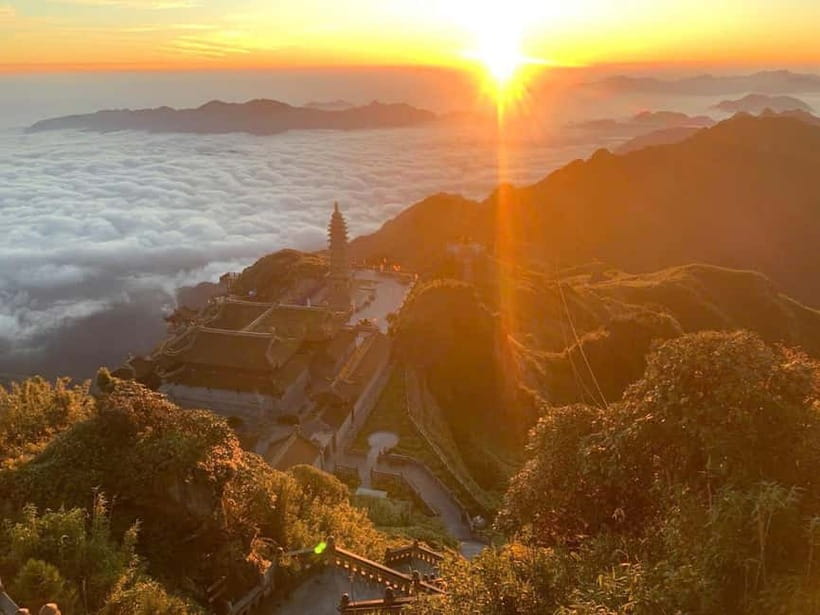
The homestay is one of the strongest reasons to choose this trip, but it helps to set the right expectations. You are not booking a resort with private facilities. You are staying in a simple home with clean water, fresh food, and shared sleeping arrangements.
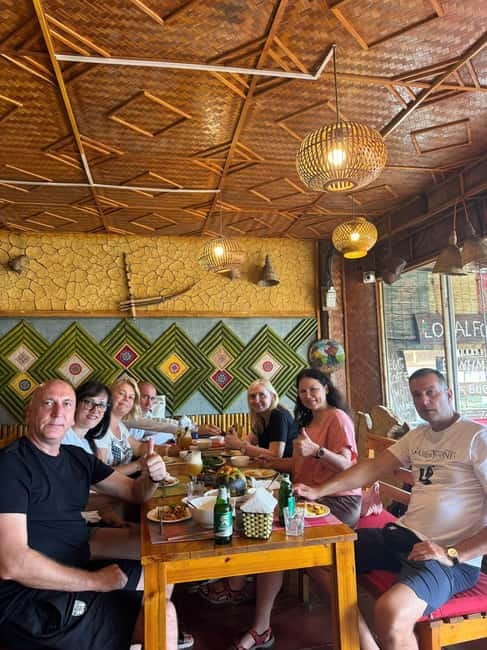
Dinner is included, which makes the evening easier after a long walk. The meal is part of the value here because it gives you time with the household and your group rather than sending you back to a separate hotel. Still, the information does not promise a private dining setting or a full list of dishes, so bring an open mind and do not expect restaurant service.
The overnight stay also creates the main comfort trade-off. The basic room may appeal to you if you want a closer connection to village life. If you need privacy, quiet, or a private bathroom, this is not the right accommodation unless a paid upgrade is available and confirmed.
Bring only what you need for the trek. Your larger luggage may be awkward on village paths, and a light bag makes the walking much easier. Keep cash, medication, a phone, and a change of clothes with you.
More Sleeper Trains in Hanoi:
- Private Overnight Train Hanoi To Sapa Or Return
★ 3.5 · 10 reviews - 3 Days Sapa Tour with Night Train from Hanoi
★ 4.5 · 8 reviews - Sapa Trekking Tour by Night Train from Hanoi 3 Nights – 2 days
★ 5.0 · 7 reviews - 2 days 3 Nights Sapa Trekking Tour by Night Train from Hanoi
★ 4.0 · 7 reviews
Giang Ta Chai adds forest and Red Dao culture
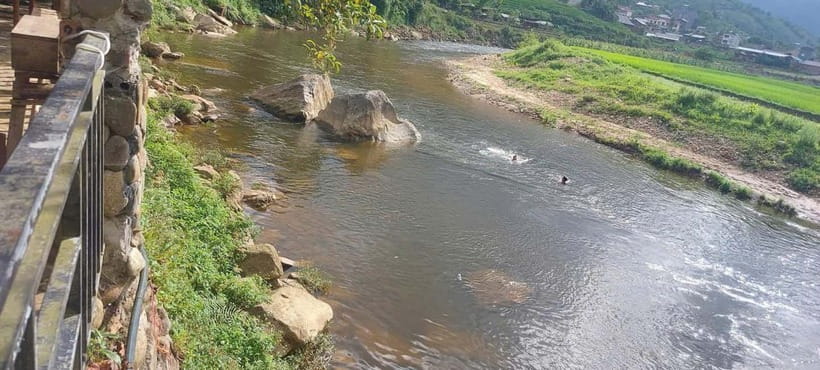
The second morning begins with breakfast before a medium-length trek from Ta Van to Giang Ta Chai. This route includes bamboo forest and views over the Muong Hoa Valley. Giang Ta Chai is linked with Red Dao, Giay, and Black H’Mong communities.
The second walk is shorter in spirit than the first day’s long route, but it still follows uneven mountain paths. After a night on a mattress and a full day of walking before it, you may feel the distance. Comfortable shoes matter more than fashionable ones.
A car collects you after the trek and takes you back to Sapa for lunch. This is the point where your plans split. You can return toward Hanoi by bus, continue to Ha Giang, or add the Bac Ha extension if your dates and booking option allow it.
The optional Bac Ha route is a separate three-day extension
Bac Ha is not part of the basic two-day Sapa program in the same way as the Ta Van homestay. It is an optional extension that takes you by private car and guide from Sapa to Bac Ha, a drive of about two hours. You check into a hotel there and have dinner.
The timing matters. Bac Ha Market is held on Sunday, so this extension works only when your schedule places you in Bac Ha on Sunday morning. If you visit on another day, you will not get the main market experience described here.
At the market, you can see people exchanging goods such as pigs, hens, souvenirs, and other products. Red H’Mong, Giay, Red Dao, and Tay communities take part, creating a colorful meeting point in the highlands. The appeal is not just shopping. It is the sight of a local trading place where people come to buy, sell, meet, and maintain community ties.
The private car and guide make this add-on more comfortable than trying to arrange the route yourself. The price of the optional extension is not stated in the supplied information, so ask for the full cost before booking. It includes a hotel in Bac Ha based on twin sharing, meals listed in the schedule, and entrance tickets for the included sights.
You also visit Hoang A Tuong’s castle, once the home of a H’Mong leader and his family. It offers a different view of local power and wealth from the village walks. Nearby Pho village provides a quieter walking stop, with a chance to see everyday life away from the market crowds.
After lunch, your car and guide take you to Lao Cai to catch the bus to Hanoi. The return journey includes two or three breaks and ends at 160 Tran Quang Khai Street, where you make your own way back to your hotel.
Continuing from Sapa to Ha Giang
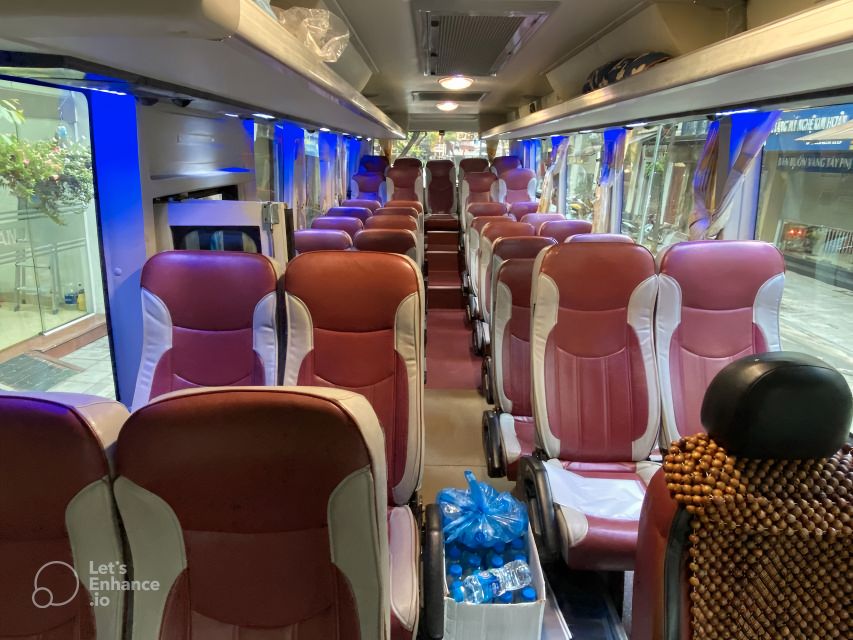
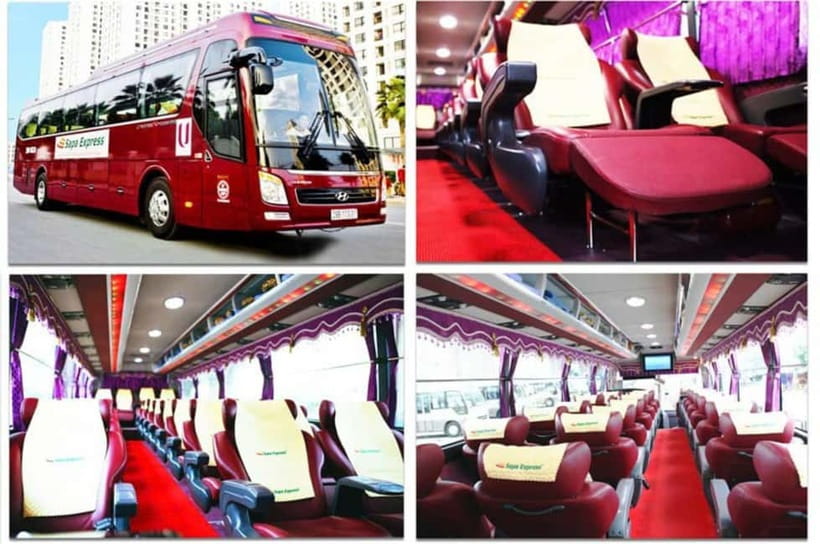
The tour information also gives you a useful option for linking northern Vietnam’s mountain areas. From Sapa, you can take a bus to Ha Giang, a trip of about six hours. This transport is not included in the $56 base price.
The 2:30 p.m. option is an 18-seat limousine bus from May Hotel. The later sleeper bus leaves around 7 or 7:30 p.m. from its meeting point and has about 40 seats. Both require an extra payment of 300,000 Vietnamese dong per person, according to the supplied details.
This connection is practical, but it makes the second day longer. You finish the Giang Ta Chai walk, return to Sapa for lunch, collect your luggage, and then board a six-hour bus. Choose it if you are linking destinations and want to avoid returning to Hanoi. Do not choose it if you want a restful end to the trek.
What the $56 price includes
At $56 per person, the base price is good value for a short mountain trip because it combines transport, a local English-speaking guide, meals listed in the plan, the Ta Van homestay, and entrance tickets. The overnight train also reduces the need for a separate hotel night in Hanoi or Sapa, depending on your wider schedule.
The price does not include drinks, travel insurance, VAT, personal spending, or a single supplement. It also does not cover the extra Ha Giang bus. The Bac Ha private tour is an optional choice, so confirm its separate price and exactly what is included.
A small group of up to 15 people is a useful middle ground. You get a guide and shared atmosphere without the scale of a large coach group. The exact feel will depend on the number of people booked for your date.
Bring Vietnamese dong. The banking system in Sapa can be unreliable, and local currency is the safest choice. US dollars, euros, and Australian dollars are also accepted according to the tour details, but local cash will make small purchases simpler.
Who should book this Sapa trek
I would choose this experience if you want village walks, local food, and a homestay more than polished accommodation. It is a good fit for active adults who can manage a long first day, uneven paths, an early arrival, and a basic overnight room.
It is less suitable if you are pregnant, have limited mobility, or are traveling with a child under six. The program specifically advises against participation for those groups. You should also think carefully before booking if you dislike shared bathrooms or overnight transport.
The two guide names connected with the experience, Tung and Soa, are worth noting when you contact the operator. You can leave a WhatsApp, Line, Viber, or Kakaotalk number so the local supplier can confirm arrangements and reach you before departure.
Should you book it?
Book this trip if you want Sapa in a compact, active format and like the idea of meeting village communities through a guide who can explain local life. The best parts are the Cat Cat to Ta Van route, the personal attention from guides such as Tung or Soa, and the simple homestay meal and overnight stay.
Skip it if you need a private room, a relaxed schedule, or guaranteed comfort after the overnight train. If you want to add Bac Ha, check that your dates include Sunday. If you want Ha Giang, budget the extra 300,000 dong and prepare for another six hours on the road.
FAQ
How long is the main Sapa tour?
The main experience lasts two days, with an overnight journey from Hanoi before the Sapa trekking schedule begins.
Where does the train arrive?
The night train arrives at Lao Cai Train Station. A driver then takes you about 40 kilometers to Sapa.
What time does the train leave Hanoi?
The scheduled SP train services depart around 9:30 p.m. The exact service depends on the option booked.
Where do I sleep in Sapa?
You spend the night in a homestay in Ta Van. The accommodation has a shared room or single mattress and a public bathroom.
Is the homestay private?
No. A shared room is included. A private room at the homestay requires an extra charge and should be requested in advance.
What villages does the trek visit?
The route includes Cat Cat, Lao Chai, Ta Van, and Giang Ta Chai.
Is Bac Ha Market included in the two-day trip?
Bac Ha is an optional extension. The market visit takes place on Sunday, and the add-on includes private transport and a guide.
Can I travel from Sapa to Ha Giang?
Yes. A limousine bus leaves around 2:30 p.m., and a sleeper bus leaves around 7 or 7:30 p.m. The trip takes about six hours and costs an extra 300,000 Vietnamese dong per person.
What should I bring?
Bring comfortable trekking shoes, sunglasses, sunscreen, insect repellent, and cash in Vietnamese dong. A light bag is useful for the walking sections.
Can children join the tour?
Children under six should not take part. The tour is also not suitable for pregnant women or people with mobility limitations.
More Evening Experiences in Hanoi
- Sapa – Bac Ha Trek Tour – Night Train & Bus & Homestay overnight
★ 5.0 · 6 reviews - Sapa 2 Days 1 night By Bus/Train – Overnight in Hotel 3* With Mountain View
★ 4.0 · 2 reviews - Sapa Trek Tour with Sleeper Bus/Night Train – Overnight at Hotel
★ 5.0 · 2 reviews - From Hanoi: 2-Day 2-Night Sapa Tour by Overnight Train
★ 4.4 · 96 reviews
More Market Tours in Hanoi
- Trekking Sapa – Bac Ha Market: Sleep on Train & Homestay
★ 4.5 · 7 reviews - Day Trip to Bangkok Floating Market & Maeklong Railway
★ 5.0 · 1,528 reviews - Bangkok: Railway and Floating Market Tour with Dragon Temple
★ 4.6 · 1,225 reviews - From Bangkok: Railway & Damnoen Saduak Floating Market Tour
★ 4.6 · 775 reviews
Just added for rail travellers in Hanoi
- Trekking Sapa – Bac Ha Market: Sleep on Train & Homestay★ 4.5 · 7 reviews
- Sapa Trekking Tour by Night Train from Hanoi 3 Nights – 2 days★ 5.0 · 7 reviews
- Hanoi city tour and drinking beside railway- group tour★ 4.0 · 7 reviews
- Private Overnight Train Hanoi To Sapa Or Return★ 3.5 · 10 reviews
- Sapa 3 Days Trekking Tour ( Overnight Train + Homestay + Hotel )★ 5.0 · 4 reviews
- 3 Days Sapa Tour with Night Train from Hanoi★ 4.5 · 8 reviews
- Hanoi Michelin Star Street Food Walking Tour & Train-Street★ 5.0 · 8 reviews
- Sapa 2 Days 1 night By Bus/Train – Overnight in Hotel 3* With Mountain View★ 4.0 · 2 reviews
Sleeper and Overnight Trains, compared.


Sapa: 3-Day, 3-Night Trek and Hotel with Overnight Train
Read our review →

6- Days Aswan , Abu Simbel , Cruise , Luxor & Round Sleeper Train
Read our review →
Luxor East and West Banks Tour & Overnight SLEEPER Train Rounded trip
Read our review →
Luxor East and West Banks Tour by Overnight Sitting Train Rounded trip
Read our review →
Sa Pa Trekking 2 Days 3 Nights Homestay by Night Train
Read our review →
Browse the lists this tour appears in