

Review · MARKETS
Trekking Sapa – Bac Ha Market: Sleep on Train & Homestay
The most memorable part of this trip is the change of pace: one night you are leaving Hanoi by train, and soon after you are walking muddy village paths above the Muong Hoa Valley. You sleep at a Ta Van homestay, meet local people, and spend the final day at Bac Ha Market, where pigs, hens, produce, and souvenirs are traded.
I like the mix of guided village walks and practical transport, especially with breakfast, lunches, dinner, entrance fees, and transfers included. I also like the chance to meet local ethnic communities with a guide such as Suà, who explains both culture and places clearly. The drawback is the demanding schedule: a night train, early pickup, several hours of walking, and a long journey to Bac Ha can leave you tired.
Key points to know before booking
- Night travel saves sightseeing time: You leave Hanoi around 9:30 pm and reach Lao Cai at about 5:00 am.
- Ta Van is the heart of the trip: You sleep on a mattress in a shared room, with a public bathroom.
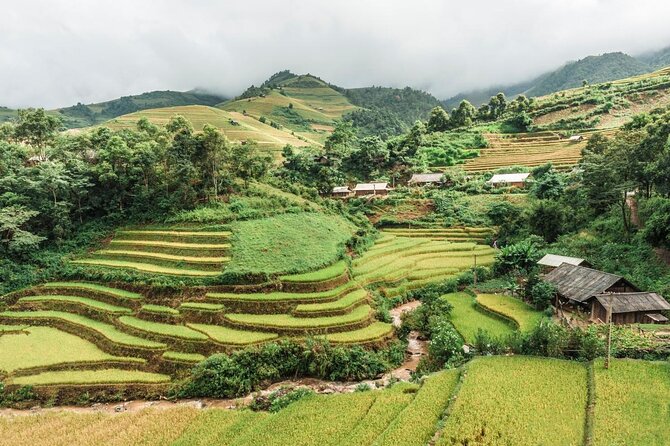
- The trekking is real: Cat Cat, Lao Chai, and Giang Ta Chai involve village trails, rice terraces, streams, and some muddy walking.
- Bac Ha Market only operates on Sunday: Check the date carefully before booking.
- The $56 price covers a lot: Meals, transport options, guiding, homestay, and listed entrance fees are included.
- You may continue to Ha Giang: Buses leave Sapa at 2:30 pm and 7:00 pm, so you do not necessarily need to return to Hanoi.
Why this Sapa trip feels different
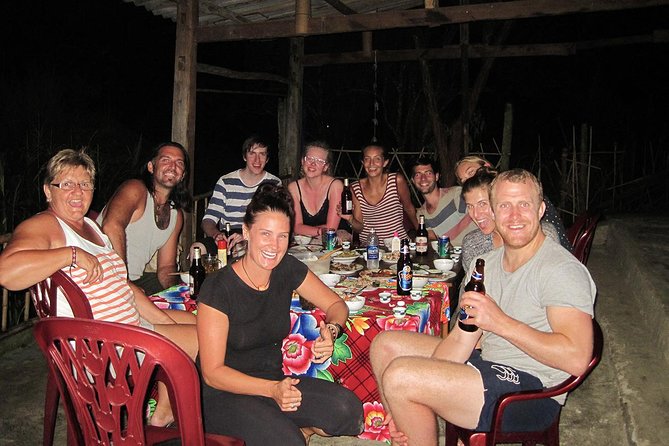
Many short trips from Hanoi treat Sapa as a quick mountain stop. This one gives you a fuller taste of the area. You travel overnight, walk through several villages, sleep in Ta Van, and then head to Bac Ha, a separate northern market town with a very different feel.
The appeal is not luxury. It is access. A local English-speaking guide leads you along village routes and helps explain the Black H’Mong, Red Dao, and Giay communities you encounter. The tour also keeps the group to a maximum of 15 people, which should make village walks easier to manage than a large coach outing.
The listed price is $56 per person, a strong value if the transport arrangement you choose matches your needs. Your package includes three breakfasts and three lunches, dinner, transport, the Ta Van homestay, a private Bac Ha visit with car and guide, and entrance fees for Ta Van and Hoang A Tuong’s Palace. Drinks, insurance, tips, personal spending, and holiday surcharges cost extra.
One detail needs attention: the transport wording allows different choices, including an overnight train and sleeper bus. Confirm exactly what is booked for your departure. The itinerary describes the SP1, SP2, or SP3 train leaving Hanoi at 9:30 pm, but the included transport section also refers to a limousine sleeper bus depending on your selected option.
More Hiking and Trekking Trips in Hanoi:
- Sapa: 3-Day, 3-Night Trek and Hotel with Overnight Train
★ 4.2 · 64 reviews - Sa Pa Trekking 2 Days 3 Nights Homestay by Night Train
★ 4.5 · 11 reviews - Sapa Trekking Tour by Night Train from Hanoi 3 Nights – 2 days
★ 5.0 · 7 reviews
Leaving Hanoi on the overnight train
Your meeting point is Hanoi Railway Station at 120 Le Duan. The train journey begins around 9:30 pm and reaches Lao Cai at roughly 5:00 am. From Lao Cai, a driver takes you the remaining 40 kilometers to Sapa.
This schedule saves you a hotel night and most of a day on the road. It also means you should expect an early start rather than a leisurely first morning. After reaching Sapa, you have breakfast at a hotel, prepare a light bag, and set off with your guide.
Pack only what you need for the walking portion. The advice to bring water and sports shoes is sound. The routes include village paths and mud roads, so comfortable footwear matters more than stylish footwear. A larger bag can stay with the transport or at the homestay, depending on the arrangements made by the operator.
The train itself is a practical part of the experience, not a sightseeing feature. You are trading a comfortable night in Hanoi for a bunk and an early arrival in the mountains. If you sleep lightly, the first day may feel long.
Cat Cat Village and the first mountain walk
The first walk takes about three hours and begins around Sapa. Cat Cat is associated with the Black H’Mong community and is known for its waterfall, Muong Hoa Stream, rice terraces, an old French-era hydroelectric plant, and local schools.
This is a useful introduction to the area because it combines scenery with daily life. You are not simply driven to a viewpoint, then driven away. You walk through a village setting and get a sense of how the hills, water, and farms fit together.
The route is not described as a technical hike, but the physical requirement is listed as moderate. Expect uneven ground and enough walking to make water and proper shoes important. The first day also includes Lao Chai and Ta Van, so Cat Cat is only the opening section rather than the whole day.
Lao Chai and the Muong Hoa Valley

From Cat Cat, the route continues toward Lao Chai, a Black H’Mong village at the foot of Fansipan and beside the Muong Hoa Valley and stream. The walking time here is about three hours.
This is one of the strongest parts of the trip for anyone who prefers moving through a place instead of viewing it from a bus window. The route follows village paths and rice terraces, with the valley and stream providing a natural frame. Conditions can be muddy, so the phrase mud road should be taken literally.
The guide is important here. Village names and ethnic labels can blur together when you are moving quickly, while a local English-speaking guide can explain who lives in each area and how the communities differ. Suà is one guide named in the trip information, though guides may change with the route.
More Market Tours in Hanoi:
- 2 Day Sapa-Bac Ha Market: Night Train& Homestay-Bus Ha Giang
★ 5.0 · 2 reviews - Day Trip to Bangkok Floating Market & Maeklong Railway
★ 5.0 · 1,528 reviews - Bangkok: Railway and Floating Market Tour with Dragon Temple
★ 4.6 · 1,225 reviews - From Bangkok: Railway & Damnoen Saduak Floating Market Tour
★ 4.6 · 775 reviews
Sleeping in Ta Van with a local host
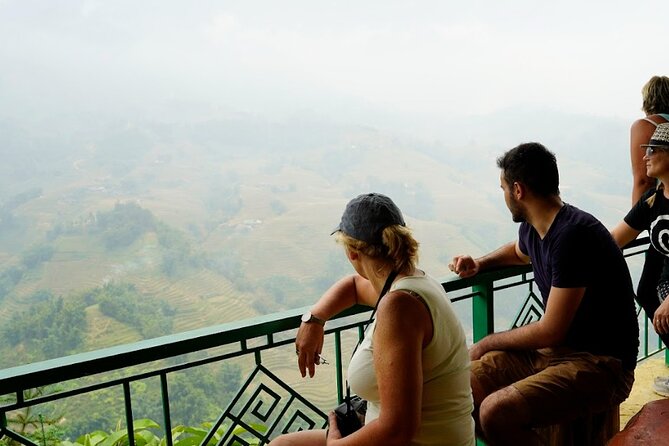
Ta Van is home to Giay people and sits beside the Muong Hoa Stream. After the walking sections, you spend the night at a local homestay.
Do not book this expecting a private hotel room. The arrangement is a shared room or a single mattress, with a public bathroom. That is a fair trade for the chance to stay in the village and meet a local host, but it may not suit you if privacy or hotel comforts are essential.
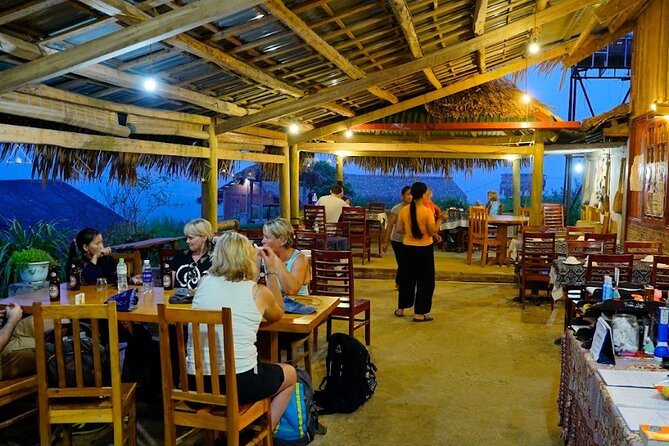
The homestay is the social center of the trip. You have time with the host rather than simply passing through for photographs. Dinner is included, along with breakfast, so you can settle into the evening without searching for a restaurant after a tiring walk.
The schedule lists a long Ta Van stay, around 10 hours on the second day, alongside the Giang Ta Chai visit. That suggests the homestay is more than a bed between transfers. It gives you time to rest and learn about local life. Exact room arrangements and the timing of meals should be confirmed with the operator before departure.
Giang Ta Chai and the bamboo forest

The next village walk reaches Giang Ta Chai, where Red Dao, Giay, and Black H’Mong people live. The route takes about two hours and includes views toward the Muong Hoa Valley, bamboo forest, and rice terraces.
This section adds variety to the first day. Instead of repeating the same village scenery, you see another community and a different combination of forest and cultivated hills. The route still requires moderate fitness, and the earlier night train will be part of the calculation.
I would treat this as an active cultural trip rather than a soft weekend break. The walking times listed for Cat Cat, Lao Chai, and Giang Ta Chai add up to several hours, and some paths may be wet or uneven. You do not need an extreme level of fitness, but you should be comfortable walking for much of the day.
Sunday morning at Bac Ha Market
Bac Ha Market is the reason to pay close attention to the calendar. It takes place only on Sunday morning. If your dates do not line up with Sunday, this experience will not be the same.
The market is described as a place where people exchange pigs, hens, souvenirs, and other goods. That detail matters. This is not only a row of stalls aimed at visitors. It is also a working market where local buying and selling continue alongside crafts and food.
You have about four hours at Bac Ha Market. That gives you time to walk through the different sections without treating the visit as a quick photo stop. Keep your expectations practical: the experience is about watching trade, meeting local life at close range, and seeing how a northern market works.
The private car and guide for Bac Ha are valuable here. After the Sapa walks, you do not have to figure out an unfamiliar route or public transport connection on your own. A private vehicle also makes the final day more direct, though the schedule remains long.
Hoang A Tuong’s Castle and nearby Pho Village
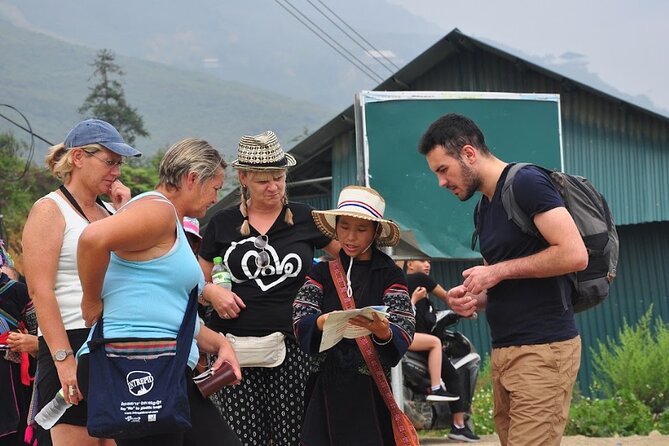
The visit to Hoang A Tuong’s Castle lasts about 30 minutes. The building was once home to the H’Mong ruler and his family, who used it as a base for governing local ethnic communities.
Half an hour is enough for a compact stop, but not a full architectural study. Think of it as a short historical visit that gives context to the power structures of the area. It works well after the market because it adds a different angle to the day.
You also have about 30 minutes to walk through Pho Village near Bac Ha Market. The route is described as peaceful and suited to seeing ordinary local life. This brief walk helps balance the busy market with a quieter village setting.
The optional route onward to Ha Giang
One useful feature is the option to continue from Sapa to Ha Giang instead of returning to Hanoi. Two buses are listed from Sapa, at 2:30 pm and 7:00 pm. The earlier option is an 18-seat limousine bus from May Hotel and takes about six hours.
This is especially useful if northern Vietnam is part of a longer route. You can combine Sapa, Bac Ha, and Ha Giang without backtracking to Hanoi. The timing is tight, so confirm how the Bac Ha portion connects with the Sapa departure and which transport option applies to your booking.
If you are ending in Hanoi, the tour includes the Hanoi to Sapa to Hanoi transfer depending on the chosen option. If you plan to continue to Ha Giang, ask for the exact pickup point and bus arrangement before you leave Hanoi.
What the $56 price really buys
At $56, this is a low-cost package for three days of movement across northern Vietnam. The value comes from the number of separate services included:
- Overnight transport from Hanoi toward Sapa, depending on your selection
- Transfers between Lao Cai and Sapa
- An English-speaking local guide in Sapa
- Ta Van homestay accommodation
- Breakfast, lunch, and dinner as listed
- Private transport and guiding in Bac Ha
- Entrance fees for Ta Van and Hoang A Tuong’s Palace
- Government tax
You still need money for drinks, tips, insurance, personal expenses, and a holiday surcharge of 700,000 Vietnamese dong per person on the listed major holidays. The price also does not remove the need to check transport details. Low-cost tours offer good value when the inclusions are clear, so ask whether you are taking the train or sleeper bus and what type of room is available at Ta Van.
Who should book this experience?
I would recommend it to you if you want a lot of northern Vietnam in a short period, prefer local guiding to independent route planning, and are comfortable with simple accommodation. It suits an active first visit to Sapa, especially if you want to see villages rather than stay only in town.
It is also a good fit if you plan to continue to Ha Giang. The direct bus option can save a full return journey to Hanoi.
I would hesitate if you need a slow schedule, private bathrooms, or guaranteed rest after long transport legs. The combination of overnight travel, several walking sections, a homestay, and Bac Ha’s long final day is demanding. Bring water, use sturdy sports shoes, and pack a light bag for the trek.
Should you book this Sapa and Bac Ha trip?
Book it if your priority is value and variety. For $56, you get mountain villages, two types of local cultural visits, a homestay, meals, guiding, and transport support. The strongest elements are the walks through Cat Cat, Lao Chai, Ta Van, and Giang Ta Chai, plus the chance to visit Bac Ha on its Sunday market day.
Skip it if you want a polished hotel-based tour or plenty of free time. This is a busy route with basic lodging and early hours. Check the Sunday date, confirm the transport option, and make sure the moderate walking level suits you before paying.
FAQ
Where does the tour start?
It starts at Hanoi Railway Station, 120 Le Duan, Cua Nam, Dong Da, Hanoi.
How long does the experience last?
The trip lasts approximately three days.
What time does the overnight train leave Hanoi?
The listed train options depart at about 9:30 pm.
What time does the train reach Lao Cai?
Arrival is scheduled for about 5:00 am, followed by a 40-kilometer transfer to Sapa.
Where do I sleep during the trip?
You spend the night at a homestay in Ta Van. The accommodation uses a shared room or a single mattress and has a public bathroom.
Is the walking difficult?
A moderate level of physical fitness is required. The walking includes Cat Cat, Lao Chai, Ta Van, and Giang Ta Chai, with some muddy village paths.
Does the tour visit Bac Ha Market every day?
No. Bac Ha Market takes place only on Sunday morning.
Are meals included?
Yes. The package includes breakfast, lunch, and dinner as listed. Drinks are not included.
Can I continue from Sapa to Ha Giang?
Yes. An optional direct bus route from Sapa to Ha Giang is listed, with departures at 2:30 pm and 7:00 pm.
What is not included in the price?
Drinks, travel insurance, tips, personal expenses, and a 700,000 Vietnamese dong per-person holiday surcharge on the specified holidays are not included.
Just added for rail travellers in Hanoi
- Sapa Trekking Tour by Night Train from Hanoi 3 Nights – 2 days★ 5.0 · 7 reviews
- Hanoi city tour and drinking beside railway- group tour★ 4.0 · 7 reviews
- Private Overnight Train Hanoi To Sapa Or Return★ 3.5 · 10 reviews
- Sapa 3 Days Trekking Tour ( Overnight Train + Homestay + Hotel )★ 5.0 · 4 reviews
- 3 Days Sapa Tour with Night Train from Hanoi★ 4.5 · 8 reviews
- Hanoi Michelin Star Street Food Walking Tour & Train-Street★ 5.0 · 8 reviews
- Sapa 2 Days 1 night By Bus/Train – Overnight in Hotel 3* With Mountain View★ 4.0 · 2 reviews
- Sapa – Bac Ha Trek Tour – Night Train & Bus & Homestay overnight★ 5.0 · 6 reviews
Markets, compared.

Day Trip to Bangkok Floating Market & Maeklong Railway
Read our review →
Railway and Floating Market Tour with Dragon Temple
Read our review →
Maeklong Railway & Amphawa Floating Market Day Trip
Read our review →

Floating Market and Train Tour with Guide in Spanish and English
Read our review →
Maeklong Railway & Floating Market Tour (Private & All-Inclusive)
Read our review →
Train & Floating Market Food Adventure + Scenic train ride
Read our review →Browse the lists this tour appears in