
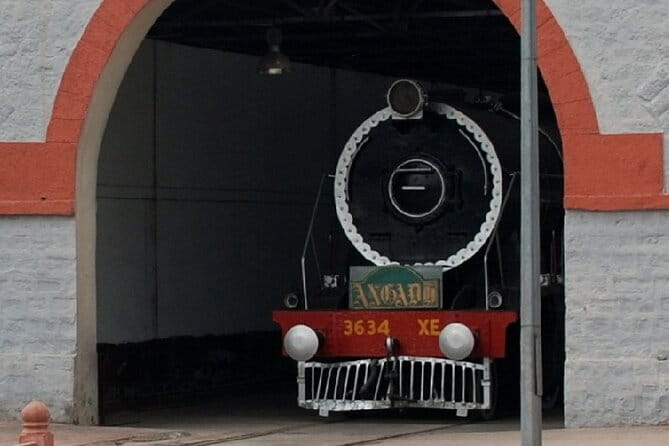
Review · RAILWAY MUSEUMS
Steam Engines And Railway Museum In Rewari From Delhi
Rewari’s railway museum preserves something India has almost lost: a working steam shed. The 1885 Fairy Queen is the star, but the real appeal is seeing 11 restored engines in the place where railway machinery was maintained, not in a polished city display.
I like the private car, hotel pickup, and English-speaking guide, which make a long day from Delhi much easier. I also like the hands-on feel: Victorian signals, old coach seats, gramophones, and live demonstrations give the visit more character than a row of silent engines.
The main drawback is the road time. Rewari is about 50 miles from Delhi, and the drive takes roughly two hours each way, so this is best for serious railway fans, families with curious children, and anyone happy to trade much of a day for an unusual museum.
Key points at a glance
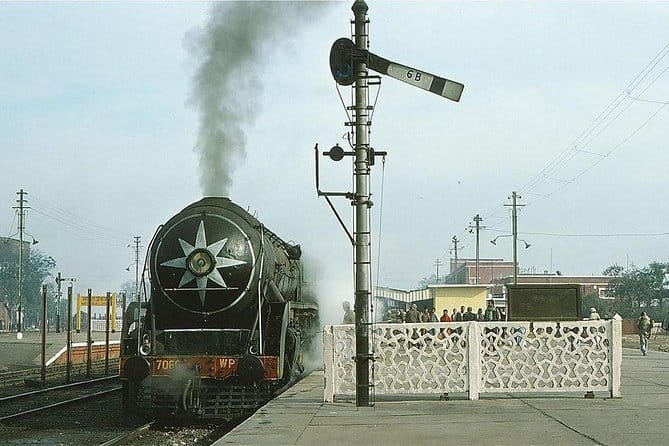
- The 1885 Fairy Queen: See one of the world’s oldest surviving steam locomotives.
- Eleven restored engines: The collection includes locomotives that remain fully functional.
- India’s last surviving steam shed: The building itself is part of the railway story.
- Live demonstrations: Some engines can be shown in operation, adding movement and sound to the visit.
- Private Delhi transport: Air-conditioned hotel pickup and return remove the need to arrange several connections.
- A family-friendly history stop: Old railway seats, signals, and unusual equipment give children plenty to inspect.
Why Rewari is worth the two-hour ride from Delhi
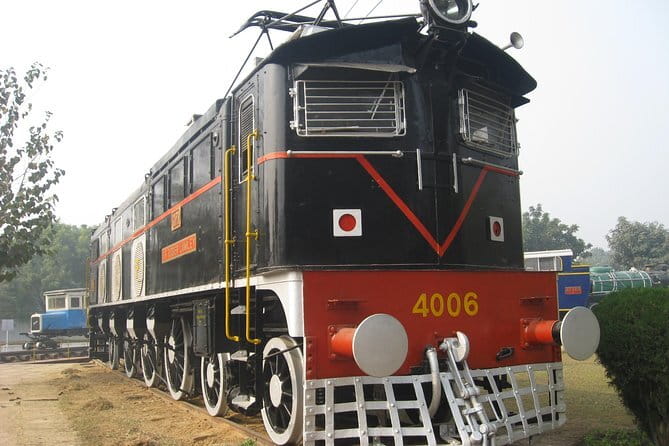
Rewari is not a quick Delhi museum stop. It is a full-day outing built around a place with a very specific purpose: preserving India’s steam railway machinery in a surviving railway shed.
That setting matters. A locomotive in a glass case can be impressive, but a former shed tells you more about how railway work was done. Engines were stored, repaired, and prepared here. The museum’s appeal comes from that practical connection to the railway, not just from the size of the collection.
The route adds another layer. Rewari sits on the old rail line between Delhi and Peshawar in present-day Pakistan. That detail gives the visit a larger historical frame, since the railway once linked places now separated by an international border.
You will not get a broad survey of every period of Indian railway history. Instead, you get a focused look at steam engines and the equipment that supported them. If you enjoy machines, engineering, transport history, or old forms of travel, that narrow focus is a strength.
More Railway Museums in New Delhi:
- Skip the Line: Historic RailPark and Train Museum Ticket with Guided Tour
★ 4.5 · 59 reviews - Prague: Railway Kingdom Giant Model Railway Museum
★ 4.4 · 54 reviews - Vienna: Kingdom of Railways Museum Entry Ticket
★ 3.6 · 50 reviews
Leaving Delhi at 9:00 am
The tour begins with hotel pickup in New Delhi at 9:00 am. Your transport is a private, air-conditioned vehicle, and the activity is limited to your own group.
That arrangement is useful in Delhi, where getting out of the city can take patience. You do not need to find a railway station, work out a local connection, or arrange a second vehicle at Rewari. The driver takes you directly to the museum and returns you to the original meeting point afterward.
The drive to Rewari takes about two hours. The stated distance is roughly 50 miles, though Delhi traffic can affect the actual timing. I would treat the morning transfer as part of the day’s commitment, not as a minor prelude.
Two bottles of mineral water per person are included. Food and drinks are not included, so you should plan accordingly rather than assume lunch is part of the tour. The supplied information does not specify a restaurant stop or meal arrangement.
Comfort matters on this outing. Wear walking shoes and loose, practical clothing. The tour is not recommended for pregnant people or those with back problems, and a moderate level of physical fitness is advised. Children must stay with an adult.
Entering the surviving steam locomotive shed
The central attraction is the Rewari Railway Heritage Museum, home to 11 steam engines described as among the oldest in the world. The engines have been restored and are fully functional.
That last point changes the mood of the visit. You are not only looking at obsolete machinery. Some engines may be used for live demonstrations, giving you a chance to see the mechanical side of steam power in action.
The word functional does not mean every engine will be running during your visit. Demonstrations are part of the attraction, but the supplied details do not promise a specific engine or performance at a fixed time. Think of the working engines as a major possibility, not a guaranteed show.
The shed itself is the main visual setting. It is described as the only surviving steam locomotive shed in India. That makes the building as important as the locomotives inside it. Look at the spacing, the scale, and the way the engines fit into a working railway environment.
A guide accompanies your group and speaks English. A local guide can help turn technical equipment into a readable story, especially if you do not already know the difference between a locomotive, a signal system, and the other tools of railway operation. No guide name is provided, so you should not expect a named specialist promised in advance.
Meeting the Fairy Queen, built in 1885
The Fairy Queen is the museum’s headline engine. Built in 1885, it gives the collection a clear focal point and a date you can remember.
An engine this old helps explain why railway preservation is valuable. The Fairy Queen is not simply old-fashioned decoration. It represents the early age of rail travel in India, when steam power shaped long-distance movement and connected major parts of the region.
Give yourself time to look beyond the name. Study the engine’s size, shape, wheels, and exposed working parts. Even without a technical background, you can appreciate the combination of heavy metal, precision construction, and the human labor once required to keep such a machine moving.
The museum also connects its engines to popular culture. Some have appeared in Bollywood films. That detail may interest families and film fans, though the supplied information does not identify particular movies or promise a film display.
The best way to approach the Fairy Queen is to treat it as the beginning of the museum visit, not the end. If you spend only a few minutes at the headline engine, you may miss the quieter objects that explain how the railway actually functioned.
More Steam Trains in New Delhi:
- Puffing Billy Railway: Heritage Steam Train Journey
★ 4.6 · 1,195 reviews - Mallorca in One Day Sightseeing Tour with Boat Ride and Vintage Train
★ 4.0 · 1,096 reviews - From Inverness: Jacobite Steam Train and Highlands Tour
★ 4.4 · 921 reviews - From Edinburgh: Magical Highlands Tour with Jacobite Train
★ 4.5 · 726 reviews
Victorian signals and railway objects

The museum includes Victorian-era exhibits used on India’s railway network. These displays broaden the visit beyond locomotives and help you see the railway as a complete system.
The old signalling equipment is especially useful. Trains cannot safely operate on engines alone. Signals controlled movement, managed sections of track, and helped railway workers coordinate traffic. A Victorian signalling system shows the communication technology that existed before modern electronic controls.
You can also see gramophones and seats from old train coaches. These are smaller objects, but they may be the most approachable exhibits for children and for anyone less interested in machinery.
The coach seats invite a simple comparison with modern rail travel. They help you picture the passenger experience rather than only the work of the driver and maintenance crew. Gramophones bring in the social side of travel, when music and mechanical entertainment were part of daily life.
The collection is described as including railway prototypes as well. The available information does not give a full list, so you should expect a mix of railway artifacts rather than a tightly organized technical exhibition with detailed specifications for every item.
How the six-hour museum visit feels
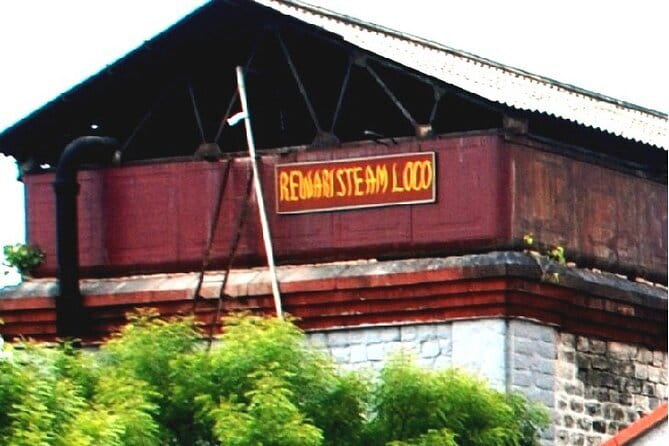
The Rewari stop is scheduled for about six hours, with admission included. That is a generous amount of time for a single museum, and it suggests a visit taken at an unhurried pace.
You can use the time to examine the locomotives carefully, listen to the guide, and wait for any live demonstration that is available. You will also have room to focus on the old signals, coach seats, gramophones, and other railway equipment instead of rushing from one display to the next.
For a railway enthusiast, six hours may feel welcome. Steam engines reward close looking, and a large machine can reveal more details as you spend time with it. You may notice the structure, fittings, and working parts only after the first excitement fades.
For a family with younger children, six hours may feel long. The supplied information highlights children enjoying the engines and railway models, but it does not state that the museum offers a separate children’s program or a play area. Build the day around the child’s interest in trains rather than expecting constant entertainment.
For a casual sightseer, the long museum stop is the key decision point. If your interest in railways is mild, the Fairy Queen and the shed may satisfy you in less time, while the return drive still takes up most of the day. If you enjoy old machines and nostalgia, the longer visit makes more sense.
The value of a $165 private day trip

At $165 per person, this is not a budget museum outing. The value comes mainly from the private transport and the amount of time saved in arranging the day yourself.
The price includes a private air-conditioned vehicle, hotel pickup and drop-off, a local English-speaking guide, museum admission, and two bottles of mineral water per person. You also avoid the uncertainty of finding your own transport back to Delhi after spending several hours outside the city.
The value is stronger for a small group that wants a simple door-to-door plan. A private activity means only your group participates, so you can ask questions, adjust your pace within the available schedule, and focus on the exhibits that interest you most.
The value is weaker if you are already in Rewari or can arrange a much cheaper local visit. In that case, the Delhi transport is a large part of what you are paying for. The tour does not include food or drinks unless specifically stated, so add that cost to your day.
Group discounts are available, but the details are not provided. Check the price shown for your party before booking. Adult pricing applies to all travelers, including children, according to the supplied booking information.
Who will get the most from this outing

I would recommend this tour most strongly to people with a clear interest in railways, old technology, or Indian transport history. You do not need to be an engineer, but you should enjoy spending time with machines and historical objects.
Families may also find it worthwhile. The engines are large and memorable, and the old seats, signalling equipment, and railway prototypes give children things to look at beyond a standard museum label. Keep in mind that children must be accompanied by an adult and that the day involves a long road journey.
This is also a good choice for anyone who has already seen Delhi’s main monuments and wants a less predictable day out. It offers a different view of India, focused on industrial history rather than palaces, forts, or religious buildings.
I would hesitate to recommend it to someone with back problems, someone who is pregnant, or anyone who finds a two-hour road journey uncomfortable. I would also think twice if you have only a short time in Delhi and want to cover several major sights in one day.
Practical ways to plan your day
Start with comfortable clothing and walking shoes. The museum visit lasts about six hours, so you will want to move easily and remain comfortable while inspecting the displays.
Keep your schedule open around the stated eight-hour duration. The museum portion is about six hours, and the two-hour drive to Rewari is only an estimate. Delhi traffic or road conditions can affect the return time.
Carry money for food and drinks, since these are not included. Water is supplied, with two bottles per person listed, but additional refreshments may still be useful during a full-day outing.
Use the guide for context rather than simply following the route from engine to engine. Ask about the Fairy Queen, the old signalling system, the route to Peshawar, and the engines used in films. Those questions connect the objects to the larger story.
Finally, check the live demonstration situation when you arrive. The engines are functional and demonstrations are available, but no fixed demonstration schedule is given. That small bit of planning helps you set realistic expectations.
Should you book the Rewari railway museum tour?
Book it if you want an unusual, focused day outside Delhi and the idea of standing beside restored steam engines sounds better than visiting another major monument. The Fairy Queen, the surviving shed, and the Victorian railway equipment give the tour a clear identity.
The private car and guide make the outing easy, but the price reflects that convenience. You are paying for transport, time, and a private experience as much as for museum entry.
Skip it if your Delhi visit is short, your interest in trains is limited, or a long road journey is a poor fit for your health. For the right reader, though, Rewari offers something rare: a chance to see India’s steam railway past in a place built for the real work of rail travel.
FAQ
Where does the tour start?
The tour starts in New Delhi, with hotel pickup offered at 9:00 am.
How long does the tour last?
The full experience lasts approximately eight hours. The drive to Rewari takes about two hours, and the museum visit is scheduled for about six hours.
How far is Rewari from Delhi?
Rewari is approximately 50 miles from Delhi.
What is the Fairy Queen?
The Fairy Queen is a steam locomotive built in 1885. It is one of the main attractions at the railway museum.
How many steam engines are at the museum?
The museum contains 11 restored steam engines. The engines are fully functional, and some are available for live demonstrations.
Is food included?
No. Food and drinks are not included unless specifically stated. Two bottles of mineral water per person are included.
Can I cancel for a full refund?
Yes. You can cancel at least 24 hours before the experience start time for a full refund. Changes or cancellations made less than 24 hours before the start time are not accepted for a refund.
More Museum Visits in New Delhi
- Brussels: Train World Museum Entrance Ticket
★ 4.7 · 524 reviews - London: Postal Museum Entry Ticket and Underground Rail Ride
★ 4.6 · 363 reviews - Brussels Train World Museum Entrance Ticket
★ 4.5 · 220 reviews - From Krakow: Zakopane Tour with Gubalowka Funicular & Museum
★ 4.5 · 80 reviews
Just added for rail travellers in New Delhi
- Taj Mahal & Agra Tour From Delhi By Fastest Train★ 5.0 · 7 reviews
- Private Tajmahal Day Tour From New Delhi By Gatiman Express Train★ 5.0 · 14 reviews
- Taj Mahal and Agra Fort Tour By Fastest Train – Gatiman Express★ 5.0 · 2 reviews
- Taj Mahal and Agra Tour By India’s Fastest Train★ 5.0 · 2 reviews
- From Delhi: Taj Mahal & Agra Tour by Gatimaan Express Train★ 5.0 · 11 reviews
- Enchanting Taj Mahal Same Day Tour by Gatiman Train From Delhi★ 5.0 · 4 reviews
- Taj Mahal Tour by Gatimaan Express Train With Lunch At 5 Star Hotel★ 5.0 · 8 reviews
- Taj Mahal & Agra Fort Visit by Gatimaan Express Train★ 5.0 · 4 reviews
Railway Museums, compared.
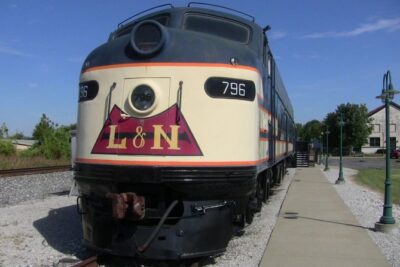
Skip the Line: Historic RailPark and Train Museum Ticket with Guided Tour
Read our review →
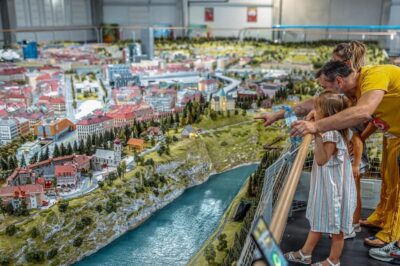
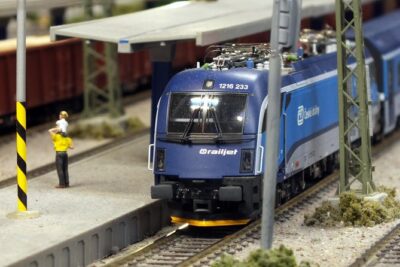
Skip the Line: Kingdom of Railways Entrance Ticket in Prague
Read our review →

Bowling Green: Historic RailPark & Train Museum Entry & Tour
Read our review →
Kusadasi Day Trips Magnesia, Train Museum Turkish Bath
Read our review →Browse the lists this tour appears in