
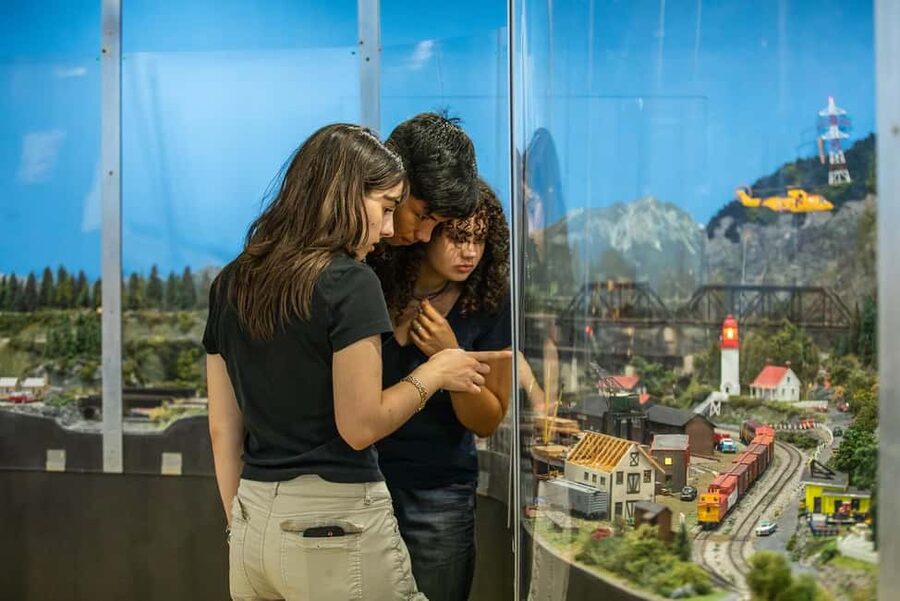
Review · RAILWAY MUSEUMS
Exporail, the Canadian Railway Museum
A steam locomotive, an old streetcar, and a railway caboose are not just objects behind glass at Exporail. You can step aboard them, look around, and picture the people who worked, taught, and traveled inside. The collection feels hands-on, with indoor displays and outdoor rail vehicles spread across a working museum site.
I like the mix of old trains and human stories, especially the school car teacher and the railway worker who lived and worked in a caboose. I also like the price: $17 per person includes the exhibitions and parking, which is fair for a museum near Greater Montreal. The main drawback is weather. Much of the movement between displays happens outside, so choose a dry day and wear comfortable closed-toe shoes.
Key points
- More than 400 railway artifacts: The entrance tunnel gives you a quick historical start before you reach the larger vehicles.
- Step aboard historic equipment: Explore streetcars, passenger cars, steam locomotives, and a caboose instead of viewing everything from a distance.
- Eight exhibitions in one visit: The displays connect rail transport with the growth and daily life of Canada.
- Optional rides add time and variety: Depending on the day, you may be able to ride a tram, passenger train, or miniature railway.
- Open throughout the year: Seasonal conditions affect outdoor comfort and which activities are offered.
- French and English access: Weekend guided tours are offered, with the day’s details provided at reception.
Why Exporail feels more like a railway site than a quiet museum
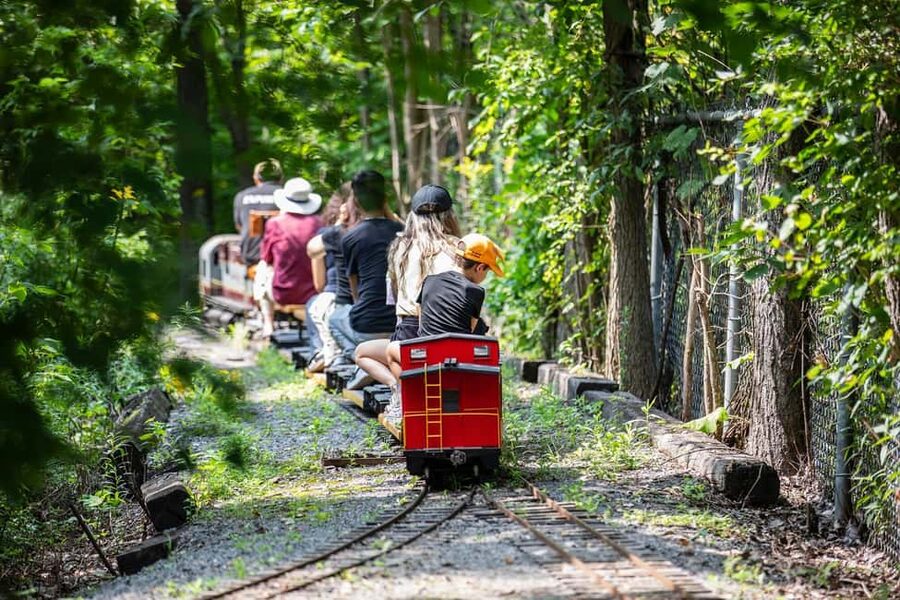
Exporail, the Canadian Railway Museum, sits in Greater Montreal, in Quebec. Its central idea is simple: show you the machines, then show you the people and systems that made them useful.
That makes a difference. You are not limited to a row of engines with small labels. You can enter selected vehicles and see the spaces where railway work and ordinary life took place. A school car, for example, brings the railway into the classroom. The caboose offers a look at the working quarters of a railway employee.
I like this approach because railways can be hard to understand when presented only as engineering. Here, you get a clearer sense of how trains moved people, goods, workers, and ideas across Canada. The museum links transport to society without requiring you to know much before you arrive.
It is also a living museum. That does not mean every train is running all the time. It means the collection is presented as something connected to real work and daily life, with vehicles you can enter and activities that may let you ride the rails.
More Railway Museums in Canada:
- Skip the Line: Historic RailPark and Train Museum Ticket with Guided Tour
★ 4.5 · 59 reviews - Prague: Railway Kingdom Giant Model Railway Museum
★ 4.4 · 54 reviews - Vienna: Kingdom of Railways Museum Entry Ticket
★ 3.6 · 50 reviews
Starting in the tunnel with more than 400 artifacts
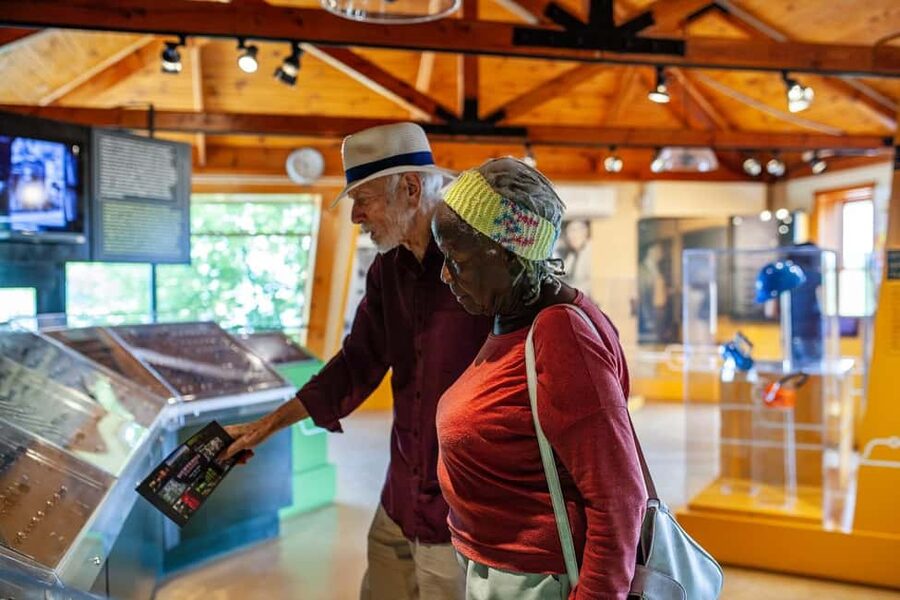
Your visit begins at the current main entrance, P1, near the railway tracks crossing St. Pierre Street. P2 is closed at present, so follow the signs to P1 rather than assuming the older access point is available.
The entrance tunnel sets the tone. It contains more than 400 artifacts and works as a compact introduction to the railway world. You can expect objects that help explain equipment, railway work, and the way rail transport developed over time.
This is a useful first stop because it gives context before you meet the full-size vehicles. If you have children with you, the tunnel offers plenty to look at before the longer outdoor walk. If you are visiting alone or with another adult, it helps you connect the smaller objects with the much larger trains waiting beyond.
Do not rush through this section simply because the locomotives are more dramatic. The artifacts help answer the basic questions: What did railway workers use? How did the system operate? What did rail travel require before modern conveniences became normal?
Eight exhibitions that connect trains with Canadian life
Your admission includes access to all current exhibitions, depending on the season. There are eight exhibitions running at the same time, giving you several ways into the subject.
Some displays focus on railway equipment and transport. Others show the social side of the system, including the people who worked aboard trains and in railway communities. The result is broader than a collection of engines. You see railways as workplaces, classrooms, passenger spaces, and tools that helped Canada develop.
I would allow time for both the large vehicles and the smaller displays. The most memorable object may be a locomotive, but the smaller stories often explain why the machine mattered. A school car, for instance, makes railway service feel personal. It shows how a train could serve as a classroom and bring education to communities along the line.
The exhibitions change with the season, so the exact mix may vary. That is worth keeping in mind if you are returning for a second visit. You may find a different emphasis or seasonal activity on another day.
Climbing aboard locomotives, streetcars, and passenger cars

The heart of the visit is the collection of vehicles open to the public. You can board streetcars, passenger cars, and legendary steam locomotives, with the exact access depending on the day and current site arrangements.
A streetcar gives you a sense of urban rail travel. Passenger cars shift the focus to longer journeys and the experience of moving between places. Steam locomotives show the power and size of the technology itself. Each type of vehicle offers a different view of rail travel, so the collection does not feel like one repeated display.
The caboose is especially useful for understanding railway work. It was not simply a small train car at the back of a freight train. At Exporail, you can learn about the railway worker who lived and worked there, which turns the vehicle into a workplace and living space at once.
Take your time inside each car. Look at the arrangement of the seats, working areas, and rooms. You might find the scale surprising. Modern transport often hides its machinery and staff areas, while older railway vehicles make their purpose easier to see.
Closed-toe shoes are required, and comfortable shoes are a good idea. You will be walking between buildings and vehicles, with some outdoor movement even when the main exhibits are indoors.
More Museum Visits in Canada:
- Brussels: Train World Museum Entrance Ticket
★ 4.7 · 524 reviews - London: Postal Museum Entry Ticket and Underground Rail Ride
★ 4.6 · 363 reviews - Brussels Train World Museum Entrance Ticket
★ 4.5 · 220 reviews - From Krakow: Zakopane Tour with Gubalowka Funicular & Museum
★ 4.5 · 80 reviews
The people behind the machines
Exporail is strongest when it puts a human face on railway work. The school car teacher and the caboose worker are not decorative details. They help you understand that railways depended on many different jobs, not only engineers and conductors.
The school car story is particularly effective for families. It gives children a simple question to consider: how would school work if the classroom had to travel from place to place? It also shows how railways affected daily life beyond the station.
The caboose story offers a different perspective. A railway employee could work and live in the same compact vehicle, surrounded by the practical demands of the line. That detail makes the past feel less polished and more real.
I like these character-based displays because they keep the museum from becoming a parade of technical specifications. You can appreciate the engineering while also thinking about routine, responsibility, and the people who depended on the railway system.
Optional rides can turn one hour into a longer outing
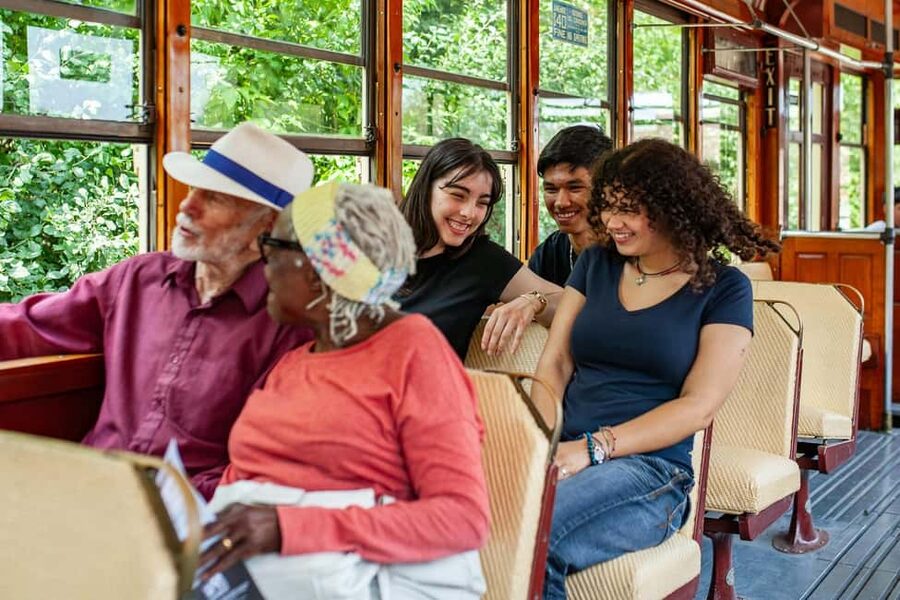
The listed visit duration is one hour, which is enough for a focused look at the main collection. It is not enough for a slow examination of all eight exhibitions, a full walk through the outdoor areas, and every optional activity.
If the schedule allows, you can add a tram ride, passenger train ride, or miniature railway ride. These activities cost extra, and they are not guaranteed to run every day. Ask at reception what is operating before you plan your visit around a particular ride.
The rides matter because they change the experience from looking at railway equipment to using it. A moving tram or train gives you a better feel for the relationship between cars, tracks, and the surrounding museum site. The miniature railway offers a smaller-scale option that may appeal especially to children.
Treat the one-hour duration as a starting point rather than a strict limit if you want the full outing. The exhibitions are included in the admission, while the optional rides are add-ons. This lets you control the cost. You can enjoy the museum at $17 per person without adding anything, or extend the visit if the day’s schedule and your budget suit it.
Weather, seasons, and the outdoor walk
Exporail is open all year, but the season changes how comfortable the visit feels. A large amount of movement between displays takes place outdoors. A clear day makes it easier to walk among the vehicles and spend time studying them without hurrying.
On a rainy, cold, or very hot day, the outdoor sections can be less pleasant. The indoor exhibitions remain valuable, but you may not linger as long beside the exterior equipment. Bring clothing suited to the forecast, and wear shoes that are comfortable for walking and boarding vehicles.
The discovery trail adds another outdoor element. It gives you a way to explore the site at a slower pace rather than moving only from one indoor gallery to the next. If the weather is good, build in time for this walk.
I would not choose Exporail as a weather-proof activity if your schedule is tight and the forecast is poor. I would choose it confidently on a pleasant day, especially if you want to see several locomotives and cars up close.
A practical visit near Montreal
The museum is close to Montreal, making it a convenient choice for a half-day outing from the city. Free parking is included, which improves the value for anyone arriving by car.
At reception, you can find out what themed tour or guided activity is being offered that day. Guided tours are available on Saturdays and Sundays, with live guidance in French and English. Since schedules can change, check the day’s information before assuming a particular tour or ride will be available.
You can bring lunch and use the indoor or outdoor dining areas, depending on the season. This is useful because it lets you turn a one-hour museum visit into a longer, relaxed outing without needing to plan a separate restaurant stop.
The shop is also worth a look. It is designed for adults and children, so you may find railway-themed items that extend the visit beyond the exhibits. I would save it for the end, since it is easier to browse after you have seen the collection and know which engines, cars, or railway stories caught your attention.
Is $17 good value?
At $17 per person, admission includes the current exhibitions and free parking. That is a solid price for a museum with full-size vehicles, boarding access, an entrance tunnel with more than 400 artifacts, and a discovery trail.
The value depends on how you use the site. If you spend only 30 minutes inside and skip the outdoor vehicles, the visit may feel brief. If you explore the exhibitions, board several cars, walk the trail, and add a scheduled ride, you get more from the same admission.
Optional activities cost extra, but this can work in your favor. You are not forced into a large package price. You can keep the visit simple or add a tram, passenger train, or miniature railway ride when available.
Free parking and the ability to bring lunch also help keep the total outing affordable. For families, the cost can remain manageable if you choose only the activities that matter most to your group.
Who will get the most from Exporail?
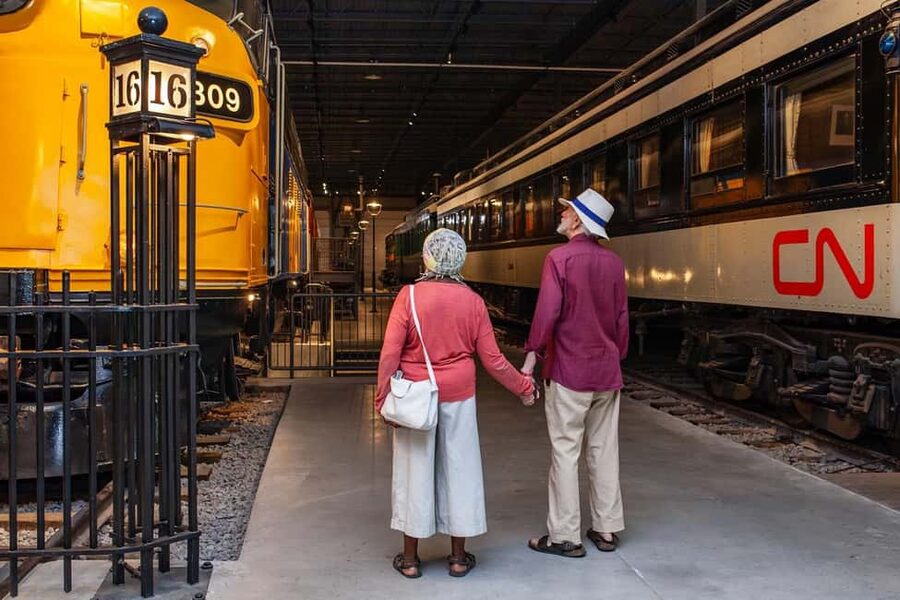
I would recommend Exporail to anyone interested in trains, transport, Canadian development, or working life. It suits families because children can board vehicles and see a miniature railway if one is operating. It also works for adults who enjoy machinery, architecture, railway design, or social history.
You do not need to be a railway expert. The mix of artifacts, full-size cars, and human stories gives you several ways to connect with the subject. If you already know a great deal about trains, the range of vehicles and the chance to enter them may still make the visit worthwhile.
I would be more cautious if you want a fully indoor attraction or a tightly timed one-hour stop with no outdoor walking. The museum is best when you have enough time to move between buildings and vehicles without rushing.
Accessibility is supported, and guided information is available in French and English. Some content appears in its original language, so the presentation may not always be translated into one language alone.
Should you book Exporail?
Book Exporail if you want a practical, hands-on railway museum near Montreal, especially on a dry day. The strongest reasons are the chance to board old trains, the school car and caboose stories, and the good base price of $17 with parking included.
Choose a weekday if you prefer to explore at your own pace, or a Saturday or Sunday if a guided tour in French or English appeals to you. Check the schedule for optional rides before paying for them, since activities depend on the day.
I would make this a longer outing rather than a rushed one-hour stop. Bring lunch, wear closed-toe shoes, allow time for the discovery trail, and save room for the shop. If old trains and the people who worked in them interest you, Exporail offers far more than a row of engines behind a barrier.
FAQ
Where is Exporail located?
Exporail is in Greater Montreal, Quebec. The current main entrance is P1, near the railway tracks that cross St. Pierre Street. Access through P2 is currently closed.
How long does a visit to Exporail take?
The stated duration is one hour. You may need more time if you want to see all eight exhibitions, board several vehicles, walk the discovery trail, or join an optional ride.
What does the $17 admission include?
Admission includes access to all current exhibitions, depending on the season, and free parking. Optional tram, passenger train, and miniature railway activities are not included.
Are guided tours available?
Yes. Guided tours are offered on Saturdays and Sundays. Information about the themed tour available that day is provided at reception, and live guidance is available in French and English.
Can I bring lunch?
Yes. Dining areas are available, with indoor and outdoor spaces depending on the season. You can bring your own lunch.
Is Exporail wheelchair accessible?
Yes, Exporail is wheelchair accessible. Wear comfortable closed-toe shoes, and note that some movement between displays takes place outdoors.
Just added for rail travellers in Canada
- Whistler Train Wreck, Suspension Bridge & Hidden Waterfall Adventure★ 5.0 · 24 reviews
- 6-Day Rocky Mountaineer Train Tour, From Vancouver to Rockies★ 4.5 · 10 reviews
- 5-Day Rocky Mountaineer Train Tour, From Vancouver to Rockies★ 4.5 · 8 reviews
- Quebec City Scenic Walking Tour with 1 Funicular Ride★ 4.5 · 7 reviews
- Guided Bike Tour on Historical Kettle Valley Railway at Myra Canyon & Wine Tour★ 5.0 · 19 reviews
- Quebec City Private Walking Tour with Funicular Ride★ 4.8 · 10 reviews
- Shore Excursion: Private Walking Tour with Funicular★ 5.0 · 31 reviews
- Bicyle Tour on Historical Kettle Valley Railway from Myra Canyon to Penticton★ 5.0 · 62 reviews
Railway Museums, compared.
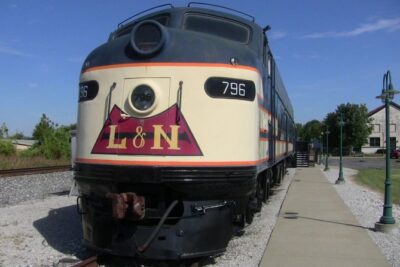
Skip the Line: Historic RailPark and Train Museum Ticket with Guided Tour
Read our review →
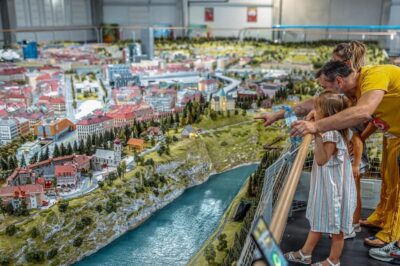
Skip the Line: Kingdom of Railways Entrance Ticket in Prague
Read our review →
Bowling Green: Historic RailPark & Train Museum Entry & Tour
Read our review →
Kusadasi Day Trips Magnesia, Train Museum Turkish Bath
Read our review →Browse the lists this tour appears in