
Review · CUSCO TRAIN JOURNEYS
Excursion Cusco – Puno – Titicaca Observatory Train
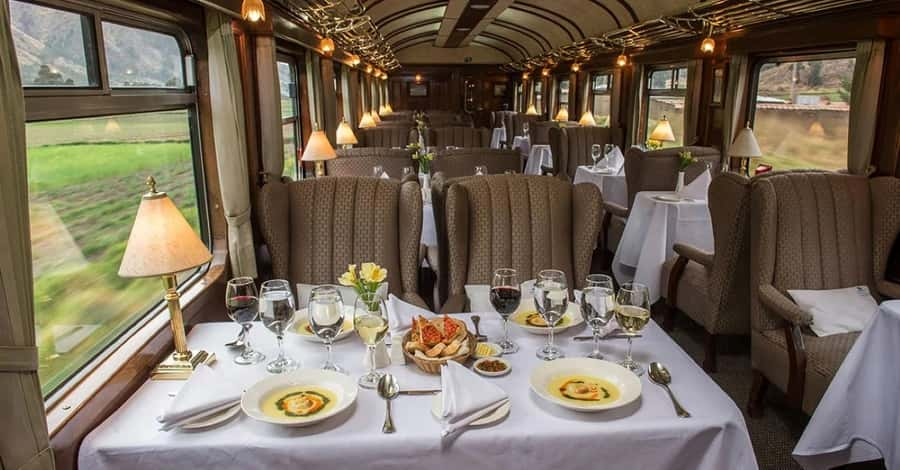
The best part of this journey is that the train ride is the attraction, not merely a way to get from Cusco to Puno. You cross high Andean country in comfort, moving between a restaurant car, bar car, and open-air observatory while music, dancing, food, and wide views fill the day.
I like the chance to stop at Abra La Raya, the route’s highest point at 4,300 meters, and I like that the price includes a proper three-course lunch rather than a basic snack. The main consideration is time: at about 10 hours, this is a full-day commitment, and the high altitude may be tiring for some passengers.
Key points to know before booking
- Cusco to Puno or Puno to Cusco: Choose the direction that fits your wider Peru plans, with hotel pickup included from either city.
- A moving dining experience: Your fare includes a three-course gourmet lunch, snacks, a hot welcome drink, and afternoon tea.
- Abra La Raya at 4,300 meters: The tourist stop gives you a chance to step off the train at the highest point of the route.
- Three different onboard spaces: Move between the restaurant car, bar car, and open-air observatory balcony during the journey.
- Culture built into the ride: Live music, dancing, and a Pisco sour demonstration keep the long trip from feeling like a simple transfer.
- A high price with useful inclusions: At $445 per person, the package makes the most sense when you value comfort, meals, entertainment, and door-to-station service.
Why this train ride is more than a transfer
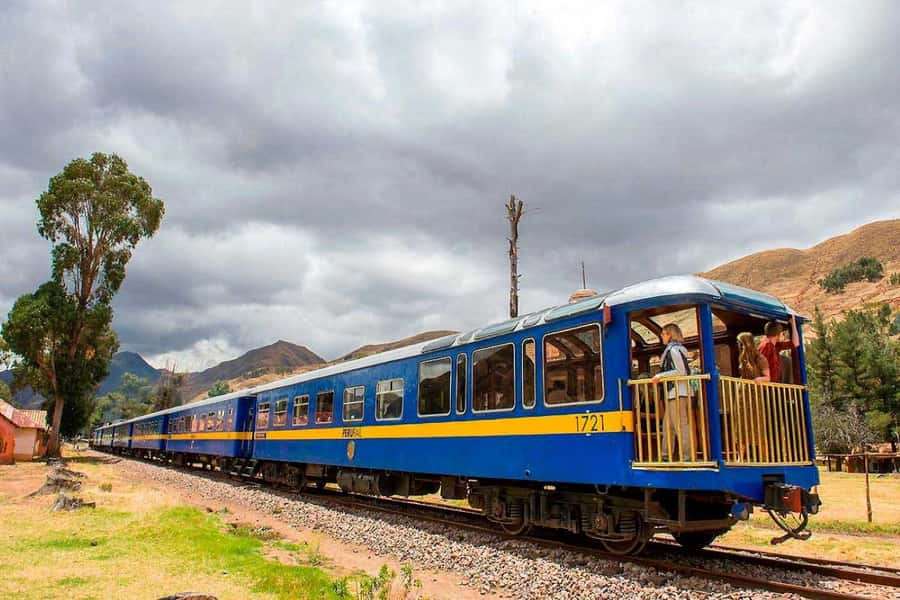
The route links two major Andean destinations: Cusco, the Inca capital and gateway to Machu Picchu, and Puno, the highland city beside Lake Titicaca. You can travel in either direction, making the train useful as part of a larger Peru itinerary rather than as a round-trip sightseeing ride.
The appeal is simple. Instead of spending the day in a standard vehicle, you have room to move, a changing view outside the windows, and several ways to enjoy the journey. Sit down for lunch, head to the bar car, listen to live music, or step onto the open-air balcony when the scenery calls for a better view.
The train crosses the Sierra and highlands, with broad Andean scenery along the route. Exact views can change with weather and light, but the experience is built around the scale of the country: high plains, mountain passes, and the gradual approach to Lake Titicaca.
This is not a quick train connection. It is a full day arranged around the journey itself. That makes it a good fit for you if you dislike rushed transfers and enjoy watching a region unfold slowly. If you simply need the fastest way between Cusco and Puno, the 10-hour schedule may feel excessive.
More Train Journeys in Cusco:
- Cusco: Machu Picchu 2-Day Inca Trail with Panoramic Train
★ 4.9 · 260 reviews - The First Class Machu Picchu Train by Inca Rail
★ 4.0 · 182 reviews - Excursion to the Sacred Valley and Machu Picchu by Panoramic Train
★ 5.0 · 45 reviews
Starting early from Cusco or Puno
Hotel pickup is scheduled for about 6:30 in the morning from Cusco or Puno. You will still need to be at the station 30 minutes before departure, so keep your morning organized and confirm the exact pickup details ahead of time.
Starting early has one clear benefit: you spend almost the entire day watching the Andes change outside the train. It also means you should not treat the first morning casually. Have your passport or identification ready, wear comfortable clothes, and keep essential personal items with you.
An English or Spanish-speaking host or greeter is available. The experience is also listed as wheelchair accessible, which is useful information for passengers who need accessible arrangements. Since the journey lasts around 10 hours, ask about any specific mobility needs before departure rather than waiting until the morning of the trip.
The train includes storage for hold luggage listed up to 23 kilograms. Personal items should not exceed 8 kilograms, or 17.64 pounds. The information also says there is no limit to the amount of luggage placed in the hold, so clarify the handling of unusually large or heavy bags before you travel.
Settling into the luxury train
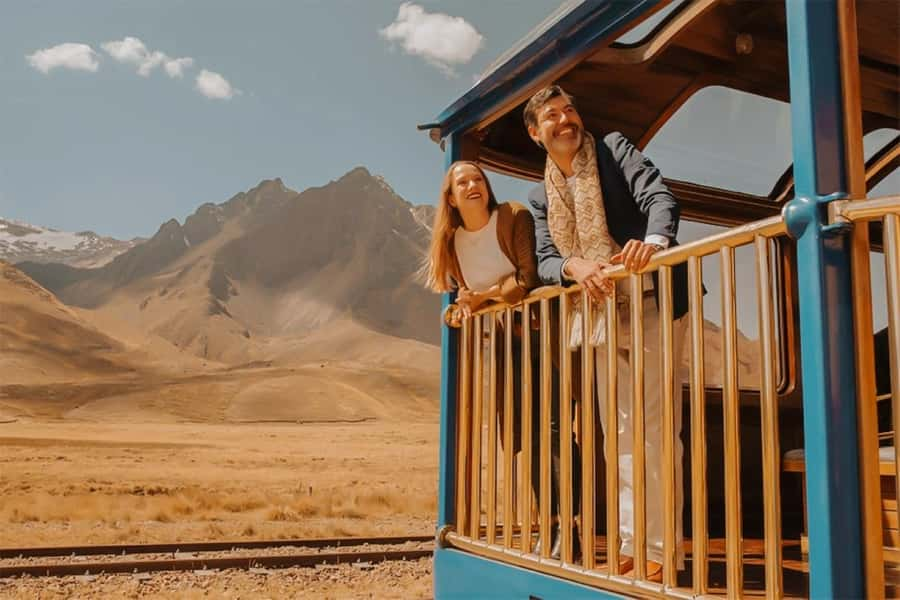
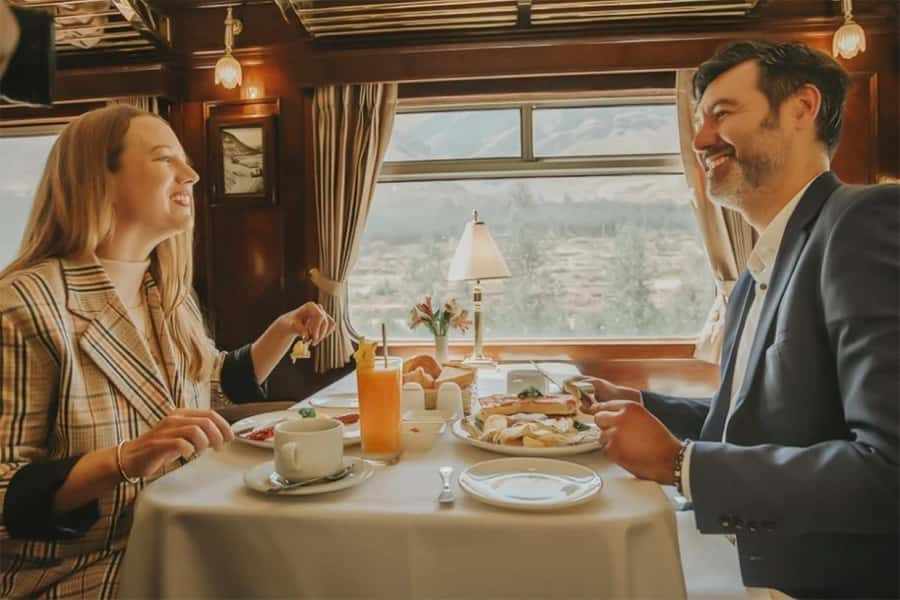
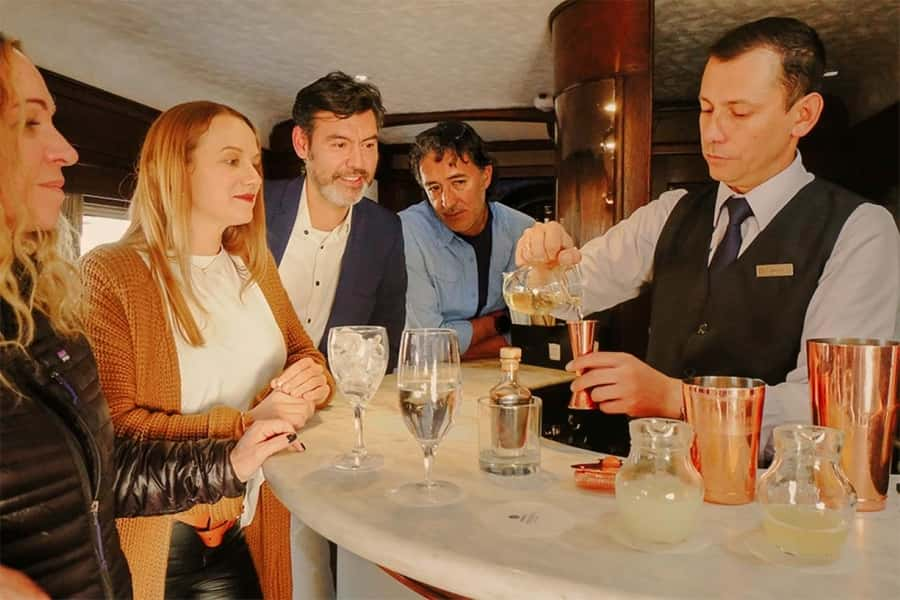
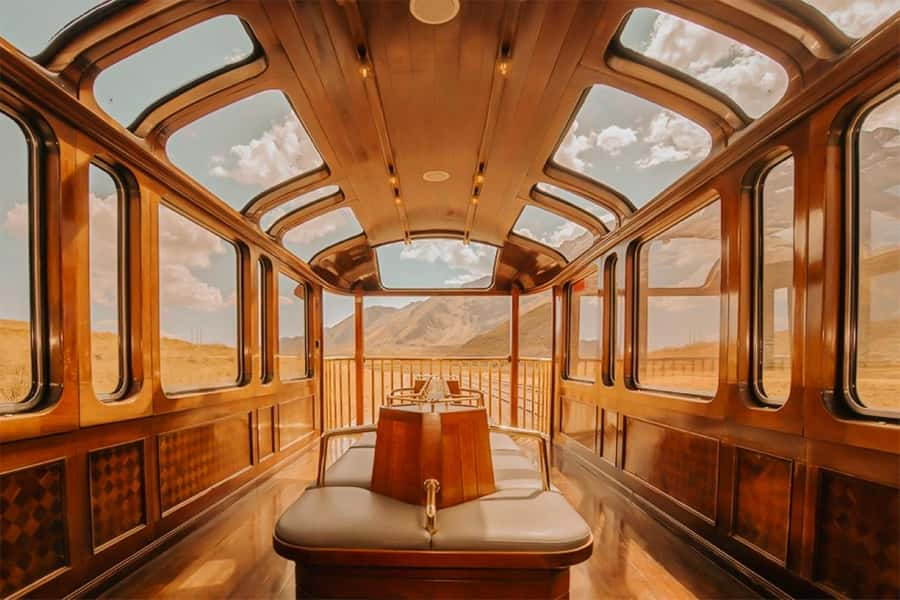
The train is arranged to let you move around rather than remain in one seat all day. The restaurant car gives the trip a formal feel, while the bar car provides a more social setting for drinks and conversation. The observatory car is the place to go when you want the widest possible view.
That open-air balcony is one of the strongest reasons to choose this experience. A normal train window gives you a framed view. An open-air section lets you feel the air and look across the surrounding country without glass between you and the mountains. Bring a camera, but also keep your hands free and your belongings secure.
The high elevation deserves respect. Abra La Raya reaches 4,300 meters, and much of the route runs through high country. You may feel the altitude more when stepping outside, especially if you have recently arrived in the Andes. Move slowly, drink sensibly, and take breaks indoors if you feel uncomfortable.
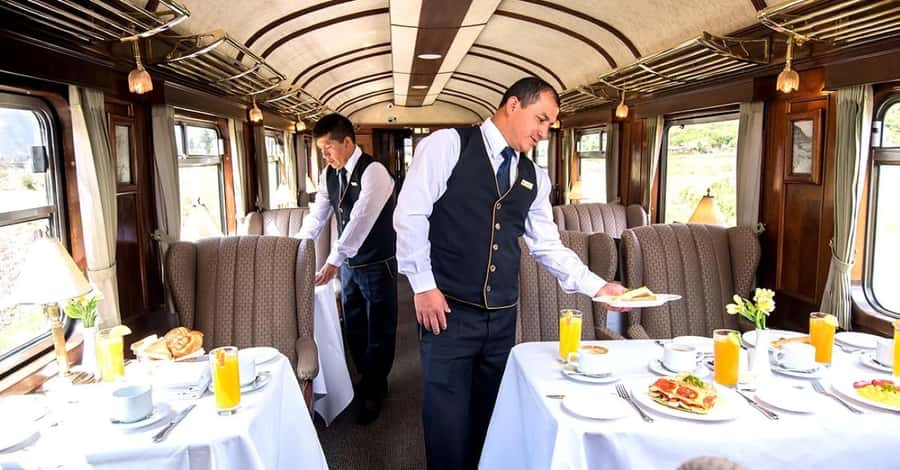
A hot welcome drink starts the journey. The package also includes delicate snacks, a three-course lunch, and afternoon tea. That food service matters on a long ride, since you are not left to organize meals at station stops or carry a full day of provisions.
The Andean route and Abra La Raya
The journey’s visual center is the highland route between Cusco and Puno. You will cross the Peruvian Andes as the train moves through the Sierra and toward Lake Titicaca. The attraction is not a single monument. It is the steady change in altitude, scenery, and atmosphere.
The stop at Abra La Raya is the most clearly defined sightseeing break. At 4,300 meters, it is the highest point on the route, where the sky and earth seem to meet across an exposed mountain pass. You can step off, take photographs, and experience the air of the high Andes directly.
The stop is described as a tourist visit to Abra La Raya village. Keep your expectations practical. This is a scenic and cultural pause, not a long independent exploration. The altitude, cold, wind, or strong sun can make the stop feel intense, so pack layers and use sun protection.
This is also where comfortable shoes matter. You should expect to walk around the stop rather than remain seated in the carriage. Bring cash if you want to make small purchases, though the included package does not promise any particular market, shop, or local product.
Same line, a different day out:
- Excursion to Machu Picchu in 1 day from Cusco with Vogager Train Inca Rail
★ 5.0 · 35 reviews - Inca Trail 4 Day Adventure to Machu Picchu with Panoramic Train
★ 5.0 · 34 reviews - Belmond Hiram Bingham Train to Machupicchu – Full Day
★ 4.5 · 33 reviews - Private Machu Picchu Day Tour by Panoramic Train
★ 5.0 · 32 reviews
Lunch, drinks, and the onboard program
A three-course gourmet lunch is included, served in the restaurant car. That is a real advantage over basic rail transfers, where food may be limited to packaged snacks. The meal gives the middle of the day a clear rhythm and lets you enjoy the passing views without arranging a separate stop.
A bar car is available for beverage service, and the itinerary includes a demonstration of the Pisco sour, Peru’s best-known cocktail. You should remember that the package includes the demonstration and beverage services, but the supplied information does not specify that every alcoholic drink is included in the price.
The afternoon tea is a useful touch. By that point, you will have been on the train for several hours, and a hot drink with a light service can make the final part of the ride more comfortable. The welcome drink, snacks, lunch, and tea mean you can expect a steady food program rather than one isolated meal.
Live music and a cultural show add the human element. Typical melodies and dances from the region are part of the program, giving the ride a connection to Peruvian tradition instead of making it feel like a luxury dining room that happens to be moving.
The entertainment is likely to be a major plus if you enjoy organized cultural performances. If you prefer a quiet rail journey, it may feel like more activity than you want. You can move around the train, but the show and music are part of the experience you are buying.
What the $445 price really covers
At $445 per person, this is an expensive train transfer. You are paying much more than the basic cost of getting from Cusco to Puno or back. The value depends on how you define the day.
The fare includes:
- Train transportation in either direction
- Hotel pickup in Cusco or Puno
- A hot welcome drink
- Observatory car access
- Restaurant and bar car access
- A three-course gourmet lunch
- Snacks and afternoon tea
- Live music and a cultural show
- Pisco sour demonstration
- The Abra La Raya stop
- Free movement around the train
- Luggage storage arrangements
That is a substantial bundle. If you would otherwise pay separately for a comfortable transfer, meals, drinks, a guided cultural program, and transport to the station, the price becomes easier to justify. You also avoid spending an entire day in a standard road vehicle.
Still, this is not the best value for every itinerary. If your priority is low cost, speed, or maximum flexibility at stops, you may prefer a simpler transport option. If the train itself is one of the highlights of your Peru trip, the added cost buys a more comfortable and memorable day.
The small group size is not specified, so you should not assume an intimate private tour. The train has several shared cars and an organized onboard program. That setup suits you if you like having services arranged, but less so if you want a private guide and a quiet, independent schedule.
Picking the right direction
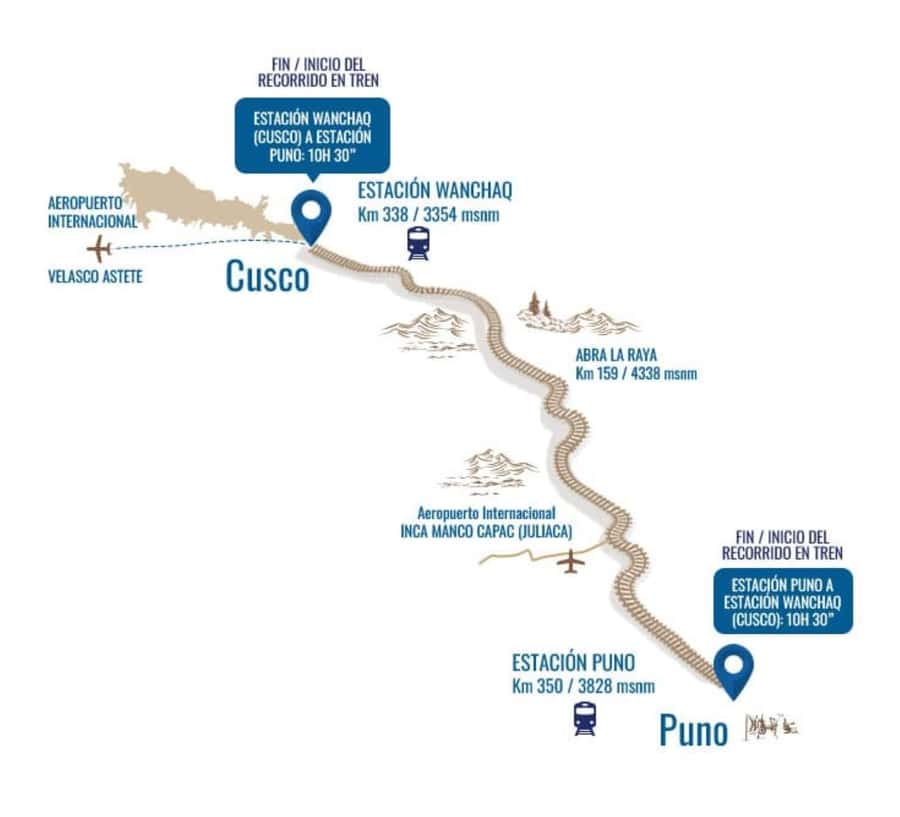
You can book Cusco to Puno or Puno to Cusco. The best choice depends on where you are staying before and after the journey.
Starting in Cusco lets you leave from the city linked with Machu Picchu and cross into the highlands before finishing beside Lake Titicaca. Starting in Puno reverses the route and gives you a comfortable rail day toward Cusco.
Do not choose the direction based only on the idea that one must be better. The same main services are included in both directions, and the scenery will depend on weather, time of day, and your side of the train. Choose the option that avoids backtracking and fits your hotel bookings.
The most useful planning tip is to build in some flexibility around arrival. A 10-hour train day can be tiring, and the information supplied does not give a precise arrival time. Avoid scheduling a flight, major tour, or tight connection immediately afterward unless you have confirmed the train timetable.
Practical packing advice for a high-altitude day
Bring your passport or ID card, including the required identification for children. You will also want a camera, cash, a credit card, comfortable clothing, and proof of travel insurance.
Dress in layers. The train cars may feel comfortable while the open-air balcony and Abra La Raya stop can feel much colder. A jacket, hat, and sun protection are sensible because high-altitude sunlight can be strong even when the air feels cold.
Keep valuable items and essentials in your personal bag. The stated limit for personal belongings is 8 kilograms, while hold luggage is handled separately. Pack medication, identification, money, and anything you need during the day where you can reach it.
Smoking is not permitted indoors, in the vehicle, or on the train service. Pets, drugs, fireworks, explosives, littering, and making fires are also prohibited. The rules are straightforward, but they matter on a long shared journey.
Who should book this experience
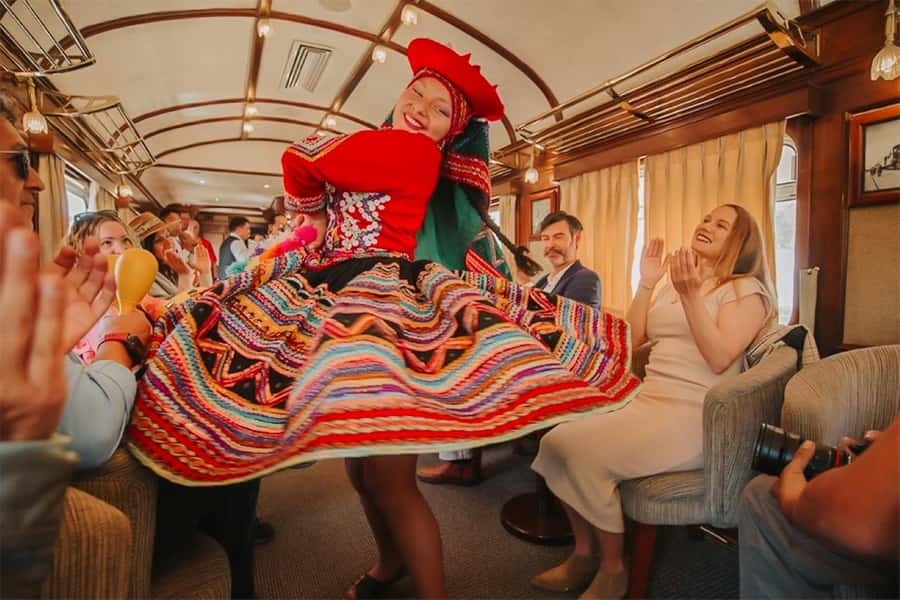
I would point you toward this train if you want the journey to feel like part of your Peru holiday rather than a gap between destinations. It suits couples, families, and passengers who enjoy good food, live entertainment, changing scenery, and a more polished rail setting.
Families should note the child pricing. Infants under 3 do not pay when they share a parent’s seat. If an infant needs a separate seat, the ticket is discounted by 25 percent. Children from 3 to 11 receive a 25 percent discount.
The train also works well for anyone who wants to avoid arranging meals and station transfers on their own. Hotel pickup, food, entertainment, and luggage arrangements are all built into the day.
I would be more cautious if you dislike long organized activities, have difficulty with high altitude, or are mainly looking for the cheapest transport. The route is long, and the performance program may not suit passengers who want silence.
Cancellation is flexible up to 24 hours before departure for a full refund, and you can reserve now and pay later. Date or seat changes must also be requested at least 24 hours before departure and depend on available space.
Should you book the Titicaca train?
Book it if you see the Cusco to Puno connection as a sightseeing day. The observatory balcony, three-course lunch, cultural show, Pisco sour demonstration, and Abra La Raya stop give the trip plenty of structure. The strongest points are the food service and the friendly, well-organized onboard program, both of which help the long ride pass comfortably.
Skip it if you need a fast, inexpensive transfer or want to set your own schedule. At $445, the price only makes sense when you plan to enjoy the train itself.
For the right passenger, this is a graceful way to cross the Andes: slow enough to see the country, comfortable enough to enjoy the ride, and lively enough that the day never feels like mere transportation.
FAQ
How long does the Titicaca train experience last?
The journey lasts about 10 hours. Starting times can vary, so check availability when booking.
Can I take the train from Cusco to Puno and from Puno to Cusco?
Yes. The ticket is available for Cusco to Puno or the reverse direction.
Is hotel pickup included?
Yes. Pickup from your hotel in Cusco or Puno is included, with service scheduled for about 6:30 in the morning.
What food and drinks are included?
The experience includes a hot welcome drink, snacks, a three-course gourmet lunch, and afternoon tea. Beverage service is available in the bar car, and a Pisco sour demonstration is included.
Is the train wheelchair accessible?
Yes. The activity is listed as wheelchair accessible. Contact the provider in advance about your specific needs.
What should I bring to the train?
Bring your passport or ID card, a camera, credit card, cash, comfortable clothing, and travel insurance. Personal items should not exceed 8 kilograms, or 17.64 pounds.
Just added for rail travellers in Cusco
- Private Machu Picchu Day Tour by Panoramic Train★ 5.0 · 32 reviews
- Excursion to MachuPicchu with Train Vistadome Full Day★ 4.5 · 31 reviews
- Belmond Hiram Bingham Train to Machupicchu – Full Day★ 4.5 · 33 reviews
- Inca Trail 4 Day Adventure to Machu Picchu with Panoramic Train★ 5.0 · 34 reviews
- From Cusco: Machu Picchu Private Day Trip on Panoramic Train★ 5.0 · 6 reviews
- Cusco: 4-Day Lares Trek to Machu Picchu with Panoramic Train★ 4.9 · 20 reviews
- Cusco: 4-Day Salkantay Trek to Machu Picchu, Panoramic Train★ 4.3 · 17 reviews
- 2-Day Inca Trail Hike to Machu Picchu & Panoramic Train★ 4.7 · 7 reviews
Cusco Train Journeys, compared.
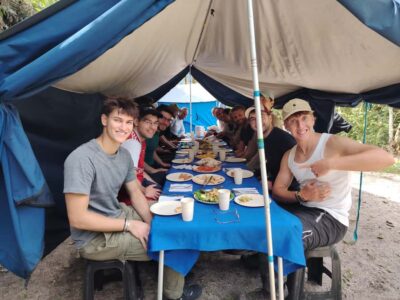
Machu Picchu 2-Day Inca Trail with Panoramic Train
Read our review →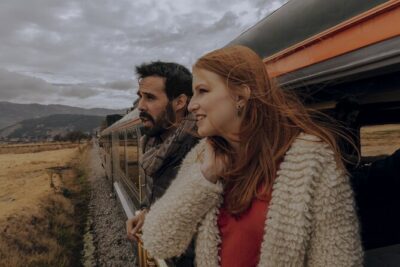
The First Class Machu Picchu Train by Inca Rail
Read our review →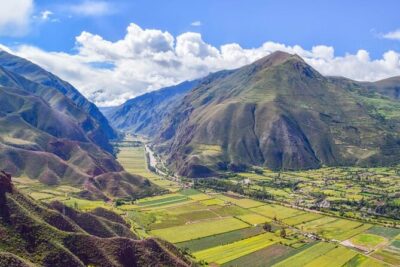
Excursion to the Sacred Valley and Machu Picchu by Panoramic Train
Read our review →
Excursion to Machu Picchu in 1 day from Cusco with Vogager Train Inca Rail
Read our review →
Inca Trail 4 Day Adventure to Machu Picchu with Panoramic Train
Read our review →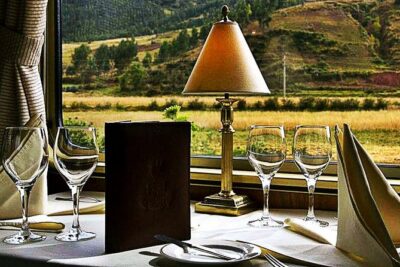
Belmond Hiram Bingham Train to Machupicchu – Full Day
Read our review →
Private Machu Picchu Day Tour by Panoramic Train
Read our review →
Excursion to MachuPicchu with Train Vistadome Full Day
Read our review →Browse the lists this tour appears in