
Review · DEATH RAILWAY TOURS
Bangkok: Kanchanaburi, River Kwai & Death Railway Tour
The most moving part of this day is its contrast: you begin at the carefully kept Kanchanaburi War Cemetery, confront wartime artifacts at the JEATH Museum, then see the famous River Kwai bridge before ending high above the countryside at Tiger Cave Temple. It is a serious history outing with a scenic finish, not just a photo stop.
I like the small group size, limited to nine, and the air-conditioned van, which matters on a day that can reach 42 C. I also like the mix of purpose: the cemetery and museum give the Death Railway human meaning, while the bridge, train line, and temple keep the day varied.
The main drawback is the road time. You can spend roughly five and a half hours in the van, depending on traffic, with a long return stretch after a full day in the heat. If you want a relaxed, slow-paced visit to each site, this schedule may feel brisk.
Key points to know before you book
- The day starts with World War II history: Begin at the Kanchanaburi War Cemetery and JEATH Museum before seeing the River Kwai bridge.
- The group is small: Shared tours are limited to nine people, while a private option gives you more control over questions and pacing.
- The return to Bangkok is long: Plan for an early start, a tiring final drive, and plenty of water.
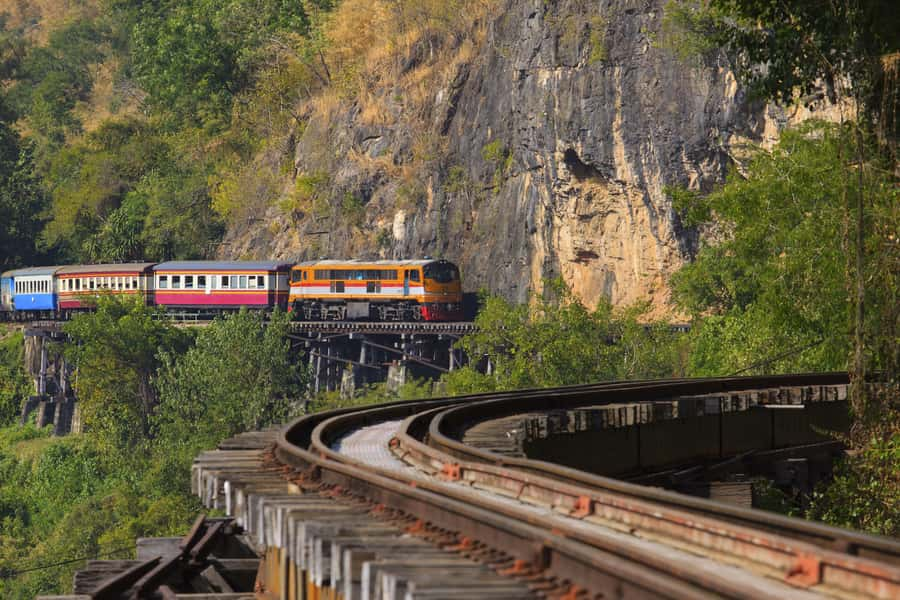
- Tham Krasae adds a scenic railway stop: You can watch trains pass beside the cliffside track and stop for lunch nearby.
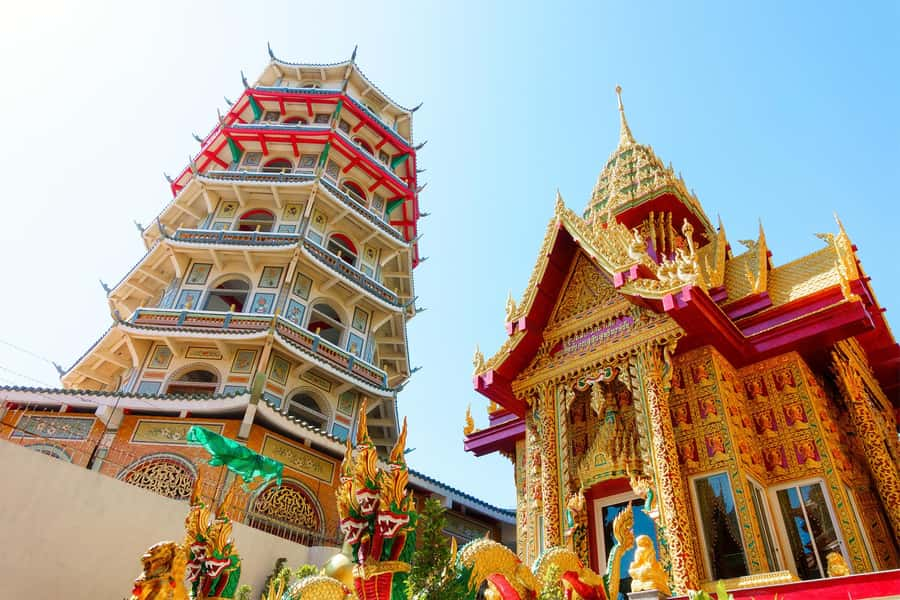
- Tiger Cave Temple requires a steep climb: The reward is an 18-meter Buddha statue and broad views from above.
- The price includes useful basics: At $102 per person, you get transport, an English-speaking guide, JEATH Museum admission, glass-bottled water, and carbon offset credits. Lunch and personal spending are extra.
Why Kanchanaburi makes a worthwhile day from Bangkok
Kanchanaburi is not a quick hop from Bangkok. The first van ride takes about two and a half hours, and the return can take around three hours, sometimes longer with traffic. That sounds demanding because it is, but the region gives you a side of Thailand that Bangkok cannot provide.
The Death Railway was built during World War II under the Japanese Empire. Prisoners of war and civilians from several countries were forced to work in harsh conditions on the Siam-Burma Railway. The stops on this tour help you see the story in stages, from graves and museum objects to the surviving bridge and railway.
You should choose this outing because you want context, not just scenery. The bridge is famous, but the cemetery and museum are what give the day weight. The temple and railway views then offer a change of pace, which helps keep the experience from becoming one long museum visit.
The tour is also GSTC-certified and provides drinking water in a glass bottle while offsetting carbon emissions. Those steps do not erase the impact of a long road trip, but they give you a lower-impact way to arrange a hard-to-reach area from Bangkok.
More Death Railway Tours in Bangkok:
- From Bangkok: Death Railway & Hellfire Pass Tour with Lunch
★ 4.6 · 931 reviews - Bridge on the River Kwai and Thailand-Burma Railway Tour
★ 4.5 · 658 reviews - Bridge on the River Kwai and Thailand-Burma Railway Guided Tour
★ 4.5 · 353 reviews
The Kanchanaburi War Cemetery sets the tone
The first stop is the Kanchanaburi War Cemetery, with about 30 minutes to walk through the grounds and pay your respects. The cemetery is maintained with care, and its order and quiet make a sharp contrast with the brutal conditions faced by the people who built the railway.
Take your time with the names and dates rather than treating this as a quick photo stop. The cemetery honors prisoners of war and civilians who died during the railway project, so it provides a direct human link before you see the engineering works themselves.
Thirty minutes is enough for a respectful visit, but not enough for a long, independent study. Your guide can add background, and guides such as Fern, Jeerawat, Nina, Niranya, and Nat have been praised for explaining the sites and answering questions. The quality of the commentary can vary by guide, so ask questions early if you want more detail.
JEATH Museum: small, direct, and sometimes confronting
The JEATH War Museum follows the cemetery. Its name comes from the nationalities connected with the railway: Japanese, English, Australian, American, Thai, and Hollander. The museum contains weapons, tools, uniforms, medals, and replicas of prisoner living conditions.
You get about 30 minutes here, so focus on the displays that help you understand daily life on the railway. The replicas matter because they make the story physical. They show that this was not simply a construction project, but a forced labor system carried out under terrible conditions.
The museum is not a polished, high-tech attraction, and that may be part of its value. You should come ready for a modest historical display rather than a large national museum. One practical note: there are two JEATH museums in the area, and a past visit was affected by being taken to a different one than expected. If the exact museum matters to you, confirm the stop with your guide.
The River Kwai bridge is famous, but context improves it
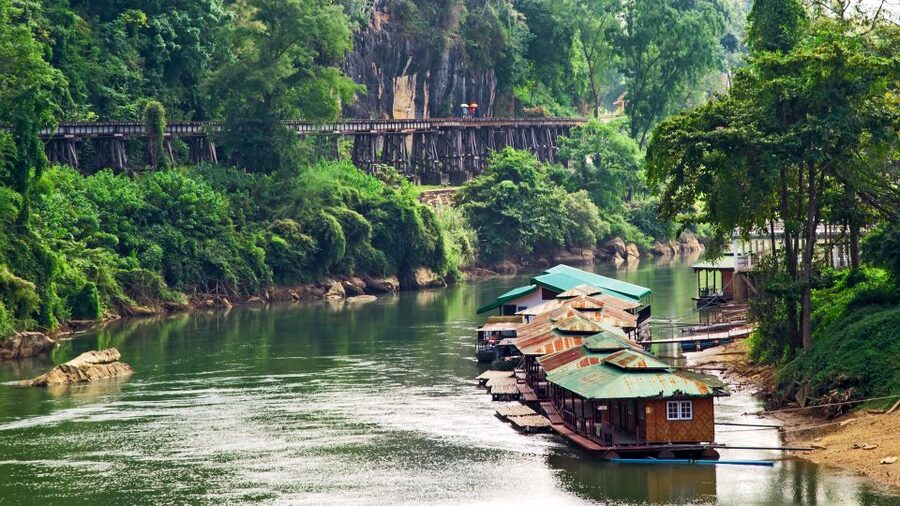
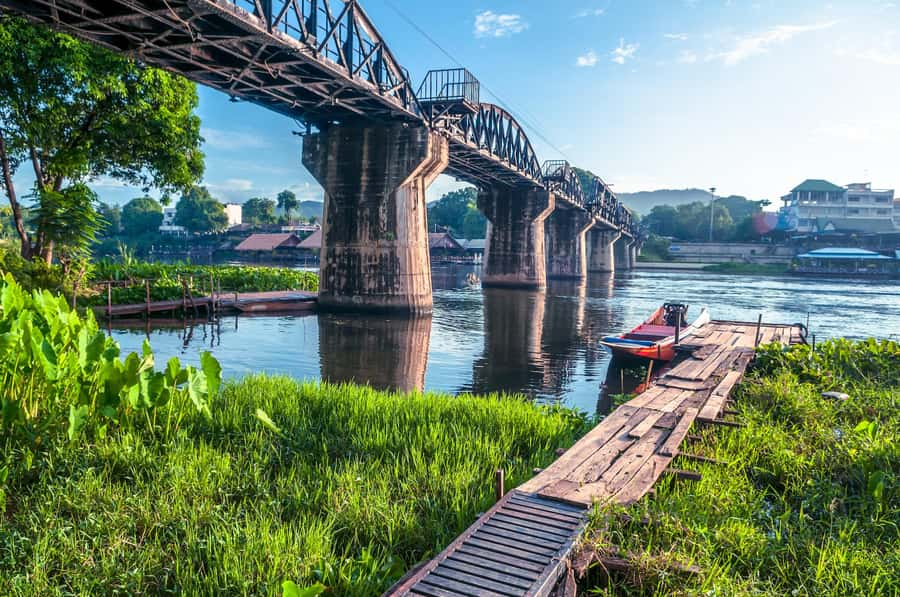
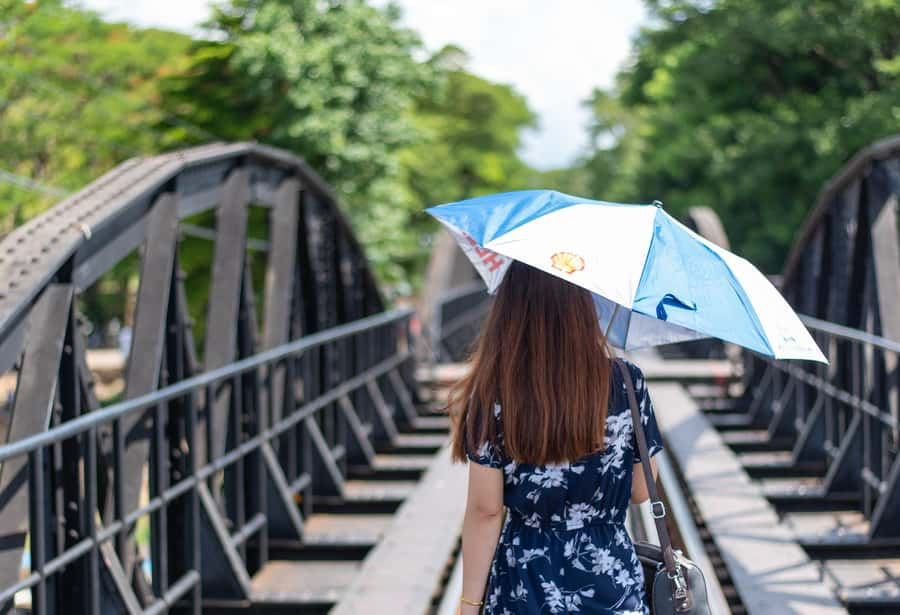
The bridge is the best-known stop, and you have roughly an hour and a half around the bridge area, though the exact flow can change with the day’s schedule. You can walk near the structure, take photographs, and think about the railway as a working line rather than a film prop.
The bridge became famous through the film The Bridge on the River Kwai, but the real story is more complicated than the movie. This is why the earlier cemetery and museum visits are important. Without them, the bridge can become a quick picture stop. With them, you understand why the structure carries such painful meaning.
Expect other people around one of the region’s major sights. The tour does not turn the bridge into a private experience, but the small group helps your guide keep things organized. Bring a camera, though I would give the cemetery and museum at least as much attention as the bridge itself.
More Train Journeys in Bangkok:
- Day Trip to Bangkok Floating Market & Maeklong Railway
★ 5.0 · 1,528 reviews - Bangkok: Railway and Floating Market Tour with Dragon Temple
★ 4.6 · 1,225 reviews - Private Excursion to Maeklong Railway and Floating Markets
★ 5.0 · 850 reviews - From Bangkok: Railway & Damnoen Saduak Floating Market Tour
★ 4.6 · 775 reviews
Lunch near the railway and a train at Tham Krasae
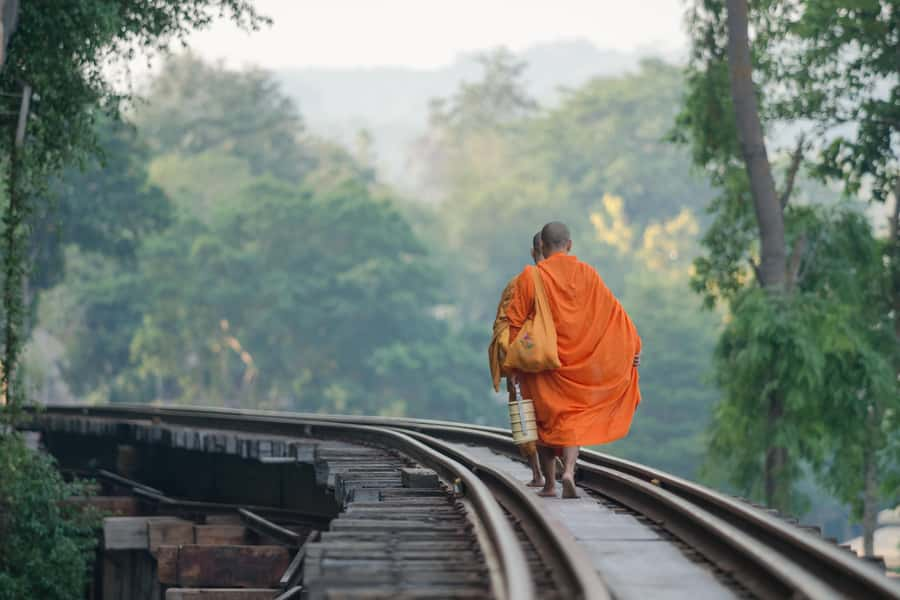
The schedule includes lunch at a local restaurant, followed by the Tham Krasae railway area. Lunch is not included, so carry cash. The food has received strong personal praise, and one guide brought the group to a particularly good restaurant, but the meal format and cost are not specified in advance.
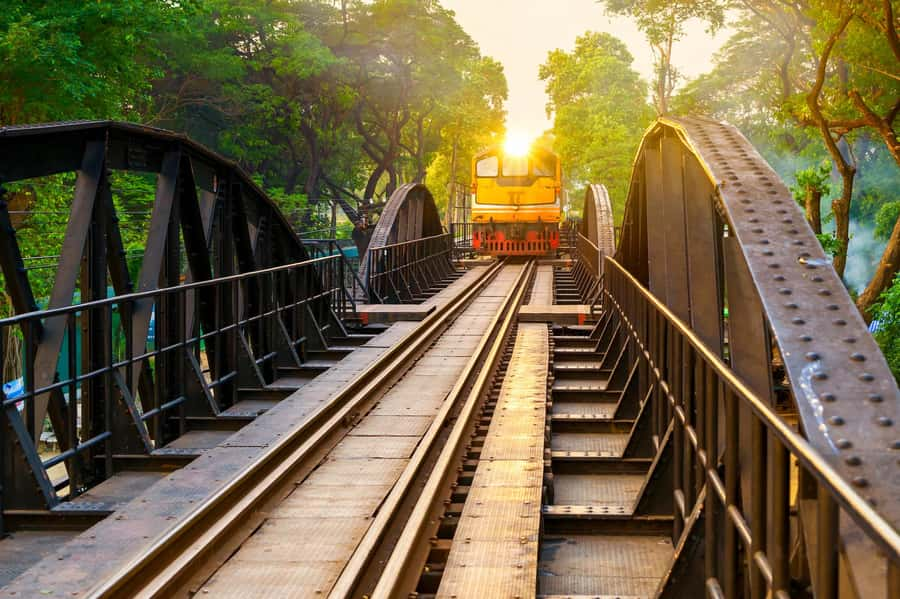
Tham Krasae is one of the prettiest parts of the day. The railway curves around a cliff, and you can see trains pass through the station area. This is where the history becomes part of the present: the line is not only preserved evidence, but an active railway.
You get about 30 minutes at the station, so do not expect a long walk or a full train ride. If a train is due, the stop becomes especially memorable. One past visit ended with a train heading toward Bangkok, an enjoyable bit of timing that cannot be guaranteed.
The area also gives you a chance to take strong photographs. Bring a camera, but keep your footing and follow your guide’s instructions near the railway. The tour information specifically describes sightseeing here, not boarding a train.
A short café break helps, but the day keeps moving
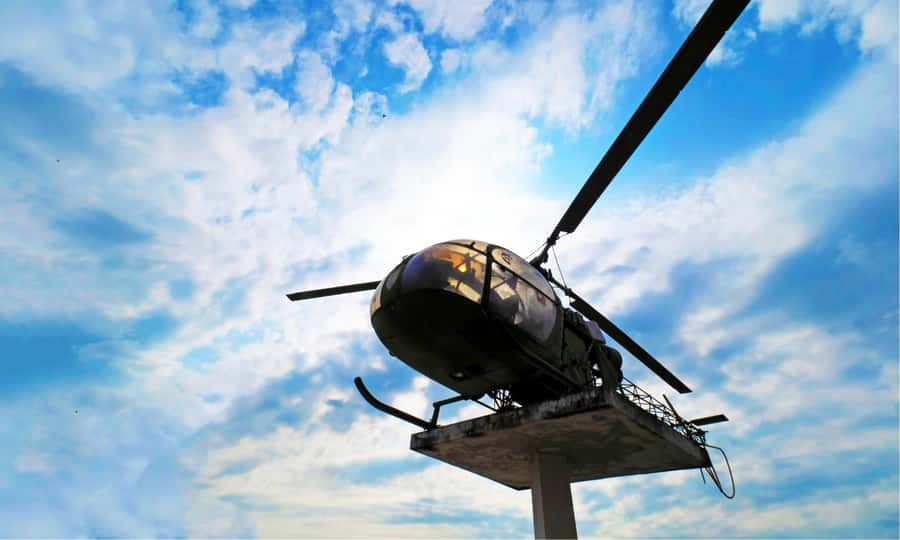
A 30-minute coffee stop comes after the railway. This is a small feature, but it matters after the early start, warm weather, and steady schedule. You can reset before the final major stop instead of going straight from the railway to the temple.
Do not expect the café to turn the day into a leisurely food tour. It is a practical pause. Lunch, coffee, bottled water, and personal purchases are separate from the listed tour price, so keep some cash with you.
Tiger Cave Temple rewards the climb
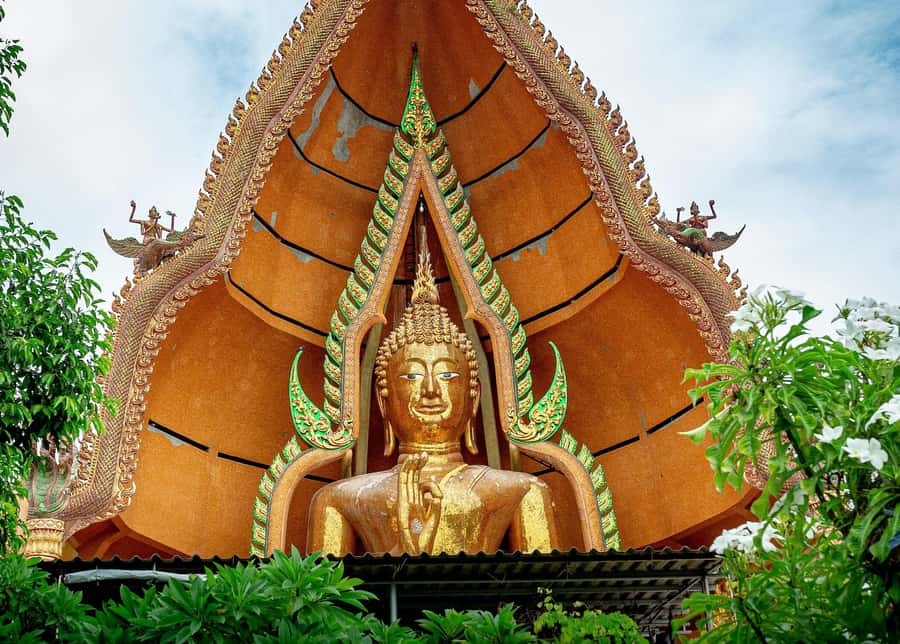
Wat Tham Suea, or Tiger Cave Temple, closes the sightseeing portion of the day. Its most striking feature is an 18-meter Buddha statue at the top, with wide views across the surrounding countryside. The temple also has tiger paw prints on the cave walls, an unusual detail to look for before or after the climb.
The climb is steep, and the heat can be intense. A past visit took place in temperatures above 42 C, where the temple felt stiflingly hot. Wear comfortable clothes, use sunscreen, carry water, and pace yourself. The provided glass bottle is useful, but you may want to bring additional water if you know you need more than usual.
The effort is worth it if you enjoy viewpoints and religious sites. You get a close view of the Buddha statue and a change from the solemn war sites below. Dress properly: short skirts, short shorts, and sleeveless shirts are not suitable for entering temples. Modest clothing is not just a courtesy here, it is part of being admitted respectfully.
You have about an hour at the temple. That is enough to climb, take photographs, and see the main features, but the steep route can make the visit feel short for anyone who needs frequent rests.
Transport, group size, and the real cost of the day
At $102 per person, the tour is priced as a full-day guided trip rather than a simple transfer. You are paying for a long-distance air-conditioned vehicle, an English-speaking guide, driver, museum admission, bottled water, and the convenience of linking several distant sites in one day.
The value is strongest if you are staying in Bangkok and do not want to arrange transport between Kanchanaburi’s separate sights. A private option costs more, but it can add real value if you want to ask many questions, stop for photographs, or move at your own pace. One private booking was described as more expensive but especially worthwhile for that freedom.
The shared option is limited to nine participants, which is a good middle ground. You avoid the feel of a large coach while still sharing the cost. Hotel pickup and drop-off are included only with the private option, according to the activity details. Pickup services require a hotel or registered accommodation, not a roadside meeting point or shopping mall.
The evening before, the team sends your pickup time and meeting point. Be in your hotel lobby 10 minutes early and look for the TripGuru sign. These small steps matter because a late start can cut into the already limited time at each site.
The transport receives a high rating for comfort, and the van’s air conditioning is a major benefit. Still, no vehicle can make a three-hour return drive feel short. Bring something to read, download anything you want before leaving, and plan your evening in Bangkok lightly.
Who will get the most from this tour
I would recommend this day to anyone who wants to understand the Death Railway while also seeing the bridge, an operating railway, and a Thai temple. It suits first-time visitors who want a guided introduction and people who prefer not to arrange regional transport on their own.
It is especially good for travelers with a strong interest in World War II history, though I would not choose it solely for temple sightseeing. The first half is serious and educational. The temple is a scenic final chapter, not the main point of the trip.
You should think twice if you dislike long road journeys, steep climbs, or fixed schedules. The day covers a lot of ground, and some stops can feel brief. The heat can make the return trip harder, especially after the temple climb.
Guide quality makes a noticeable difference. Fern has been praised for being engaged and helpful, Jeerawat for friendly explanations and a good restaurant choice, and Nat for answering questions, explaining Thai food, and taking photographs. Other guides have also been described as friendly and informative. English pronunciation and depth of historical detail may vary, so ask direct questions and check that the guide understands what you want from the day.
Practical advice for a smoother visit
Wear light, comfortable clothing that still covers your shoulders and knees at the temple. Sunscreen is essential, and cash is useful for lunch, coffee, and personal purchases.
Keep your camera ready at Tham Krasae, but do not let photographs take over the cemetery or museum. The strongest day balances attention with documentation.
Use the long van rides as part of the bargain. You are trading time on the road for a day that combines sites difficult to connect independently. If that trade seems fair, the tour works well. If you want a slow visit with extended time at each location, stay overnight in Kanchanaburi instead of making the round trip from Bangkok.
Cancellation is free up to 24 hours before departure, and you can reserve now and pay later. The tour is wheelchair accessible, though the steep climb at Tiger Cave Temple may still affect how comfortably you can experience that stop.
Should you book this Kanchanaburi tour?
Book it if you want a well-organized first look at Kanchanaburi, care about the people behind the Death Railway story, and accept a long day in a van. The small group, air conditioning, English guide, and well-chosen sequence of sites make the $102 price reasonable for a one-day visit from Bangkok.
Skip it if you want a relaxed schedule, dislike long drives, or mainly want a temple visit. For most people interested in the war sites, the cemetery, JEATH Museum, River Kwai bridge, and Tham Krasae make the journey worthwhile, while Tiger Cave Temple gives the day a memorable final view.
FAQ
How long does the Bangkok to Kanchanaburi tour last?
The tour lasts about 10 hours. The itinerary includes roughly two and a half hours traveling to Kanchanaburi and about three hours returning to Bangkok, with the rest divided among the visits, lunch, and café stop.
What is included in the $102 price?
The price includes an English-speaking guide, air-conditioned vehicle, JEATH Museum admission, a glass bottle of drinking water, and carbon emissions offset credits. Hotel pickup and drop-off are included if you select the private option.
Is lunch included?
No. Lunch at a local restaurant is not included, and personal expenses are also separate. Bring cash for lunch, coffee, and other purchases.
How large is the shared tour group?
The small-group tour is limited to nine participants. A private option is also available at a higher price.
What should I wear to Tiger Cave Temple?
Wear clothing that covers your shoulders and knees. Short skirts, short shorts, and sleeveless shirts are not allowed at the temple. Comfortable clothes and sunscreen are also recommended because the climb is steep and the weather can be very hot.
Is the tour wheelchair accessible?
Yes, the activity is listed as wheelchair accessible. However, the steep climb at Tiger Cave Temple may affect access to the Buddha statue at the top.
Just added for rail travellers in Bangkok
- Small Group: Kanchanaburi Death Railway, Erawan Waterfall and Elephant★ 4.0 · 3 reviews
- Train trip death railway Bridge on river Kwai from Bangkok to Kanchanaburi trip★ 4.0 · 17 reviews
- River Kwai Bridge and Death Railway World War II Tour in Thailand★ 5.0 · 2 reviews
- Historic Kanchanaburi: Train, Boat & Skywalk + Lunch From Bangkok★ 4.5 · 3 reviews
- Historic Kanchanaburi:Train, Boat, Skywalk from Bangkok(No Lunch)★ 5.0 · 2 reviews
- Bangkok: Railway and Floating Market Tour + Dragon Temple★ 4.5 · 9 reviews
- Private tour : Railway & Floating Market and the Bridge over river Kwae★ 5.0 · 2 reviews
- Maeklong & Damnoen Saduak Markets: Railway & Floating Market Tour★ 4.0 · 17 reviews
Death Railway Tours, compared.
Bridge on the River Kwai and Thailand-Burma Railway Guided Tour
Read our review →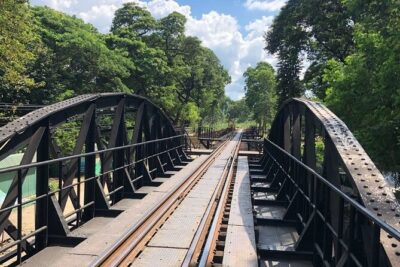
Bridge over River Kwai and Hellfire Pass Tour with Train Ride
Read our review →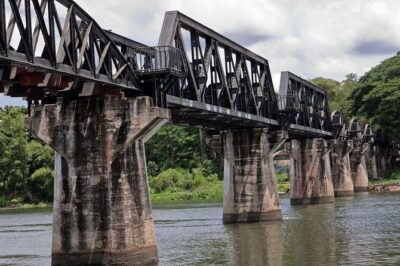
Private Tour: Thai–Burma Death Railway Bridge on the River Kwai from Bangkok
Read our review →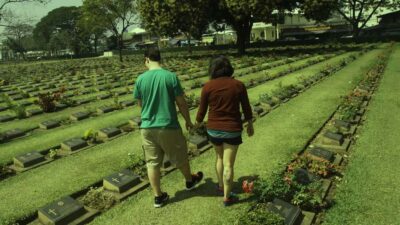
Death Railway & River Kwai Bridge Private Tour
Read our review →
Private Tour: Death Railway, Hellfire Pass and Erawan Waterfall
Read our review →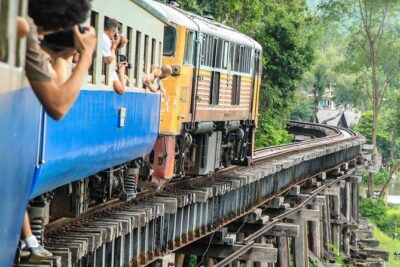
Bridge on the River Kwai and Thailand-Burma Railway Tour
Read our review →
Erawan Waterfalls-Death Railway & River Kwai Tour
Read our review →Browse the lists this tour appears in