
Review · DEATH RAILWAY TOURS
Kanchanaburi: River Kwai and Death Railway Day Tour
Kanchanaburi’s most powerful sights are tied to the Death Railway, and this tour gives you a useful one-day route through them. You’ll begin at the Kanchanaburi War Cemetery and JEATH Museum, then connect that difficult wartime story to the bridge, railway, and surrounding countryside.
I like the small group size, capped at nine, and the care taken with the transport. I also like that the tour includes both serious memorial sites and the Tiger Cave Temple, so the day is not only about wartime history. The main thing to know is that you see trains at Tham Krasae but do not ride the Death Railway, a point that disappointed at least one person who booked expecting a train journey.
Key points
- The day begins with the human cost: The war cemetery and JEATH Museum put names, objects, and living conditions behind the Death Railway story.
- The famous bridge is a short, focused stop: You can walk near the Bridge over the River Kwai and see the place made famous by wartime history and film.
- Tham Krasae offers the best railway scenery: Watch trains pass beside a cliff and stop for lunch, but do not expect a train ride.
- Tiger Cave Temple adds a physical challenge: A steep climb leads to an 18-meter Buddha and wide views over the surrounding countryside.
- Guides can shape the whole day: Na has been praised for her energy, care, and photography, while Ricky is noted for clear English and strong knowledge of the subject.
- It is a low-impact tour: Water comes in glass bottles, and carbon emissions are offset through the tour program.
Why this Kanchanaburi day works
This is a history-first day with a scenic finish. You move from graves and museum displays to the bridge and railway, then change pace at a temple with a demanding staircase. That order makes sense. The early stops need quiet attention, while the later stops give you room to walk, take photos, and stretch your legs.
The tour costs $96 per person. That is not the cheapest way to see Kanchanaburi, especially since lunch is extra and the train ride is not included. Still, the price covers an English-speaking guide, air-conditioned transport, entrance to the JEATH Museum, drinking water, insurance, and pickup and drop-off when you choose the private option. For a visitor without a car, the value lies in covering several separated sights in one day without having to arrange each transfer yourself.
You should think of this as an escorted overview rather than a slow, deeply personal visit to each place. The schedule gives you about 30 minutes at the cemetery, 30 minutes around the bridge, 90 minutes at Tham Krasae for lunch and sightseeing, 30 minutes at a local café, and one hour at the temple. That is enough to see the main points, but not enough for long museum reading or an unhurried temple visit.
More Death Railway Tours in Thailand:
- From Bangkok: Death Railway & Hellfire Pass Tour with Lunch
★ 4.6 · 931 reviews - Bridge on the River Kwai and Thailand-Burma Railway Tour
★ 4.5 · 658 reviews - Bridge on the River Kwai and Thailand-Burma Railway Guided Tour
★ 4.5 · 353 reviews
Starting early from Kanchanaburi
Pickup is available from accommodation in Mueang Kanchanaburi District or Lat Ya, with another option to meet at the Kanchanaburi Bus Terminal. For safety and traffic-law reasons, pickup is limited to hotels and registered accommodation, not roadsides or shopping malls.
Be ready in your hotel lobby 10 minutes before pickup. The team confirms the meeting time and point by email the evening before, and the guide carries a TripGuru sign. You travel in an air-conditioned van, with a transfer of about 30 minutes before the first main stop.
The group is limited to nine people, which matters here. A smaller group makes it easier to hear the guide at the cemetery and museum, and it keeps the stops from feeling like a large procession. A private option includes hotel pickup and drop-off, giving you more control over the start and end of the day.
Kanchanaburi War Cemetery: begin with names, not movie scenes
The Kanchanaburi War Cemetery is a carefully maintained place, and the neat rows of graves give the day its proper tone. You walk through the grounds while the guide explains the soldiers, prisoners of war, and civilians connected with the Death Railway, also known as the Siam-Burma Railway.
This stop is especially meaningful for visitors with family or national ties to the Second World War. Dutch graves are present, including those of young men who died here, many under 25. Even without a personal connection, the cemetery brings the scale of the project down to individual lives.
The 30-minute visit is enough to walk through the grounds and pay your respects. It is not enough to study every name or inscription, so you may want to decide in advance which matters more to you: listening closely to the guide or taking extra time among the graves.
This is also where a good guide earns the cost of the tour. Na has been praised for being energetic and considerate, while Ricky has been noted for explaining the subject in clear English. The tone should be respectful rather than rushed, and this stop benefits from a guide who can provide context without turning the cemetery into a lecture hall.
JEATH Museum: objects that show the daily ordeal
The JEATH War Museum is named for the nationalities linked with the railway project: Japanese, English, Australian, American, Thai, and Hollander. The displays include weapons, tools, uniforms, medals, and replicas of the cramped conditions in which prisoners of war lived.
I find this museum useful because it moves the story beyond a famous bridge. The railway is often reduced to a few images from popular culture, but the museum points to the labor, hardship, and military setting behind it. You see physical objects and recreations that help explain what the people involved faced.
Entrance to the JEATH Museum is included. Allow yourself time to look at the displays rather than treating it as a quick photo stop. The museum is compact within the day’s schedule, so your guide’s explanation helps you sort out what matters most.
Some people may find the museum presentation basic compared with a large national museum. That is not necessarily a flaw, but you should come ready for a direct, old-fashioned display rather than a polished multimedia attraction. The value is in the subject matter and the guide’s explanation.
More Train Journeys in Thailand:
- Day Trip to Bangkok Floating Market & Maeklong Railway
★ 5.0 · 1,528 reviews - Bangkok: Railway and Floating Market Tour with Dragon Temple
★ 4.6 · 1,225 reviews - Bangkok: Ayutthaya, Railway & Floating Markets Full-Day Tour
★ 4.7 · 1,200 reviews - Private Excursion to Maeklong Railway and Floating Markets
★ 5.0 · 850 reviews
The Bridge over the River Kwai: a brief but important stop
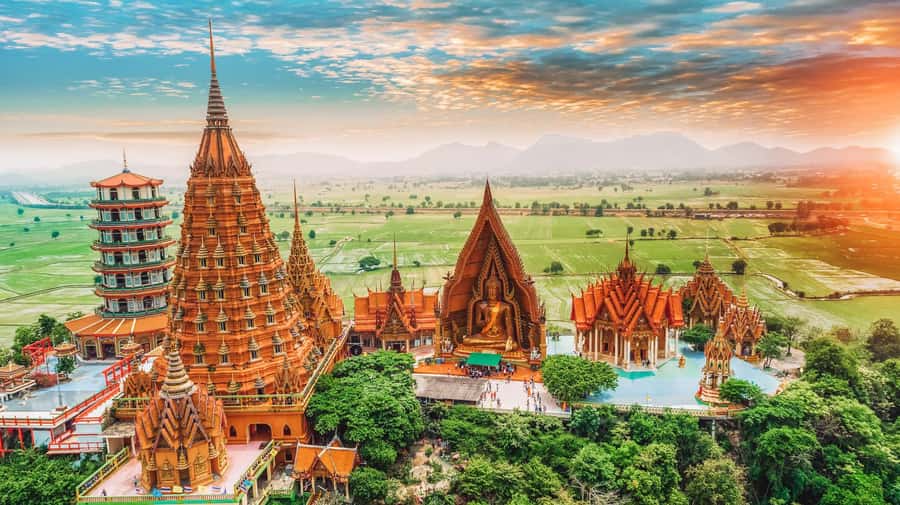
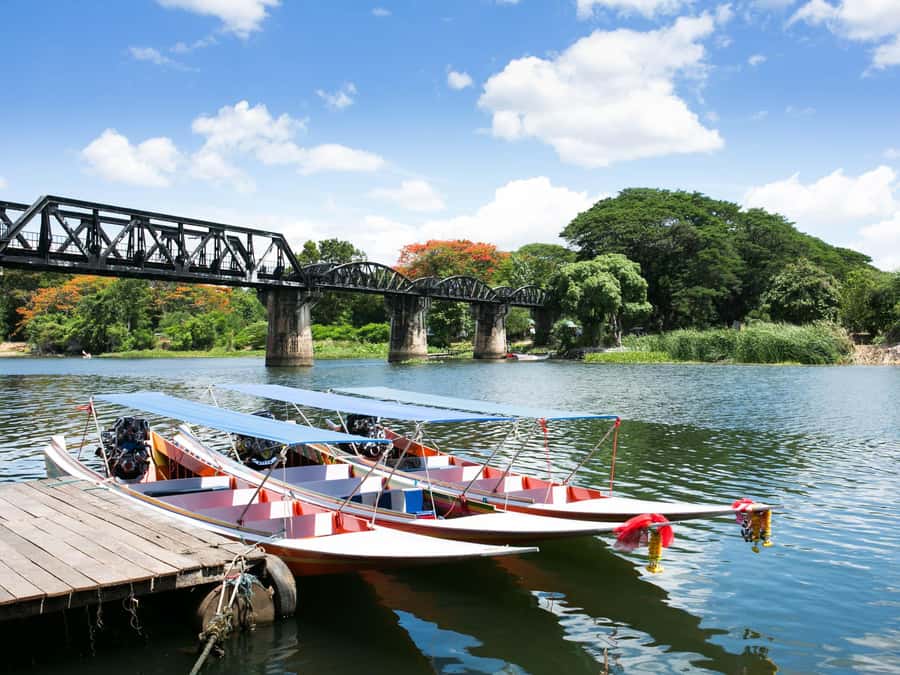
The bridge is the most recognizable sight on this route. You get time to walk around the area, view the structure, and connect the museum story with a real section of railway.
This is a 30-minute sightseeing stop, so keep your expectations in check. You are not settling in for a long river visit or a detailed railway tour. The appeal is seeing the bridge in person and understanding its place within the wider Death Railway story.
The bridge can feel more public and active than the cemetery. That contrast is useful. The cemetery asks for silence, while the bridge is a working historical site where people come to look, take pictures, and watch the railway. Your guide can help keep the focus on what happened here, rather than only on the famous name.
The tour does not include a train journey across the bridge. If riding the railway is one of your main reasons for coming to Kanchanaburi, check that detail carefully before booking or arrange a separate rail trip.
Tham Krasae: the most scenic railway section
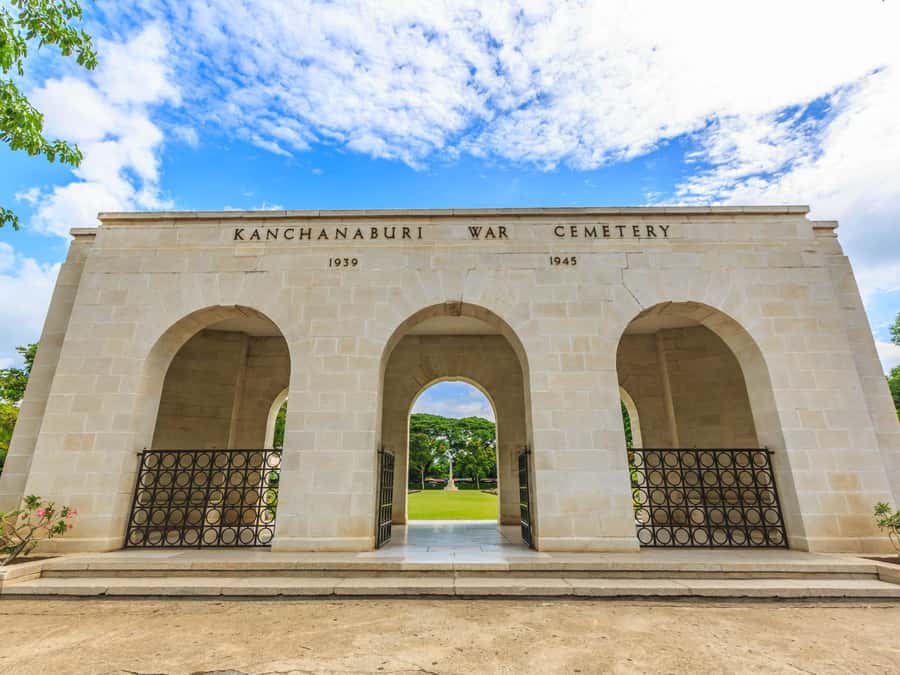
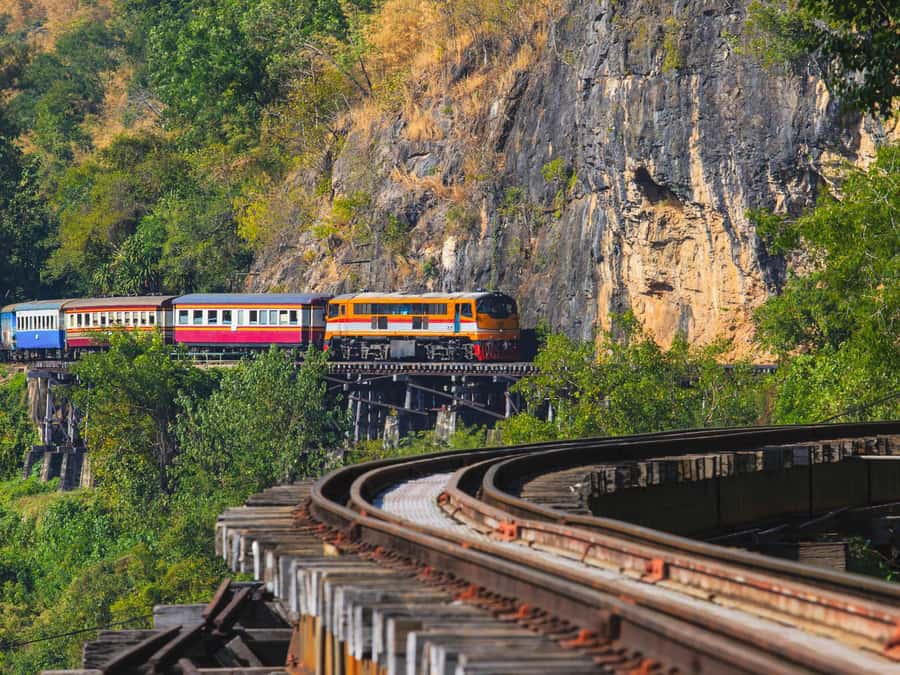
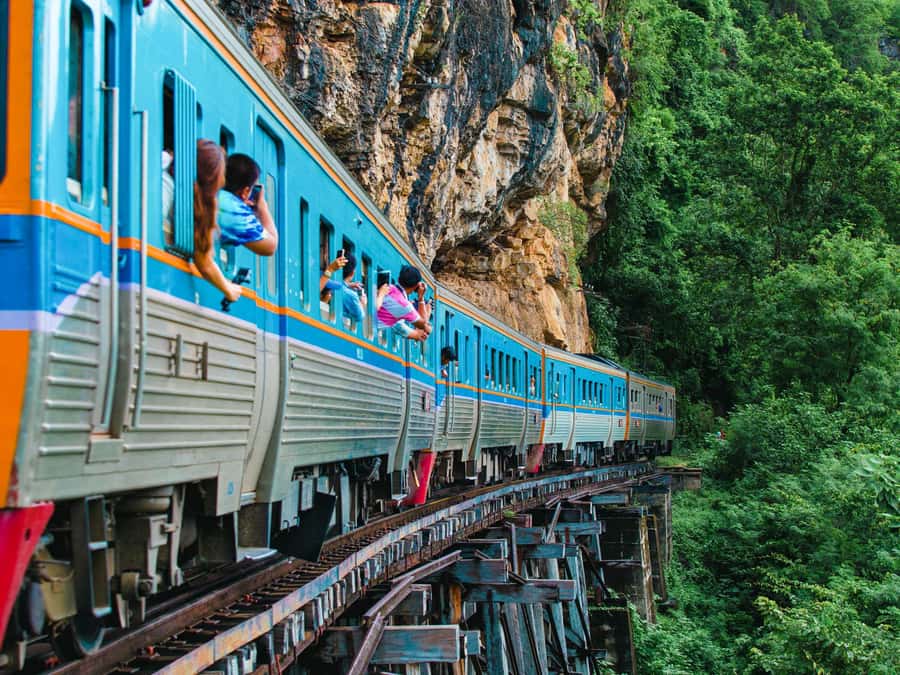
At Tham Krasae Station, the railway curves around a cliff and offers some of the day’s strongest scenery. You can see trains pass, walk around the station area, and take in the railway’s dramatic position beside the river and rock face.
This is the longest stop, with about 90 minutes for lunch and sightseeing. Lunch is not included, so budget separately for your meal and any drinks or personal purchases. The extra time gives you a chance to eat without turning the stop into a frantic refueling break.
Tham Krasae is where the practical and historical sides of the tour meet. You see that this is still a railway, not only a memorial site. At the same time, the route around the cliff makes clear why this section is so memorable.
Do not confuse seeing trains with taking the train. You watch rail service pass through the station, but the package does not include a ride. That distinction is the single most important limitation for anyone comparing this tour with a dedicated Death Railway train trip.
A coffee stop before the temple climb
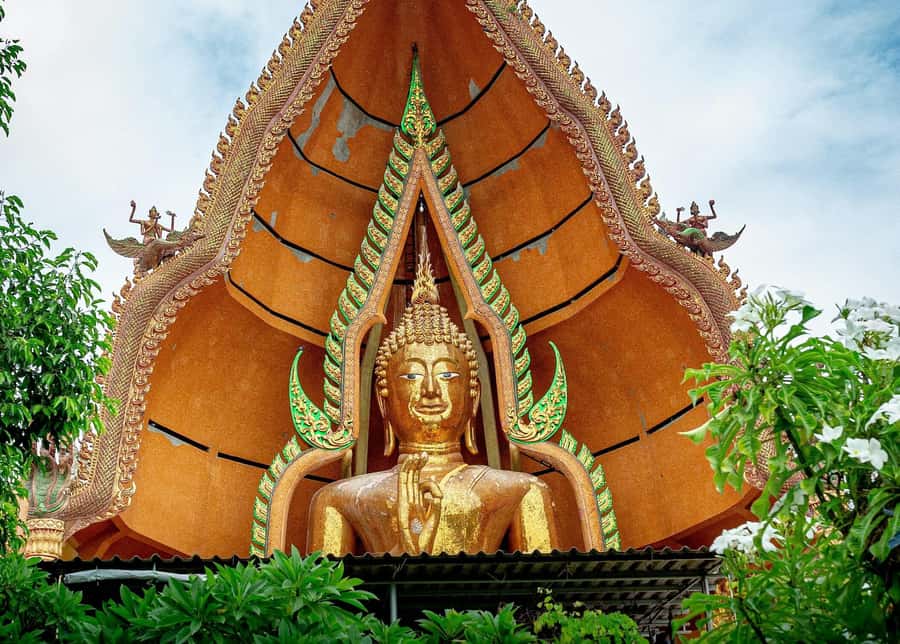
A 30-minute break at a local café gives you a chance to sit down before the final major visit. That may sound minor, but it is well placed. By this point, you have spent the morning walking through a cemetery, museum, bridge area, and railway station.
The café stop also breaks up the drive and gives you time to buy a drink at your own expense. Since the tour supplies drinking water, you do not need to rely on the café for basic hydration, but a cold or hot drink can make the final section more comfortable.
Tiger Cave Temple: a steep finish with a big Buddha
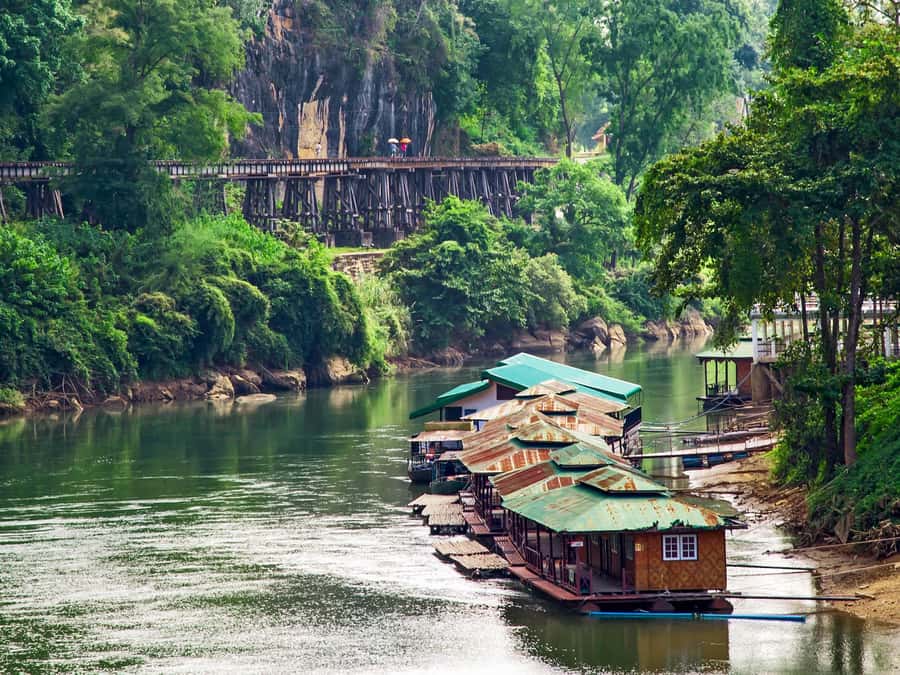
Wat Tham Suea, or Tiger Cave Temple, changes the mood of the day. The temple is known for tiger paw prints on its cave walls and an 18-meter Buddha statue at the top.
The climb is steep. You should wear practical shoes and expect real exertion, not a flat temple stroll. The reward is a close view of the gleaming Buddha and broad views across the surrounding countryside. You also get the most active part of the tour, which can feel welcome after several history-focused stops.
Temple dress rules matter. Do not wear shorts or short skirts, and avoid mini skirts and short shorts. Bring a sun hat, sunglasses, and sunscreen, since the climb and open areas can feel hot. The tour is not suitable for people with mobility impairments or pregnant women.
If you have some mobility limits but can manage stairs with help, tell the guide before the climb. Na has been praised for assisting a guest with mobility issues at the temple and for being thoughtful throughout the day. That does not remove the physical demands, but it suggests that a considerate guide can make the stop more manageable.
You should also allow time to look at the cave markings and the temple details, not only the Buddha. With about one hour here, you can see the main features, take photos, and enjoy the view, though a slow temple visit may require a separate outing.
Transport, group size, and the low-impact details
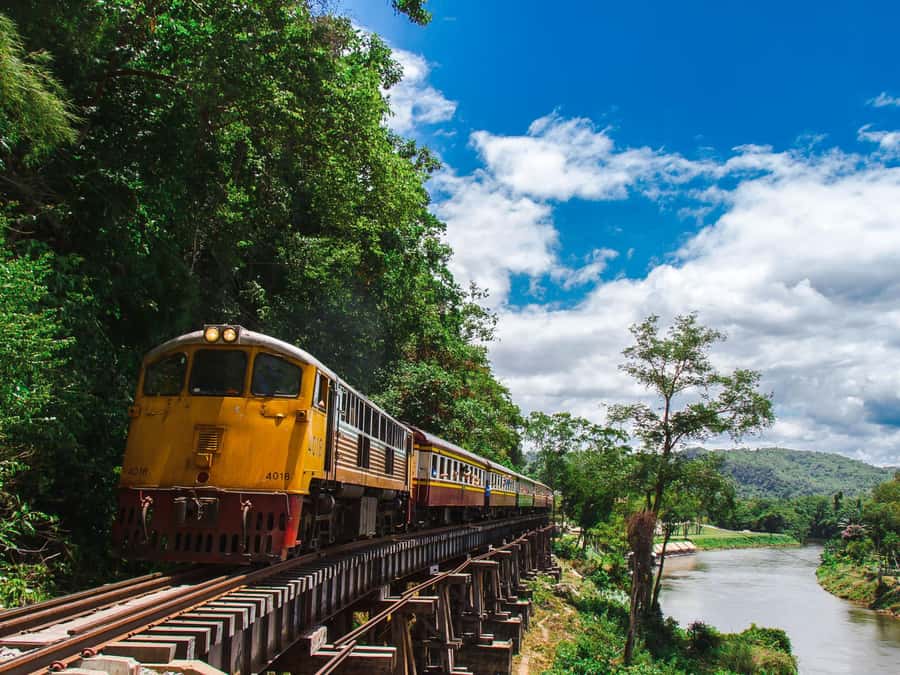
The air-conditioned van is a practical advantage in Central Thailand. You have a cool place to rest during the drives, including the longer return trip of about 90 minutes. The vehicle also removes the need to negotiate separate rides between sites.
A group of up to nine is small enough for personal questions and guide commentary without giving you the full privacy of a private tour. Choose the private option if hotel pickup and drop-off are especially important or if you want a more personal pace.
The tour supplies water in glass bottles and offsets carbon emissions through credits. These steps do not make a full day of driving impact-free, but they show an effort to reduce waste and account for transport. If responsible travel matters to you, this is a useful feature to compare with other day trips.
The tour runs for eight hours and includes insurance. Cancellation is free up to 24 hours before departure, and you can reserve now and pay later. Those terms help if your Kanchanaburi plans are still changing.
Who should book this day
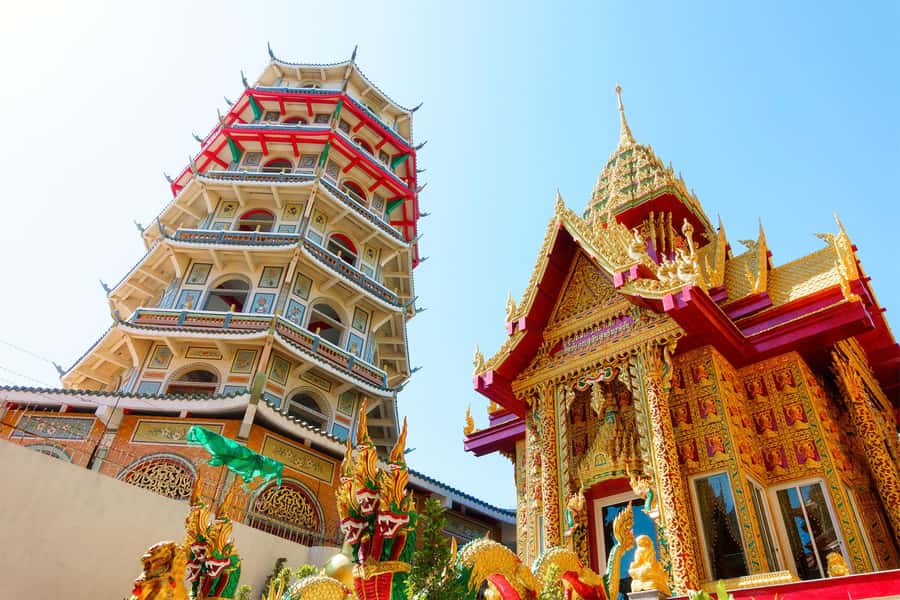
I would choose this tour if you want one guided route through the major Death Railway sights and do not want to arrange transport yourself. It suits first-time visitors who want context at the cemetery, museum, bridge, and railway, then a temple visit to round out the day.
It is also a good match for people who value a small group and a live English-speaking guide. Guides such as Na and Ricky have shown how much a warm, well-informed escort can add, particularly at the cemetery and temple.
You should think twice if your priority is riding the Death Railway. This tour takes you to the railway, lets you see trains, and visits Tham Krasae Station, but the train itself is not part of the day. You should also reconsider it if you dislike stairs, cannot follow temple clothing rules, or want hours at one museum rather than a sequence of stops.
Should you book the River Kwai and Death Railway day tour?
Book it if you want a well-organized introduction to Kanchanaburi’s wartime sites, a small group, air-conditioned transport, and a guide who can connect the individual stops. The cemetery and JEATH Museum give the day weight, while the bridge, Tham Krasae, and Tiger Cave Temple keep it varied.
Skip it or choose another plan if a train ride is essential. At $96, the tour offers solid convenience and guiding, but lunch and personal expenses are extra, and the eight-hour schedule leaves limited time at each stop. For a first look at Kanchanaburi, it is a thoughtful and practical choice, as long as you understand that this is a railway history tour with railway views, not a train excursion.
FAQ
How long does the Kanchanaburi River Kwai tour last?
The tour lasts eight hours, including transport between the stops.
What languages does the guide speak?
The live guide is available in Thai and English.
Is hotel pickup included?
Pickup is included for the private tour option from hotels or registered accommodation in Mueang Kanchanaburi District or Lat Ya. You may also meet the guide at the Kanchanaburi Bus Terminal. Roadside and shopping mall pickup is not available.
Does the tour include a train ride?
No. You visit Tham Krasae Station, see trains pass, and view the railway around the cliff, but a train journey is not included.
Is lunch included?
No. Lunch at the Tham Krasae stop and personal expenses are paid separately.
What should I wear to Tiger Cave Temple?
Wear appropriate temple clothing. Shorts, short skirts, mini skirts, and short shorts are not allowed. Bring sunglasses, a sun hat, and sunscreen.
Just added for rail travellers in Thailand
- Kanchanaburi Tour: Erawan Waterfall and Death Railway★ 5.0 · 13 reviews
- Erawan Waterfall & Train Tour from Kanchanaburi – Full Day★ 4.0 · 16 reviews
- Kanchanaburi: Erawan Waterfall & Train Full-Day Tour★ 4.8 · 57 reviews
- Private Excursion to Maeklong Railway & Amphawa Floating Markets★ 5.0 · 84 reviews
- Train & Floating Market Food Adventure + Scenic train ride★ 5.0 · 102 reviews
- Maeklong Railway & Floating Market Tour (Private & All-Inclusive)★ 5.0 · 108 reviews
- Private Tour: Thai–Burma Death Railway Bridge on the River Kwai from Bangkok★ 4.5 · 172 reviews
- From Bangkok: Death Railway & River Kwai Bridge Private Tour★ 4.9 · 171 reviews
Death Railway Tours, compared.
Bridge on the River Kwai and Thailand-Burma Railway Guided Tour
Read our review →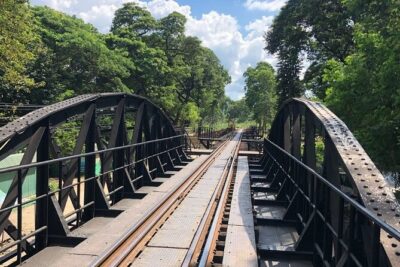
Bridge over River Kwai and Hellfire Pass Tour with Train Ride
Read our review →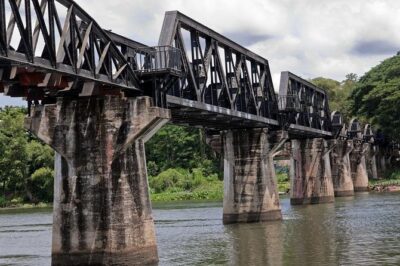
Private Tour: Thai–Burma Death Railway Bridge on the River Kwai from Bangkok
Read our review →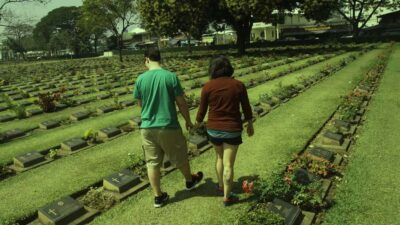
Death Railway & River Kwai Bridge Private Tour
Read our review →
Kanchanaburi Tour: Erawan Waterfall and Death Railway
Read our review →Browse the lists this tour appears in