
Review · MACHU PICCHU TRAIN TOURS
Cusco: 4-Day Salkantay Trek to Machu Picchu, Panoramic Train
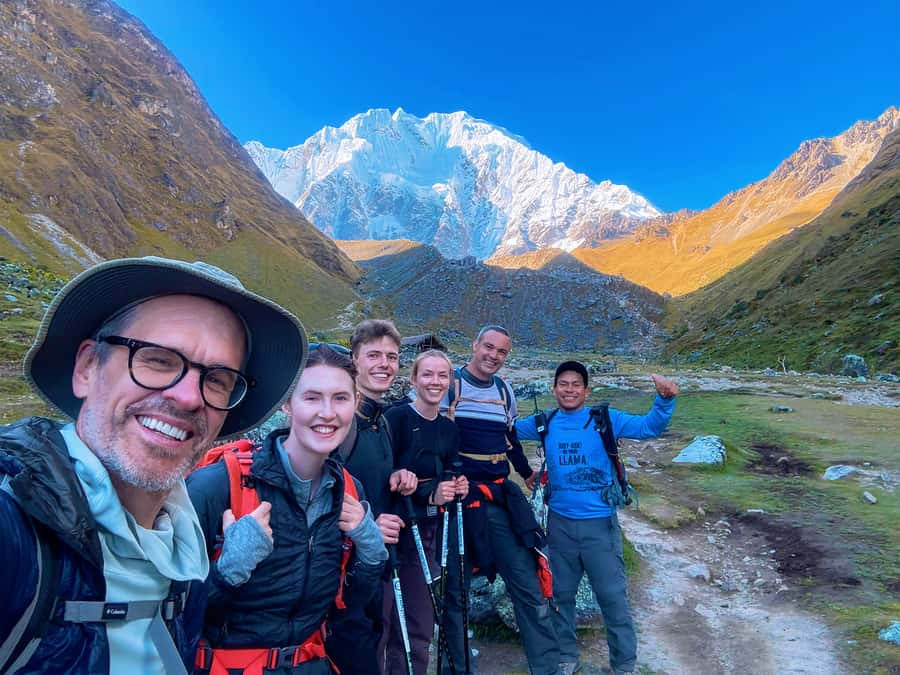
The best thing about this four-day Salkantay trek is the change in scenery. You begin among high Andean peaks and turquoise water, cross a serious mountain pass, then walk down through cloud forest before reaching Machu Picchu. It gives you far more than a direct visit to the ruins.
I like the thoughtful overnight setup, with a glamping camp, Andean huts, and a three-star hotel in Aguas Calientes. I also like the food-centered stops: a traditional Pachamanca barbecue and a visit to a coffee farm where you prepare your own espresso.
The main caution is the physical demand. Day two reaches 4,630 meters, and the second night’s huts and bathrooms may feel basic. A warm shower can also cost extra, so this is comfort-focused trekking, not a luxury escape.
Key points to know before booking
- The Salkantay Pass reaches 4,630 meters: Day two is the hardest section, with a steep two-hour climb followed by several hours of descent.
- Three different overnight styles: You sleep in a glamping tent, an Andean hut, and a three-star hotel in Aguas Calientes.
- Food is part of the experience: Trail meals, snacks, a Pachamanca barbecue, and a coffee activity are included.
- A small group keeps the trek manageable: The maximum group size is 16, with English and Spanish guides.
- The return journey is part of the reward: You travel back on either the Vistadome or 360° panoramic train.
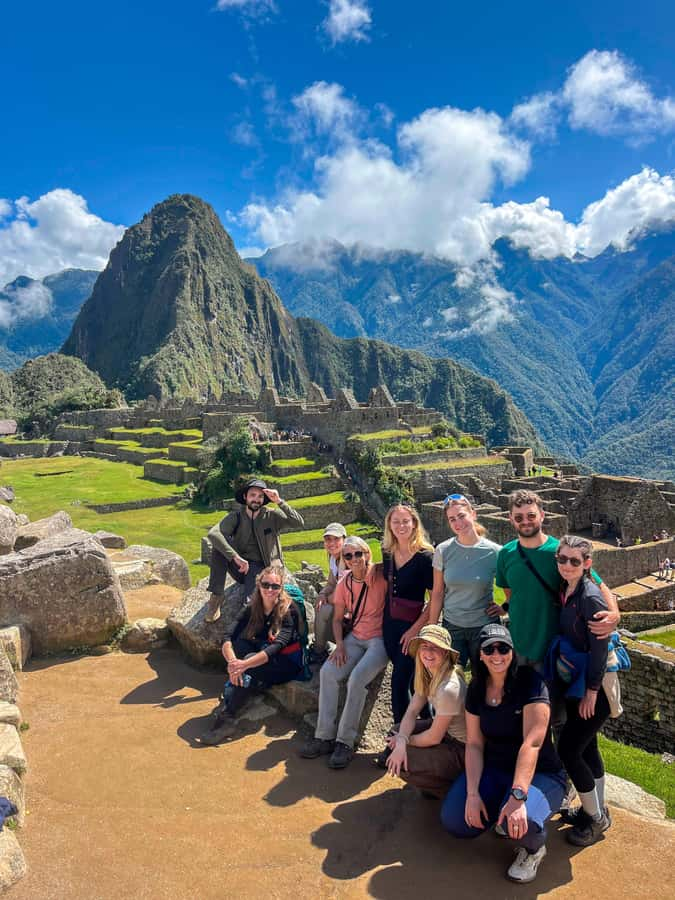
- Machu Picchu details need attention: Circuit 2 is normally assigned, while Huayna Picchu and Machu Picchu Mountain require advance booking.
Why this Salkantay route is worth considering
The Salkantay Trek is a strong choice if you want Machu Picchu to be the climax of a larger mountain journey. Instead of taking the train straight to Aguas Calientes, you earn the arrival by crossing from cold, high-altitude country into warmer forest.
That shift happens quickly. One day you are looking at snow-covered Salkantay Mountain and a lake below the pass. The next, orchids, flowers, hummingbirds, and thick greenery take over. I find that contrast more memorable than a trek that stays in one type of scenery.
You also get useful comforts along the way. A duffle bag service lets you send up to 7 kilograms of personal belongings, while the support team provides sleeping pads, pillows, rain ponchos, hand towels, water, and snacks. You still carry a daypack, but you do not need to haul everything you bring from Cusco.
The group size is limited to 16 people. That is small enough for a guide to keep an eye on the pace, though you should still expect different hiking speeds. The guides work with a front and back of the group, which matters on a route with long climbs and descents.
More Machu Picchu Train Tours in Cusco:
- Cusco: Machu Picchu 2-Day Inca Trail with Panoramic Train
★ 4.9 · 260 reviews - The First Class Machu Picchu Train by Inca Rail
★ 4.0 · 182 reviews - Excursion to the Sacred Valley and Machu Picchu by Panoramic Train
★ 5.0 · 45 reviews
Day one: Humantay Lake and the first night under the Andes
Your day begins early, with pickup around 4:30 a.m. from accommodation in Cusco’s historic center. Be ready in the lobby 10 minutes before departure. If you stay outside the Cusco district, you meet the group near the main square instead.
The drive leads through Andean valleys to Mollepata, where breakfast breaks up the early start. You then continue to Challacancha, the trailhead for Humantay Lake. This first hike is short compared with the later days, but it is not easy because of the altitude and the uphill route.
Humantay Lake is the morning highlight. Its clear, blue-green water sits below steep mountain slopes, giving you a dramatic first view before the main pass arrives. Take your time here, but remember that the trail must still continue to Soraypampa for lunch.
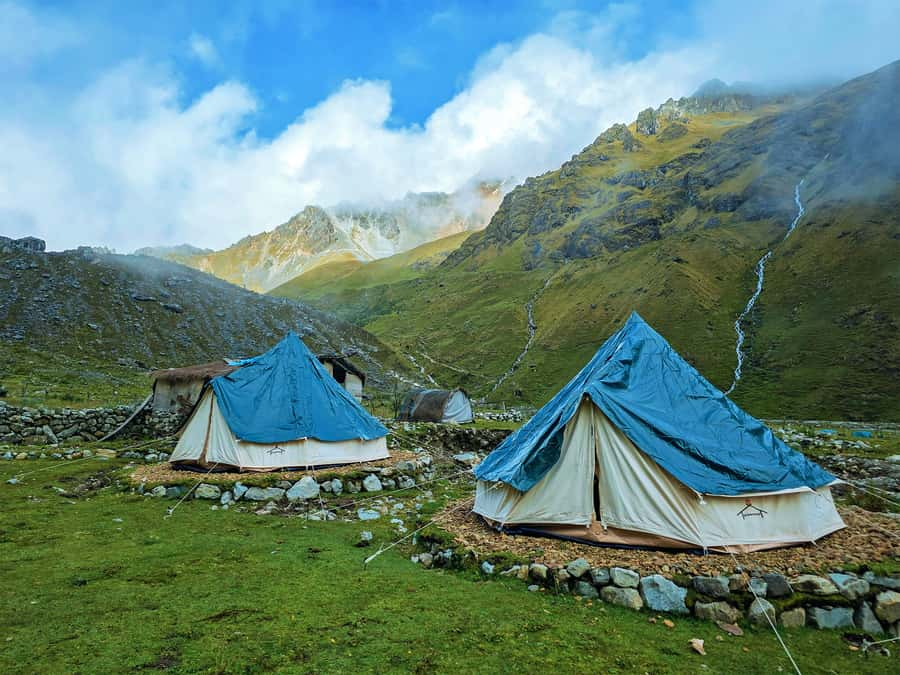
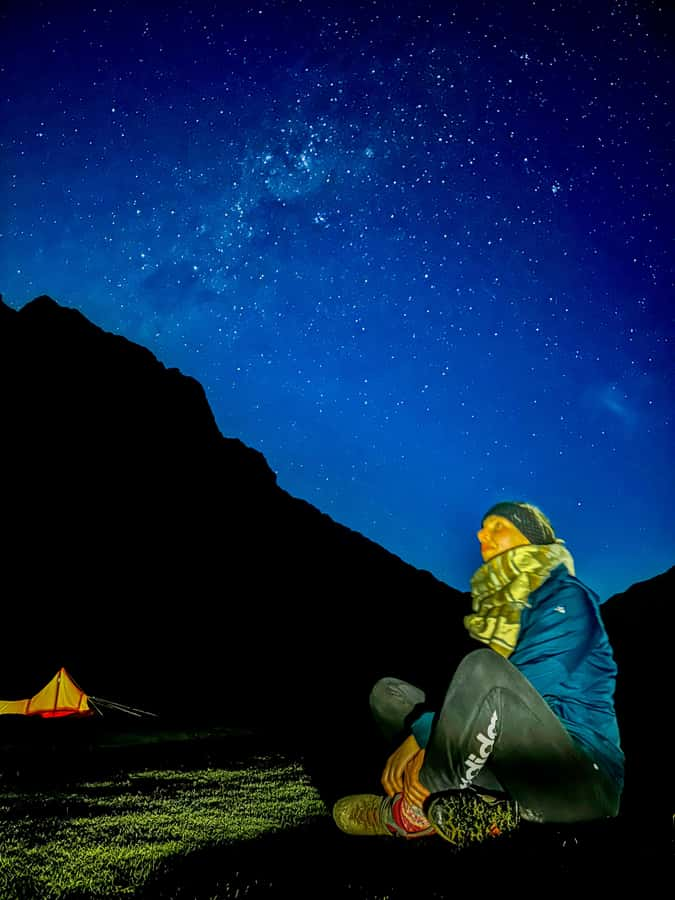
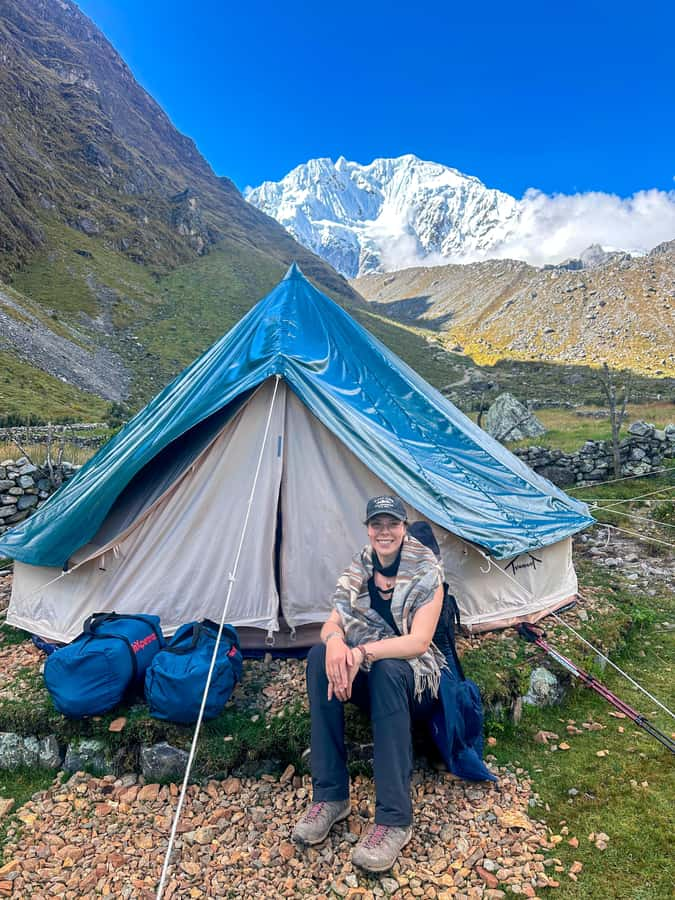
After lunch, the route continues toward the SalkaGlamp basecamp. The camp provides a more comfortable night than a standard mountain campsite, with cozy tents, a sleeping pad, pillow, and dinner. You can expect cold air after dark and strong mountain conditions, so pack warm layers even if the afternoon feels mild.
This is also the night to settle into the altitude. The guide serves coffee or coca tea the following morning, but do not treat that as a substitute for pacing yourself, drinking water, and following the safety briefing.
Day two: The 4,630-meter Salkantay Pass
Day two is the physical centerpiece of the trek. After breakfast, you climb for about two hours to the Salkantay Pass, also called Abra Salkantay, at 4,630 meters, or 15,190 feet.
At this height, the air is thin and the climb can feel slow. I would keep your pace deliberately steady rather than trying to stay with the fastest person in the group. This is the part of the route where altitude, not just fitness, determines how you feel.
At the top, the reward is a wide view toward Salkantay Mountain and the surrounding peaks. The setting is stark and open, with a sense of exposure that makes the pass feel earned. You also look down toward a lake beneath the mountain before beginning a long descent.
The next three hours lead to Wayracmachay for lunch. After eating, you continue downhill for another three hours toward the cloud forest. That is a long day, so trekking poles are worth considering. They are not included, but you can rent them.
The scenery changes as the trail loses height. Flowers, orchids, and hummingbirds replace the bare high country. This transition is one of the route’s best features, but the descent can be hard on knees and ankles. Comfortable hiking shoes with good grip are more important here than fashionable footwear.
The night is spent in Collpapampa in Andean huts. This is the weakest accommodation point for some people. The huts and bathrooms are simple, and a warm shower may cost extra. Set your expectations correctly: you are sleeping in a rural mountain setting, not a polished lodge.
Still, the location has value. After a demanding day, you are close to nature and can rest to the sounds of the forest. The crew’s organization matters here, and the guides can help keep the group moving at a workable pace.
Day three: Pachamanca, coffee, and the road to Aguas Calientes
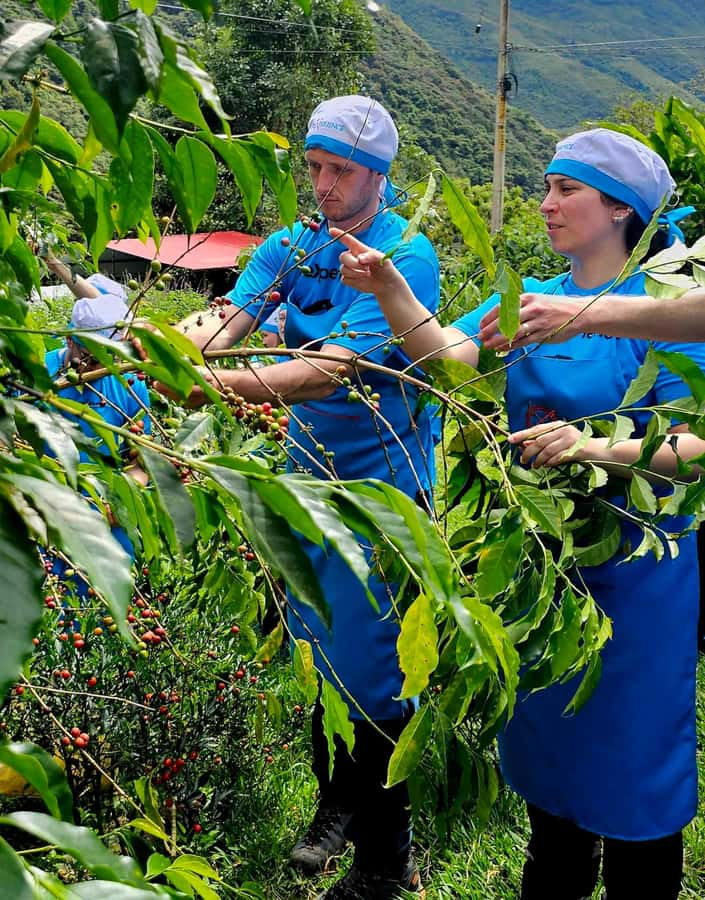
The third day feels less like a mountain test and more like a cultural and food-focused journey. After breakfast, you hike for roughly three hours to Lucmabamba.
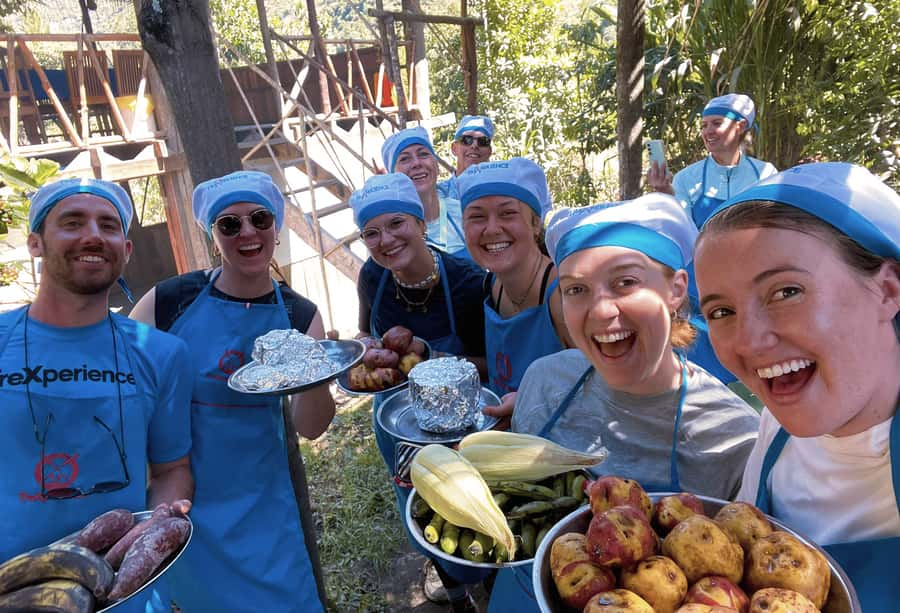
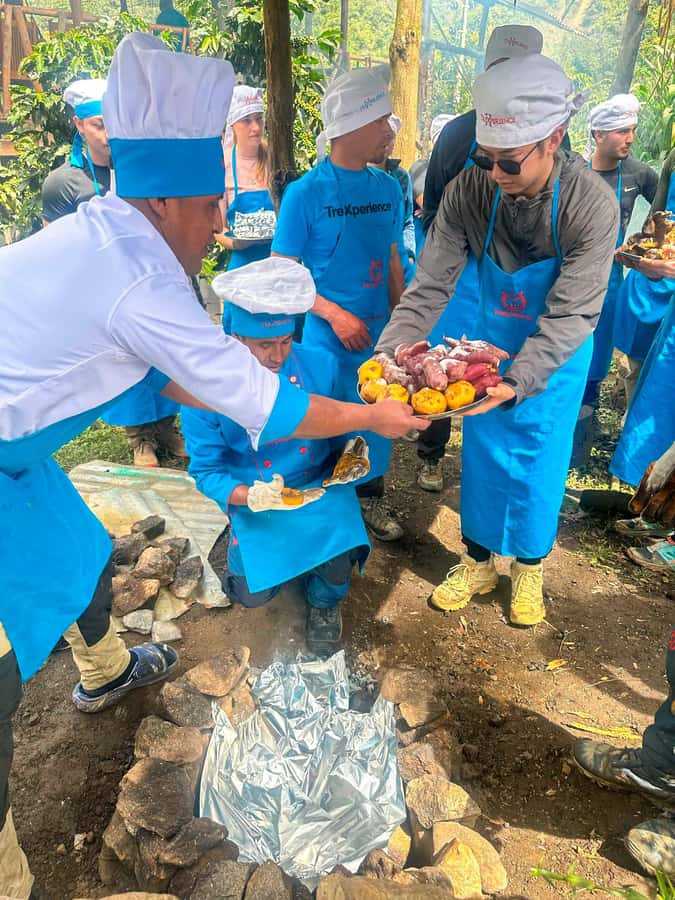
The Pachamanca meal is one of the most distinctive parts of the trip. Meat, vegetables, and fruit are cooked underground with hot stones, using a traditional Andean method. This is not just lunch served at a scenic stop. You get to see and take part in a cooking tradition connected to the land and to communal meals.
The coffee activity adds another local touch. At a coffee farm, you learn how beans move from plant to cup, then prepare your own freshly brewed espresso. If you enjoy food and drink experiences, this stop gives the day more character than a simple trail lunch.
After Lucmabamba, transportation takes you to Hidroelectrica. From there, you walk for about three hours along the route to Aguas Calientes. This section is much lower than the pass and feels warmer, though you should still carry rain gear and insect repellent.
At Aguas Calientes, you check into a three-star hotel. The private room, breakfast, and shower make a useful difference after two nights outdoors. Dinner at a local restaurant is included, but lunch on the final day is not.
This is also the night to prepare for Machu Picchu. Keep your passport, water, camera, and any needed clothing ready. The next morning starts early, and you do not want to waste time searching through your luggage.
More Scenic Railways in Cusco:
- Inca Trail 4 Day Adventure to Machu Picchu with Panoramic Train
★ 5.0 · 34 reviews - Private Machu Picchu Day Tour by Panoramic Train
★ 5.0 · 32 reviews - Cusco: 4-Day Lares Trek to Machu Picchu with Panoramic Train
★ 4.9 · 20 reviews - 2-Day Inca Trail Hike to Machu Picchu & Panoramic Train
★ 4.7 · 7 reviews
Day four: Early buses and Machu Picchu
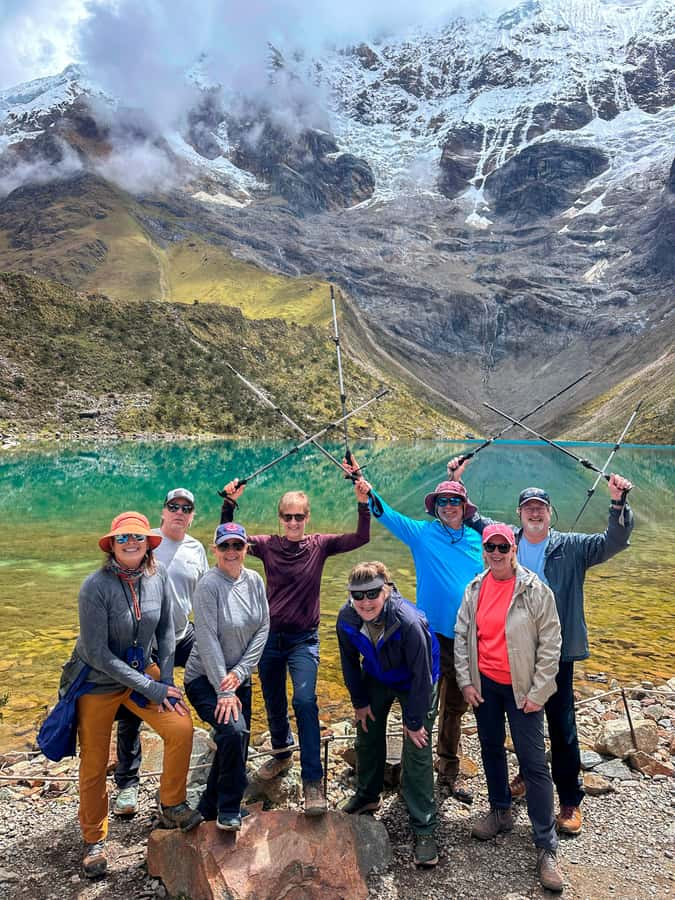
You rise early for one of the first buses from Aguas Calientes to Machu Picchu. The early departure helps you reach the citadel before the day becomes hotter and gives you a chance to see the mountains in soft morning light.
A professional guide leads a two- to three-hour visit through the main areas. Circuit 2 is the standard circuit, but if it is sold out, Circuit 1 or Circuit 3 may be assigned. That distinction matters because the circuit determines what parts of the site you see and how your visit flows.
The guide adds context to the stonework, temples, terraces, and unanswered questions around Machu Picchu. The information is especially useful after hiking through the region, since you arrive with a better sense of the mountains and communities around the citadel.
Huayna Picchu and Machu Picchu Mountain are separate options and must be arranged in advance. Do not assume you can add either hike at the gate. Also check the ticket wording carefully when booking: the inclusions list entrance tickets, while the additional notes say Machu Picchu tickets must be booked ahead. Confirm exactly which ticket is covered for your date.
After the guided visit, you return to Aguas Calientes for lunch at your own expense. Then you board either the Vistadome or 360° panoramic train for the return journey.
The train is a pleasant finish after several days of walking. Large windows and a broad view of the river valleys let you watch the route pass by without doing any more hiking. On arrival back toward Cusco, the team transfers you to your hotel.
Food, equipment, and comfort on the trail
Food is one of the strongest parts of this trip. Three breakfasts, three lunches, and three dinners are included, along with water and daily snacks. The meals are designed to keep you moving, and the cooking team can provide plenty of variety.
Special dietary needs must be reported when you book. Do not wait until the first breakfast, since the crew needs notice to plan properly.
The Pachamanca and coffee activities make the food feel connected to the region. I particularly like that you are not simply handed a generic packed lunch. You see how a traditional meal is cooked and learn how coffee is processed before making your own drink.
The equipment supplied includes:
- A duffle bag for up to 7 kilograms
- Pillow and sleeping pad
- Rain poncho and hand towels
- Water and snacks
- First-aid kit, satellite phone, and oxygen tank
A sleeping bag, air mattress, and trekking poles are available to rent, but they are not included. Bring a headlamp or flashlight, rain gear, sunscreen, insect repellent, toiletries, cash, and clothing for both cold high-altitude weather and warmer forest conditions.
Guides and group support
The guides speak English or Spanish, and the maximum group size is 16. The safety briefing takes place one day before the trek, giving you a chance to ask questions and confirm the early pickup.
Several guide and crew names have received especially strong praise, including Alex, José, Evangelino, Filio, Roger, and William. Their roles reflect what you need on a trek like this: history and Inca culture during the walk, practical help with bags, and patience when somebody needs more time.
The cooking teams also receive strong marks. Chefs Félix, Zenobio, Dionissios, Ismael, and Evangelino are among the crew members singled out for hearty, varied meals and careful service. You should still remember that crew assignments can change, but the structure of the support team is a real benefit on a long route.
Safety equipment is reassuring, though it does not remove the need for good preparation. The oxygen tank, satellite phone, and first-aid kit are carried for emergencies. Tell the operator about health concerns before booking, and take the altitude seriously.
Is $552 good value?
At $552 per person, the price covers far more than the hiking guide. You receive transportation, hotel pickup and drop-off, trail meals, three nights of accommodation, professional guiding, the Machu Picchu visit, the return train, a duffle service, and several activity-specific items.
The train return is important to the value calculation. After three days of walking and the early Machu Picchu visit, returning on the Vistadome or 360° train is more comfortable than adding another long overland journey.
You still need to budget for final-day lunch, optional rental gear, possible warm-shower fees, and any Huayna Picchu or Machu Picchu Mountain tickets. The non-refundable policy also means you should be confident about your dates, fitness, and health before paying.
For a four-day route with meals, support staff, accommodation, and the train included, I consider the price reasonable. It is best value for someone who wants an active route with cultural food stops, rather than the cheapest possible way to reach Machu Picchu.
Who should book this trek?
I would recommend it to a fit hiker who wants variety and does not mind early mornings, changing weather, basic facilities, and long days. It suits you especially well if the idea of crossing a high pass appeals more than simply arriving at Machu Picchu by train.
It is less suitable if you want a relaxed holiday, have back or heart problems, have limited mobility, or are pregnant. Wheelchair users cannot take part, and unaccompanied minors are not accepted. Children must travel with a responsible adult.
Bring your passport, since passport details are needed at booking and the original document is required for the trip. A student card may also be useful if you qualify for a student rate or ticket arrangement, though you should confirm the rules before booking.
Should you book the Salkantay Trek?
Book this trip if you want Machu Picchu to come at the end of a real mountain journey. The combination of Humantay Lake, the Salkantay Pass, cloud forest, Pachamanca cooking, coffee making, and a panoramic train gives the four days a clear sense of progression.
Think twice if you dislike basic huts or if altitude is a serious concern. The second day is demanding, and the second night may feel disappointing if you expect hotel-style plumbing.
For the right person, this is a well-supported way to experience the Cusco region beyond the main sights. Pack light, train for sustained uphill and downhill walking, confirm your Machu Picchu circuit and ticket details, and treat the trek as an active adventure with useful comforts rather than a luxury tour.
FAQ
How long is the Salkantay trek to Machu Picchu?
The experience lasts four days. It begins with pickup in Cusco and ends with a panoramic train journey back toward Cusco after your Machu Picchu visit.
What time does pickup begin?
Pickup begins around 4:30 a.m. from accommodation in Cusco’s historic center. You should be in the lobby 10 minutes before the scheduled time. If your accommodation is outside the Cusco district, you meet the group at a designated location near the main square.
How high is the Salkantay Pass?
The pass reaches 4,630 meters, or 15,190 feet. The climb to the pass takes about two hours on day two.
Where do you sleep during the trek?
You spend one night in a glamping tent at Salkantay Camp, one night in Andean huts at Collpapampa, and one night in a three-star hotel in Aguas Calientes.
Are meals included?
Three breakfasts, three lunches, three dinners, water, and daily snacks are included during the trek. The final-day lunch in Aguas Calientes is not included. You should provide dietary requirements when booking.
Is the Machu Picchu entrance ticket included?
The inclusions list entrance tickets for the Salkantay Trek and Machu Picchu, while the additional information says Machu Picchu tickets must be booked ahead. Confirm the exact ticket arrangement before booking, including the circuit assigned for your date.
Can I visit Huayna Picchu or Machu Picchu Mountain?
Optional hikes to Huayna Picchu or Machu Picchu Mountain are available with advance booking. They are not part of the standard visit and require separate planning.
What train returns to Cusco?
The return is by either the Vistadome or 360° panoramic train. The train takes you from the Machu Picchu area toward Cusco, where the tour team transfers you to your hotel.
More Four-Day Trips in Cusco
- 4-Day Isle of Skye & Jacobite Steam Train (train ride included)
★ 5.0 · 82 reviews - 4-Day Cork, Ring of Kerry, Dingle, Cliffs of Moher and Galway Bay Rail Tour
★ 4.5 · 48 reviews - Borobudur & Prambanan in Yogyakarta, train to Malang, hike Bromo & Ijen // 4D3N
★ 5.0 · 18 reviews - 4 Days Nile cruise luxor, Aswan,Hot air balloon&abu simbel with Train from Cairo
★ 4.5 · 12 reviews
More Hiking and Trekking Trips in Cusco
- Tour with the Mountain Train, Trek to Mystic Forest and Castle
★ 5.0 · 101 reviews - Sapa: 3-Day, 3-Night Trek and Hotel with Overnight Train
★ 4.2 · 64 reviews - Saint Kitts Train Trek
★ 4.0 · 60 reviews - Lake Como: Easy Mountain Trek with Funicular & Boat Ride
★ 4.7 · 24 reviews
Just added for rail travellers in Cusco
- Private Machu Picchu Day Tour by Panoramic Train★ 5.0 · 32 reviews
- Excursion to MachuPicchu with Train Vistadome Full Day★ 4.5 · 31 reviews
- Inca Trail 4 Day Adventure to Machu Picchu with Panoramic Train★ 5.0 · 34 reviews
- Belmond Hiram Bingham Train to Machupicchu – Full Day★ 4.5 · 33 reviews
- From Cusco: Machu Picchu Private Day Trip on Panoramic Train★ 5.0 · 6 reviews
- Excursion Cusco – Puno – Titicaca Observatory Train★ 5.0 · 3 reviews
- Cusco: 4-Day Lares Trek to Machu Picchu with Panoramic Train★ 4.9 · 20 reviews
- 2-Day Inca Trail Hike to Machu Picchu & Panoramic Train★ 4.7 · 7 reviews
Machu Picchu Train Tours, compared.
Machu Picchu 2-Day Inca Trail with Panoramic Train
Read our review →
The First Class Machu Picchu Train by Inca Rail
Read our review →
Excursion to the Sacred Valley and Machu Picchu by Panoramic Train
Read our review →
Excursion to Machu Picchu in 1 day from Cusco with Vogager Train Inca Rail
Read our review →
Inca Trail 4 Day Adventure to Machu Picchu with Panoramic Train
Read our review →
Private Machu Picchu Day Tour by Panoramic Train
Read our review →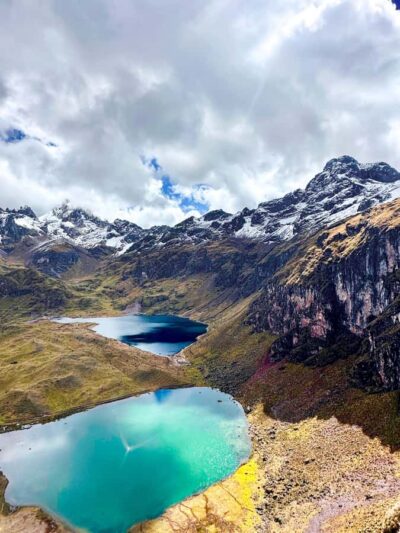
4-Day Lares Trek to Machu Picchu with Panoramic Train
Read our review →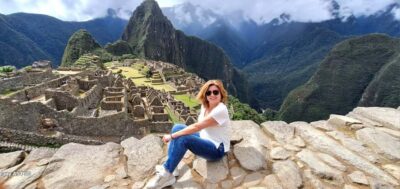
Machu Picchu Day Trip with Train + Entrance ticket
Read our review →Browse the lists this tour appears in