
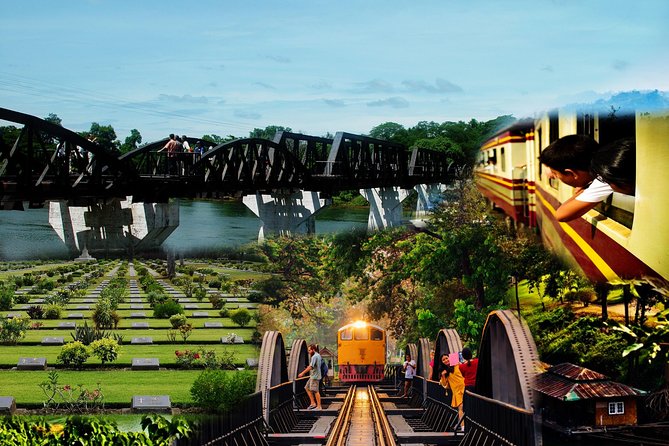
Review · DEATH RAILWAY TOURS
Bridge on the River Kwai and Thailand-Burma Railway Guided Tour
The most moving part of this day is not the famous bridge itself, but the human story behind it. You’ll visit the cemetery and museum, then ride a section of the railway built by prisoners of war and forced laborers during World War II. The history is powerful, and the countryside gives the long journey a worthwhile setting.
I like the combination of boat and train rides, since each shows the River Kwai area from a different angle. I also like having hotel pickup, lunch, entrance fees, and a guide bundled into one day. The catch is the distance: this is an 11-hour tour on paper, but traffic can stretch it to 12 or even 14 hours.
Key points to know
- The drive from Bangkok takes about two to three hours each way, depending on traffic.
- The train ride is the heart of the day, with open-window views and a strong sense of place.
- A 300-baht train seat fee is paid locally, in cash, even though the train ride itself is included.
- Guide quality matters, and guides such as Oom and Rach have been praised for clear, engaging explanations.
- The long-tail boat ride may be brief, despite the broad wording used to describe it.
- Private and shared options are available, with shared groups limited to about 15 people.
Why the River Kwai story still matters
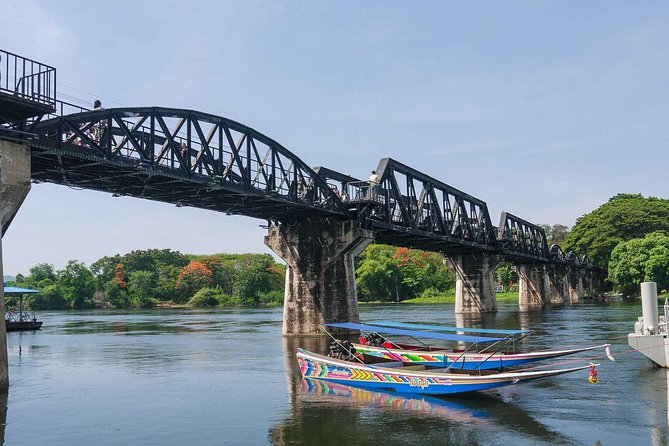
The Bridge on the River Kwai is famous because of the 1957 film and Pierre Boulle’s novel. The real story is harsher than the movie version. The bridge formed part of the Thailand-Burma Railway, built between 1942 and 1943 under Japanese control.
Prisoners of war and Asian forced laborers worked in brutal conditions to connect Thailand with Burma, now Myanmar. Thousands died from disease, starvation, exhaustion, accidents, and mistreatment. The bridge is only one piece of that story, but the nearby cemetery and museum help put it into human terms.
I find this tour works best when you treat it as a history day with scenic transport, not as a quick photo stop. The bridge itself can be seen in about 30 minutes, but the meaning of the place comes from the explanations around it. A good guide can explain what you are looking at, separate the movie from the documented events, and make the railway ride more than a pleasant train trip.
Guides named Oom and Rach have received especially warm praise for explaining the subject with care and answering questions. Other guides, including King and the guide identified as Mr Oom, have also been praised for humor, attentiveness, and practical help. Guide performance can vary, so a private booking is worth considering if personal attention is important to you.
More Death Railway Tours in Bangkok:
- From Bangkok: Death Railway & Hellfire Pass Tour with Lunch
★ 4.6 · 931 reviews - Bridge on the River Kwai and Thailand-Burma Railway Tour
★ 4.5 · 658 reviews - Bridge over River Kwai and Hellfire Pass Tour with Train Ride
★ 5.0 · 199 reviews
Leaving Bangkok before the traffic builds
The advertised departure is 7 a.m., but your hotel pickup may begin 30 to 60 minutes earlier, depending on where you stay. Pickup and drop-off are offered at centrally located Bangkok hotels. You must provide your hotel details when booking, or the reservation may be cancelled.
The vehicle is an air-conditioned van, and the group size can reach 15 people. That is smaller than a big coach tour, but it does not guarantee a roomy ride. Several passengers found the van uncomfortable, especially on the rougher stretches of road and in the rear rows. Some also had trouble hearing the guide from the back.
Bring water, a hat, and something to cool yourself with. A small fan can be useful in the heat. Toilet breaks are provided, but take tissues or toilet paper, since some facilities rely on handheld bidet sprays rather than supplying paper.
The road journey is the unavoidable price of seeing Kanchanaburi from Bangkok in one day. You may spend roughly five hours in the vehicle across the round trip, and Bangkok traffic can add much more. One itinerary ran from 6 a.m. until 8:30 p.m., so do not book an evening show, dinner, or airport transfer with a tight connection afterward.
Approaching the River Kwai by long-tail boat
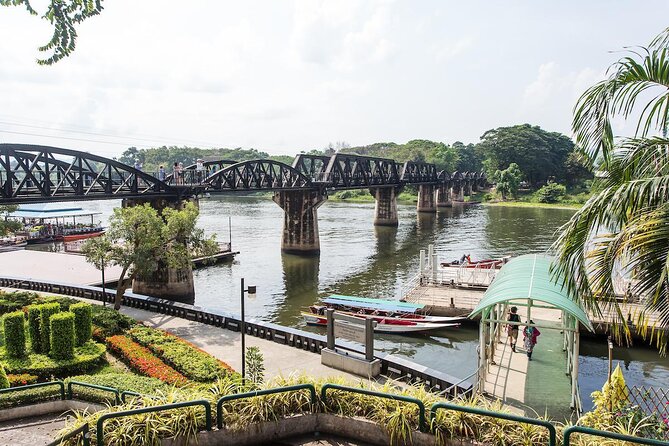
The boat ride offers a pleasant change after the drive. You board a long-tail speedboat and approach the River Kwai by water, rather than arriving entirely by road. The ride gives you a different view of the river and the surrounding countryside before you reach the bridge area.
Keep your expectations modest. The tour description presents this as a featured boat ride, but the actual time on the water can be closer to five minutes than 20, depending on the day’s schedule. Some passengers loved the ride, while others felt it was too short. It is best viewed as a brief scenic transfer, not a full river excursion.
The boat and the railway are valuable for another reason: they break up a long day in a van. You are not simply moving from one historical site to another. You are using the same river and railway corridor that give the region its identity, even if the modern experience is far removed from wartime conditions.
Walking across the Bridge on the River Kwai
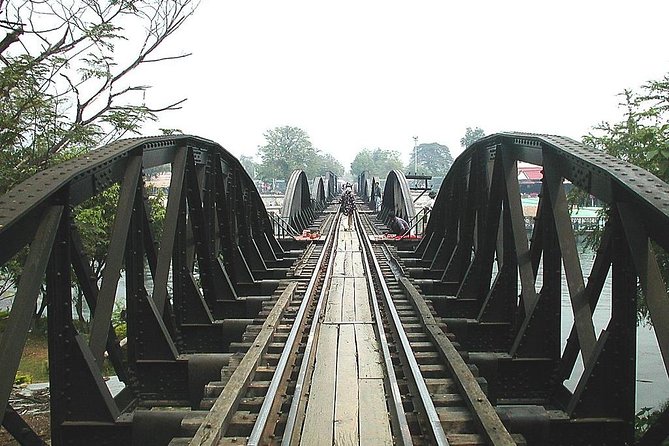
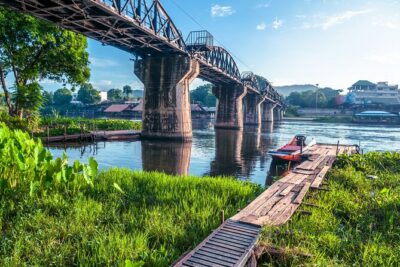
The bridge is the tour’s most recognizable stop. You can walk across it and look along the railway line, the river, and the nearby banks. It is an active railway bridge, so follow your guide’s instructions and pay attention to train movements.
The visit is fairly short, around 30 minutes. That is enough to cross the bridge, take photographs, and hear the main story, but not enough for a slow, reflective visit if the group is large or the schedule is running late.
The bridge itself is less visually dramatic than the film may lead you to expect. Its value is historical. You are standing on part of the Death Railway, a project that cost enormous numbers of lives. The setting can feel calm and attractive, which makes the contrast with the past especially striking.
If you have seen the movie, this stop helps you sort film from fact. The movie took artistic liberties, but the broad wartime setting and the railway’s grim purpose connect clearly with the real events. Watching the film before or after the tour can add useful context, though the guide’s explanation is more important than cinematic familiarity.
More Train Journeys in Bangkok:
- Day Trip to Bangkok Floating Market & Maeklong Railway
★ 5.0 · 1,528 reviews - Bangkok: Railway and Floating Market Tour with Dragon Temple
★ 4.6 · 1,225 reviews - Private Excursion to Maeklong Railway and Floating Markets
★ 5.0 · 850 reviews - From Bangkok: Railway & Damnoen Saduak Floating Market Tour
★ 4.6 · 775 reviews
A quiet stop at Kanchanaburi War Cemetery
The Kanchanaburi War Cemetery is the most solemn stop of the day. It is located on Saeng Chuto Road in Kanchanaburi and serves as the main prisoner of war cemetery for those who died while the Burma Railway was being built.
The visit lasts about 20 minutes. That may feel short, especially if you want to read many of the names, but the cemetery is compact and the atmosphere is quiet. Walk slowly, read the inscriptions you can, and allow yourself a few minutes without taking photographs.
This is where the scale of the story becomes personal. The bridge and railway can seem like engineering landmarks. Rows of graves remind you that the project was paid for with human lives. If you visit on Remembrance Day or have a particular connection to military history, the stop may feel especially intense.
The tour does not present the cemetery as entertainment, and it should not be treated that way. Wear suitable clothing, keep your voice low, and follow the guide’s lead on respectful behavior.
What to expect at the JEATH War Museum
The JEATH War Museum is a small museum opened in 1977. Its focus is the prisoners of war who built the railway and the conditions they endured. Original photographs, letters, drawings, and displays about the camps help explain daily life under forced labor.
The museum visit is scheduled for about 20 minutes. That is enough for an introduction, but not for a detailed study of every display. The museum is modest and some parts may feel dated. If you have visited major war museums in Europe or Australia, do not expect the same polish or depth.
I still think the stop has value because the bridge alone can leave too many questions unanswered. The museum shows the people behind the railway, not just the structure itself. On the other hand, some schedules seem to give the museum more time than the bridge or cemetery, which can frustrate you if you prefer outdoor sites and personal reflection.
Your guide’s commentary matters here. Clear explanations can help you understand what the photographs and documents show. If the guide speaks too quickly or cannot be heard from the back of the van, much of the museum’s value is lost.
Riding the Death Railway through the countryside
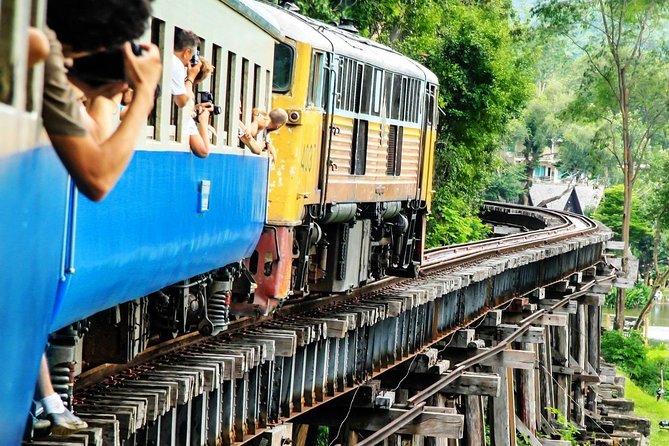
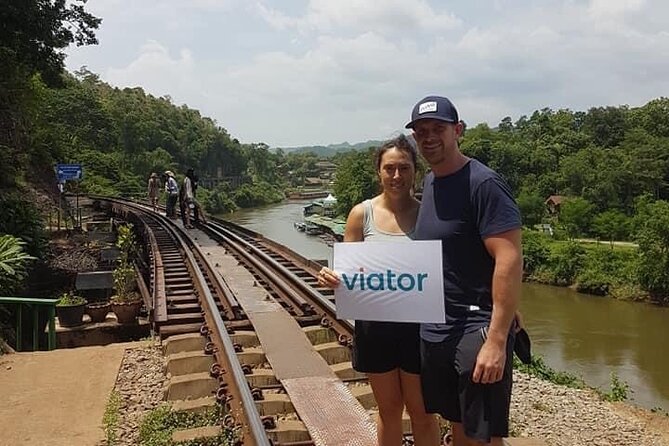
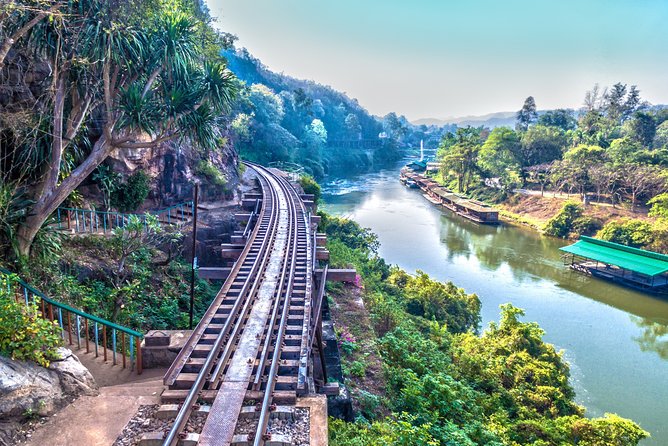
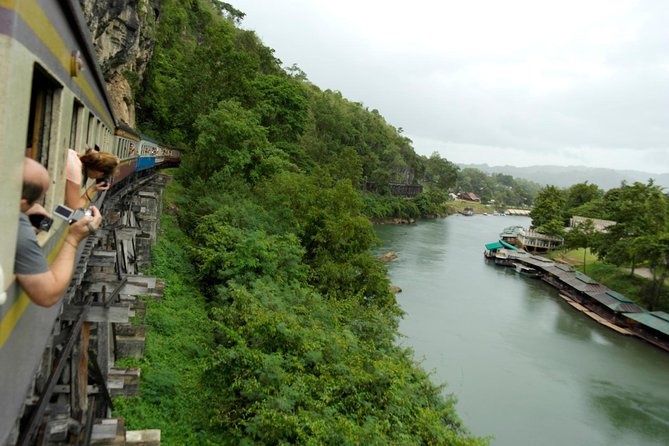
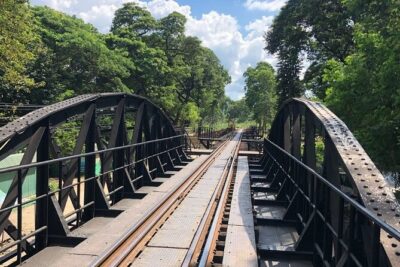
The train ride is the strongest part of the day for many people. You ride along a surviving section of the Thailand-Burma Railway, looking out at the countryside through open windows. The scenery is a welcome change after the urban traffic and van ride.
This is not a luxury train. One account described it as loud, with no effective air-conditioning when the windows are open. Bring ear protection if you are sensitive to noise. The open-air feel is part of the experience, but so is the heat.
The ride gives you time to think about the railway as a working route rather than a museum display. The track, countryside, and river views make the history feel connected to a real place. You are not reconstructing the wartime experience, and it would be wrong to pretend that a comfortable tourist train can do that. But riding the line provides a physical sense of the route that photographs cannot offer.
The train ride includes a guaranteed seat for a mandatory 300-baht payment per person. This fee is not included in the listed tour price and is paid in cash at the station to the guide. Budget for it in advance. Several people felt the charge was worth it for the seat, while others thought they could have managed without paying extra. Since the tour states that the payment is required, you should treat it as part of the real cost.
Lunch with a view, plus the day’s pacing
A buffet lunch is included. The food has been described as acceptable to tasty, and the setting has received praise, particularly when the restaurant overlooks the surrounding area. Lunch also gives you a needed break from the van, heat, and solemn sites.
Do not expect a long, leisurely meal. The day covers a lot of ground, and the guide may adjust timing based on traffic, train schedules, and the group. Some stops can feel rushed. If you want extended time at the cemetery, museum, or bridge, a private tour gives you a better chance of shaping the pace, though the schedule still depends on transport and train operations.
Rest stops are part of the longer drive. They make the day easier, but they also add waiting time. A tour like this has several moving parts, and delays can pile up. That is why the advertised 11 hours should be read as an estimate, not a promise.
Shared or private: which version suits you?
The shared tour is the better value if you want the basic package handled for you. At $94.53 per person, it includes central hotel pickup and drop-off, an air-conditioned vehicle, the long-tail boat, the train ride, lunch, entrance fees, and a Thai local guide. Add the 300-baht train seat fee and any personal expenses when calculating the true price.
For a full day outside Bangkok, that is a fair package. You avoid arranging transport, finding the railway station, buying attraction tickets, and working out the sequence of stops. The tradeoff is less control over the pace and the possibility of sitting in a crowded or uncomfortable part of the van.
The private option costs more, but it may be the smarter choice for families, older couples, photographers, or anyone who wants clearer communication. You receive your own vehicle and guide, with undivided attention. A private group of four has been considered good value because it avoids a large coach and makes it easier to ask questions.
The shared vehicle has a maximum of about 15 people, not hundreds. That keeps the group manageable, but it can still be hard to hear from the back. If you choose shared transport, try to board early and sit where you can hear the guide.
Who should book this Bangkok day trip?
I would choose this tour if you care about World War II history, want to ride the railway rather than only photograph the bridge, and prefer an organized day trip from Bangkok. It also suits you if you want several major sights covered without arranging separate taxis, trains, and tickets.
I would hesitate if you dislike long road journeys, struggle with heat, or have a fixed evening appointment. The drive is real, and Bangkok traffic can turn a long day into a very long one. The museum and cemetery visits are brief, and the boat ride may be shorter than expected.
Families can participate, and most people can manage the activity. Children under 100 centimeters receive the child rate. Children over 100 centimeters pay the adult rate. The tour includes walking across the bridge and moving between transport, so plan for ordinary mobility rather than a fully passive sightseeing day.
Cancellation is free up to 24 hours before the start time. Changes or cancellations inside that window are not refunded, and the cutoff uses local Thai time.
Should you book the Bridge on the River Kwai tour?
Book it if you want the historical context, the railway ride, and a practical way to reach Kanchanaburi from Bangkok. The bridge is only one stop, but the cemetery, museum, boat, train, and guide commentary turn it into a fuller account of the Thailand-Burma Railway.
Go in prepared for a rough-edged day. Carry water, tissues, a hat, cash for the 300-baht seat fee, and patience for traffic. If you can afford it, choose private transport for more comfort and better access to the guide.
This is not a relaxed day beside the river. It is a long, sometimes tiring history trip with a meaningful payoff. For anyone interested in military history, the route is worth the trek. Just keep your evening free.
FAQ
How long is the Bridge on the River Kwai tour?
The advertised duration is about 11 hours, beginning around 7 a.m. Actual pickup-to-drop-off time can be longer because the drive from Bangkok takes about two to three hours each way and traffic can cause delays.
Is hotel pickup included?
Yes. Pickup and drop-off are included for centrally located Bangkok hotels. Pickup may be 30 to 60 minutes before the stated start time, depending on your hotel.
Is the train ride included in the price?
The train ride is included, but a mandatory 300-baht seat fee is paid locally by each person. The fee includes a guaranteed seat and can be paid in cash to the guide at the station.
What sites are included?
The tour includes the River Kwai area, the Bridge on the River Kwai, Kanchanaburi War Cemetery, and the JEATH War Museum. It also includes a long-tail boat ride and a train ride along the Death Railway.
Is lunch included?
Yes. A buffet lunch is included in the tour price. Personal expenses and the 300-baht train seat fee are not included.
Can I book a private tour?
Yes. You can choose between shared transport with other passengers and a private experience with your own vehicle and guide. Shared groups can include up to about 15 people.
Just added for rail travellers in Bangkok
- Private Excursion to Maeklong Railway & Amphawa Floating Markets★ 5.0 · 84 reviews
- Train & Floating Market Food Adventure + Scenic train ride★ 5.0 · 102 reviews
- Maeklong Railway & Floating Market Tour (Private & All-Inclusive)★ 5.0 · 108 reviews
- From Bangkok: Death Railway & River Kwai Bridge Private Tour★ 4.9 · 171 reviews
- Private Tour: Thai–Burma Death Railway Bridge on the River Kwai from Bangkok★ 4.5 · 172 reviews
- Bangkok: Floating Market and Train Tour with Guide in Spanish and English★ 4.5 · 185 reviews
- Bridge over River Kwai and Hellfire Pass Tour with Train Ride★ 5.0 · 199 reviews
- From Bangkok: Maeklong Railway and Floating Market Food Tour★ 4.9 · 224 reviews
Death Railway Tours, compared.
Bridge over River Kwai and Hellfire Pass Tour with Train Ride
Read our review →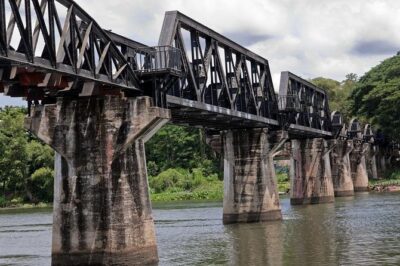
Private Tour: Thai–Burma Death Railway Bridge on the River Kwai from Bangkok
Read our review →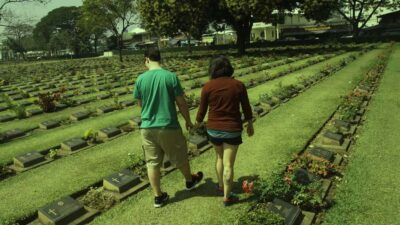
Death Railway & River Kwai Bridge Private Tour
Read our review →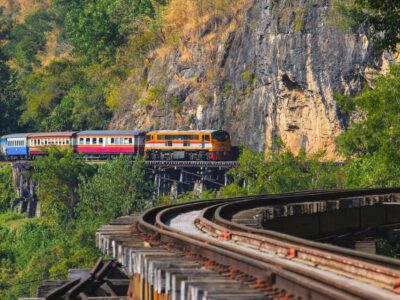
Kanchanaburi Tour: Erawan Waterfall and Death Railway
Read our review →Browse the lists this tour appears in